How to Write Wedding Vows That Don’t Feel Cringe: 8 Essential Tips
By Ariel Artiaga
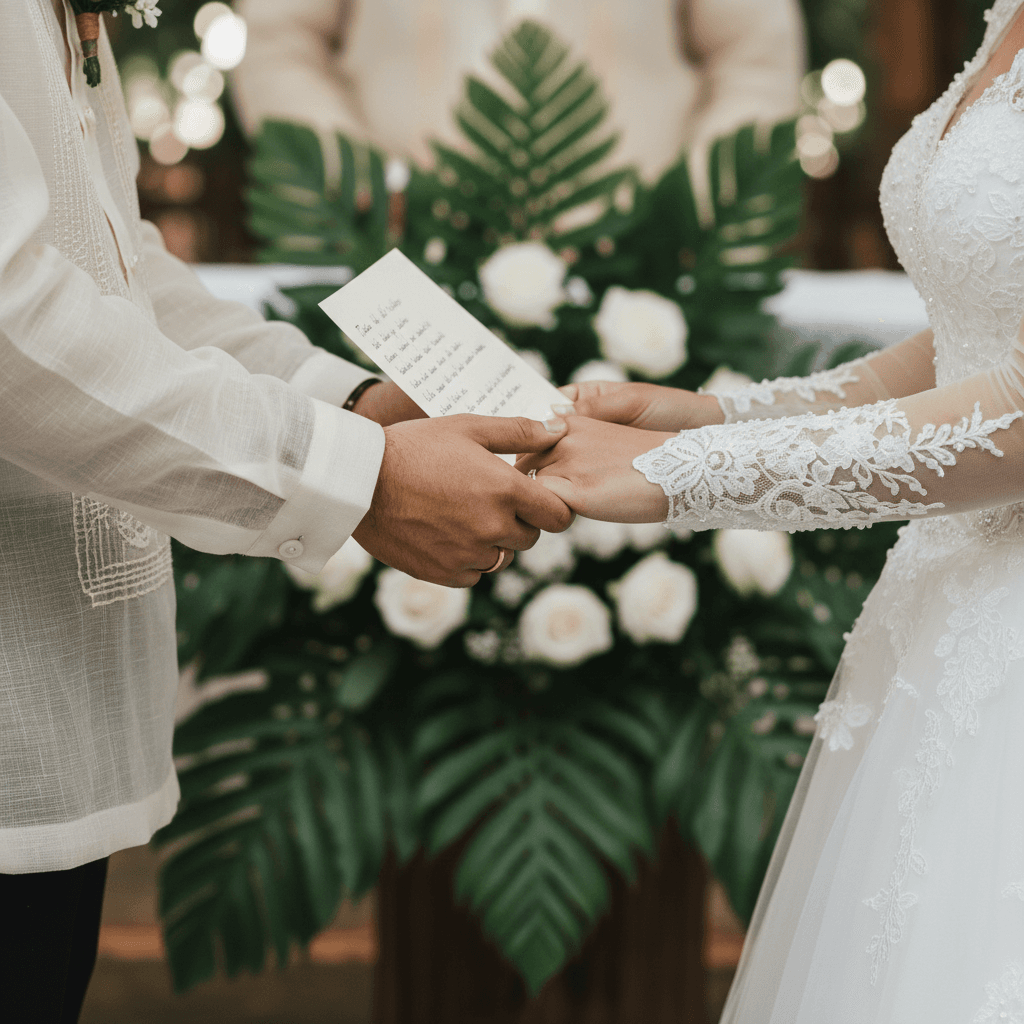
So, the big day is creeping up. You’ve nailed down the perfect photographer, the catering menu is a masterpiece of Filipino fusion, and your guest list is finally under control. But then it hits you: you actually have to say something. Not just "I do," but the deep, emotional, life-changing stuff. Writing your own vows is arguably the most intimidating part of the whole process. How do you condense years of inside jokes, coffee runs, and late-night talks into a three-minute speech without sounding like a Hallmark card on steroids?
So, the big day is creeping up. You’ve nailed down the perfect photographer, the catering menu is a masterpiece of Filipino fusion, and your guest list is finally under control. But then it hits you: you actually have to say something. Not just "I do," but the deep, emotional, life-changing stuff. Writing your own vows is arguably the most intimidating part of the whole process. How do you condense years of inside jokes, coffee runs, and late-night talks into a three-minute speech without sounding like a Hallmark card on steroids?
Honestly, the pressure is real. You’re standing there in front of your titas, your college barkada, and your future in-laws, trying to be vulnerable while a drone buzzes overhead. But here’s the thing: your vows don't need to be Shakespearean. They just need to be you. Let’s break down how to get those feelings out of your head and onto paper without losing your mind.

1. Don’t Wait for a "Spark" of Genius
Waiting for inspiration to strike is a trap. You know what? If you wait until the night before the wedding in your hotel room, you’ll likely end up with a messy blur of clichés. Start a "Vow Notes" file on your phone or use the Quick Notes feature in your planning dashboard. Whenever your partner does something that makes you smile—like how they always save you the last piece of lechon kawali—jot it down. These tiny, specific details are the "gold" that makes a vow feel authentic.
2. Agree on the Vibe and Length
Imagine this: You pour your heart out for six minutes, citing poetry and crying, and then your partner delivers a two-sentence "you’re cool, let’s get married" vibe. Awkward, right? You don't have to show each other the content, but you should definitely agree on the tone. Are we going for "cry-fest" or "stand-up comedy"? Usually, a sweet spot is around minute to two minutes per person. In the world of wedding planning, consistency is your best friend.

3. Use the "Past, Present, Future" Skeleton
If you’re staring at a blank page, use this simple structure. It works every time.
- The Past: Mention a specific memory from when you first realized they were the one. Maybe it was a rainy day in Makati or a stressful trip to Tagaytay.
- The Present: What do you love most about them right now? Use a mix of deep traits (their kindness) and silly ones (the way they hum while doing chores).
- The Future: These are your actual promises. This is the "meat" of the vow.
Let me explain—vows aren't just a tribute; they are a contract of the heart. Make sure you actually include the word "promise."
4. Steer Clear of the "Inside Joke" Rabbit Hole
We all have them. Those jokes that are hilarious to exactly two people. While a subtle nod to an inside joke is fine, don't make your entire vow a riddle that leaves your 150 guests scratching their heads. You want your family to feel included in the moment, not like they’re watching a private FaceTime call. If you have to explain the joke, it probably doesn't belong in the ceremony. Save the "deep cuts" for a private letter you exchange during the preparations.

5. Embrace the "Ordinary" Moments
You don't need to talk about climbing mountains or surviving storms (unless you actually did). Honestly, the most moving vows are often about the mundane. Promising to be the one who kills the spiders, or promising to always have their favorite snack ready after a long shift, carries a lot of weight. It shows you understand the reality of marriage—which is mostly just navigating life together. It's about being in the same boat, even when the water is perfectly calm.
6. Practice Out Loud (Seriously)
Writing for the eye is different from writing for the ear. Some sentences look beautiful on paper but are absolute tongue-twisters when spoken. Read your draft to your mirror. Or better yet, read it to a trusted friend who can tell you if a part sounds a bit too wordy. You’ll catch awkward pauses and realize where you need to breathe. Plus, practicing helps you get the "ugly cry" out of your system beforehand so you can actually get the words out on the day.

7. Keep the "Promises" Realistic
Instead of promising to "never be angry," which is a lie (let's be real, someone is eventually going to leave a wet towel on the bed), promise how you will handle that anger. "I promise to always listen, even when I'm tired," or "I promise to choose you every day, even the hard ones." These grounded promises feel much more significant than grand, impossible gestures. If you're using a wedding vow template, make sure to tweak those generic lines to fit your actual relationship dynamics.
8. Print Them Out
Do not, I repeat, do not rely on your phone. Technology has a funny way of failing at the exact moment you need it. A dead battery, a random software update, or just the glare of the Philippine sun can turn your digital vows into a nightmare. Print them on a nice card or write them in a small notebook. It looks much better in your photo gallery anyway. A piece of paper won't dim or glitch when your hands start to shake.
At the end of the day, your vows are just a conversation between the two of you. Everything else—the flowers, the music, the premium features of your wedding app—is just background noise to this moment. If you mess up a word or lose your place, just laugh it off. It just makes the moment more human.
Would you like me to help you draft a specific outline for your vows based on your own "Past, Present, Future" memories?