The Complete Guide to Traditional Filipino Wedding Planning
By WedPlanner
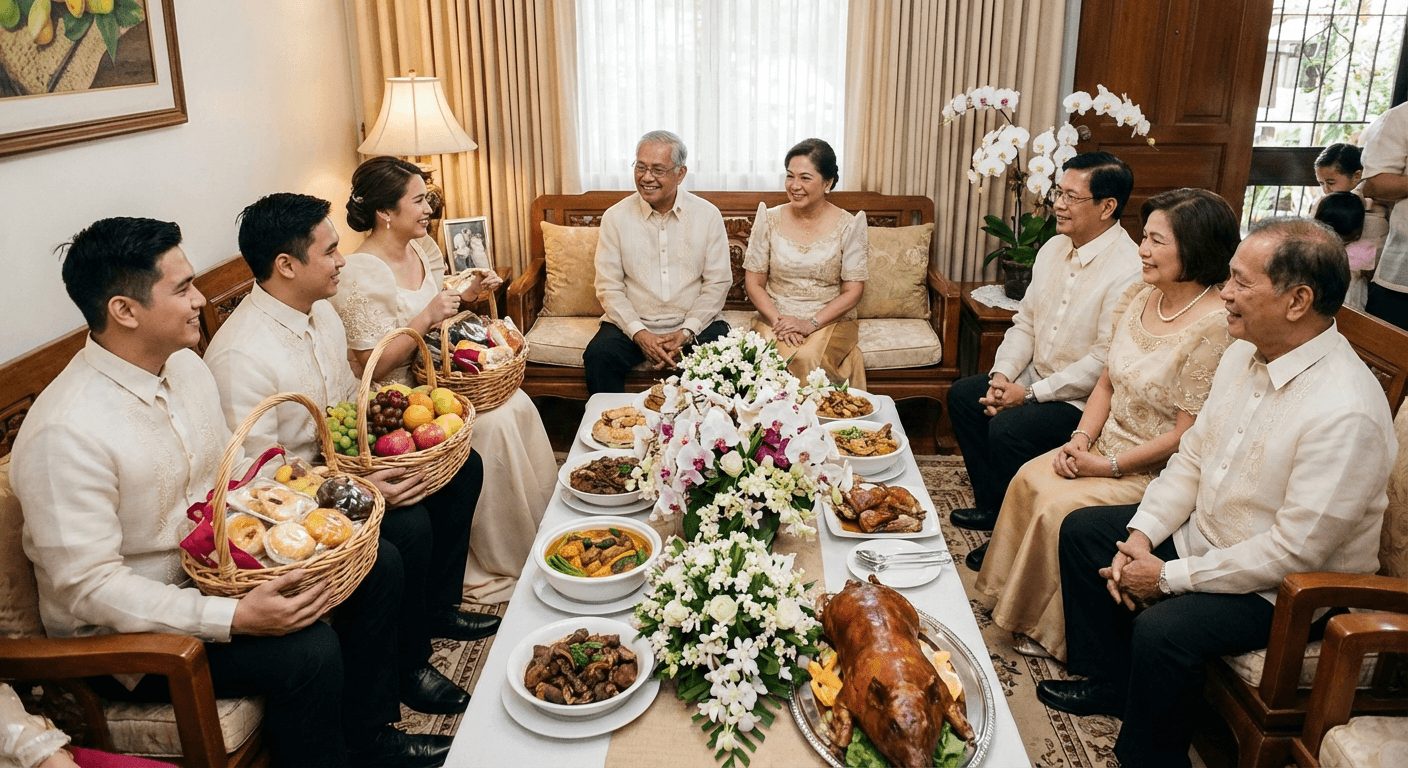
Planning a traditional Filipino wedding is a beautiful journey that blends rich cultural heritage with modern celebration. Learn about the customs, rituals, and traditions that make Filipino weddings unique.
Planning a traditional Filipino wedding is a beautiful journey that blends rich cultural heritage with modern celebration. Rooted in Malay, Chinese, Spanish, and American influences, Filipino wedding traditions create a unique and meaningful experience for couples and their families. This comprehensive guide will help you navigate the customs, rituals, and planning considerations for an unforgettable traditional Filipino wedding.
Understanding Filipino Wedding Traditions
Traditional Filipino weddings are characterized by symbolic rituals that represent unity, prosperity, and eternal commitment. Unlike Western weddings that focus primarily on the couple, Filipino weddings emphasize family involvement and community celebration.
Key Traditional Elements
1. Panangay - The formal request for the bride's hand in marriage, often accompanied by gifts and a formal meeting between families.
2. Arranged by Parents - While modern weddings may be more individualistic, traditional Filipino weddings often involve significant parental guidance and approval.
3. Extended Family Involvement - Weddings are considered family events, not just couple events. Cousins, aunts, uncles, and grandparents often play active roles.
4. Community Celebration - Filipino weddings are joyous, lively events with music, dancing, and abundant food-reflecting the warm, communal nature of Filipino culture.
Traditional Wedding Rituals

The Novena de Agosto
Many Filipino couples participate in a nine-day prayer novena before the wedding, seeking blessings and guidance for their marriage. This tradition reflects the strong Catholic heritage in the Philippines.
Thearrangement Ceremony
Also known as the "arrangement" or "pamamanhikan," this pre-wedding meeting between families formalizes the marriage agreement. The groom's family visits the bride's home to discuss wedding plans and formalize their blessing.
Customs include:
- Groom's family brings gifts and traditional treats
- Bride's family offers refreshments and hospitality
- Both families discuss wedding budget and responsibilities
- Formal blessing and consent is given
Traditional Wedding Day Rituals
The wedding day features several symbolic rituals that have been passed down through generations:
1. Candle Ceremony (Bulaklak na Kamay)
Couples light a unity candle together, symbolizing their two lives becoming one. Family members often hold the candles during the ceremony.
2. veil Ceremony
A veil is draped over the couple's shoulders, representing unity and protection. This ritual typically occurs after the exchange of vows.
3. Cord Ceremony
A wedding cord or lasso is placed around the couple's shoulders in a figure-eight shape, symbolizing eternal bond and unity. The figure-eight represents infinity and eternal love.
4..coin Ceremony
Thirteen coins (arrhae) are blessed and presented by the groom to the bride, symbolizing prosperity and the groom's commitment to provide for his family.
Traditional Filipino Wedding Attire

Bridal Attire
The Filippina Dress: Many brides choose to wear a modernized version of traditional Filipino attire for the reception, such as the terno (a formal dress with butterfly sleeves) or malong (a tubular skirt). For the ceremony, many brides wear a white wedding gown, often incorporating Filipino elements like embroidery or lace patterns.
Bridal Accessories: Traditional accessories include hair combs (arum), flowers (especially sampaguita), and pearl jewelry. The bride often carries a bouquet of fresh flowers.
Groom's Attire

The Barong Tagalog: This is the most traditional option for grooms-a formal shirt made of pi?a (pineapple fiber) or jute, worn over an undershirt with white trousers. The Barong Tagalog is typically worn untucked, a tradition dating back to Spanish colonial times when Filipinos were required to wear shirts outside their pants to show they weren't hiding weapons.
Alternative Options: Many grooms choose modern tuxedos or suits, especially for Western-style ceremonies. However, incorporating Filipino elements like the barong for the reception is popular.
Traditional Filipino Wedding Food

Food is central to any Filipino celebration. Traditional wedding feasts feature a variety of dishes that reflect regional specialties and family traditions.
Must-Have Dishes
- Kasambahay Rice - Sticky rice cooked in coconut milk, often shaped into cones
- Lechon - Roast pig, often the centerpiece of the feast
- Sinigang - Sour tamarind soup with meat or seafood
- Kare-Kare - Oxtail stew in peanut sauce with vegetables
- Adobo - Meat or seafood marinated in vinegar, soy sauce, garlic, and spices
- Bibingka - Rice cake with coconut milk and salted egg
- Pancit - Noodle dish symbolizing long life
Traditional Filipino Wedding Music and Entertainment
Music and dancing are essential components of Filipino weddings. Traditional music sets the tone for various wedding rituals, while entertainment keeps guests engaged throughout the celebration.
Traditional Music
- Kumintang - An ancient Filipino musical style with dance accompaniment
- Harana - Serenade music performed by the groom to the bride
- Rondalla - Traditional string ensemble featuring bandurria, laud, and guitar
- Mano Po - Traditional gesture of respect often accompanied by specific music
Popular Entertainment Options
- Dance performances (traditional and modern)
- Live bands or DJs specializing in Filipino music
- Serbian-style money dance (dollar dance)
- Magician or cultural performers
- Photo booths with Filipino-themed props
Traditional Filipino Wedding Gifts
In Filipino culture, wedding gifts often have symbolic meaning and practical value for the new couple.
Traditional Gift Ideas
- Coins - Symbolize prosperity and financial stability
- Rice - Represents abundance and nourishment
- White cloth - Symbolizes purity and new beginnings
- Jewelry - Family heirlooms or new pieces for the bride
- Household items - Practical gifts for the new home
Modern Preferences: While traditional gifts remain meaningful, many couples today prefer cash gifts or contributions to a honeymoon fund. Always include a thoughtful card with well wishes and blessings.
Traditional Filipino Wedding Timeline
Modern vs. Traditional Filipino Weddings
Many Filipino couples today choose to blend traditional customs with modern wedding elements, creating unique celebrations that honor their heritage while reflecting their personal style.
Popular Blends
- Ceremony: Western-style ceremony with Filipino rituals incorporated
- Reception: Formal Western reception with Filipino food and entertainment
- Attire: Western wedding dress with traditional accessories
- Decor: Modern themes with Filipino cultural elements
Traditional Filipino Wedding Etiquette
Understanding Filipino wedding etiquette helps ensure a smooth and respectful celebration for everyone involved.
Guest Etiquette
- Address elders with respect (use "Po" and "Opo" in Tagalog)
- Bring a thoughtful gift or contribution
- Attend the pre-wedding celebrations if invited
- Participate in traditional rituals and dances
- Respect cultural customs and traditions
Couple's Etiquette
- Show appreciation to elders and parents throughout the celebration
- Participate actively in traditional rituals
- Host guests with Filipino hospitality and warmth
- Include family members in decision-making processes
- Respect and honor cultural traditions