6 Timeless Filipino Wedding Traditions to Make Your Big Day Truly Authentic
By Ariel Artiaga
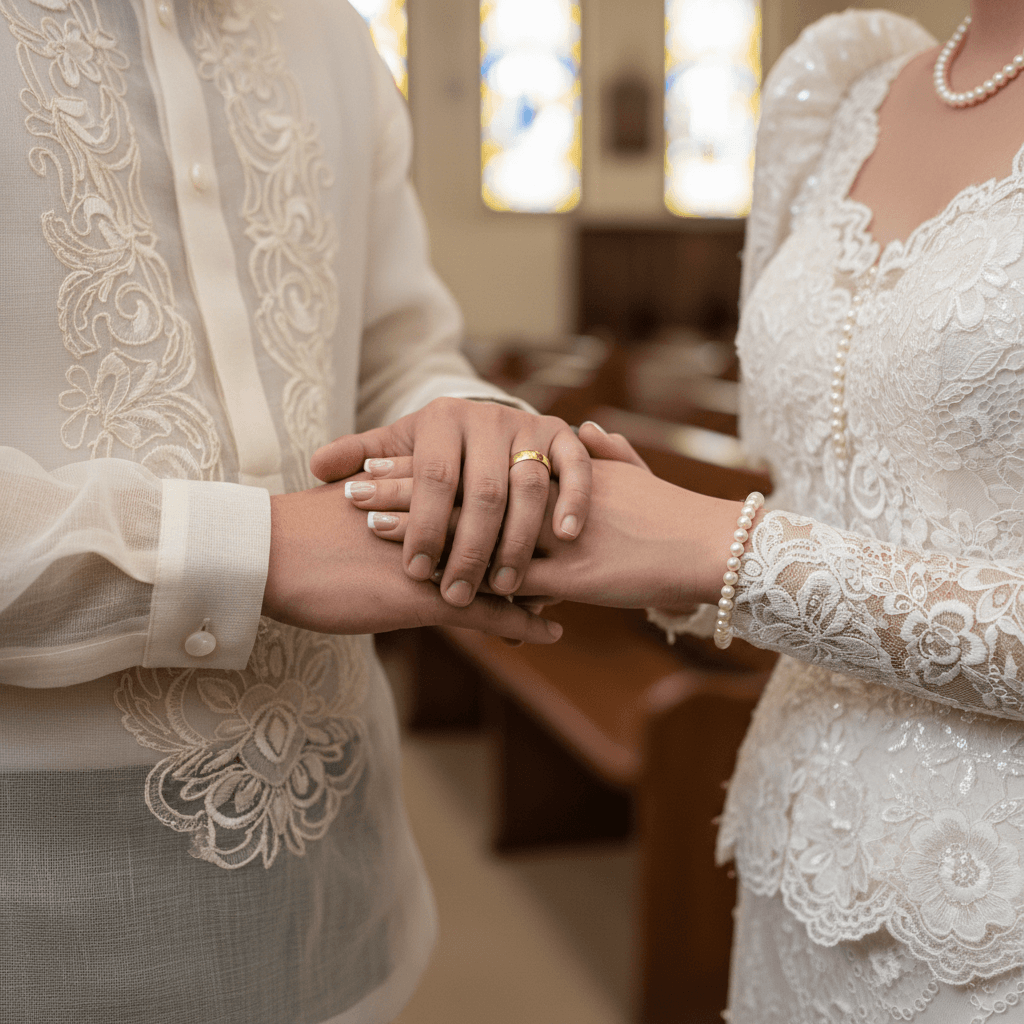
Planning a wedding is a whirlwind. One minute you are debating the merits of peonies versus roses, and the next, you are trying to figure out how to fit 300 relatives into a seating chart without starting a family feud. But amidst the modern aesthetics and Pinterest-perfect mood boards, there is something incredibly grounding about looking back. In the Philippines, a wedding isn't just a contract between two people; it is a grand, colorful merger of two families, steeped in rituals that have survived centuries of change.
Planning a wedding is a whirlwind. One minute you are debating the merits of peonies versus roses, and the next, you are trying to figure out how to fit 300 relatives into a seating chart without starting a family feud. But amidst the modern aesthetics and Pinterest-perfect mood boards, there is something incredibly grounding about looking back. In the Philippines, a wedding isn't just a contract between two people; it is a grand, colorful merger of two families, steeped in rituals that have survived centuries of change.
Honestly, even if you want a minimalist, modern ceremony, weaving in these cultural threads adds a layer of depth that a trendy flower wall just can't match. Whether you are a local couple or part of the diaspora planning from afar, these traditions are the heart of a "Pinoy" celebration. Let’s look at how you can honor these customs while keeping your sanity (and your wedding budget) intact.

1. The Pamamanhikan: Where It All Begins
Before the first deposit is paid to a florist, there is the Pamamanhikan. This is the official "asking for the hand." Historically, the groom’s family would visit the bride’s home, bringing food and gifts to discuss the wedding details. It sounds formal, but in reality? It’s usually a lot of laughter, way too much food, and parents bonding over shared stories. It is the original "project kickoff meeting," where the foundations of your wedding timeline are often born.
You know what? This is the best time to set expectations. It might feel a bit awkward to talk money or guest counts while eating pancit, but getting everyone on the same page early saves huge headaches later. If you are using a wedding template for your planning, you can even show your parents how organized you are. It builds trust, which is the best wedding gift they could give you.
2. The Aras: Thirteen Coins of Hope
During the ceremony, you’ll likely see the Arrhae or Aras. It’s a small, ornate basket or pouch containing thirteen gold or silver coins. The groom hands these to the bride, signifying his commitment to provide for the family’s welfare. But it isn't just about the money. The number thirteen traditionally represents Christ and the twelve apostles, symbolizing that the couple’s material life will be blessed by a higher power.
It’s a touching moment that always gets the photographers clicking away. There is a specific rhythm to it—the clinking of the coins falling into the bride's hands is a sound many Filipinos associate with the start of a new life. It’s symbolic, sure, but it’s also a beautiful reminder that you are building a future together, one "coin" at a time.

3. The Veil and Cord: Bound Together
If you have ever attended a Filipino Catholic wedding, you know the "Sponsors" section. While the primary sponsors (the Ninongs and Ninangs) act as legal witnesses and spiritual mentors, the secondary sponsors handle the Veil and Cord. First, a long white veil is pinned on the groom’s shoulder and the bride’s head. This represents being clothed as one. Then, a silken cord—often shaped like a figure eight—is placed over them, symbolizing an unbreakable bond.
"The cord isn't just a rope; it's the infinity symbol of your new reality. You're intertwined, for better or for worse, and honestly, mostly for the better."
This part of the ceremony is quiet and reflective. It’s a great way to involve close friends or cousins who didn't make the cut for the main entourage. Plus, it gives you a moment to breathe and realize: Wow, this is actually happening.

4. The Unity Candle: Two Flames, One Light
While found in many cultures, the Unity Candle is a staple in the Philippines. Two separate candles—representing your individual lives and families—are used to light a single, larger center candle. Once the center candle is lit, the two side candles are usually extinguished. It’s a simple metaphor, but it hits home every time. It marks the transition from "me" to "us."
Here’s a little digression: picking the right scent for these candles can actually change the vibe of your altar. Many couples are now choosing custom-scented candles from local vendors to add a sensory layer to the experience. Just make sure the wind doesn't blow them out if you're having a garden wedding in Tagaytay!
5. The Release of Doves (or a Meaningful Alternative)
Traditionally, the new couple releases two white doves at the reception to signify peace and harmony. It’s a classic image. However, many modern couples are moving toward more eco-friendly or animal-friendly alternatives, like releasing butterflies or even just having a symbolic toast. If you do go with doves, ensure they are handled by professionals who prioritize the birds' welfare. It’s all about starting your journey with kindness.
Whatever you choose, this moment usually marks the transition from the solemnity of the church to the high energy of the party. It’s the "deep breath" before the first dance and the buffet rush.
6. The Money Dance: Funding the Future
Let’s be real: weddings are expensive. The Sabsabong or Money Dance is a fun, slightly loud tradition where guests pin cash onto the couple's clothes while they dance. It might feel a bit bold to some, but in Filipino culture, it’s a way for the community to help the couple get a head start on their new life. It’s practical, joyous, and usually involves a lot of teasing from the uncles.
If you're worried about how it looks, don't be. Most guests are actually excited to participate! It’s a great chance to chat with people you might have missed during the busy morning. Just remember to have a designated person (like a trusted bridesmaid) to help unpin and store the envelopes safely. You wouldn't want to lose your "honeymoon fund" on the dance floor!

Wrapping It All Up
These traditions aren't just checkboxes on a getting started guide; they are the soul of your celebration. They connect you to your ancestors and to the community standing behind you. At the end of the day, whether you have 50 guests or 500, what matters is the intention behind the ritual.
Planning these cultural nuances alongside modern logistics can be a juggling act. That’s why we built WedPlanner—to help you keep track of everything from your guest RSVPs to the specific timing of the Veil and Cord ceremony. We even have tools to help you manage your budget in PHP, because we know that’s what really matters when you're planning a wedding in the Philippines.
Would you like me to help you draft a sample timeline that integrates these six traditions into your wedding day schedule?