Filipino Wedding Traditions You Need to Know Before Saying "I Do"
By Shopify API
Filipino Wedding Traditions You Need to Know Before Saying "I Do"
Here's the thing about Filipino weddings — they're never just about two people. They're a full-blown family production, a cultural showcase, and honestly, one of the most heartfelt celebrations you'll ever attend. If you're planning your own Filipino wedding (or marrying into one), understanding these traditions isn't just nice — it's essential. Because nothing says "we belong together" quite like a century-old ritual involving candles, coins, and a very long veil.
Pamamanhikan: Where It All Begins
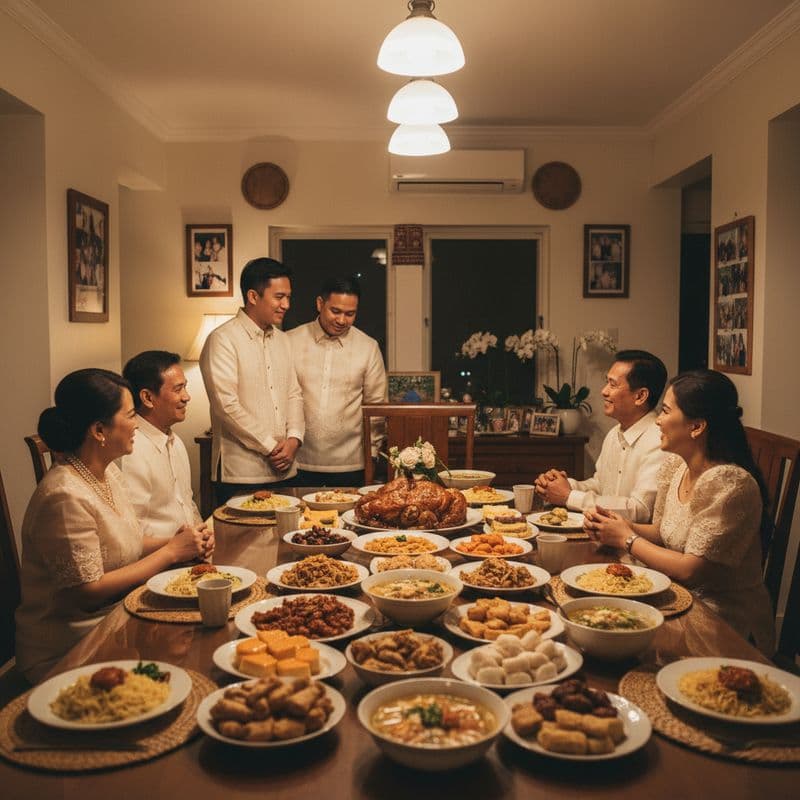
Before the venue gets booked, before the budget spreadsheet opens, even before the ring — there's pamamanhikan. This is the formal meeting where the groom and his family visit the bride's family to ask for her hand in marriage. It sounds old-fashioned, and well, it is. But that's the point.
Think of it as part proposal, part family merger. The groom's family brings food, presents their intentions, and both families discuss the wedding ahead. It's respectful, it's nerve-wracking, and it sets the tone for everything that follows. Some modern couples skip this, but honestly? The families who keep this tradition often find it brings everyone closer before the chaos of planning even starts.
The Ceremony: Candles, Coins, Cord, and Veil
With roughly 80% of Filipinos being Catholic, most Filipino weddings happen in a church — and the ceremony is packed with symbolism that goes way beyond your standard vows. Four rituals stand out, and they're usually performed in sequence.
The Candle. Two sponsors light candles — one for each family. The flame represents the light of Christ guiding the couple. Simple, powerful, and a beautiful photo moment.
The Veil. This one gets people. A large white veil is draped over the groom's shoulder and the bride's head, binding them together as one. It's not the bridal veil — it's a separate, larger cloth that physically connects the couple during the ceremony. You're quite literally under the same covering.
The Cord (Yugal). A figure-eight-shaped cord is placed over the couple's shoulders in an infinity loop. The shape isn't random — it symbolizes a bond that never ends. Some cords are simple; others are ornate with beads, flowers, or even pearls woven in.
The Coins (Arrhae). The groom presents thirteen coins to the bride, blessed by the priest. Thirteen coins represent Jesus and the twelve apostles. The groom drops them into the bride's hands, symbolizing his commitment to provide for her and their future family. She returns them, promising mutual support. It's quick, it's quiet, and it carries centuries of meaning in a handful of metal.

Sponsors: The Village That Raises the Wedding
Filipino weddings don't just have bridesmaids and groomsmen. They have principal sponsors — ninongs and ninangs (godparents) who stand with the couple during the ceremony. These aren't random picks from your friend group. They're usually respected elders, mentors, or close family friends who will serve as the couple's advisors throughout their marriage.
A typical Filipino wedding might have six to twelve principal sponsors. Yes, twelve. That's a lot of VIP seating to arrange, which is exactly why tools like WedPlanner's seating arrangement feature exist — because figuring out where everyone sits when you've got that many sponsors, plus their families, plus your actual relatives? That's a puzzle worth solving digitally.

What You Wear Matters
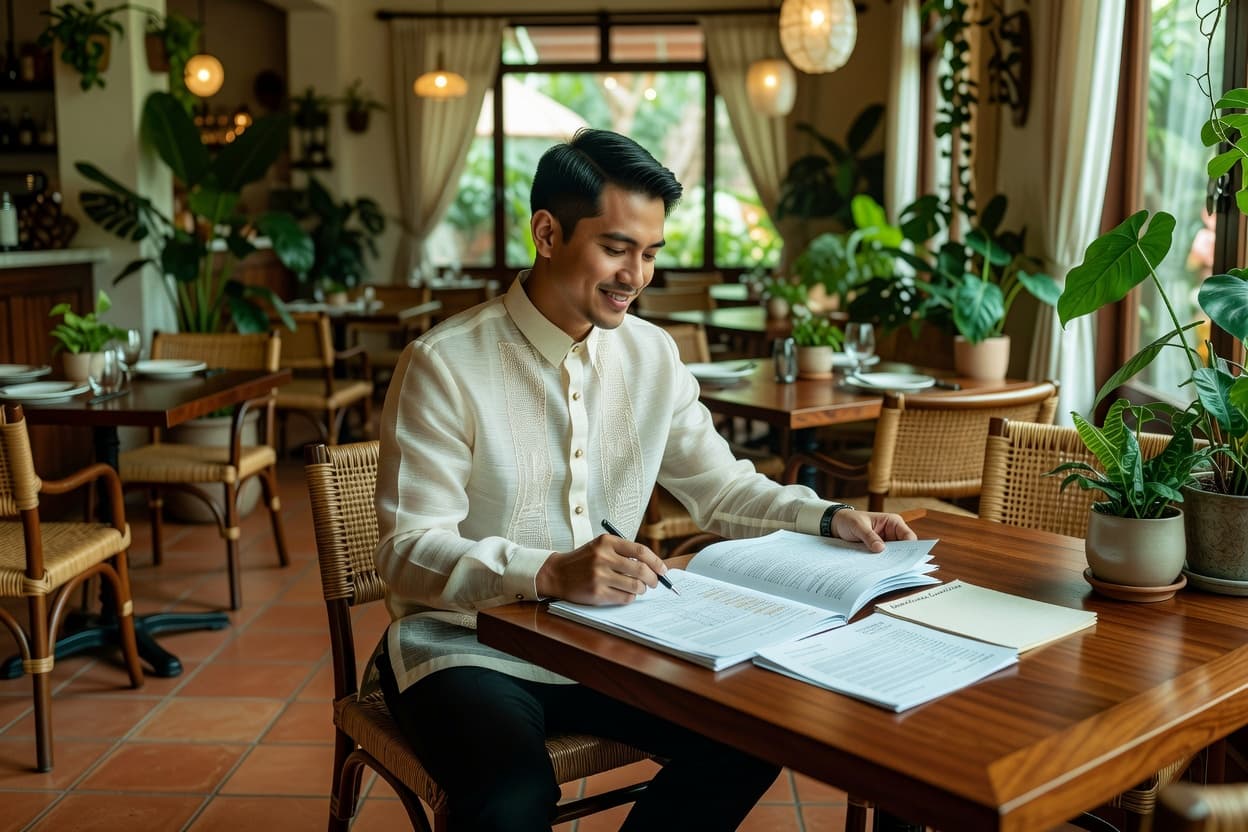
The Barong Tagalog isn't just a shirt — it's a statement. Made from pineapple fiber (piña), banana fiber (jusi), or modern blends, this sheer, embroidered formal wear is the groom's equivalent of a tuxedo. It's lightweight, which is practical when you're standing in a Philippine church in 32-degree heat.
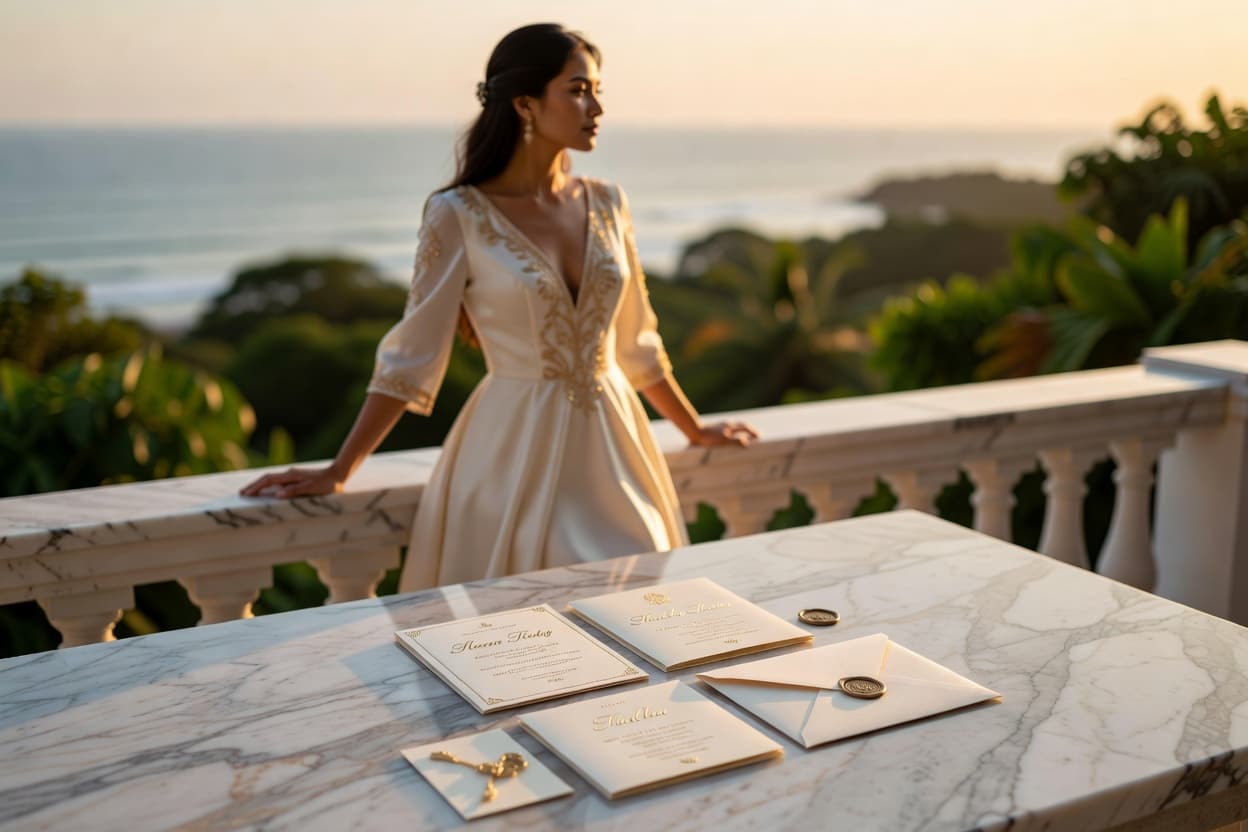
For the bride, the Filipiniana or Maria Clara gown offers a distinctly local alternative to the Western white dress. Butterfly sleeves, delicate embroidery, and a silhouette that nods to centuries of Filipino artistry. Some brides wear both — a Western gown for the ceremony and a Filipiniana for the reception. Why choose when you can have both?
The Reception: Where Things Get Loud
If the ceremony is solemn, the reception is its polar opposite. Filipino wedding receptions are loud, joyful, and famously long. And two traditions steal the show every time.
The Money Dance. Guests pin cash onto the couple's clothes while they dance. It's not tacky — it's community support, literally. The money helps the couple start their new life together. You'll see titos and titas lining up, some pinning crisp bills, others playfully making the couple work for it with extra-long dances. It's one of the most energetic, laughter-filled moments of the entire day.
The Food. No Filipino event is complete without a feast, and weddings take it to another level. Expect lechon (whole roasted pig) as the centerpiece, alongside pancit for long life, lumpia by the hundreds, and enough rice to feed a small barangay. The cocktail hour alone could be a full meal — and for Filipino-Chinese couples, you might even see noodles and dumplings joining the spread.

Making These Traditions Yours
Here's what nobody tells you: you don't have to do all of them. Some couples include every single ritual. Others pick the ones that resonate — maybe the cord and coins, but skip the money dance. Maybe pamamanhikan feels right, but a Western-style ceremony suits you better. There's no wrong answer.
What matters is intention. These traditions have survived because they carry meaning — about family, about faith, about the community that holds a couple up. Whether you're in Manila, Cebu, or planning a Filipino wedding from halfway across the world, these rituals connect you to something bigger than the day itself.
And if you're wondering how to keep all of it organized — the sponsors, the rituals, the reception timeline, the guest list that somehow hit 300 — WedPlanner.ph was built exactly for this. It's the first planning tool made for Filipino weddings, with templates that already account for traditions like pamamanhikan and the candle-cord-veil-coins sequence. Because planning your wedding should feel as joyful as the day itself.
Quick FAQ: Filipino Wedding Traditions
- What are the four main Filipino wedding ceremony rituals? The candle lighting, the draping of the veil, the placement of the yugal cord, and the exchange of arrhae (thirteen coins).
- What is the money dance? A reception tradition where guests pin money onto the couple while they dance, symbolizing financial support for their new life together.
- What is pamamanhikan? The formal visit where the groom's family asks the bride's family for her hand in marriage — a pre-wedding tradition that unites both families.
- How many sponsors does a Filipino wedding typically have? Usually six to twelve principal sponsors, who serve as the couple's godparents and lifelong advisors.
- What do the thirteen coins mean? They represent Jesus and the twelve apostles, symbolizing the groom's promise to provide and the couple's mutual commitment to support each other.