Your 12-Month Filipino Wedding Planning Timeline: From Pamamanhikan to the Big Day
By Shopify API
Your 12-Month Filipino Wedding Planning Timeline: From Pamamanhikan to the Big Day
So you just got engaged — congratulations! — and now you're staring at a blank notebook wondering where on earth to start. Take a breath. Planning a Filipino wedding is a beautiful, chaotic, deeply personal journey, and you've got twelve months to make it happen. Whether you're tying the knot in Manila, Cebu, or somewhere overseas with all your relatives watching via livestream, this timeline will walk you through every major milestone. And honestly? It's not as overwhelming as it looks when you break it down month by month.
Month 12: Set the Foundation (And Tell the Family)
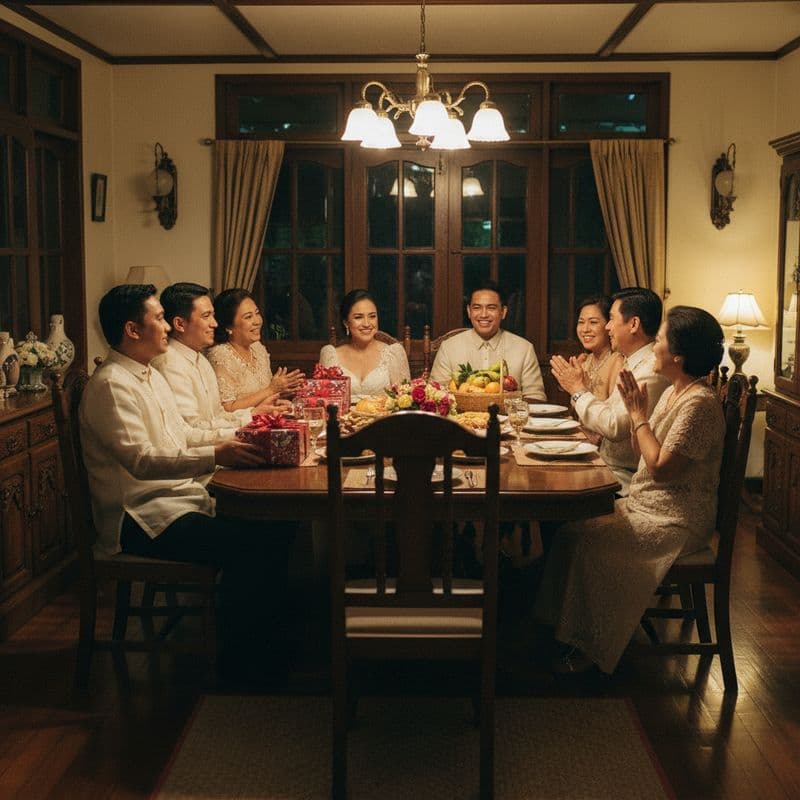
Before you pick a single color swatch, sit down with your families. Filipino weddings aren't just about two people — they're a union of clans. This is where pamamanhikan comes in: the groom's family formally visits the bride's family to ask for her hand in marriage. It's part tradition, part diplomacy, and entirely meaningful. Use this meeting to discuss expectations, budget contributions, and the overall vision.
After that heart-to-heart, start building your wedding budget. Filipino weddings tend to run larger than you'd expect — 200 guests is considered "intimate" — so knowing your numbers early saves headaches later. Open a dedicated budget tracker and be honest about what you can afford.
Month 11: Lock In the Big Three — Date, Church, Venue
Popular churches in the Philippines book out fast, especially for Saturday afternoons. If you're getting married in a major city like Manila or Cebu, reserve your church now — seriously, don't wait. The same goes for your reception venue. Whether you're eyeing a garden in Tagaytay or a ballroom in Makati, prime spots disappear quickly.
Once you have your date and venue secured, start listing your principal sponsors. These are your wedding godparents — usually respected elders, bosses, or family friends — and their names will appear on your invitation and be part of the ceremony. Choose wisely, and ask them early. It's an honor they take seriously.
Month 10: Build Your Guest List (Yes, It'll Change)
Here's the thing about Filipino guest lists: they grow. Your mom will add titas you haven't seen since you were five. Your lola will insist on inviting the entire neighborhood. Start with your ideal list, then brace yourself for revisions. A guest management tool helps you track RSVPs, dietary needs, and seating — because wrangling 300+ guests in a spreadsheet is a recipe for madness.

Month 9: Choose Your Entourage and Vendors
Time to assemble your crew. Filipino wedding entourages are sizeable — you'll have bridesmaids, groomsmen, secondary sponsors (candle, veil, and cord bearers), a Bible bearer, coin bearer, flower girls, and page boys. That's a lot of roles to fill, so start asking people now.
Simultaneously, book your key vendors: photographer, videographer, caterer, and florist. The best ones get snatched up quickly, especially during peak wedding months (December and January are huge in the Philippines). Browse through a vendor directory to compare options and read reviews.
Month 8: The Dress, the Suit, and the Theme
Bride, start gown hunting. Custom Filipiniana-inspired gowns or modern interpretations of the traditional barong — whatever your style, give your designer enough lead time. Grooms, this goes for you too. A well-fitted barong Tagalog takes weeks to embroider.
Finalize your wedding motif and theme. Whether you're going for tropical garden chic or elegant ballroom formality, your colors and vibe will drive every other design decision from this point forward.

Month 7: Invitations, Save-the-Dates, and Pre-Wedding Requirements
Send save-the-date cards, especially if you have guests flying in from abroad. Then start working on your formal invitations — Filipino wedding invitations often include the names of both sets of parents and principal sponsors, so design accordingly.
On the legal side, begin your pre-Cana seminar and marriage counseling requirements. Most Philippine churches require you to complete these before they'll let you anywhere near the altar. Gather your documents too: birth certificates, baptismal and confirmation certificates, and your marriage license application.
Month 6: Halfway There — Details Start Getting Real
Six months out, and the picture's coming together. Book your hair and makeup team, finalize your catering menu (lechon is non-negotiable for many families — just saying), and start planning your day-of timeline. This is also a good time to book your honeymoon if you haven't already.
Month 5: Rings, Readings, and Rehearsal Plans
Order your wedding rings — custom designs need time. Choose your ceremony readings and music. If you're having a full Catholic Mass, coordinate the liturgy details with your officiant. Plan your rehearsal dinner, which in Filipino culture often doubles as the despedida de soltera — a farewell-to-singlehood party hosted by the bride's family.
Month 4: Final Fittings and Follow-Ups
First dress fitting. Check in with all your vendors. Confirm delivery timelines for flowers, cake, and rentals. This is also when you should finalize your seating arrangement — a puzzle that requires patience, diplomacy, and maybe a little help from a seating arrangement tool.

Month 3: The Home Stretch Begins
Finalize your entourage's outfits. Confirm all vendor contracts and payment schedules. Send out remaining invitations. Start writing your vows if you're doing personalized ones. And if you're planning a prenup shoot (which has become almost mandatory in Filipino wedding culture), make sure that's scheduled and styled.
Month 2: Despedida, Rehearsal, and Last Details
Host or attend your despedida de soltera — this send-off party is a cherished Filipino tradition where the bride's family celebrates her transition. Finalize the ceremony program. Do your rehearsal with the entire entourage. Confirm head counts with your caterer. Every detail matters now.
Month 1: Breathe, Finalize, and Enjoy
Last dress fitting. Final hair and makeup trial. Prepare your arrhae (the 13 coins symbolizing prosperity), cord, and veil for the ceremony. Pack for the honeymoon. Distribute your day-of timeline to your coordinators and bridal party. And then? Let go. You've planned beautifully. Trust the process, trust your team, and get ready to celebrate with the people who matter most.
Planning a Filipino wedding is no small feat — but with the right timeline and tools, it becomes a journey you'll actually enjoy. Ready to get started? Create your free wedding plan on WedPlanner.ph and take it one month at a time.