How to Plan a Filipino Wedding on a 100K PHP Budget | WedPlanner
By WedPlanner Team
A practical guide to planning a beautiful Filipino wedding on a ₱100,000 budget — covering venue, catering, attire, traditions, and money-saving tips that actually work.
How to Plan a Filipino Wedding on a 100K PHP Budget: Your Wedding Budget Philippines Guide
Yes, kayang-kaya — if you're smart about it.
Let's be honest: planning a kasal in the Philippines can feel overwhelming, especially on a limited budget. Between pressure from family, the expectations of ninongs and ninangs, and Pinterest telling you that you need a flower wall and a live band — it's easy to feel like you're falling short before you've even started.
But here's the truth: a beautiful, meaningful wedding doesn't have to cost half a million pesos. With a clear wedding budget Philippines strategy, you can celebrate with the people who matter most — without starting your marriage in debt.
This guide breaks down exactly how to make a ₱100,000 budget work for a Filipino wedding, covering everything from venue and catering to attire, Filipino wedding traditions, and money-saving tips that don't sacrifice the experience. Kasal na kasal — let's make it happen.
Your 100K PHP Wedding Budget Philippines Breakdown
Before diving into tips, let's look at where your money goes. This is a realistic, itemized allocation for a wedding with approximately 50–80 guests — a small-to-medium gathering by Filipino standards (and yes, we know that's already a compromise when your mom wants to invite her entire office).
| Category | Allocation (₱) | Notes |
|---|---|---|
| Venue (reception + ceremony) | ₱15,000–₱20,000 | LGU halls, restaurant function rooms, or church grounds |
| Catering (50 pax × ₱350–₱450/head) | ₱20,000–₱25,000 | Mid-range caterer, 4–5 course meal |
| Wedding Attire (bride + groom) | ₱10,000–₱15,000 | Rented gown + barong, or Filipiniana ensemble |
| Ceremony Essentials | ₱5,000–₱8,000 | Church fee, marriage license, officiant honorarium |
| Flowers and Decor | ₱8,000–₱12,000 | DIY plus local flowers (sampaguita, mums, roses) |
| Photo and Video | ₱8,000–₱12,000 | Emerging photographer, 4–6 hours coverage |
| Invitations and Souvenirs | ₱3,000–₱5,000 | Digital invites via WedPlanner plus DIY souvenirs |
| Ninong/Ninang Gifts plus Arrhae/Cord/Veil | ₱5,000–₱8,000 | Token gifts, ceremonial items from Divisoria or local |
| Music/Entertainment | ₱3,000–₱5,000 | Acoustic duo or friend with a playlist and speakers |
| Miscellaneous / Contingency | ₱5,000–₱10,000 | Always set aside extra — you'll need it |
| Total | ₱82,000–₱120,000 | Flexible depending on choices |
The beauty of this breakdown is its flexibility. Score a cheaper venue? Reallocate to catering or a better photographer. If your ninang offers to sponsor your flowers (a common Filipino tradition — salamat, Ninang!), you've freed up ₱10,000.
Venue: Smart Wedding Budget Philippines Tips for Finding the Right Place
Your venue sets the tone for the entire wedding, but it doesn't have to be a five-star hotel ballroom. Some of the most memorable Filipino weddings happen in places that cost a fraction of what hotels charge.
Go Local: LGU Halls and Community Centers
Many cities and municipalities have barangay halls, covered courts, and community centers for rent at ₱3,000–₱8,000 per day. With the right decor — string lights, drapes, and local flowers — they transform beautifully. In the province, municipal and parish halls often rent for ₱2,000–₱5,000.
Restaurant Function Rooms
Many mid-range restaurants in Metro Manila, Cebu, and Davao offer private function rooms at no rental fee — you simply pay for the food. This is one of the smartest wedding budget Philippines moves: you combine venue and catering into one line item. Look for set menus at ₱400–₱600 per head.
Church Grounds and Province Weddings
If you're having a church wedding, ask whether the church has a garden or reception area. Many parishes outside Metro Manila have open grounds for a minimal donation (₱3,000–₱7,000). And if you have family in the province, consider having the wedding there — venue, catering, and attire are typically 30–50% cheaper outside Metro Manila. A ₱100,000 budget stretches much further in Batangas, Iloilo, Pampanga, or Cagayan de Oro than in Makati or BGC.
Catering: Feeding Your Guests Well for Less
Food is the heart of any Filipino celebration. Hindi pwedeng walang pagkain — your guests will remember whether they ate well, not whether the napkins were monogrammed.
Per-Head Catering: Know Your Numbers
The average catering price ranges from ₱350–₱650 per head for mid-range caterers. At ₱100,000 total, be strategic:
- 50 guests × ₱450/head = ₱22,500 (comfortable)
- 80 guests × ₱350/head = ₱28,000 (doable)
- 100 guests × ₱350/head = ₱35,000 (eats into your budget fast)
Your guest count is the single biggest lever in your budget. In Filipino culture, where family extends to third cousins and your parents' friends expect invitations, trimming the list is emotionally difficult. But every guest you remove saves you ₱350–₱450 — in food, souvenirs, chairs, tables, and space.
Potluck-Style Reception: A Growing Trend
More couples are embracing potluck-style receptions for intimate weddings. Assign dishes to close family — your tita makes her lengua, your mom handles the lechon, your best friend brings dessert. It's budget-friendly and makes the reception feel like a true family celebration. Just coordinate the menu so you don't end up with five versions of pancit.
Choose Local Dishes Over Western Menus
A Filipino menu — lechon, lumpiang shanghai, pancit, adobo, kare-kare — is crowd-pleasing and often cheaper than Western plated dinners. Family-style serving feels more salo-salo and requires fewer staff, reducing service charges.
Wedding Attire: Look Stunning Without the Price Tag
You want to look amazing on your wedding day. Good news: you don't need a ₱50,000 designer gown.
Renting vs. Buying
Rental gowns range from ₱3,000–₱8,000, with many bridal salons in Metro Manila, Cebu, and online offering beautiful options. Buying off-the-rack from Divisoria or Quiapo costs ₱5,000–₱12,000 — still a fraction of custom designer pieces.
For the groom, a rented barong tagalog costs ₱2,000–₱5,000. Ready-to-wear barongs from Kultura or local tailors range from ₱2,500–₱6,000. Want a Filipiniana theme? A Filipiniana dress (modern kimona or traje de mestiza) can be commissioned from local seamstresses for ₱4,000–₱8,000 — a stunning cultural statement.
Styling on a Budget
- Alter, don't custom-make. A well-altered RTW gown looks just as beautiful as a custom piece.
- Borrow accessories. Your mom's pearls or grandmother's earrings carry more sentiment than anything new.
- Skip the veil and train. A fresh flower crown (sampaguita or roses) costs ₱500–₱1,500 and looks effortlessly elegant.
- Outfit the entourage simply. Ask your abay to wear coordinated colors they already own, or source fabric together from Divisoria.
Filipino Wedding Traditions on a Budget
One of the most beautiful things about a Filipino wedding is the richness of tradition. The good news? Most of these traditions don't require a lot of money — they require meaning.
Pamamanhikan
The pamamanhikan — the formal asking of the bride's family's blessing by the groom's family — costs nothing but a meal. Host it at home, cook together, and keep it intimate. This is about respect and family connection, not impressing anyone with a catered event. A simple home-cooked dinner with your closest family members is perfectly appropriate.
Ninongs and Ninangs
Choosing your ninongs and ninangs (principal sponsors) is both an honor and a responsibility. On a tight budget, you don't need to give extravagant gifts. A simple, heartfelt token — a personalized frame, a small gift basket, or even a handwritten letter paired with a local delicacy — is enough. Budget ₱200–₱500 per sponsor gift. What matters is the respect you show them, not the price tag.
Cord, Veil, and Arrhae Ceremony
The wedding cord, veil, and arrhae (coins) are deeply symbolic Filipino wedding traditions. You don't need to spend much:
- Arrhae: A simple set of 13 coins (₱500–₱1,500) from a local jewelry maker, or even heirloom coins from family.
- Cord and veil: Purchase from Divisoria or online wedding supply stores for ₱300–₱800. Some churches even provide these for use during the ceremony.
- Cord and veil sponsors can be close relatives — no gift required beyond the honor of participating.
Sabitan and Secondary Sponsors
The sabitan (sponsors pinning decorative items on the couple) can be done with affordable ribbons or handmade fabric corsages. Secondary sponsors for candle, cord, and veil just need to be present and willing — coordinate colors and let them wear their own clothes.
Money-Saving Tips Without Sacrificing the Experience
Here's where the real magic happens — the small decisions that add up to big savings.
1. Choose an Off-Peak Date
Wedding season peaks from December to February and again in May and June. Venues and vendors charge premium rates during these months. Consider a weekday wedding or a date in the rainy season (July–September, but check weather patterns for your area). Vendors are more flexible with pricing during off-peak months.
2. DIY Decor with Local Flowers
Skip imported peonies. Local Philippine flowers — sampaguita, gerbera daisies, chrysanthemums, and local roses — are significantly cheaper and just as beautiful. Buy from Dangwa (Baguio) or your local wet market. A DIY bouquet costs ₱300–₱800, compared to ₱2,000–₱5,000 for a florist's arrangement.
For centerpieces, use mason jars, wine bottles, or rented vases with candles and greenery. String lights (₱500–₱1,500) create instant ambiance for evening receptions.
3. Digital Invitations
Paper invitations are expensive — ₱150–₱300 per piece, which adds up fast for 80 guests. Use WedPlanner's free wedding website to send digital invitations and collect RSVPs online. Not only does this save you ₱12,000–₱24,000, but it also makes tracking responses so much easier. Your guests can RSVP from their phones, and you'll get real-time head counts for your caterer.
4. Lean on Your Village
Filipino culture is community-driven. Use that:
- Have a friend who's good with a camera? Ask them to be your photographer (or hire a student photographer at a reduced rate).
- Know someone who plays guitar? An acoustic set during the ceremony costs a fraction of a live band.
- Tita who loves crafting? Enlist her for DIY decor sessions.
Hindi mo kailangan gawin mag-isa. Let people help — it makes them feel involved and makes your wedding a true community effort.
5. Skip the Extras You Don't Need
- Photobooth: ₱5,000–₱8,000 saved. Set up a DIY photo corner instead.
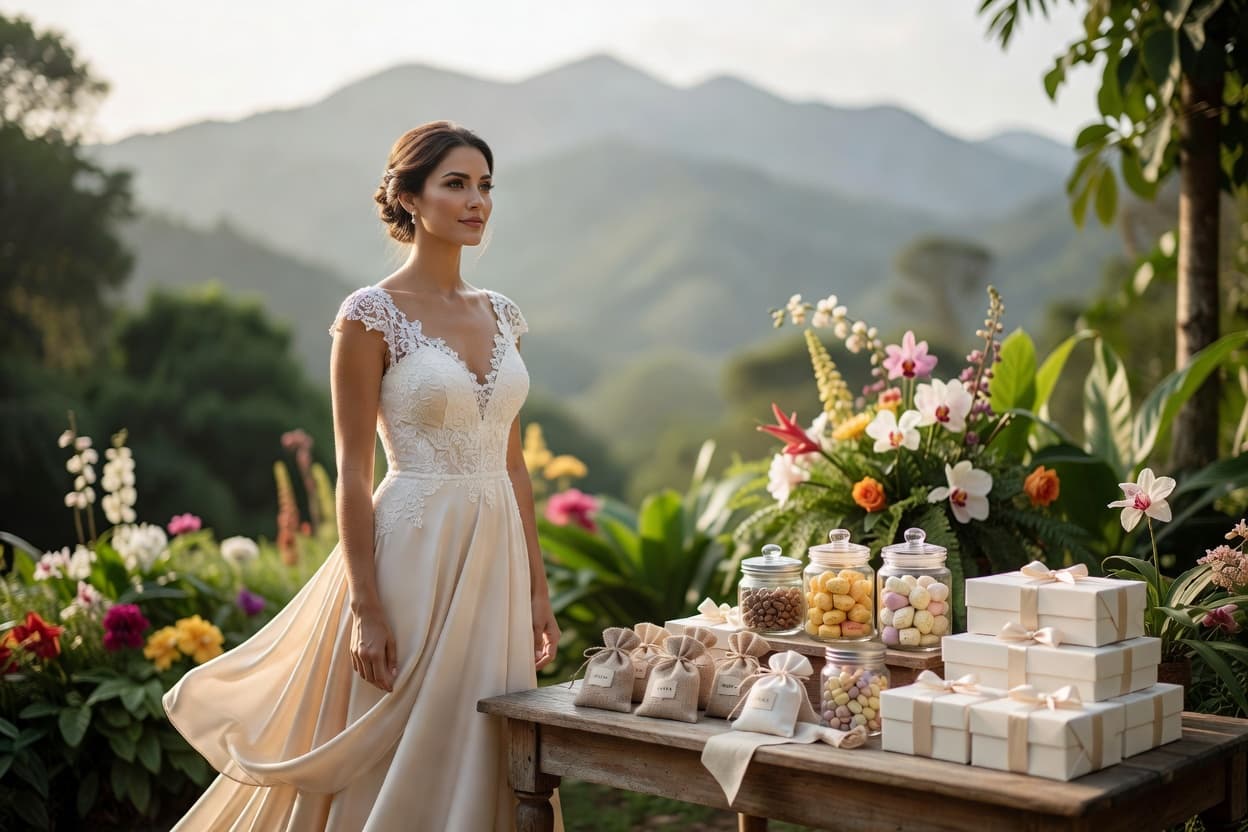
- Expensive favors: Mini jars of local treats (polvoron, pastillas, dried mangoes) cost ₱20–₱40 each and feel personal.
- Video montage on huge screens: A simple slideshow on a borrowed laptop works just fine.
Track Every Peso: Wedding Planning Philippines Tools That Help
The most important tool for staying within your wedding budget Philippines plan is a system that tracks your spending in real time. It's easy to lose track of ₱2,000 here and ₱3,000 there — and before you know it, you're ₱20,000 over budget.
WedPlanner's budget tracking feature lets you itemize every expense, set limits per category, and see exactly where your money is going. Whether it's your venue deposit, caterer down payment, or last-minute ribbon for your cord ceremony, you'll know your numbers at every step.
Ready to take control of your wedding budget? Start planning with WedPlanner's Budget Tracker — it's free and built for Filipino couples like you.
Final Thoughts: It's About the Kasal, Not the Costs
Your wedding is about two families celebrating your love. The flowers will wilt, the food will be eaten — but the marriage? Yun ang tatagal.
A ₱100,000 wedding budget is absolutely doable. It requires honesty about what matters most, creativity in sourcing, and the willingness to say "no" to things that don't serve your vision.
Remember: the most beautiful Filipino weddings aren't the ones that cost the most — they're the ones that feel most totoo. Authentic. Warm. Full of the people who actually matter.
So take a deep breath. Open your WedPlanner budget tracker. Start with your numbers. And build a wedding day that's beautiful, meaningful, and — most importantly — kayang-kaya.