The Day-After Wedding Checklist: What Filipino Couples Forget to Do
By WedPlanner Team
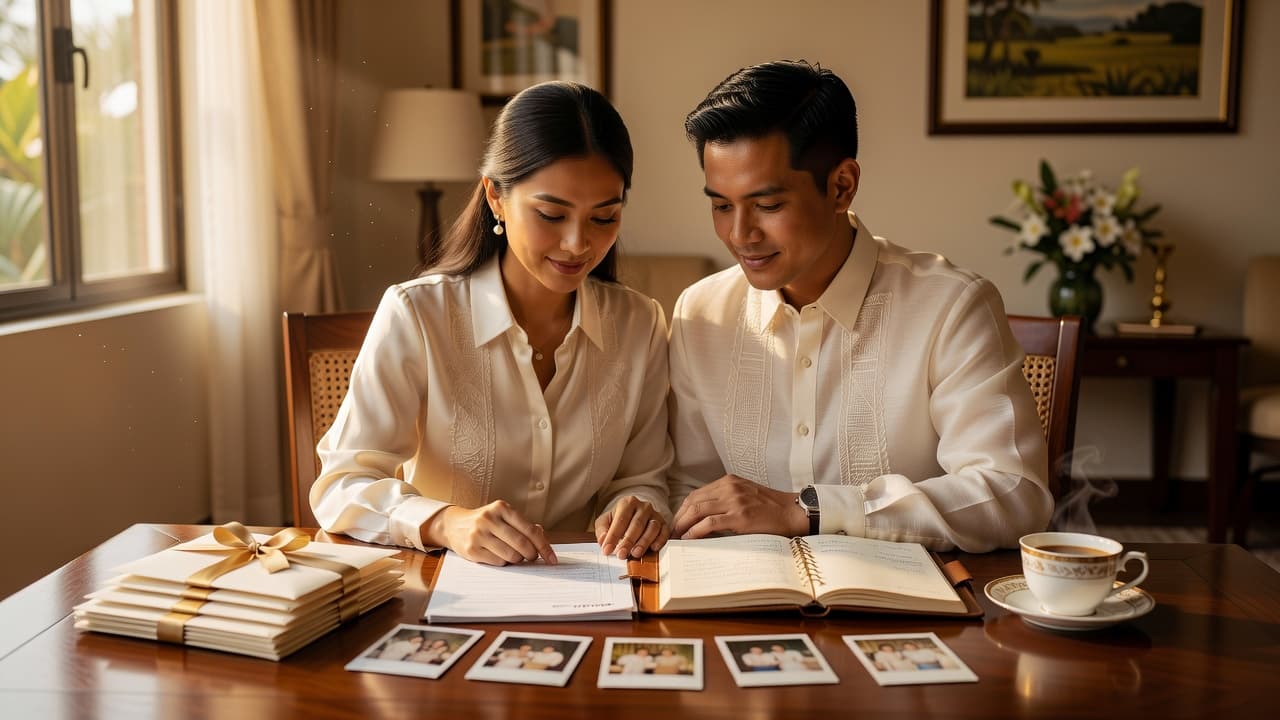
Filipino couples often overlook crucial post-wedding tasks after the celebration ends. This comprehensive wedding checklist Philippines guide covers the 5 most forgotten day-after essentials: PSA marriage certificates, thank-you cards, name changes, gown preservation, and photo archiving — with practical local advice.
The Day-After Wedding Checklist: What Filipino Couples Forget to Do
Quick Answer: Filipino couples should prioritize five key post-wedding tasks within days of their celebration: securing their PSA marriage certificate, sending thank-you cards, processing legal name changes, preserving their wedding gown, and organizing photo archives. These tasks ensure legal compliance, maintain relationships, and preserve memories for years to come.
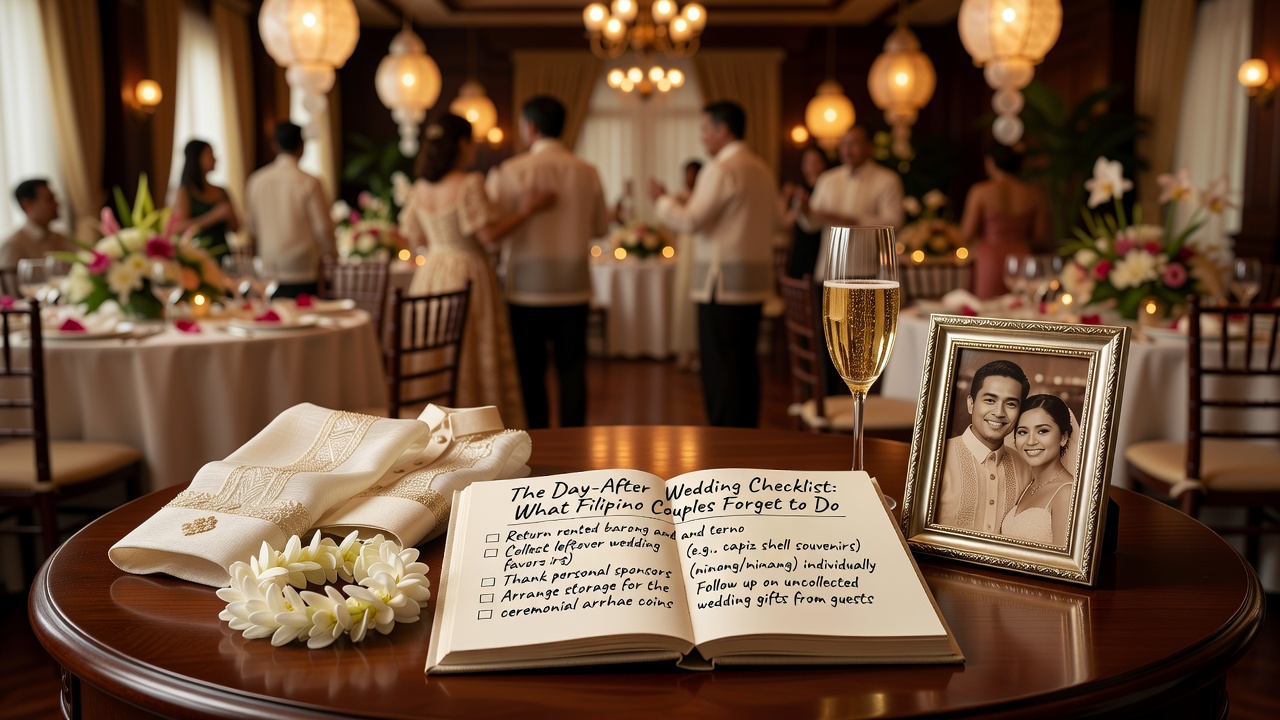
Introduction
The confetti has settled. The last guest has gone home. You're finally married — but the work isn't quite over yet.
For many Filipino couples, the day after the wedding feels like a dream ending. After months of planning the perfect celebration, there's a natural urge to collapse and simply enjoy being newlyweds. But here's the truth: some of the most important wedding-related tasks happen after the big day, and putting them off can lead to headaches, extra costs, or even legal complications down the road.
In the Philippines, post-wedding tasks come with unique local considerations — from navigating PSA (Philippine Statistics Authority) procedures to finding trusted gown preservation services in your city. This wedding checklist Philippines guide covers the five most commonly forgotten day-after tasks, with practical, culturally-relevant advice to help you transition smoothly from wedding planning to married life.
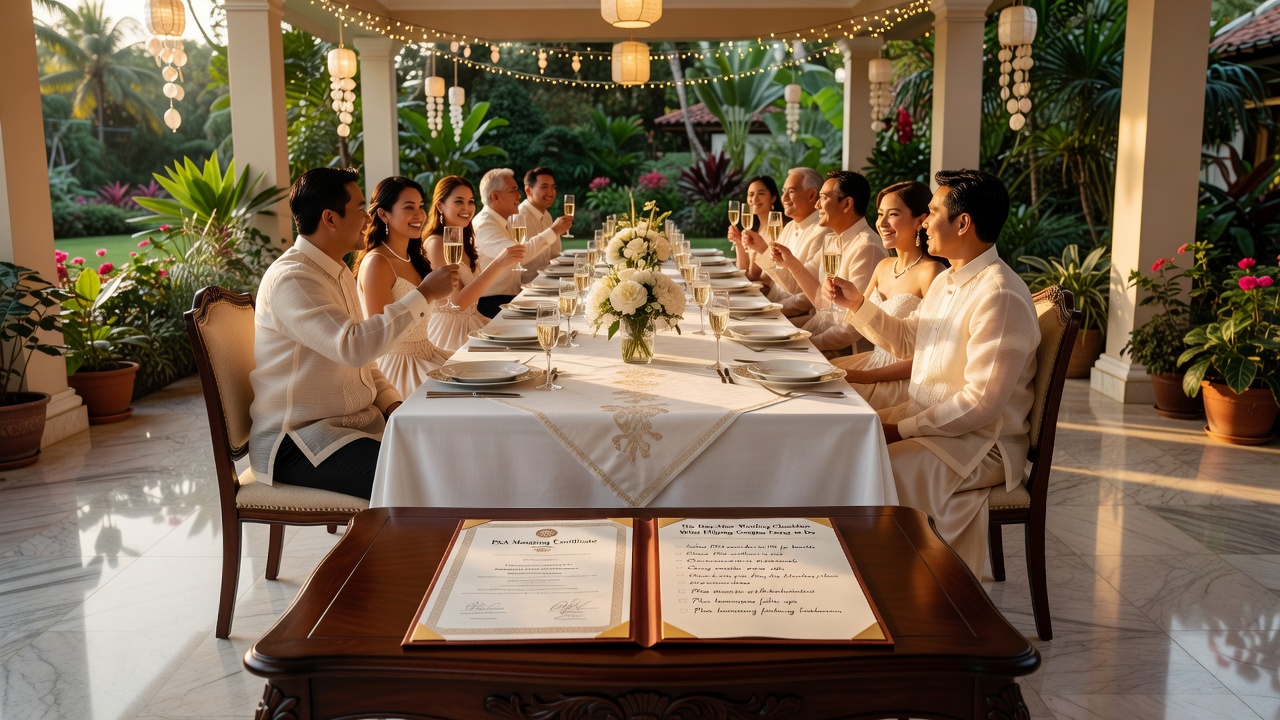
1. Secure Your PSA Marriage Certificate
Your marriage contract from the ceremony is just the beginning. The official PSA marriage certificate is what makes your union legally recognized for banking, insurance, property transactions, and visa applications.
Why This Matters
Without a PSA-certified marriage certificate, you cannot:
- Update your civil status with government agencies
- File joint tax returns or claim dependent benefits
- Apply for spousal visas or immigration benefits
- Make medical decisions for your spouse in emergencies
The Philippine Process: Step-by-Step
Step 1: Your officiant submits the marriage contract to the Local Civil Registrar (LCR) within 15 days of the ceremony.
Step 2: The LCR forwards records to the PSA for annotation and certification.
Step 3: Wait 2–6 months for PSA processing (timeline varies by municipality).
Step 4: Request your PSA marriage certificate online at PSASerbilis.com.ph or visit a PSA CRS outlet.
Pro tip: Request 3–4 certified copies. You'll need them for SSS, PhilHealth, passport updates, and bank accounts.
Common Mistakes to Avoid
- Assuming the marriage contract from the ceremony is sufficient
- Waiting too long to follow up (delays happen at LCR level)
- Not checking if your officiant actually submitted the documents
2. Send Thank-You Cards (Yes, Really)
In Filipino culture, utang na loob (debt of gratitude) runs deep. Wedding guests often travel from provinces, take time off work, and give generous monetary gifts (ampao). A heartfelt thank-you card isn't just polite — it's culturally expected.
The Filipino Thank-You Timeline
Ideal: Within 2–3 weeks of the wedding
Acceptable: Within 2 months
Beyond 3 months: Guests may notice, and it reflects poorly on the couple's pakikisama (social reciprocity).
What to Write
Personalize each card by mentioning:
- The specific gift received (especially for cash gifts, note the amount)
- A memory from the wedding involving that guest
- How you plan to use the gift
Sample template:
"Dear Tita Baby, thank you so much for your generous gift and for traveling all the way from Batangas to celebrate with us. Your presence meant the world to us, and your advice during the reception made our night even more special. We plan to use your gift toward our new home fund. Salamat po, at sana makita-kita pa tayo soon!"
Practical Tips
- Assign someone to record gifts during the reception (usually a family member)
- Order cards from local suppliers like Printsonalities or The Paperden
- Handwritten notes beat printed templates — guests can tell the difference
3. Process Legal Name Changes
For Filipina brides taking their husband's surname — or couples choosing a hyphenated name — the name change process involves multiple government agencies and can take 6–12 months to complete fully.
Priority Agencies (In Order)
1. Passport (DFA): Most urgent if you travel for work or honeymoon. Requires PSA marriage certificate + valid ID.
2. Social Security System (SSS): Update your civil status and name for contribution records and benefits.
3. Bureau of Internal Revenue (BIR): Update your TIN records to avoid tax filing issues.
4. PhilHealth: Add spouse as dependent for health benefits.
5. Driver's License (LTO): Not mandatory but recommended for ID consistency.
6. Bank Accounts & Insurance: Contact each institution directly — requirements vary.
Practical Advice for Filipino Brides
- Keep photocopies of your PSA marriage certificate and old IDs in a dedicated folder
- Many agencies now accept online appointments — book early
- If your maiden name appears on property titles or contracts, consult a lawyer about whether to update
Important Cultural Note
In the Philippines, taking a husband's surname is traditional but not legally required. Many professional women keep their maiden name for career continuity. Do what feels right for you — there's no wrong choice, but make it deliberately.
4. Preserve Your Wedding Gown
The Philippines' tropical climate — heat, humidity, and frequent rain — makes gown preservation especially challenging. A gown left in a standard closet can yellow, mold, or deteriorate within months.
Why Professional Preservation Matters
Wedding gowns typically feature:
- Delicate fabrics (silk, lace, tulle) vulnerable to humidity
- Beading and embroidery that can oxidize or discolor
- Hidden stains (sweat, deodorant, champagne) that appear months later
Local Preservation Options
Metro Manila:
- Miele Philippines — offers specialized bridal gown cleaning and preservation boxes
- Preservations by M — known for museum-quality storage techniques
- Bridal salons — many (like Veluz, Francis Libiran) offer post-wedding cleaning services
Provincial alternatives:
- Contact your bridal boutique — many partner with courier services for Manila-based cleaning
- Look for dry cleaners specializing in delikadong tela (delicate fabrics)
- DIY preservation kits available online (less ideal but budget-friendly)
The Preservation Process
Step 1: Have the gown professionally cleaned within 2–4 weeks (stains set over time).
Step 2: Choose acid-free tissue and a preservation box (not plastic — it traps moisture).
Step 3: Store in a cool, dry place away from direct sunlight.
Step 4: Check annually for discoloration or mold.
Cost Expectations
Professional preservation in the Philippines ranges from ₱3,500 to ₱15,000 depending on gown complexity and location. It's an investment, but so is your gown.
5. Organize Your Wedding Photos and Videos
Digital memories are surprisingly fragile. Hard drives fail. Cloud accounts get forgotten. File formats become obsolete. Without a deliberate archiving strategy, your wedding photos could become unrecoverable within a decade.
The 3-2-1 Backup Rule for Wedding Media
3 copies: Your wedding photos and videos should exist in three places.
2 different media types: For example, external hard drive + cloud storage.
1 offsite location: Cloud storage or a drive kept at a relative's home.
Practical Archiving Steps
Immediate (within 1 week):
- Download all files from your photographer's delivery platform
- Create a dedicated folder structure: "2026_Wedding_Raw," "2026_Wedding_Edited," "2026_Wedding_Video"
Within 1 month:
- Back up to an external hard drive (Western Digital and Seagate are reliable brands available in the Philippines)
- Upload to a cloud service (Google Drive, Dropbox, or iCloud)
- Share access with your spouse — both should have credentials
Ongoing:
- Print an album (physical albums survive technology changes)
- Review cloud backups annually
- Consider a private Instagram or shared Google Photos album for easy access
Finding the Right Photographer
If you're still planning your wedding, [Internal link: related article on choosing wedding photographers in the Philippines] can help you vet professionals who deliver organized, high-resolution files — not just social media previews.
Warning: Common Photo Archiving Mistakes
- Trusting only the photographer's cloud gallery (they may delete after 1–2 years)
- Storing only on social media (compression degrades quality)
- Never downloading the high-resolution originals
Key Takeaways
- PSA marriage certificate: Request 3–4 copies immediately upon availability — it's your legal foundation.
- Thank-you cards: Send within 2–3 weeks; personalize each one with specific gift mentions.
- Name changes: Prioritize passport, SSS, BIR, and PhilHealth updates in that order.
- Gown preservation: Clean within 2–4 weeks; store in acid-free materials away from humidity.
- Photo archiving: Follow the 3-2-1 backup rule — multiple copies, multiple locations, one offsite.
- Timeline matters: Most post-wedding tasks have optimal windows; delays cost time, money, or memories.
Frequently Asked Questions
How long does it take to get a PSA marriage certificate in the Philippines?
PSA marriage certificates typically take 2–6 months from the wedding date to become available. The officiant must first submit the marriage contract to the Local Civil Registrar, who then forwards it to the PSA for processing and annotation.
Do I need to change my last name after marriage in the Philippines?
No. Taking your husband's surname is traditional but not legally required. Many Filipino women keep their maiden name professionally while using their married name socially. The choice is personal and legally valid either way.
How much does wedding gown preservation cost in the Philippines?
Professional wedding gown preservation in the Philippines ranges from ₱3,500 to ₱15,000 depending on the gown's fabric complexity, beadwork, and your location. Metro Manila services typically charge more than provincial options.
When should I send wedding thank-you cards in Filipino culture?
Ideally within 2–3 weeks of the wedding, and no later than 2 months. Filipino wedding guests often travel far and give substantial gifts, making timely gratitude culturally important for maintaining utang na loob and pakikisama.
What happens if I don't preserve my wedding gown?
Without proper preservation, wedding gowns in the Philippines' humid climate can yellow, develop mold, or suffer fabric deterioration within months. Invisible stains from sweat, deodorant, or drinks oxidize over time and become permanent.
Can I back up my wedding photos on free cloud storage?
Yes, but don't rely solely on free tiers. Google Drive offers 15GB free (shared across Gmail, Drive, and Photos), while iCloud offers 5GB. For full wedding archives, consider paid plans or multiple free accounts to ensure adequate space.
Which government agencies should I update first after marriage?
Priority order: passport (DFA) if you travel, then SSS for benefits, BIR for taxes, PhilHealth for medical coverage, and finally LTO for driver's license. Each requires your PSA marriage certificate and valid IDs.
Is it okay to send digital thank-you cards instead of printed ones?
While acceptable for some guests, printed cards remain the Filipino cultural standard for weddings, especially for older relatives and those who traveled significant distances. A hybrid approach — printed for principal sponsors and elders, digital for peers — balances tradition with practicality.
Conclusion
The wedding day is just the beginning of your marriage — but the administrative and practical tasks that follow deserve attention too. Filipino couples who tackle these five post-wedding essentials early save themselves stress, preserve their memories, and honor the relationships and investments that made their celebration possible.
Start with your PSA marriage certificate (everything else flows from there), then work through thank-you cards, name changes, gown preservation, and photo archiving at a pace that feels manageable. Many of these tasks can be delegated to family members or handled online, so don't feel overwhelmed.
At WedPlanner PH, we believe great wedding planning doesn't end at the reception. Whether you're still choosing vendors or already sorting through honeymoon photos, [Internal link: related article on complete wedding planning timelines] can help you stay organized from engagement to anniversary.
Congratulations on your marriage. Now go enjoy it — but maybe send those thank-you cards first.