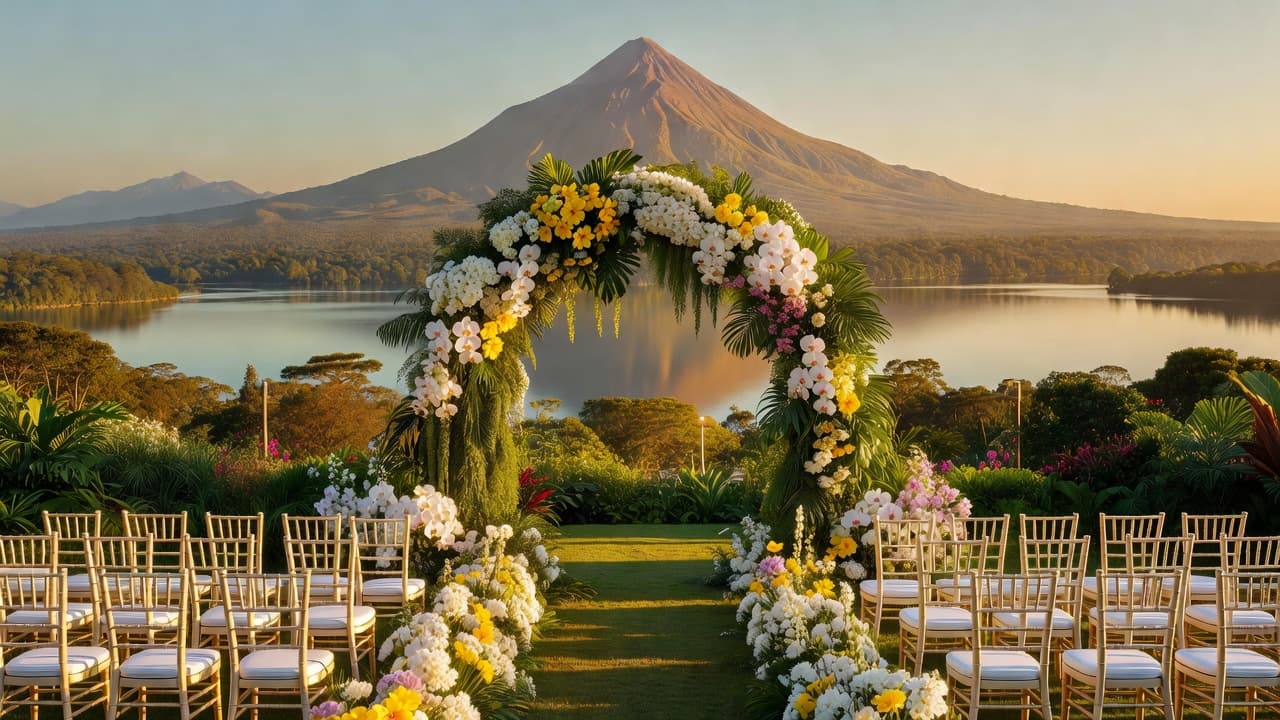
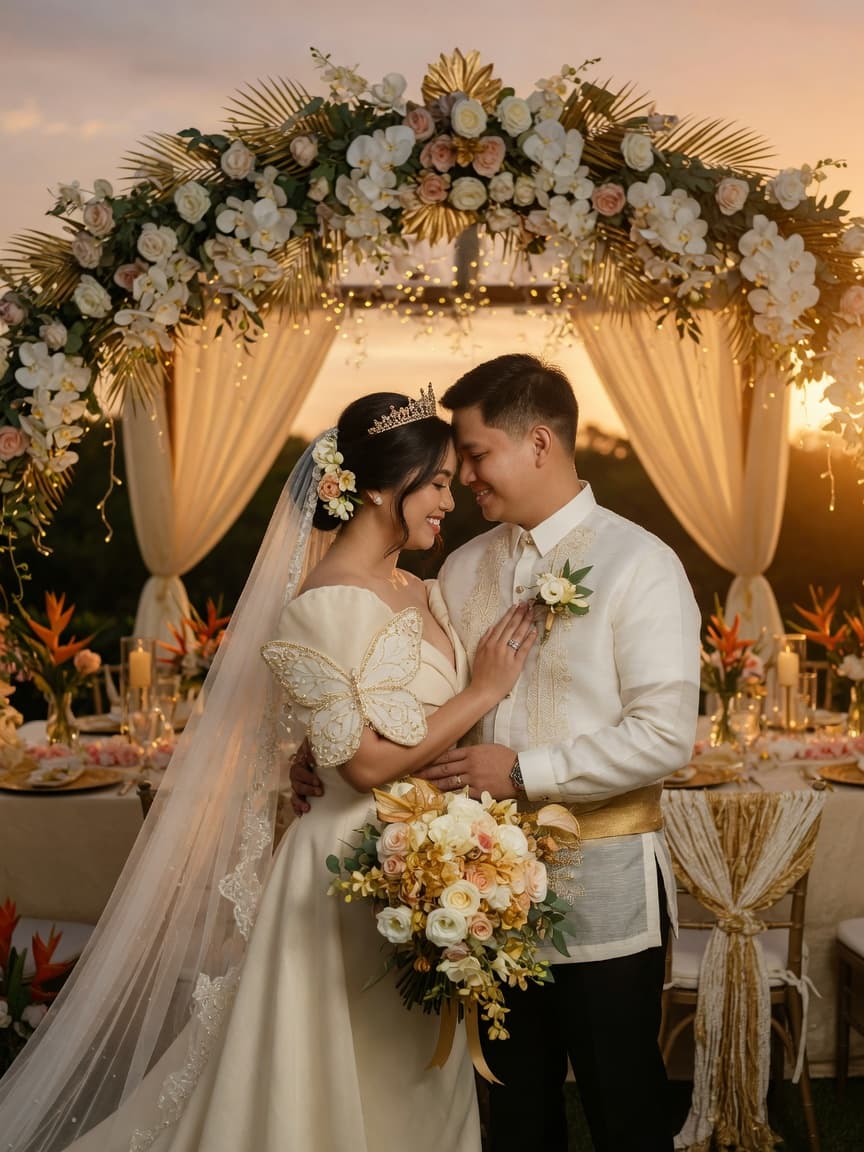
Tagaytay Wedding on a Budget (Taal View Guide)
By WedPlanner Team
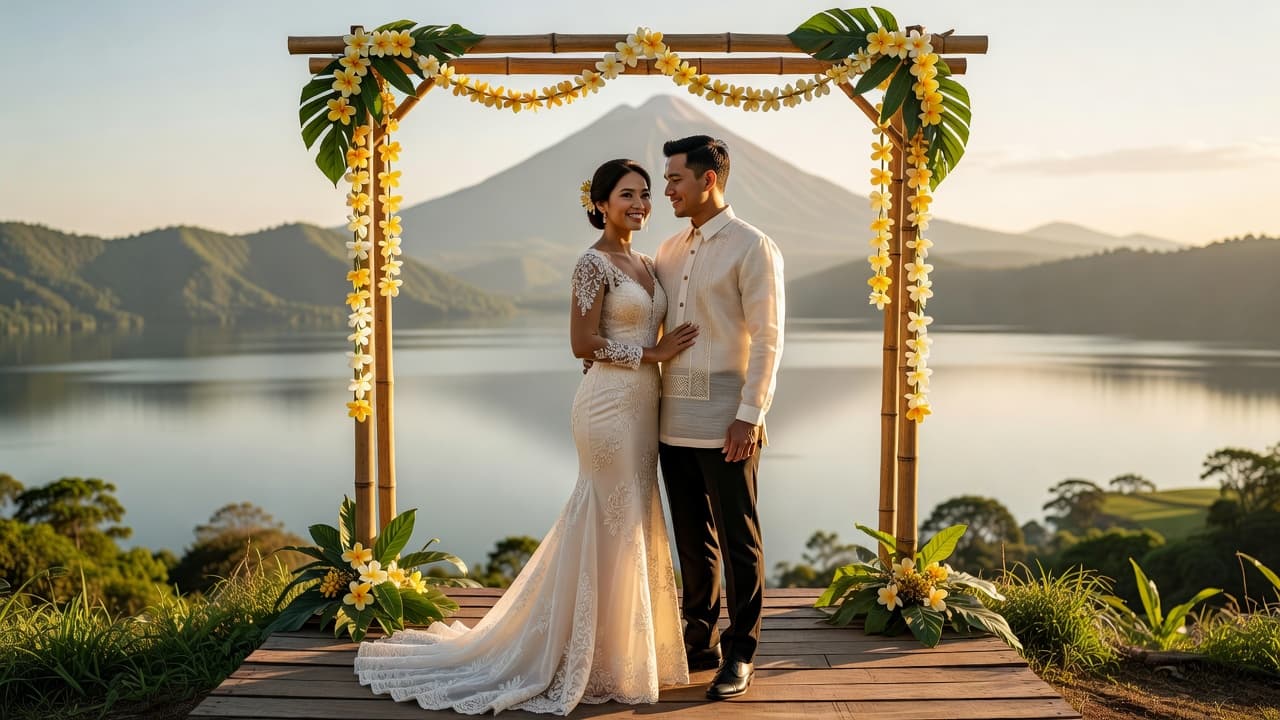
This budget-friendly Tagaytay wedding guide shows how to secure breathtaking Taal views without “breathtaking” prices—covering smart venue choices, off-peak timing, local catering, and guest transport from Metro Manila.
Tagaytay Wedding on a Budget: Taal Views Without the Breathtaking Bill
Quick Answer: A budget-friendly Tagaytay wedding is mostly about timing (choose off-peak days/months), venue strategy (Taal-view locations at the right price band), and local vendors (negotiate menus and package scope). For transportation, group your guests, plan meeting points, and use scheduled shuttles or pre-booked vans to cut stress and costs.

Introduction
If you’re dreaming of a Tagaytay wedding with Taal Lake views, you’ve probably discovered the catch: the “scenery premium.” The good news is that you can still build a breathtaking, photo-ready celebration without paying Manila-level markups. This guide is practical—focused on venues that don’t blow up your budget, off-peak seasons that lower costs, catering options that keep quality high, and logistics that help guests actually get there.
We’ll cover the decisions that usually move the budget the most, plus a few “small changes, big savings” tips that work especially well in Tagaytay’s wedding market.
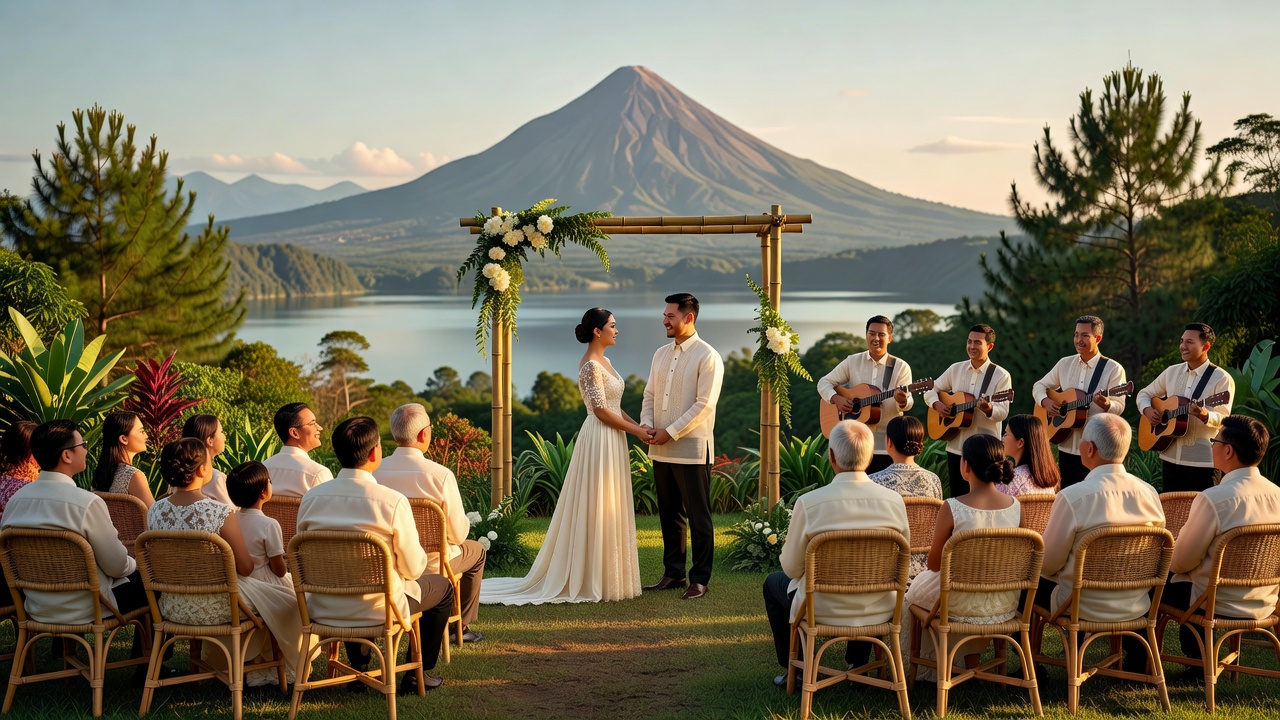
What makes a Tagaytay wedding budget-friendly?
Most wedding costs aren’t fixed—they’re negotiated. In Tagaytay, the biggest levers are:
- Day and season: pricing shifts based on demand (weekends, holidays, long weekends).
- Venue package scope: some venues bundle catering, events, tables/chairs, and staging; others charge separately.
- Menu design: “Manila-style” menus often cost more due to imported ingredients, complex plating, and staffing ratios. Simpler menus can still look elevated.
- Guest transportation: travel planning reduces delays, last-minute chaos, and some hidden costs (extra waiting time, multiple trips, overtime).
Featured snippet definition: Off-peak months are times when fewer events are booked because schools, holidays, and weather patterns reduce demand—so venues and suppliers are more likely to offer better rates.
Which affordable Tagaytay venues give you real Taal views?
A “budget venue” doesn’t always mean “no view.” It usually means choosing the right viewing angle, guest capacity band, and what’s included in the package.
Goal: maximize the number of guest photos that capture Taal Lake—without paying for peak-hour exclusivity.
1) Look for venues with “photo-first” vantage points
When budgets are tight, prioritize locations where:
- The ceremony or pre-event photos can be done at the best viewpoint.
- The reception area still gives partial skyline/lake visibility (even if it’s not a full panorama).
- Weather-proof options exist for indoor backup (so you don’t pay for emergency solutions).
Budget tip: Ask for a site plan showing where guests will naturally gather for photos—often the best “Taal view” is a short walk from the reception hall.
2) Choose the right package band (and negotiate what you can)
Venue pricing in Tagaytay can be structured in tiers. Compare packages by line item, not just the total.
Ask venues these budget questions:
- What’s included in the venue fee (tables/chairs, linens, stage, lights, sound, coordinator)?
- Is catering included or is it “venue-only”?
- Is there a minimum headcount or minimum spend that triggers higher cost?
- What are the extra hours or overtime charges if the program runs late?
Cost-saving idea: If a venue’s “all-in” package includes premium plating or higher-cost menu tiers, switch to a simpler menu and use your savings for better photo direction (linens, floral placement, or lighting).
3) Off-peak weekday options can unlock better view-to-cost ratios
Many couples assume they need a Saturday night. If your priority is the view, consider:
- Friday receptions (often cheaper and still “prime” for photos).
- Sunday mornings/afternoons depending on venue demand and church availability.
- Smaller guest counts at a viewpoint area that’s normally priced for larger weddings.
Even if the view is “slightly less panoramic,” a smart ceremony photo setup can still deliver the iconic Tagaytay look.
4) Consider “ceremony on the view deck, reception indoors” setups
This hybrid approach helps you control costs:
- You pay for the best scenery during the ceremony window.
- You reduce expensive outdoor staffing and weather risk during the long reception block.
- You keep the mood consistent with indoor warmth (great for photos during dinner speeches and dances).
Practical example: If your ceremony is 45–60 minutes and your reception is 4–5 hours, you’ll get high-impact view value without paying for the same premium for every hour.
When is the best (and cheapest) time for a Tagaytay wedding?
Off-peak timing is one of the most reliable ways to lower wedding costs in Tagaytay. Think of it as “demand pricing.” When fewer couples book, more flexibility appears.
Fast guidance (featured snippet): For budget savings, target non-holiday weekdays, the first/second half of months with fewer peak events, and avoid long weekends. Always confirm weather conditions and venue policies.
How to identify off-peak months without guesswork
Use a simple checklist when you contact venues and suppliers:
- Ask for pricing by date: “Do you have different rates for weekdays vs weekends?”
- Request a quote for two nearby weekends: if one date is priced lower, you’ve found demand differences.
- Check for “promos” or minimum spend changes: off-peak often comes with softer minimums.
- Confirm setup schedules: some dates allow earlier access time (reducing labor overtime).
Local reality: Tagaytay’s wedding seasons can be affected by travel patterns, school breaks, holidays, and occasional weather volatility. Even if weather doesn’t “cancel” events, it can change staffing needs, which affects cost.
Weather-aware budgeting (so savings don’t turn into extras)
Budgeting isn’t only about lowering line items—it’s also about avoiding “emergency fees.” If you book a month with heavier rains or unpredictable wind, negotiate:
- Outdoor-to-indoor contingency (free or discounted contingency coverage)
- Weather-proof equipment (covers for AV, backup power plan)
- Clear agreement on who pays for additional labor if a transfer happens
Tip: Choose a venue with a strong rain plan rather than paying separately for last-minute tenting or additional coordinator time.
How do you pick a catering option that avoids Manila-level pricing?
Catering costs often balloon when couples request “the same Manila menu, but with Tagaytay prices.” In reality, local ingredients and simpler service styles can be just as crowd-pleasing—and much easier to price.
Define your catering style before you request quotes
Ask yourself what your guests will remember most:
- Comfort and portion size (best for big families and mixed ages)
- Elevated presentation (best for younger crowds who post photos)
- Premium protein focus (best when your guest demographic expects “highlight” dishes)
Then explain that style clearly to caterers so they can price the scope correctly.
Choose a menu structure that controls cost
Here’s a cost-controlled approach that still feels “wedding-level”:
- 1–2 signature starters (not 5–6 competing items)
- 1 main protein with a clear sauce profile
- 1–2 classic Filipino sides (familiar flavors reduce “ingredient premium” pressure)
- 1 filling carbs option (rice or a starch-based side)
- One dessert lineup designed for service speed
Why this works: Fewer menu components reduce prep labor, ingredient variety, and the “mystery upsell” rate changes that happen when caterers build very elaborate menus.
Work with local caterers (and negotiate the packaging)
When you contact Tagaytay catering teams, don’t only ask for a per-head price. Ask what’s included in that per-head number.
Quote comparison checklist:
- Staffing ratio (servers, kitchen crew, marshals)
- Equipment rental (if any): chafing dishes, warmers, beverage setup
- Setup time and breakdown time
- Service style (plated vs family style vs buffet)
- Ice, drinks, and extras (coffee station, mocktails, lechon carving)
Budget strategy: If Manila vendors quote high rates due to plating and high staffing, consider family-style service with “wedding finishing touches” (table styling, correct portions, consistent warmers).
Practical “local touches” that look expensive on camera
You can create a high-end feel without premium ingredient pricing by investing in presentation details:
- Consistent table linens and napkin styling
- Centerpiece height that frames the view (not blocks it)
- Lighting that complements Tagaytay’s natural mood
- Coherent color palette tied to your wedding theme
Remember: If your venue already offers great scenery, your biggest “premium” is actually the lighting and staging that helps people notice the view.
Common catering mistakes couples make in Tagaytay
- Requesting too many menu options to satisfy everyone—this can increase ingredient variety and labor.
- Ignoring service speed—slow service can create overtime fees.
- Not confirming cold-chain handling for desserts or dairy-based items during transport.
- Comparing per-head cost only without verifying inclusions.
Ask for a full proposal breakdown so you can accurately compare options.
How should you handle guest transportation from Metro Manila?
Transportation is where budgets often hide. When guests struggle to commute, you may face extra time, missed photo moments, and unplanned coordination costs. Plan early and make it simple.
Pick a guest transport plan that matches your guest profile
Use one of these approaches:
- Group van plan (best for fewer but closer groups): charter vans from Metro Manila departure points; great when guests prefer door-to-door convenience.
- Bus plan (best for mixed ages): coordinate a bus schedule and designate a clear boarding location. Choose a time that aligns with venue check-in and ceremony start.
- Hybrid plan: buses for the majority + a few vans for seniors or guests with mobility needs.
Budget benefit: A structured plan reduces “many small independent decisions” (which often means more vehicles, more delays, and more coordination labor).
Choose meeting points and publish a simple schedule
Create a transport brief with just the essentials:
- Departure time (buffer included)
- Meeting point (landmark-based)
- Return trip plan (same day pickup time or nearby drop-off)
- What to bring (light jacket, umbrellas if rainy season)
- Contact person for delays
Featured snippet tip: Guests need clarity more than they need details. A one-page schedule + a hotline contact typically reduces 80% of transport-related issues.
Time your transport around Tagaytay’s “real world” travel
Metro Manila to Tagaytay traffic can vary widely by time of day. For budget control, plan departure windows that reduce the chance of major delays.
Practical steps:
- If possible, schedule earlier arrivals so guests can settle before the ceremony.
- Allocate a small buffer for loading/unloading when using vans.
- Confirm whether the venue provides parking guidance or has restrictions on vehicle drop-off zones.
Negotiation tip: If you’re chartering vehicles, ask vendors about waiting time rules to avoid overtime charges if delays happen.
How to communicate transport without overwhelming guests
Use a “transport FAQ” message that answers the top concerns:
- Is there parking at the venue?
- What time should guests arrive?
- What’s the return time?
- Is there weather support (rain plan) for outdoor portions?
Internal link: [Internal link: “Wedding Day Timeline Template (Ceremony to After-Party)”]
Internal link: [Internal link: “Budget Breakdown Worksheet for Weddings in the Philippines”]
External link: [External link: “Department of Tourism (DOT) or local travel guidance for Tagaytay visitor information and advisories”]
Budget breakdown: where the money goes (and where you can trim)
Every couple’s wedding differs, but budget trimming follows the same logic: reduce complexity where it doesn’t impact guest experience, and invest where photos and comfort matter most.
Typical cost categories to plan for:
- Venue and basic event setup (tables/chairs, lights, stage, sound if included)
- Catering (food, drinks, service staffing)
- Photography/videography
- Entertainment (DJ/band, emcee)
- Flowers and styling (centerpieces, ceremony arch/altar styling)
- Transport and logistics (guest transport, coordination, waiting time)
- Permits and miscellaneous (if applicable, plus contingency reserve)
Where to save without harming the “wedding feel”
- Save on menu complexity, not on guest satisfaction. Reduce the number of items, improve portion consistency.
- Save on staging extras by using the view as your “cinematic background.”
- Save on decor bulk by choosing statement pieces that show well in photos.
Where you should avoid cutting too deep
- Staffing for event flow: poor coordination causes delays and extra overtime.
- Weather contingency: a small weather reserve beats a costly scramble.
- Clear transportation planning: confusion costs time and increases last-minute expenses.
Rule of thumb: If a cost affects guest comfort, timing, or the photo storyline, reduce it carefully—don’t eliminate it blindly.
Tagaytay-specific wedding day strategy (so the view steals the show)
Tagaytay is naturally photogenic. Your job isn’t to recreate a city wedding—it’s to choreograph where the best scenery appears in your guests’ experience.
Use a “view moment” for maximum impact
Plan one short highlight that brings everyone together:
- A 10-minute group photo after the ceremony
- A toast with the view in the background
- A first dance moment near a scenic backdrop (weather permitting)
This turns your biggest “asset” (Taal views) into a planned memory—so you don’t need expensive decor to feel special.
Choose styling that matches Tagaytay’s mood
Cold air and wind can affect lightweight decor. Work with vendors on sturdier styling and secure placements. Also choose color palettes that complement the landscape—soft tones and warm accents photograph beautifully against greenery and water.
Pro tip: If the venue offers lighting packages, coordinate your lighting plan with your photographer’s shot list to ensure the view stays natural, not washed out.
Common “budget wedding” mistakes in Tagaytay (and how to avoid them)
Here are the issues that quietly inflate costs or reduce quality—especially when couples plan from Metro Manila.
- Waiting too long to lock dates: peak weekends sell out; off-peak deals get booked fast too. Lock venue first, then build the rest.
- Comparing quotes without line items: Always request a breakdown of inclusions, staffing, and overtime policies.
- Ignoring travel time in the schedule: A late departure affects everyone’s mood. Build in buffers and publish a clear timeline.
- Overbuilding decor: If your venue already frames Taal, you don’t need every table to look “Manila luxury.”
- Not negotiating weather contingency: A rain plan can be a bundled cost or a separate add-on—know which one you’re paying for.
Key Takeaways
- A Tagaytay wedding on a budget is about timing, venue package scope, and menu design—not downgrading your experience.
- Prioritize venues with photo-first vantage points and negotiate what’s included (tables, sound, staging, coordinator time).
- Choose off-peak days/months and ask for pricing by multiple nearby dates to find real savings.
- Use local catering strategies: fewer menu components, clear per-head inclusions, family-style or simplified service.
- For guests from Metro Manila, publish a simple transport schedule and plan return trips to reduce confusion and hidden costs.
Frequently Asked Questions
How much cheaper can a Tagaytay wedding be during off-peak months?
Off-peak pricing can be noticeably lower because demand drops—especially for weekdays and non-holiday periods. The exact savings vary by venue minimum spend, headcount, and package inclusions. The fastest way to estimate savings is to request quotes for two close dates (one weekday, one weekend).
Can I still get Taal Lake views without choosing the most expensive venues?
Yes. Budget-friendly Tagaytay setups often use a “view moment” strategy: hold the ceremony or key photos at the best vantage point, then move reception indoors or to a partial-view area. Ask the venue for a site map and confirm where guests will naturally take photos.
What should I ask caterers to avoid hidden charges?
Ask for a full breakdown: staffing ratio, setup and breakdown timing, equipment rentals, and what’s included in the per-head price (drinks, ice, service ware). Also confirm overtime rules if the program runs late. This prevents “Manila-level” add-ons from creeping into your budget.
Is family-style catering cheaper than plated catering in Tagaytay?
Often, yes—family-style or buffet-style service generally reduces plating complexity and can streamline staffing. But pricing depends on the menu components and service time. Request side-by-side quotes with the same menu scope so you compare apples to apples.
How do we handle guest transportation if we’re not from Metro Manila originally?
Create a transportation plan with a defined meeting point, a clear departure time, and a return schedule. Publish a simple one-page brief and assign one contact person for delays. For seniors or mobility needs, consider a hybrid approach (vans + buses).
What time should guests arrive for a Tagaytay wedding ceremony?
Plan guest arrival at least 45–60 minutes before the ceremony starts. This buffer accounts for parking/drop-off, weather changes, and early photos. When you schedule transport from Metro Manila, align the arrival window with the venue’s check-in policy and the ceremony timeline.
How can we keep the wedding photos stunning without expensive decor?
Invest in photo alignment: lighting that complements Tagaytay weather, a cohesive color palette, and a planned “view moment.” Focus decor on high-visibility areas like the ceremony backdrop and the head table, and rely on scenery for the rest.
Should we pay extra for outdoor reception space in Tagaytay?
Not always. Outdoor reception space can be beautiful, but it may increase staffing, weather contingency, and equipment needs. A smart compromise is an outdoor ceremony (or short outdoor segments) plus an indoor or covered reception area for smoother pacing.
Do we need professional event coordinators for a budget Tagaytay wedding?
Not always, but coordination matters for timing and logistics—especially with guest transportation and weather variables. If your budget is tight, consider a “day-of coordinator” or ask the venue what level of coordination is included in the package to reduce the risk of overtime and delays.
What’s the best way to build a realistic Tagaytay wedding budget?
Start with venue date and package scope, then build catering based on a menu structure you can price confidently. Add transport/logistics early, because changes here affect the schedule. Finally, keep a small contingency reserve for weather or timing adjustments.
Conclusion
A Tagaytay wedding can absolutely be budget-friendly while still delivering the “Taal view” magic. Choose off-peak timing, lock in a venue with a smart viewpoint setup, negotiate catering scope with local pricing in mind, and reduce guest stress with clear Metro Manila transport logistics. If you want, [Internal link: “Get a Tagaytay wedding budget checklist (free download)”] and we’ll help you map your top savings decisions without sacrificing the moments your guests will remember.