Wedding Money Dance Etiquette: What Every Filipino Couple and Guest Should Know
By Shopify API
Wedding Money Dance Etiquette: What Every Filipino Couple and Guest Should Know
You know that moment at a Filipino wedding when the music shifts, the crowd parts, and suddenly bills are flying everywhere? That's the money dance — and whether you're the one getting married or the one pinning bills onto someone's gown, there's more to this tradition than meets the eye.
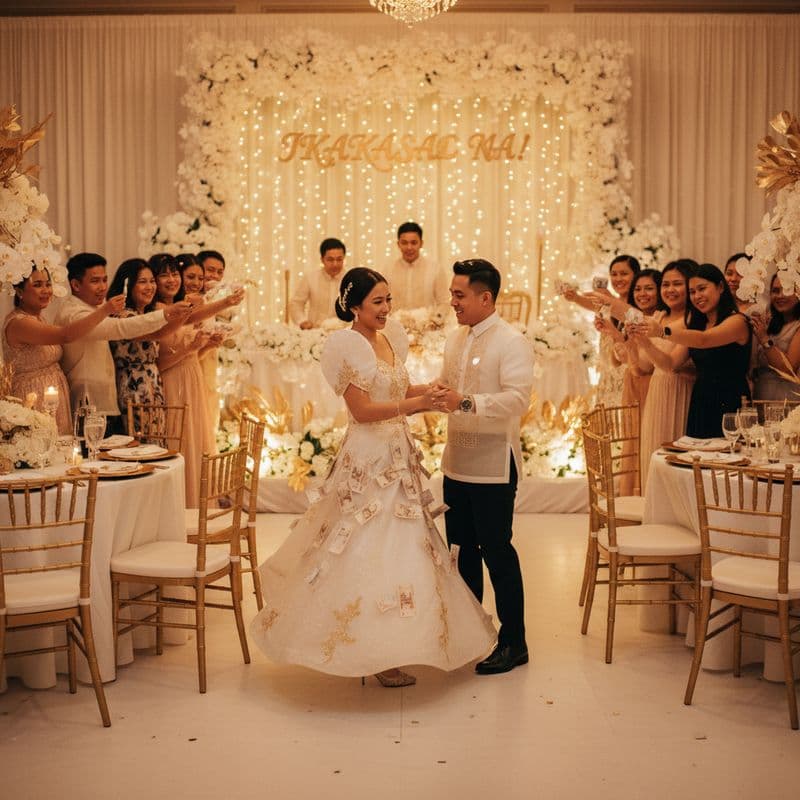
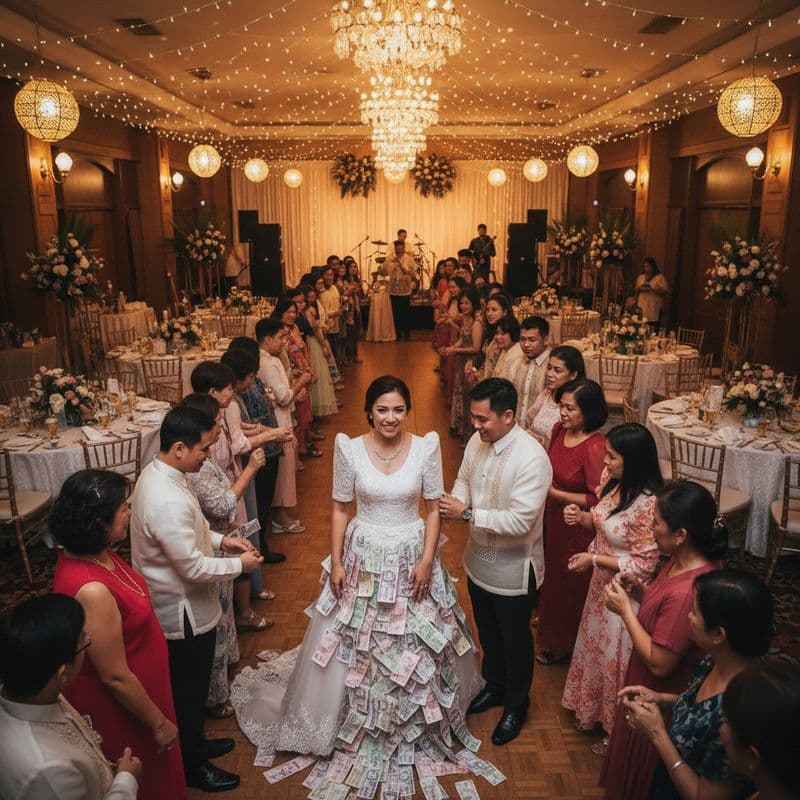
The money dance, sometimes called the dollar dance, is one of those wedding customs that feels almost universal and deeply personal at the same time. Across cultures — Polish, Greek, Cajun, Nigerian, Armenian, Mexican — variations exist. But here in the Philippines? It's practically a given. Male guests line up to pin money on the bride's gown, women do the same to the groom's suit, and the couple dances their way through a small fortune in peso bills. It's joyful. It's loud. It's very Filipino.
But here's the thing: just because it's a tradition doesn't mean there aren't unwritten rules. And if you've ever stood there clutching a crisp bill wondering, "Am I doing this right?" — well, you're not alone.
So, What Exactly Is the Money Dance?
The money dance is a reception tradition where guests offer cash gifts to the newlyweds in exchange for a brief dance. In the Philippines, it usually happens after the first dance and toward the latter part of the reception. Guests pin bills directly onto the couple's attire — the bride's gown, the groom's barong or suit. Sometimes, the sponsors or close family members go first, setting the pace (and the amount) for everyone else.
It's not just about the money, though. Each bill pinned is a wish — for prosperity, for good fortune, for a life together that never runs dry. That's the heart of it. The cash is a bonus; the blessing is the real gift.
Honestly, if you're planning your wedding and wondering whether to include it, think about your crowd. Filipino families tend to expect it. Skipping it might raise more eyebrows than doing it. But the way you do it? That's where etiquette comes in.
For Couples: How to Handle the Money Dance Gracefully
First things first — announce it properly. Don't just spring it on your guests. Have your emcee explain what's about to happen and why. A quick, warm introduction goes a long way, especially if you have guests from cultures where the money dance isn't common. Something like, "And now, we'll have the traditional money dance — a Filipino custom where guests share a dance and a blessing with the newlyweds" works perfectly.
Next, keep it short. Ten to fifteen minutes is the sweet spot. Anything longer and your guests start checking their phones. The Knot suggests capping it at 20 minutes, but for Filipino receptions — which are already packed with traditions — even 10 minutes keeps the energy high without dragging things out. Use a solid timeline to slot it in right.
- Assign helpers. Have your coordinators or close friends assist with pinning. Not everyone is comfortable getting that close to your gown, and older guests may need a hand.
- Prepare your attire. Some couples add a sash, a decorative apron, or even a small pouch to their outfit specifically for the money dance. This protects the gown and gives guests an easier target than delicate lace.
- Don't announce amounts. Never suggest how much guests should give. That's tacky. Let people give what they're comfortable with — whether it's ₱50 or ₱1,000.

For Guests: The Unspoken Rules You Need to Follow
Alright, so you're attending a Filipino wedding and the money dance starts. What now?
Join the line. This is a communal thing. Even if you're shy, a quick 15-second dance with a bill pinned is better than sitting it out entirely. It's participation, not performance.
Give what you can. There's no fixed amount, and anyone who tells you otherwise is making it up. ₱100 is perfectly fine. ₱500 is generous. The point is the gesture, not the denomination. Don't stress over the math.
Pin with care. This one's important. Don't jab the bride. Use the pin gently, and if you're unsure, hand the bill to a coordinator who can pin it for you. Some couples even provide safety pins at the edge of the dance floor — grab one.
Dance, then move on. The money dance isn't your moment to catch up with the bride about your high school reunion. A quick spin, a warm hug, a "Congratulations!" and you're done. The line behind you will thank you.

What If You're Not Comfortable With It?
Here's a little contradiction for you: the money dance is both completely normal and sometimes a little awkward. And that's okay.
Some couples feel like it puts them on display. Some guests feel pressured to give more than they can afford. If you're a couple and the tradition doesn't sit right with you, you can skip it. Really. Your wedding, your rules. Consider alternatives like a wishing well where guests can drop envelopes, or simply let your RSVP and guest management tools handle cash gifts through a registry instead.
If you're a guest and the money dance starts but you'd rather not participate, that's fine too. No one's keeping score. Stay seated, clap along, enjoy the show. The couple will appreciate your presence either way.
A Few More Things Worth Knowing
The money dance isn't unique to Filipino weddings, but the way we do it has its own flavor. In Polish tradition, the bride's father collects money in an apron. In Nigerian celebrations, guests spray bills into the air. Greek weddings sometimes involve pinning money to the bride's dress as she walks table to table. The Filipino version — pinning bills directly onto the couple while dancing — is one of the most interactive and personal versions of this custom.
And if you're worried about your gown? Budget for a second dress. Many Filipino brides change into a lighter outfit for the money dance and the rest of the reception. It saves the wedding gown from pin holes and lets you actually move on the dance floor.

The Bottom Line
The money dance is a tradition rooted in community, generosity, and good wishes. Whether you pin ₱50 or ₱500, whether you dance for five seconds or five minutes — what matters is showing up. For couples, the key is communication: tell your guests what's happening, keep it brief, and make it fun. For guests, the rules are simple: give what you can, pin with care, and enjoy the moment.
Planning your own Filipino wedding? WedPlanner.ph has everything from checklists to budget tools built specifically for Filipino couples. Because your wedding should feel like yours — traditions and all.