Wedding Lighting & Sound for Philippine Indoor Venues
By WedPlanner Team
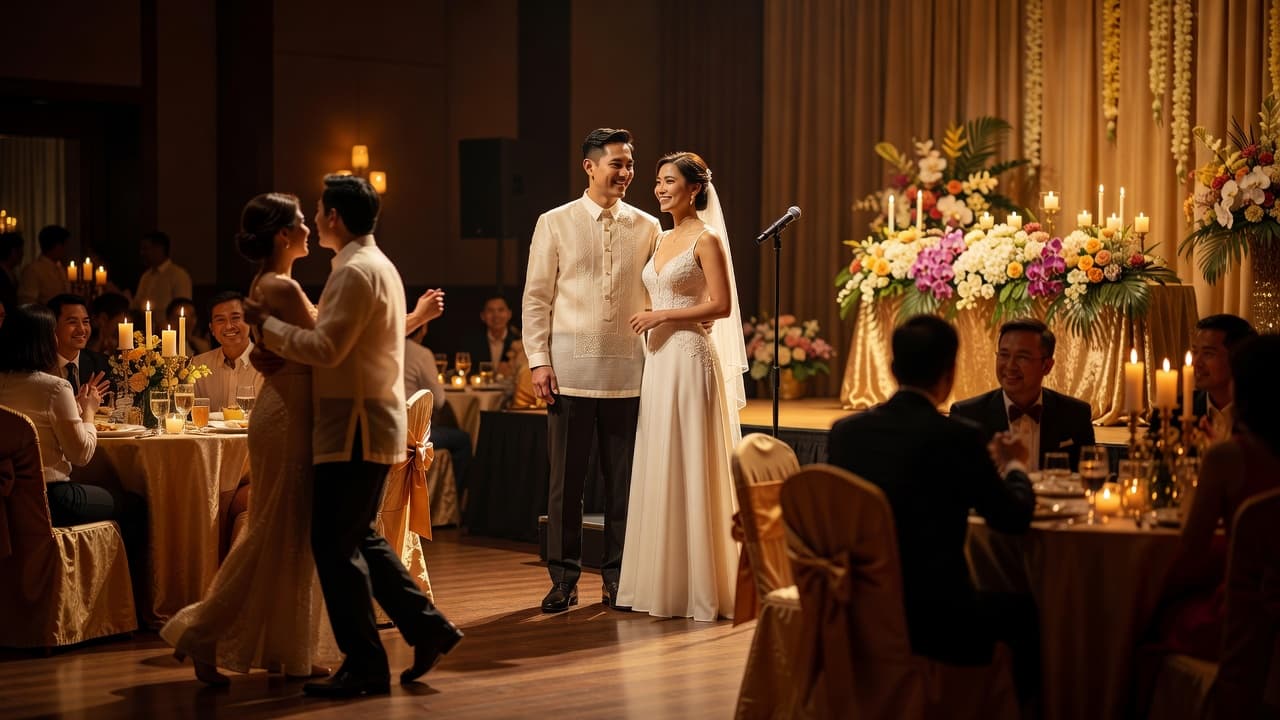
Lighting and sound quality shape how guests feel at every Philippine wedding—especially during indoor receptions. This guide explains what to prioritize for speech clarity, atmosphere, and dance-floor energy, plus practical venue questions to ask before you book.
Wedding Lighting and Sound Tips Philippines Venues: Indoor Mood That Wows
Quick Answer: For an indoor Philippine wedding, prioritize intelligible speeches (wireless mic choice + soundcheck + controlled reflections), flattering lighting (skin-tone color temperature + stage focus + cue timing), and powerful dance-floor audio (speaker placement + proper coverage). Ask venues about acoustics and rigging early to avoid last-minute fixes.
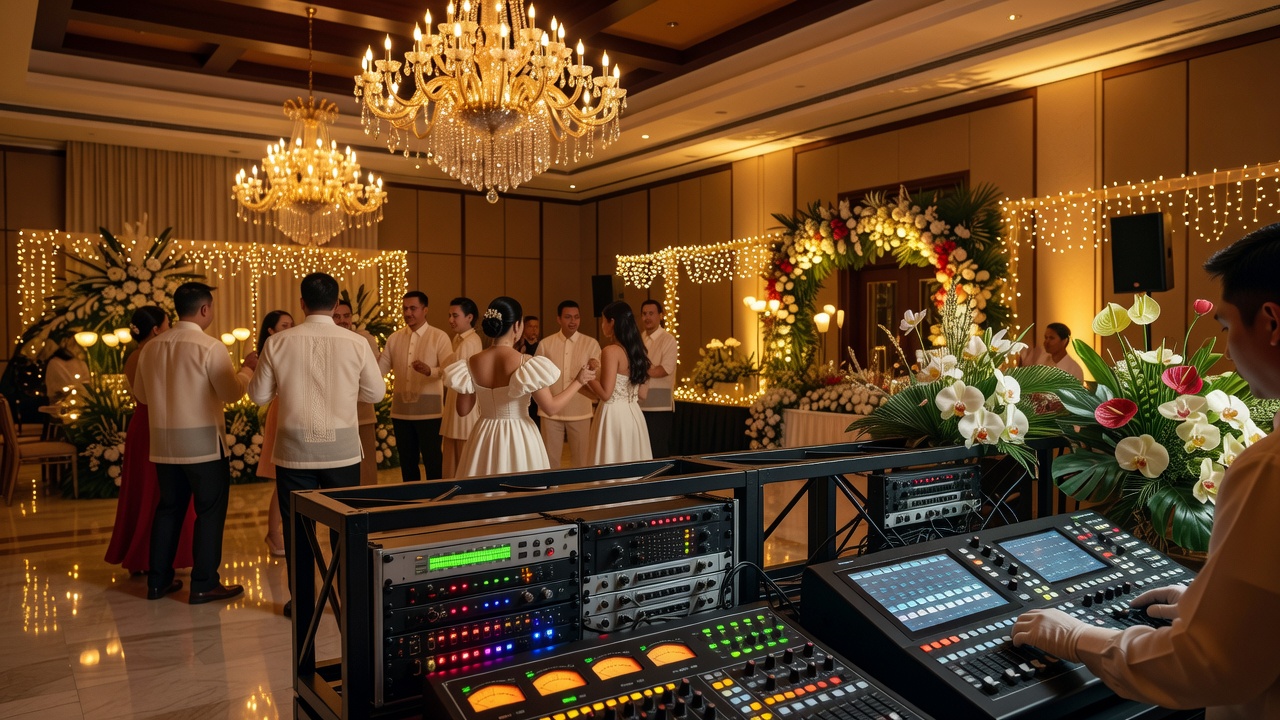
Introduction
When your wedding reception is indoors, small audio-visual details can make a big difference. A hard-to-hear emcee can derail priceless moments, and flat lighting can make photos look dull—even if your program is perfect. The good news: with the right planning, wedding lighting and sound tips Philippines venues can help you create a smooth experience from the first announcement to the last song.
This guide focuses on what matters most in the Philippines: atmosphere, speech clarity, and dance-floor energy. You’ll learn what to ask your venue and production team, which equipment choices matter, and common mistakes that lead to “we’ll fix it on the day” problems.
Why do lighting and sound quality matter so much indoors?
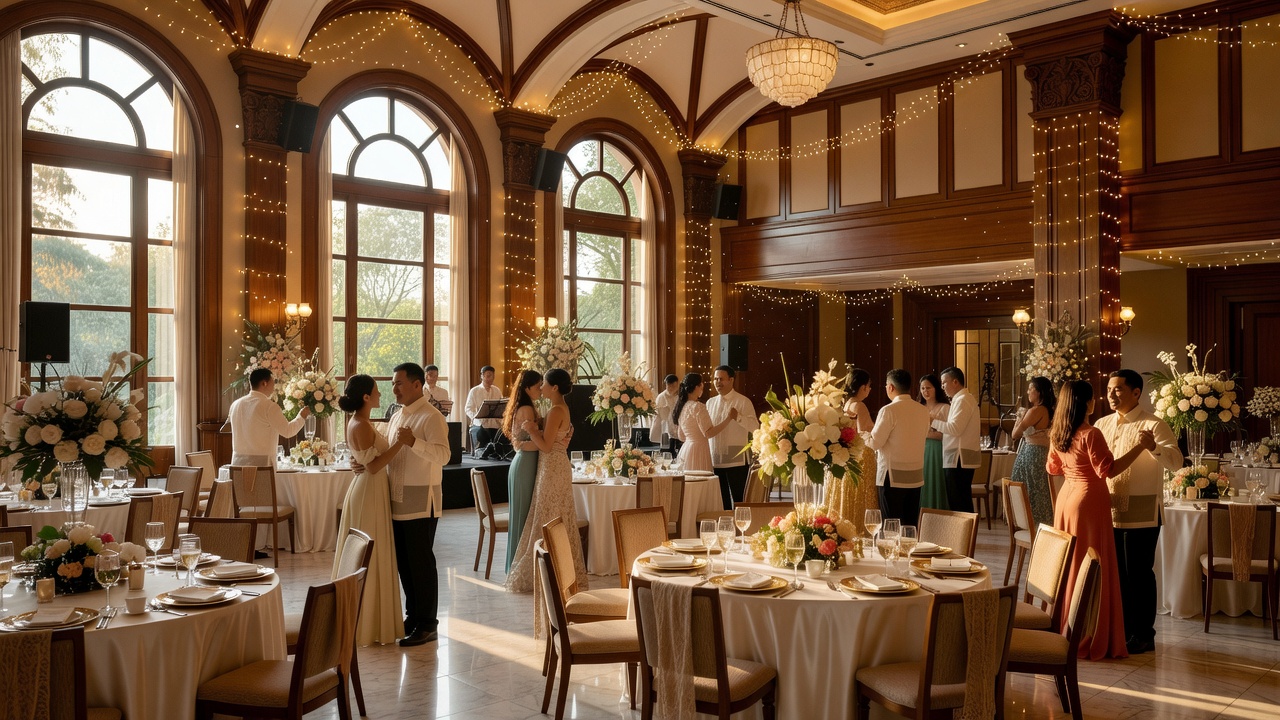
Indoor receptions amplify both good and bad setups. Sound behaves differently when ceilings are low, walls are reflective, and air-conditioning units add steady background noise. Lighting also becomes more unforgiving: without proper stage emphasis and color control, guests can appear washed out, and the dance floor can feel dim or uninviting.
Key idea: the “mood” you want is not only music and aesthetics—it’s also intelligibility and comfort. When guests can hear speeches easily and feel visually drawn to the celebration, the room naturally energizes.
What “good” looks like (a simple checklist)
- Speeches: every word is clear across the room, without harsh buzzing or feedback.
- Photos/video: skin tones look consistent, faces are properly lit, and backgrounds aren’t overexposed.
- Dance floor: music has punch and coverage (no “dead zones” where the beat disappears).
- Flow: lighting cues support the timeline—arrival, first dances, announcements, giveaways, and grand entrance.
What should you prioritize for speech clarity in Philippine wedding venues?
Speech clarity is usually won or lost before anyone starts dancing. Prioritize microphone selection, soundcheck quality, and acoustic control—especially in ballrooms with hard surfaces.
1) Choose microphones that match the emcee and the room
In many indoor Philippine venues, the emcee needs freedom to move while staying intelligible. Wireless microphones are common, but the “right” choice depends on speaking style and movement:
- Handheld wireless mic: often best for confident emcees who gesture and speak with energy.
- Headset mic: great if you want consistent mouth-to-mic distance (useful for hosts with formal delivery).
- Lapel/lavalier: helpful for speakers who move subtly, but require careful placement and gain settings.
Local planning tip: venues in Metro Manila, Cebu, and Davao often have crowded RF environments (many wireless devices). Ask production teams how they manage frequency coordination and backup channels.
2) Demand a real soundcheck (not just “levels”)
A soundcheck should test intelligibility at guest-relevant positions, not only at the stage edge. Ask for:
- Speech test at low, medium, and peak volume.
- Spoken test (not only music) to verify clarity and reduce “muddiness.”
- Feedback check (ringing prevention) when aircon and crowd noise are present.
Practical example: In a typical indoor hotel function room, music may sound “fine,” but announcements can become muddy because reflections bounce words back into the room. A good soundcheck corrects EQ and gain structure so speech stays crisp.
3) Control reflections and background noise
Two common indoor problems:
- Reverberation (echoy rooms): reflections smear consonants, making speeches harder to understand.
- Background noise (air-conditioning, fans): masking effect can hide quieter syllables.
What to ask venues: Can curtains be used? Are there acoustic panels available? Is the AV stage area away from the loudest aircon vents? Even small adjustments can improve intelligibility.
How do you build atmospheric wedding lighting for a Philippine indoor reception?
Atmosphere is lighting + timing. The best setups make guests feel welcomed—without turning faces into “spotlit” silhouettes or making video footage look overly orange or blue.
Start with color temperature (skin tones first)
Lighting that looks great in a technician’s monitor can still look wrong on camera or to human eyes. A reliable approach is:
- Warm, flattering tones for ceremonies and reception introductions.
- Neutral-to-warm balance so skin tones look natural under LED fixtures.
- Consistent cues so photos across moments don’t shift dramatically in color.
Featured snippet idea (quick definition): Color temperature is how “warm” or “cool” light appears, measured in Kelvin. In wedding lighting, choosing the right Kelvin range helps faces look natural instead of washed out.
Use layers: stage focus + room wash + accents
Think of lighting like makeup: layered and intentional.
- Stage focus: ensures the couple, emcee, and key moments are always readable.
- Room wash/uplights: adds depth and transforms plain walls into a moodier backdrop.
- Accents: monogram gobo, beam effects, or texture lighting to highlight entrances and dances.
Plan lighting cues around the program timeline
Lighting should support your moments—not fight them. A simple timeline cue plan:
- Arrival: welcoming warm wash, gentle accents.
- Speeches: steady stage lighting (avoid big color shifts mid-sentence).
- First dance / featured dances: slightly brighter subject focus, controlled background glow.
- Dance floor energy: higher intensity cues and rhythmic effects aligned with music.
Practical example: If your venue has reflective white walls, fast color cycling can create harsh flicker on camera. Using smoother transitions during speeches keeps both clarity and aesthetics.
How do you get strong dance-floor energy without sacrificing comfort?
Dance-floor energy is not only “louder music.” It’s impact and coverage—so the beat feels consistent across the room, without overwhelming guests.
1) Speaker placement beats “big equipment”
Even a premium system can fail if speakers are pointed incorrectly or if the coverage pattern leaves dead zones. Ask for:
- Coverage plan for the dance area (front, center, and edges).
- Speaker height and angle tuned to the room shape.
- Clear separation between music levels and stage speech needs.
Local context: Many Philippine venues have wide ballrooms and long aisles. Coverage should account for how guests actually stand, not just a stage diagram.
2) Protect intelligibility during transitions
When speeches end and the DJ/band takes over, the room should switch smoothly. The best productions use:
- EQ and compression changes that keep vocals clean.
- Controlled subwoofer levels to avoid “boom” masking the emcee mic during announcements.
- Dedicated handling of mic vs music gain so the emcee doesn’t get swallowed.
3) Consider venue energy constraints
Ask the venue and your production team whether there are sound limits, curfew policies, or noise restrictions. In some areas, nearby rooms can complain—especially early night. Planning early helps your setup stay powerful within allowed boundaries.
Venue selection: which questions help you avoid audio/lighting surprises?
Before you finalize a Philippine venue, treat AV like a core feature. Here are the questions that prevent expensive last-minute work.
Acoustics & sound logistics
- What are the room materials? (tiles, plaster, glass, wood) and do they tend to echo?
- Where will speakers be placed? Any restrictions near entrances, pillars, or walkways?
- Is there a dedicated stage area? For safe mic placement and speaker pointing.
- Do you allow acoustic treatments? Curtains, temporary panels, or covers.
Lighting & power
- Ceiling height and rigging points: Can lights be hung safely?
- Power capacity: How many outlets and what load limits are available?
- House lighting controls: Can the venue dim house lights for speeches and dances?
- Video considerations: Is there direct sunlight, reflective surfaces, or LED wall constraints?
Backups and operational readiness
- Backup wireless mics: at least one spare channel.
- Backup playback: if using USB/phones, ensure fallbacks exist.
- Technician availability: on-site for sound and lighting cues during the reception timeline.
Common mistakes Philippine couples make (and how to prevent them)
These are recurring problems that affect the guest experience—especially indoors.
1) Picking a “nice-looking DJ” without an AV plan
If the DJ is great but there’s no clear coverage strategy, speeches can still fail. Pair “music taste” with “system competence” and ask how they handle mic/music balance.
2) Over-relying on venue in-house sound
Some in-house systems work for casual events, but weddings require tighter vocal clarity and cue timing. Even with in-house equipment, request a proper soundcheck and mic priority handling.
3) Using dramatic lighting for dances but ignoring speeches
Fast color changes and low subject lighting look great for party photos—but during announcements, they reduce readability. Plan two lighting modes: speech-friendly and dance-energy.
4) Skipping RF planning for wireless microphones
In dense cities, interference can cause dropout or noise. Ask about frequency coordination and backups. A simple contingency can save your most emotional moments.
5) Not budgeting for professional cue timing
Even good lights and good audio need an operator who understands your timeline. If you want smooth transitions, allocate time for rehearsal or at least a run-through of key cues.
Budget guidance: what typically drives cost in wedding sound and lighting?
Pricing varies widely by city, venue size, and whether you need rentals or full production. Instead of guessing exact figures, focus on cost drivers you can control.
Cost drivers you should expect
- Room size: bigger rooms need more coverage.
- Number of microphones: emcee + couple + additional speakers.
- Lighting complexity: uplights, gobos, moving heads, and cue programming.
- Production level: basic rentals vs full operator-led timeline cues.
- Rehearsal/run-through: more certainty reduces day-of stress.
Simple budgeting approach: assign a “must-have” tier to speech clarity, a “mood enhancer” tier to lighting layers, and an “energy tier” to dance coverage. That way, your highest-impact needs get funded first.
Alternatives: what if your venue has limited AV options?
Not every venue offers flexible rigging or robust house audio. Here are practical alternatives that still deliver a strong guest experience.
Option A: Hybrid approach (house sound + professional tuning)
- Use in-house speakers if available, but bring a sound engineer to tune speech intelligibility.
- Add microphone backups and ensure gain staging is correct.
Option B: Lighting-first, sound-engineer second (if the room is difficult)
- If the room acoustics are tricky, invest in sound intelligibility (proper EQ, mic discipline, coverage).
- Then add lighting layers that flatter faces and support the timeline.
Option C: Smaller dance setup + tighter speech focus
- In narrow rooms, you may not need massive sub coverage.
- Focus on clean vocal pickup and consistent dance-floor volume without “boom.”
Key Takeaways
- Prioritize speech clarity indoors: mic choice + real soundcheck + reflection/background noise management.
- Build lighting in layers: stage focus, room wash, and accents—with skin-tone-friendly color temperature.
- Dance-floor energy = coverage + punch: placement and tuning matter more than just loudness.
- Ask venue-specific AV questions: ceiling height, rigging, power limits, and acoustic conditions.
- Plan cues by program: keep speeches steady and let dance moments evolve.
Frequently Asked Questions
How early should we book AV for our Philippine indoor wedding?
Book AV once your venue date is locked—ideally several months before the reception. AV availability, venue layout review, and RF planning for wireless microphones often require lead time. If you’re using a custom lighting timeline or multiple speakers, earlier is better for rehearsal and cue programming.
What’s more important: lighting or sound?
For indoor receptions, sound and lighting both matter, but speech clarity typically has the highest “life-impact.” When guests can’t hear the emcee, emotional moments suffer. Lighting then supports mood and keeps photos/video flattering, especially during speeches and dances.
Why do speeches sound clear at first but get worse later?
Often, it’s a gain/level change, mic handoff, or background noise increasing as guests fill the room. Sometimes the aircon setting changes or the DJ/Band adjusts levels after the intro. A good production plan anticipates transitions and maintains consistent mic priority.
How can we tell if a ballroom has “bad acoustics”?
Listen for echo and clarity during a walkthrough. If clapping sounds ring or words become hard to distinguish, reflections may smear speech. You can also ask if the venue has curtains, acoustic panels, or other options that reduce reverberation—then plan accordingly.
What lighting should we use for flattering skin tones on camera?
Choose a warm-to-neutral approach and keep subject lighting consistent. Avoid overly saturated rapid color cycling during speeches and portraits. Use stage focus to illuminate faces evenly, then add gentle background wash for depth. Coordinate with your photographer/videographer if possible.
Do we need wireless mics, or are wired mics okay?
Wireless mics are usually easier for emcees and moving speakers, which helps natural hosting. Wired mics can work in controlled setups but may limit movement and introduce cable safety concerns. If you use wireless, ensure frequency coordination and backups for reliability.
How do we avoid the “washed out” look from indoor LED lighting?
Washed out faces typically come from mismatched color temperature, over-bright front lighting, or harsh angles. Use subject-focused lighting, adjust intensity to prevent overexposure, and test the look during a short rehearsal. Stable settings during speeches usually produce the best camera results.
What’s the best way to plan lighting cues for a full program?
Map your program into cue moments: entrances, speeches, couple focus moments, giveaways, and dance transitions. Then decide your lighting “modes” (speech-friendly vs dance-energy). A clear cue sheet helps your lighting operator hit timing reliably and reduces day-of improvisation.
Can a DJ handle both music and lighting cues?
Some DJs can handle simple lighting control, but weddings benefit from dedicated operators—especially when speeches require stable settings and dance moments need programmed effects. At minimum, ensure one responsible person is in charge of audio levels and another is assigned to lighting cues during key moments.
Should we hire separate audio and lighting teams or one combined production?
Either can work. Separate teams can be ideal for specialized tuning and larger venues. A combined team can simplify scheduling and cue coordination. The best choice depends on your venue complexity, program size, and whether you want a single unified timeline.
Conclusion
In Philippine indoor receptions, the “mood” you want depends on more than song selection and decoration. When you apply smart wedding lighting and sound tips Philippines venues—clear speech audio, flattering lighting layers, and well-covered dance energy—you protect the moments that guests remember most.
Next step: Share your venue name, guest count, and program highlights with a qualified AV production team (or your DJ/band partner) and ask for a soundcheck plan + lighting cue outline. If you want, [Internal link: related article on choosing a wedding venue with AV readiness] and [Internal link: wedding timeline planning checklist for receptions] can help you prepare the questions in one place.