Wedding Suits for the Filipino Groom: Barong, Coat, or Both?
By WedPlanner Team
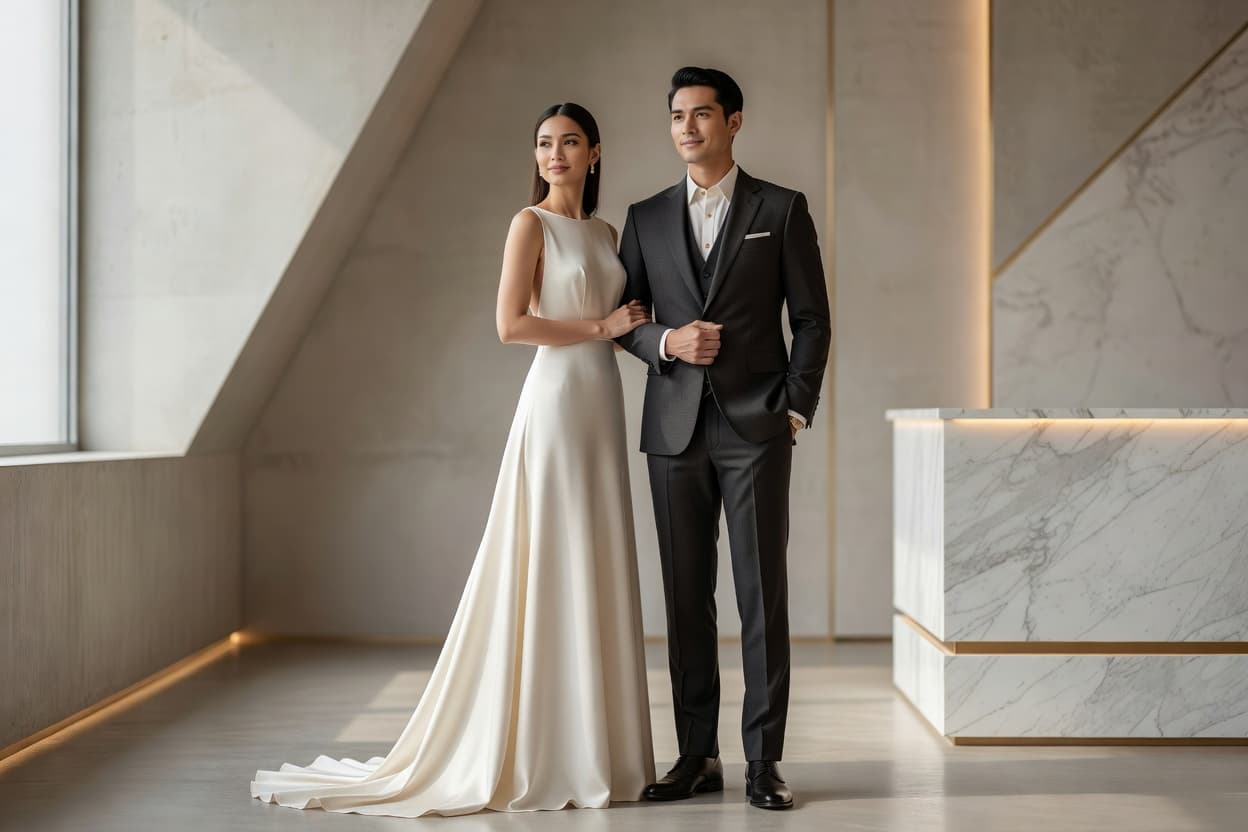
Every Filipino groom faces the same question: barong or coat? This guide breaks down barong Tagalog types with PHP pricing, made-to-measure suits vs rentals, the outfit-change strategy, and a practical checklist to help you decide what to wear on your kasal day.
Every Filipino groom hits the same crossroad during Filipino wedding planning: do you wear a barong, a Western coat, or both? It sounds like a simple wardrobe decision, but it carries cultural weight, climate considerations, and budget implications that can shape your entire kasal day. Let's break it down so you can choose with confidence — and look gwapo walking down that aisle.
The Big Question: Barong or Coat?
The barong vs. suit dilemma is uniquely Filipino. In Western weddings, the answer is always a suit or tuxedo. Here, you're choosing between tradition and modernity — and most couples end up doing both. The right answer depends on three things: your church wedding Philippines requirements, your venue's climate, and your personal style.
For a church wedding in Manila or Quezon City, most priests are perfectly comfortable with a barong — some even prefer it for cultural reasons. But for an evening reception at a five-star hotel in Makati, a tailored coat brings a level of formality that barong can't quite match. More on that strategy later.
Barong Tagalog: Types, Costs, and When to Wear It
The barong Tagalog is more than clothing — it's a cultural statement. It's lightweight, elegant, and deeply tied to Filipino wedding traditions. But not all barongs are created equal. Here's a breakdown by fabric:
Piña — ₱8,000 to ₱15,000
Piña is the finest barong fabric, woven from pineapple fibers. It's sheer, lightweight, and has a natural golden sheen that photographs beautifully. If you want the most premium barong for your kasal, this is it. Piña is typically hand-embroidered and can take weeks to produce — order at least 2 months ahead from specialist weavers in Lumban, Laguna, or high-end boutiques in Makati.
Jusi — ₱3,000 to ₱8,000
Jusi is a silk-organza blend that mimics the look of piña at a more accessible price. It's the most popular choice for grooms and groomsmen — sheer enough to be traditional, sturdy enough to survive a long ceremony. You can find good jusi barongs in Divisoria, Kultura Filipino stores in SM malls, or through online barong sellers on Shopee and Lazada.
Organza — ₱2,000 to ₱5,000
Organza is the most budget-friendly option. It's synthetic, less breathable than piña or jusi, but works well for groomsmen who need matching attire without the premium cost. If you're on a tight wedding budget Philippines couples know well, organza gets the job done.
Style your barong untucked with black dress pants, leather shoes, and minimal accessories. The barong speaks for itself — don't overcomplicate it.
Kasal barkada tip: If you're getting married in Tagaytay or Baguio, a coat might actually be comfortable — but for a Manila afternoon wedding in April, barong is your best friend. The tropical heat is no joke, and your guests will understand.
The Western Suit: Made-to-Measure vs Rental
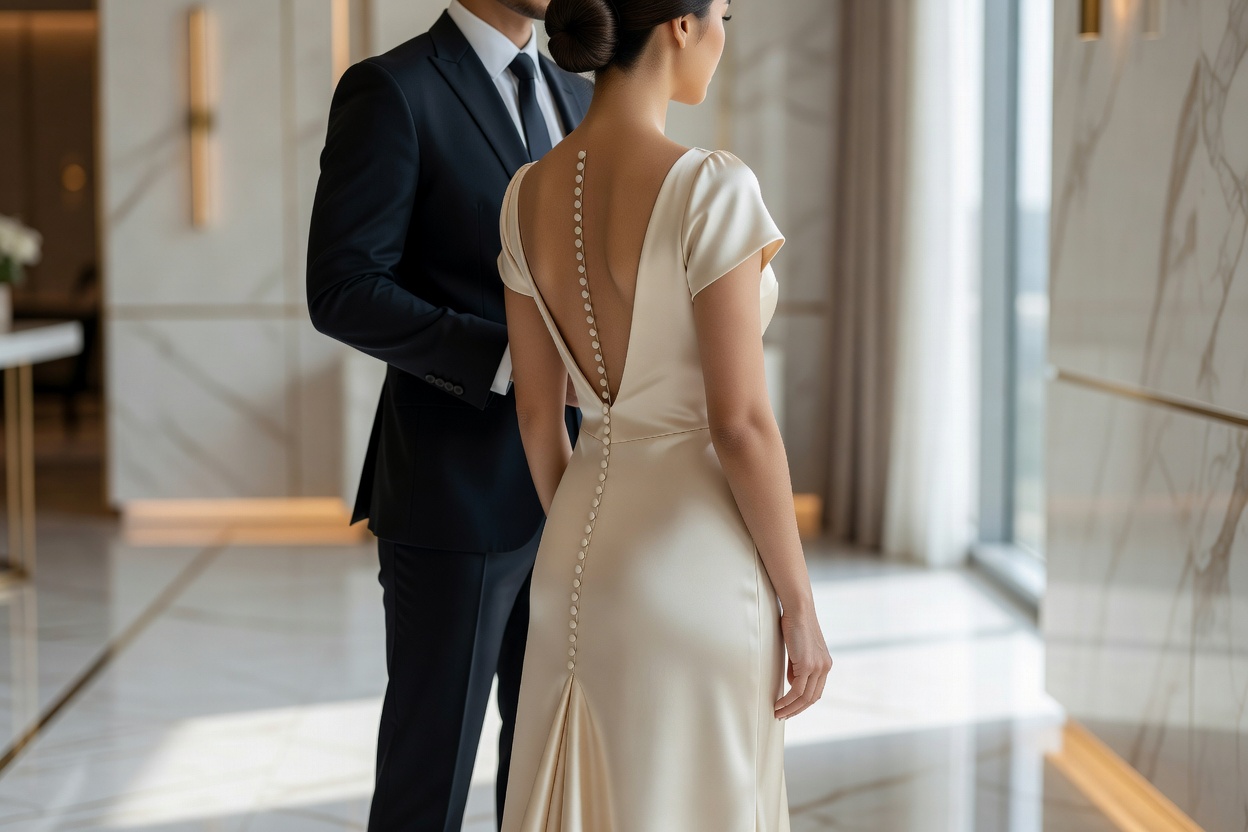
If you're leaning toward a coat — whether for the reception, the entire day, or a non-church ceremony — here's what to expect in the Philippines:
Made-to-Measure Suit — ₱8,000 to ₱30,000
Tailor shops in Makati, Quezon City, and Colon Street in Cebu offer made-to-measure suits starting at ₱8,000 for basic polyester blends, up to ₱30,000 for premium wool or Italian fabric. Two to three fittings are standard, and you should book your tailor at least 3 months before the wedding. A well-fitted suit lasts beyond the wedding — you can wear it to other formal events, which helps justify the cost.
Rental — ₱1,500 to ₱5,000
Suit rentals are widely available in bridal shops and formal wear stores across Metro Manila. Rates range from ₱1,500 for basic black suits to ₱5,000 for premium tuxedo packages with vest and bowtie included. Rentals make sense if you're on a budget or if you only need the suit for the reception portion. Just make sure to try it on at least a week before — rental fits can be hit or miss.
When does a suit make more sense than a barong? Evening receptions, air-conditioned venues, and civil weddings where tradition isn't a priority. Some grooms also prefer suits if they're not comfortable with the sheer fabric of a barong — and that's completely valid.
Both? The Outfit Change Strategy
Here's the most common approach at Filipino weddings: barong for the church ceremony, then change into a suit for the reception. It's the best of both worlds — tradition for the solemn part, modern elegance for the party.
The logistics are straightforward but require a coordinator or trusted sibling to manage:
- During ceremony — groom wears barong with groomsmen in matching barongs
- Cocktail hour — groom slips away to change into suit (15–20 minutes)
- Reception entrance — groom enters in suit, looking fresh for photos
Budget for both: a jusi barong (₱5,000) plus a rental suit (₱3,000) puts you at ₱8,000 total — very reasonable for a groom's full-day attire. If you want made-to-measure for both, expect ₱15,000 to ₱35,000 combined.
Any solid kasal planning guide will tell you: the outfit change is one of the most photographed moments of the day. Make sure your coordinator knows the timeline and your clothes are pressed and ready.
Coordinating the Entourage: Groomsmen and Ninong Attire
Your groomsmen and ninong need to look coordinated — not identical, but cohesive. Here's how to handle it:
- Groomsmen barongs — matching jusi or organza barongs at ₱2,000 to ₱5,000 each. The groom wears piña or premium jusi to stand out; groomsmen wear the same fabric in a slightly simpler embroidery pattern.
- Ninong attire — principal sponsors typically wear their own barongs. Coordinate the color (cream, ivory, or white) but don't insist on identical fabric. Your ninong may already own a barong — let him use it.
- Color scheme — the safest approach is everyone in cream or ivory barong with black pants. If you want a modern twist, groomsmen can wear charcoal gray pants while the groom sticks to black.
Don't forget: if you have a full entourage, attire costs add up. Track them in your budget early — WedPlanner's budget tool can help you stay on top of per-person attire costs without the spreadsheet chaos.
Groom's Attire Checklist
Here's a practical step-by-step to make sure nothing falls through the cracks:
- Decide your outfit strategy — barong only, suit only, or both? This determines your budget and timeline.
- Set your attire budget — barong (₱2,000–₱15,000), suit (₱1,500–₱30,000), or both combined. Include shoes and accessories.
- Book your tailor or shop — 2–3 months ahead for made-to-measure; 1 month for rentals; 2 months for custom piña barong from Lumban.
- Schedule fittings — minimum 2 fittings for made-to-measure. Final fitting should be 1–2 weeks before the wedding.
- Coordinate groomsmen attire — confirm who's buying vs. renting, and set a deadline for everyone to have their barong ready.
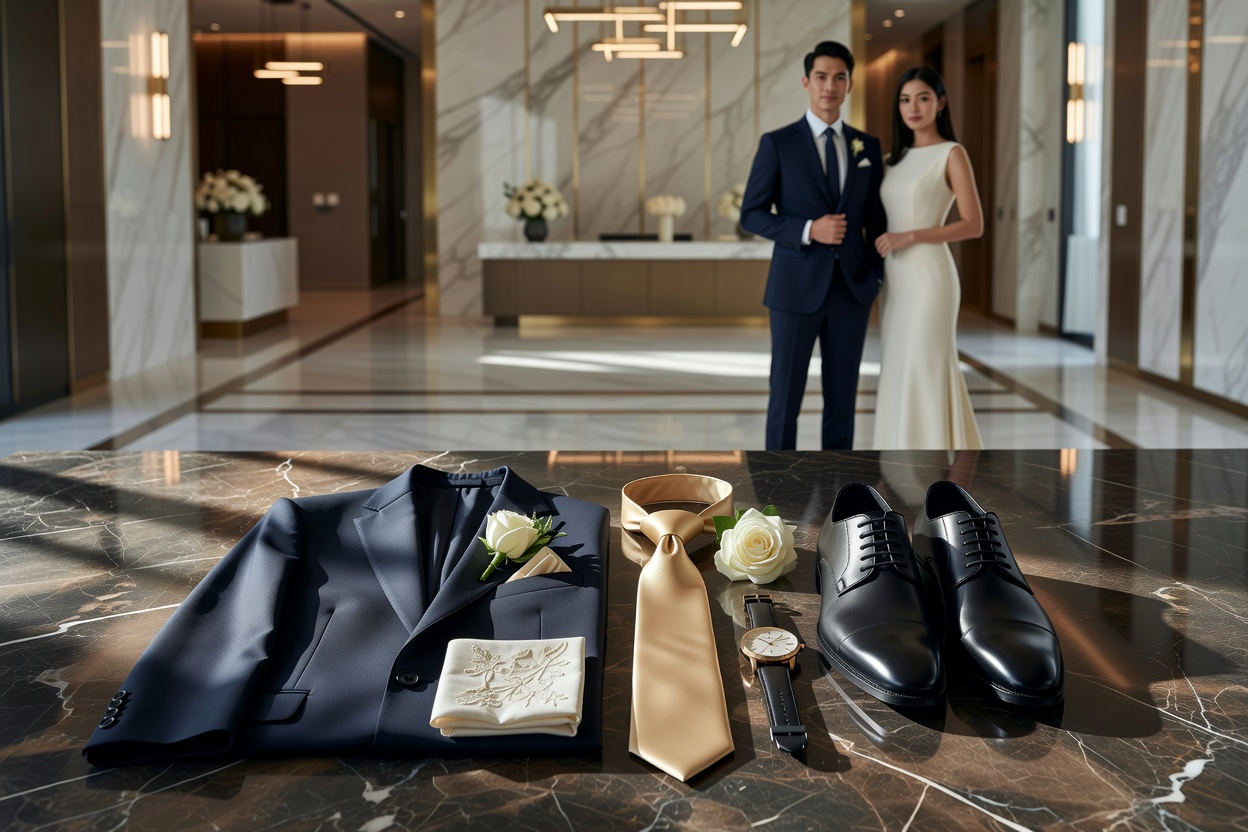
- Prepare shoes and accessories — black leather shoes (₱2,000–₱6,000), a simple watch, and optional cufflinks if wearing a suit.
- Plan the outfit change — if doing both, assign someone to handle the change and ensure the suit is pressed and waiting.
- Do a final check one week before — try everything on, check for wrinkles, confirm shoes are polished.
If you want to see how groom attire fits into your full planning timeline, the 12-month Filipino wedding planning timeline maps out when to book tailors, schedule fittings, and finalize entourage attire.
The Bottom Line
There's no wrong answer to the barong-vs-coat question — only the answer that's right for your wedding, your venue, and your budget. Whether you go full tradition with a piña barong from Lumban, full modern with a tailored wool suit from Makati, or split the difference with both, what matters is that you feel confident walking down that aisle.
Ready to organize your groom's attire budget and timeline? Set up your free WedPlanner account and use the budget planner to track every barong, suit, and shoe expense in one place — so you can focus on looking good, not on crunching numbers.