Beach Wedding Philippines: Weather, Permits and a Step-by-Step Plan
By WedPlanner Team
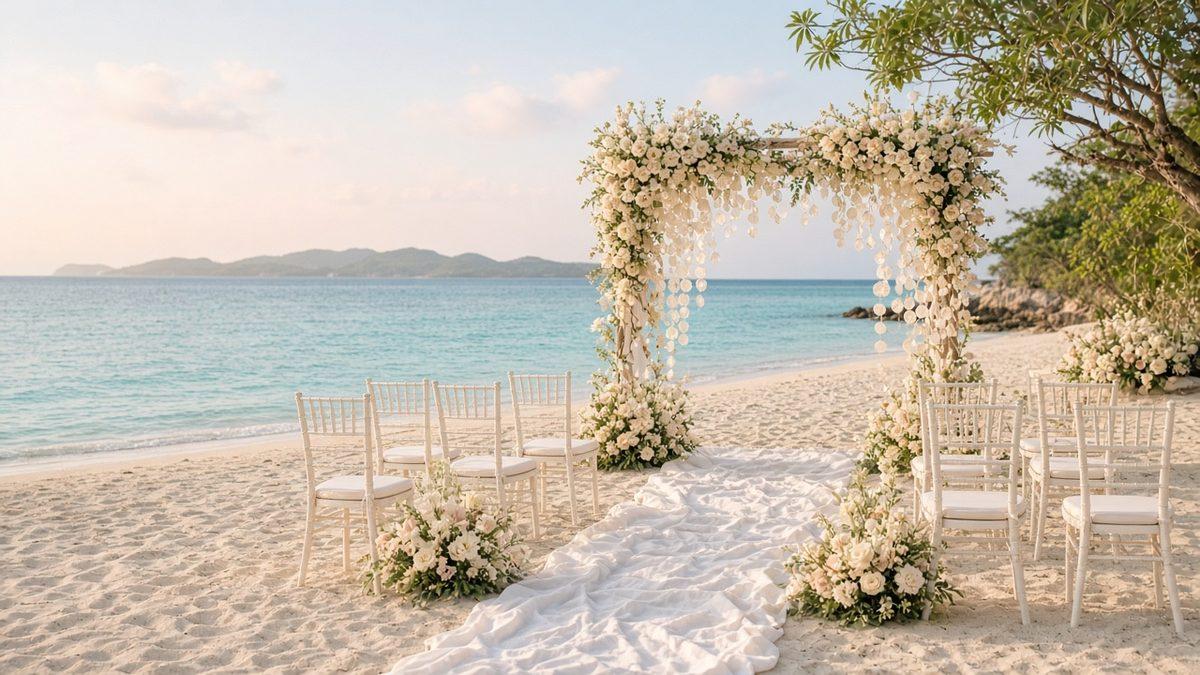
Dreaming of a beach wedding in the Philippines? Here's how to pick the right month and island, what to prepare first, the permits to ask about, and the mistakes that ruin barefoot ceremonies.
Sand between your toes, the sea behind your arch, and a golden sunset right on cue: no wonder a beach wedding in the Philippines tops so many couples' wish lists. With over 7,000 islands, you're spoiled for choice, from La Union and Batangas to Siargao, Bohol and Palawan. But sun, wind, tides and travel all need planning. This guide gives you a practical beach wedding Philippines game plan so your day feels breezy, not stressful.
What to Prepare First
- Your month. The dry season (roughly December to May) is the safest bet. June to November brings habagat rains and typhoons, especially in Luzon and the Visayas. Mindanao and parts of Palawan are often less hit, but always check PAGASA forecasts.
- Your guest count. A beach far from an airport works well for 30–80 guests. For 150+, pick a place closer to Manila or Cebu, like Batangas, Zambales or Mactan.
- Your ceremony type. Catholic church weddings must usually be held inside a church, so beach couples often do a civil or non-Catholic ceremony on the sand, or a church ceremony followed by a beach reception. Ask your parish and confirm locally.
- Your marriage license. Apply at the local civil registrar where either of you lives. It's valid anywhere in the Philippines for 120 days, so time it with your travel. Requirements can vary, so confirm locally.
Step-by-Step Plan for Your Beach Wedding in the Philippines
- Pick the destination (12–15 months out). Balance beauty with access: count flights, ferries and van transfers for your Lola and Ninongs.
- Book the resort and ask about permits. Some resorts include beach-use permits. Public beaches may need barangay or LGU approval, and protected areas may have extra rules. Get these in writing.
- Lock in your solemnizing officer. A judge, mayor, or accredited minister must be available on your date and willing to travel. Book them early.
- Schedule around sun and tide. Aim for a ceremony around 3:30–4:30 PM to avoid harsh noon heat and catch golden hour for photos. Check the tide table so your aisle isn't under water.
- Book suppliers who know the island. Local coordinators and caterers already know the generator, sound and wind issues. Flying everyone in from Manila adds airfare and accommodation costs.
- Plan guest logistics. Share flight tips, room blocks, ferry schedules and a dress code (think breathable linen and flat sandals) on your wedding website.
- Prepare a rain and wind backup. Reserve a covered pavilion or function hall. Tents need weights; standing arches need anchoring.
Common Mistakes to Avoid
- Ignoring the wind. Light veils, tall centerpieces and paper programs fly away. Choose low, heavy décor and a lapel mic so guests can actually hear your vows.
- Booking during peak typhoon months without a Plan B. If you love an August date, choose a venue with a solid indoor option and a supplier contract with clear postponement terms.
- Forgetting guest comfort. Provide water, fans or payong, sunscreen, and shaded seating. Senior guests will appreciate chairs on a wooden walkway instead of soft sand.
- Last-minute travel. Budget flights to Boracay, Siargao or Coron sell out fast during holidays. Tell guests your date early with a save-the-date.
Organize It All in One Place
Travel-heavy weddings need clear info for everyone. With WedPlanner you can build a free wedding website with travel details, collect RSVPs online, and keep your guest list and supplier payments organized from one dashboard.
Quick Takeaway
A beach wedding in the Philippines is very doable when you pick the right season, sort permits and your license early, and always keep a backup for rain and wind. Plan smart, and all you'll need to worry about on the day is the sunset.