Wedding Entourage Philippines: How to Choose Ninong, Ninang & Sponsors
By WedPlanner Team
Choosing your ninong, ninang, and sponsors can feel huge. Here is how a wedding entourage in the Philippines usually works, what to prepare first, a clear step-by-step plan, and the asking mistake many couples regret.
Your guest list is growing, your venue is booked, and suddenly someone asks, "Who are your ninongs and ninangs?" Choosing a wedding entourage Philippines couples can be proud of is less about packing the aisle with names and more about picking people who will actually show up for you. This guide walks you through who belongs in a typical Filipino entourage, how church and civil setups differ, when to ask, and how to budget for gifts and attire without the stress.
Note: Parish and LGU requirements can vary by city and diocese. Always confirm locally with your church office or civil registrar before you finalize counts or documents.
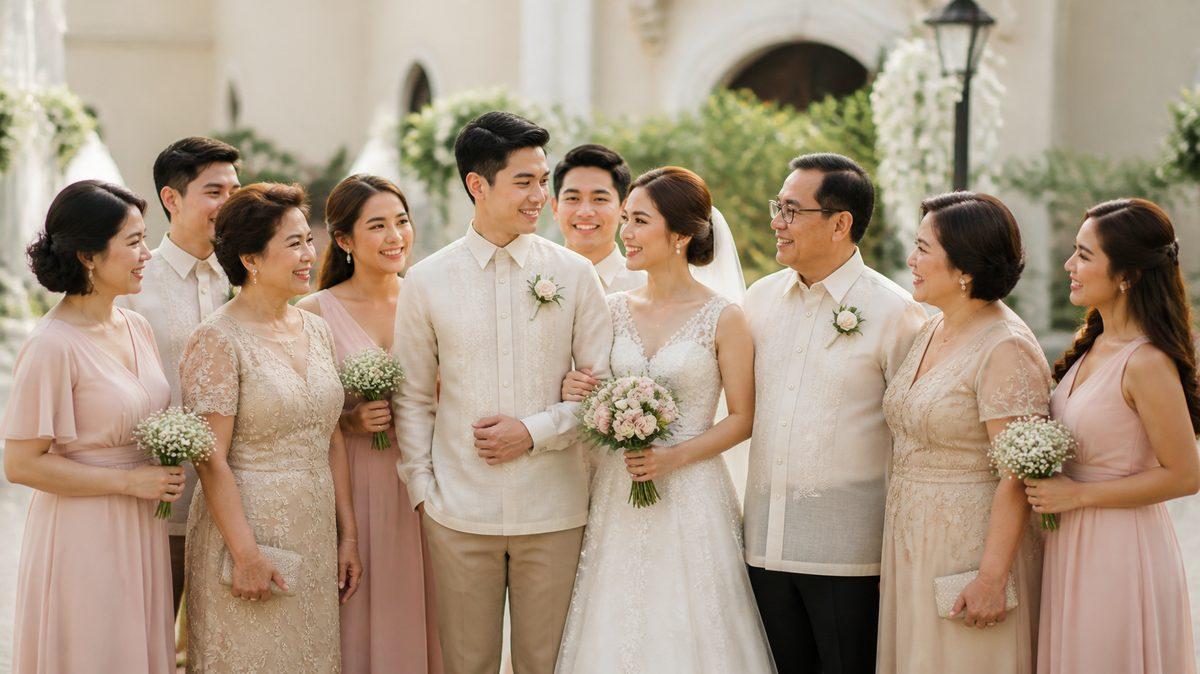
Who is in a typical Filipino wedding entourage?
Every couple tweaks this, but most church weddings in the Philippines include some mix of:
- Parents of the bride and groom. Usually seated with honor and often walk with you or stand with you during key moments.
- Principal sponsors (ninong and ninang). The godparents of your marriage. They sign as witnesses, stand with you during the ceremony, and are the people you hope will mentor your married life.
- Secondary sponsors. Often candle, veil, and cord sponsors for a Catholic wedding. Some churches also include bible or coin bearers as part of the ceremonial roles.
- Best man and maid of honor (or man of honor / best woman). Your day-of anchors for logistics, speeches, and emotional support.
- Bridesmaids and groomsmen. Friends and siblings who walk with you, help with prep, and keep energy high.
- Bearer roles for church. Coin, veil, cord, and bible bearers (often kids or younger relatives) for the traditional rites.
For a civil wedding, the list is usually leaner: parents, a few principal witnesses or sponsors, and maybe a maid of honor or best man. You can still host a bigger reception party without filling every ceremonial role.
Church vs civil: how many sponsors do you need?
Catholic parishes often expect several pairs of principal sponsors. Many couples invite anywhere from a few pairs up to a longer list, depending on family tradition and what the parish allows. Secondary sponsors are commonly three pairs (candle, veil, cord). Civil ceremonies typically need only the minimum legal witnesses required by your LGU or solemnizing officer.
Ask your parish wedding coordinator early: some churches cap the number of principal sponsors who can stand at the altar, even if more names appear on your invitation. Confirm locally so you do not over-invite people who then cannot fit into the ceremony flow.
What to prepare first
Do these before you send a single "Will you be our ninong?" message:
- Ceremony type and venue rules. Church in Quiapo, garden ceremony in Tagaytay, or civil rite at the city hall all change your roles and headcount.
- Your non-negotiable people list. Parents, siblings, and the mentors you truly want as principal sponsors.
- Budget for gifts and attire. Robes, barongs, corsages, thank-you tokens, and sometimes hotel rooms for out-of-town ninangs add up fast.
- Timeline. Big ask conversations work best months before fittings and invitation printing, not weeks before.
- A short "why you" note. People say yes faster when they know why you chose them, not just that you need a slot filled.
Building your wedding entourage in the Philippines: a step-by-step plan
- Lock ceremony format first. Parish requirements, civil registrar rules, and your solemnizing officer set the minimum roles.
- Choose principal sponsors with intention. Pick couples or individuals who model the marriage values you respect, not only those with the biggest gift potential.
- Assign secondary sponsors next. Match candle, veil, and cord pairs who are comfortable with church choreography and can attend rehearsals if needed.
- Fill bridal party roles. Maid of honor, best man, bridesmaids, and groomsmen should be people who can handle fittings, group chats, and day-of errands.
- Add bearer roles carefully. Kids are adorable as coin or bible bearers, but confirm ages, aisle comfort, and who will escort them during a humid outdoor ceremony or a long Mass.
- Ask in person or on a video call when you can. Follow with a written note of the date, venue, attire expectation, and what the role actually involves.
- Confirm yeses before printing. Wait for clear acceptances before invitation proofs, robe orders, and entourage photos.
- Brief everyone once. Share a one-pager: call time, attire color, rehearsal schedule, and where to meet. Weather matters in the Philippines, so note backup plans for rain at garden venues.
How and when to ask people
For principal sponsors, many couples ask 6 to 12 months before the wedding, especially if ninongs and ninangs need to block travel from the province or abroad. Bridal party and secondary sponsors can follow once the principal list is solid. Keep the ask warm and specific: role, date, city, and whether there is a rehearsal.
If someone hesitates because of schedule or budget, thank them and have a backup ready. It is kinder than pressuring a yes that turns into a no after robes are ordered.
Budget for gifts, attire, and logistics
- Attire. Coordinated robes, barongs, or dresses. Decide early who pays for what so nobody is surprised.
- Thank-you gifts. Thoughtful over flashy. Principal sponsors often receive a more personal token than secondary sponsors or bearers.
- Transport and lodging. Out-of-town sponsors may need airport runs, car assignments, or a hotel block near a Tagaytay or Boracay venue.
- Day-of kits. Water, fans, safety pins, and a clear contact person help during Philippine heat and sudden downpours.
Common mistake to avoid
The most common regret is inviting people as principal sponsors just to "complete the list" or chase gifts, then realizing too late that they cannot attend the rehearsal, do not understand the church roles, or were never briefed on timing. A shorter, well-prepared entourage always looks better than a long list of confused guests standing in the wrong place during the veil and cord rites.
Keep your entourage organized with WedPlanner
Once names start locking in, put them on your WedPlanner wedding website guest list, mark roles clearly, and use online RSVP sync so you know who confirmed. It is the easiest way to keep sponsors, bridal party, and family updates in one place while you focus on the fun parts.
Choosing your wedding entourage Philippines style should feel personal, not like a checklist race. Start with ceremony rules, ask with heart, brief everyone early, and confirm local parish or LGU details before you print a single invitation.