Church Wedding Philippines: Requirements, Costs, and What to Expect
By WedPlanner Team
A complete guide to planning a Catholic church wedding in the Philippines — covering required documents, fees, booking timelines, pre-cana seminars, and practical tips for Filipino couples.
Church Wedding Philippines: Requirements, Costs, and What to Expect
For many Filipino couples, a church wedding isn't just a ceremony — it's a deeply meaningful sacrament. The Philippines is one of the world's most Catholic-majority nations, and a church wedding in the Philippines carries both spiritual significance and family tradition. But between the paperwork, the fees, and the scheduling, the process can feel overwhelming. This guide breaks down everything you need to know so you can plan with confidence.
Why Choose a Church Wedding in the Philippines?
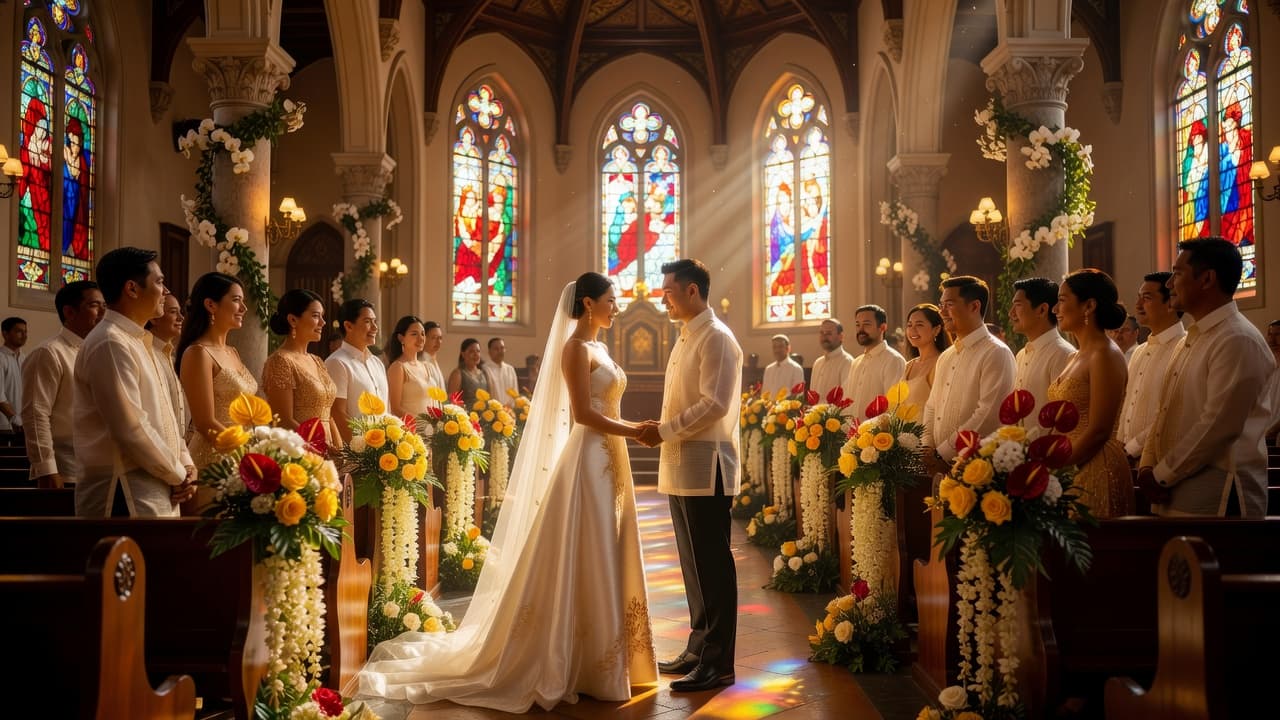
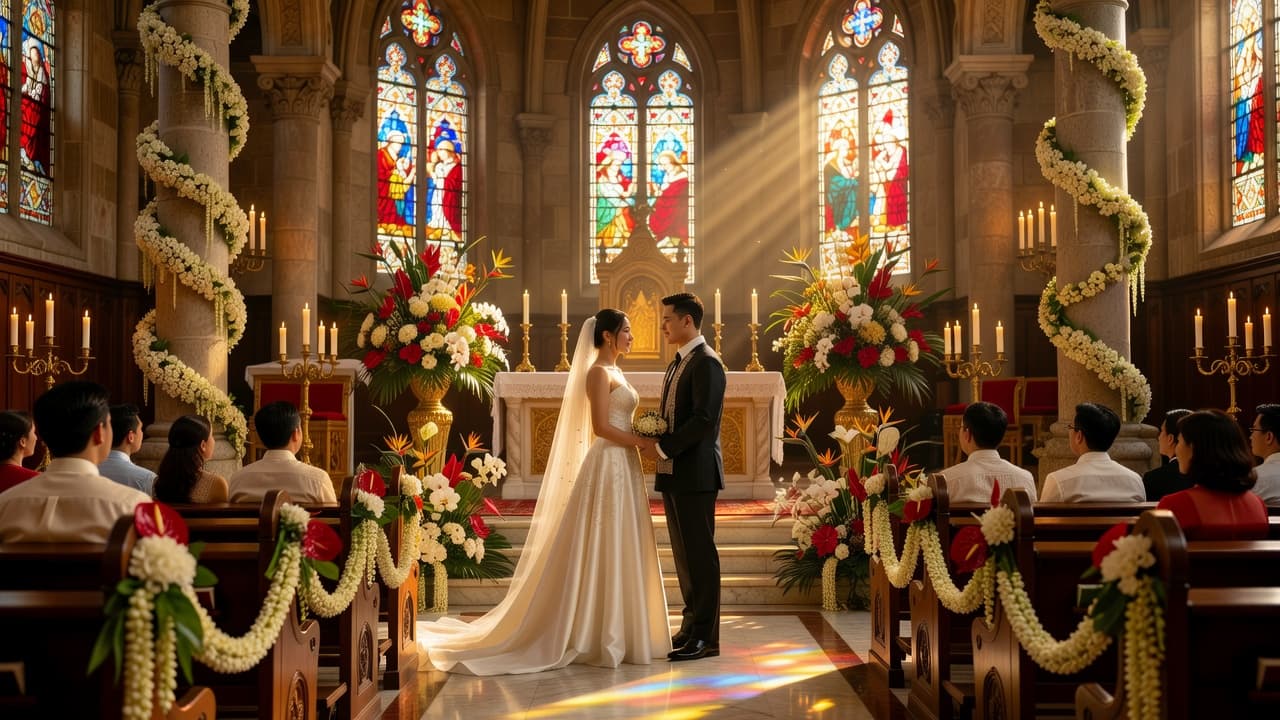
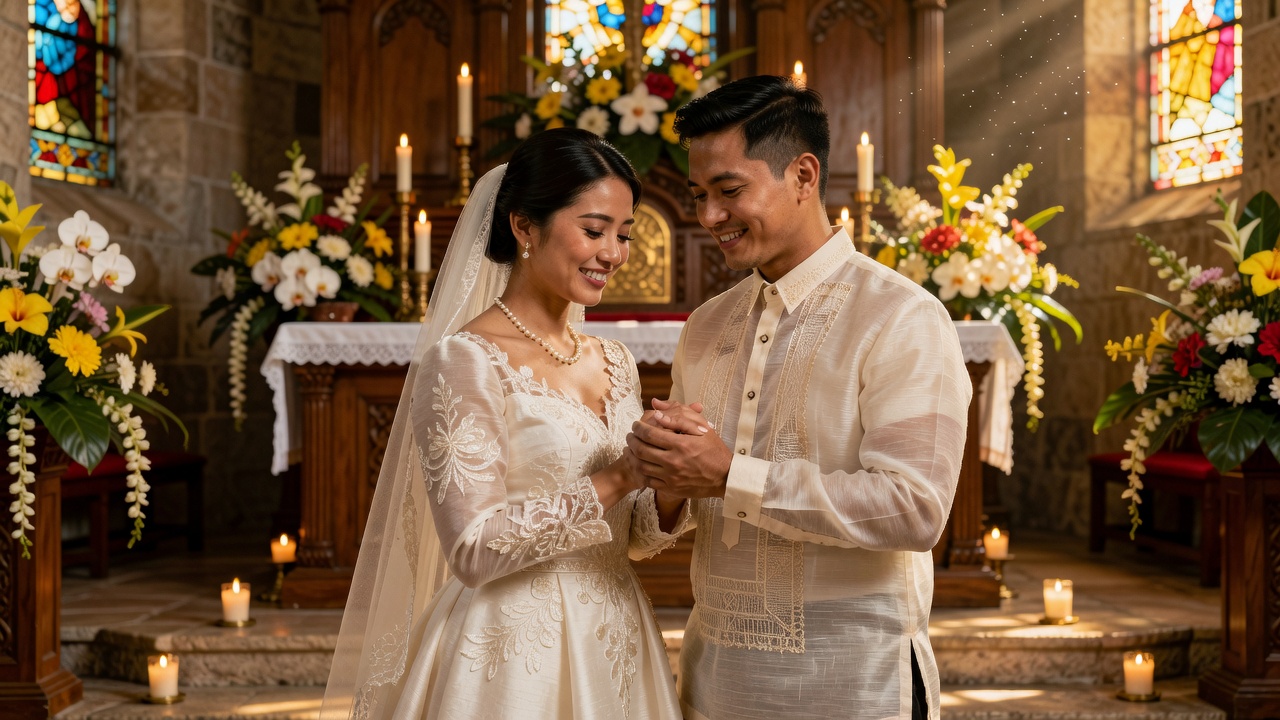
A Catholic church wedding is more than a celebration — it's one of the seven sacraments. For Filipino couples and their families, marrying in the church honors faith, tradition, and the blessing of the union before God. It also satisfies legal requirements for marriage in the Philippines, provided you complete the civil registration process alongside the church requirements.
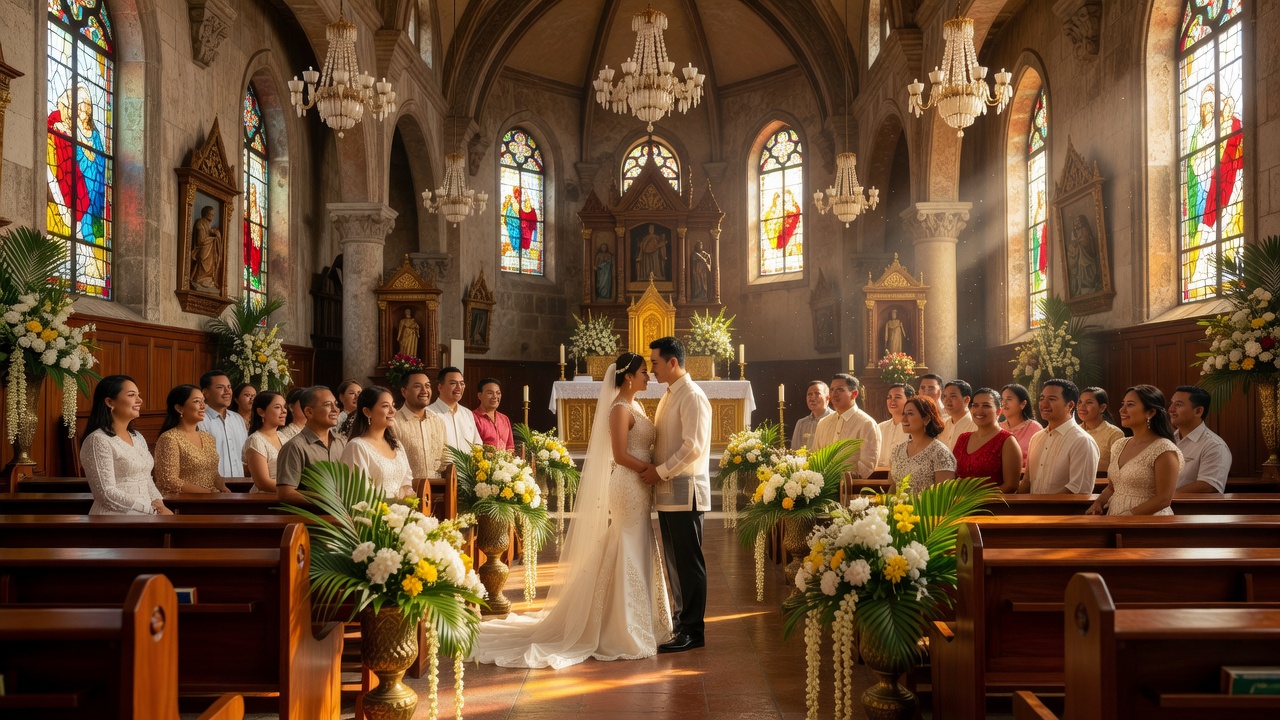
Beyond the spiritual dimension, church weddings in the Philippines offer stunning venues — from centuries-old baroque churches in Intramuros to hilltop chapels overlooking Taal Volcano. Whether you're planning an intimate ceremony or a grand celebration, the church provides a sacred, memorable backdrop.
Documents Required for a Church Wedding in the Philippines
The Catholic Church requires several documents before you can marry. These must be submitted to your chosen parish, typically 2 to 3 months before the wedding date. Here's the full list:
1. Baptismal Certificate
You and your partner each need a recently issued baptismal certificate (issued within the last 6 months) from the parish where you were baptized. It must include a annotation line for marriage purposes. Request this early — some parishes take weeks to process.
2. Confirmation Certificate
Both parties must be confirmed Catholics. If you haven't been confirmed, you'll need to complete the sacrament of Confirmation before the wedding. Your home parish can arrange this.
3. Marriage License
Issued by the Local Civil Registrar (LCR) where either party resides. The license is valid for 120 days from the date of issuance. You'll need:
- Birth certificate (PSA-issued, on security paper)
- CENOMAR (Certificate of No Marriage Record) from PSA
- Valid government-issued IDs
- Parental consent or advice (if either party is 18–25 years old)
- Barangay clearance
- 1x1 ID photos
The marriage license has a 10-day waiting period after filing before it's released.
4. Birth Certificate
A PSA-issued birth certificate on security paper for both bride and groom. This verifies your identity, age, and citizenship.
5. CENOMAR (Certificate of No Marriage)
Issued by the Philippine Statistics Authority (PSA), this document proves that neither party has a prior registered marriage. If either party was previously married, you'll need a Certificate of Finality of Annulment or a death certificate of the deceased spouse.
6. Pre-Cana Seminar Certificate
Proof that both of you have completed the pre-cana (pre-marriage) seminar. More on this below.
7. Consent and Permit Forms
If you're getting married in a parish that is not your home parish, you'll need a permission letter from your home parish priest and a wedding permit from the parish where you'll marry.
8. Additional Documents for Special Cases
- Mixed marriages (Catholic to non-Catholic): Disparity of Cult form and permission from the bishop
- Foreign nationals: Certificate of Legal Capacity to Marry from your embassy
- Widows/widowers: Death certificate of late spouse
- Annulled individuals: Court decision and certificate of finality, plus church annulment documents
Pre-Cana Seminar: What It Is and How to Register
The Pre-Cana seminar is a mandatory marriage preparation program required by the Catholic Church in the Philippines. It covers topics like communication, family planning, finances, spirituality, and conflict resolution. Think of it as a guided retreat that helps couples prepare for married life — not just the wedding day.
How to Register
- Contact your parish office to ask about their pre-cana schedule
- Some parishes hold monthly sessions; others offer quarterly
- Popular options include the Catholic Bishops' Conference of the Philippines (CBCP) accredited programs and parish-based seminars
- Fees typically range from PHP 500–1,500 per couple
- The seminar usually takes one full day or two half-day sessions
When to Attend
Complete the pre-cana seminar before submitting your documents to the parish. Most couples attend 3–6 months before the wedding date. The certificate of completion is valid for 6 months.
Booking Timeline: How Far in Advance Should You Book?
Church wedding scheduling in the Philippines varies by parish and diocese, but here's a general guide:
- Popular churches (Intramuros, Antipolo, Baguio Cathedral, Santuario de San Antonio): Book 8–12 months in advance. These venues fill up fast, especially during peak months (December, January, May, June).
- Medium-demand parishes: Book 6–8 months ahead
- Home parish or less popular churches: 3–6 months may suffice
Peak wedding months in the Philippines are December, January, May, and June. If you're targeting these months, start booking as early as possible — some couples reserve their date a year ahead.
Church Wedding Costs in the Philippines
Church wedding fees vary widely depending on the parish, location, and type of ceremony. Below is a realistic breakdown of what you can expect to pay:
| Expense Item | Estimated Cost (PHP) | Notes |
|---|---|---|
| Church rental fee | 5,000 – 20,000 | Higher for popular / heritage churches |
| Priest's honorarium | 1,000 – 5,000 | Customary offering to the officiating priest |
| Altar servers & lay ministers | 500 – 1,500 | Usually 2–4 servers |
| Liturgical / choir fee | 2,000 – 8,000 | Optional but recommended for full mass |
| Flower arrangements (church) | 3,000 – 15,000 | Depends on flowers used and arrangement size |
| Marriage license (LCR) | 100 – 300 | Government fee, minimal |
| Pre-Cana seminar | 500 – 1,500 | Per couple |
| Baptismal & confirmation certificates | 100 – 300 each | Document request fees |
| CENOMAR (PSA) | 210 – 410 | Walk-in or online request |
| Marriage banns posting | Free – 500 | Some parishes charge a small fee |
| Wedding coordinator (optional) | 5,000 – 15,000 | Not required but helpful for logistics |
Total estimated cost: PHP 17,000 – 67,000+ for the church-related expenses alone. This doesn't include reception, photography, attire, and other wedding costs.
Step-by-Step Church Wedding Process in the Philippines
- Choose your church — Consider proximity, sentimental value, and availability
- Reserve your date — Visit the parish office and pay the reservation fee
- Attend the Pre-Cana seminar — Complete this 3–6 months before the wedding
- Request documents — Baptismal certificates, confirmation certificates, CENOMAR, birth certificates
- Apply for a marriage license — File with the LCR at least 2 months before the wedding (10-day waiting period)
- Submit all documents to the parish — 2–3 months before the wedding date
- Post marriage banns — The parish announces your intent to marry for 3 consecutive Sundays
- Finalize ceremony details — Readings, music, entourage roles, flower offerings
- Wedding day — Arrive early, bring all original documents
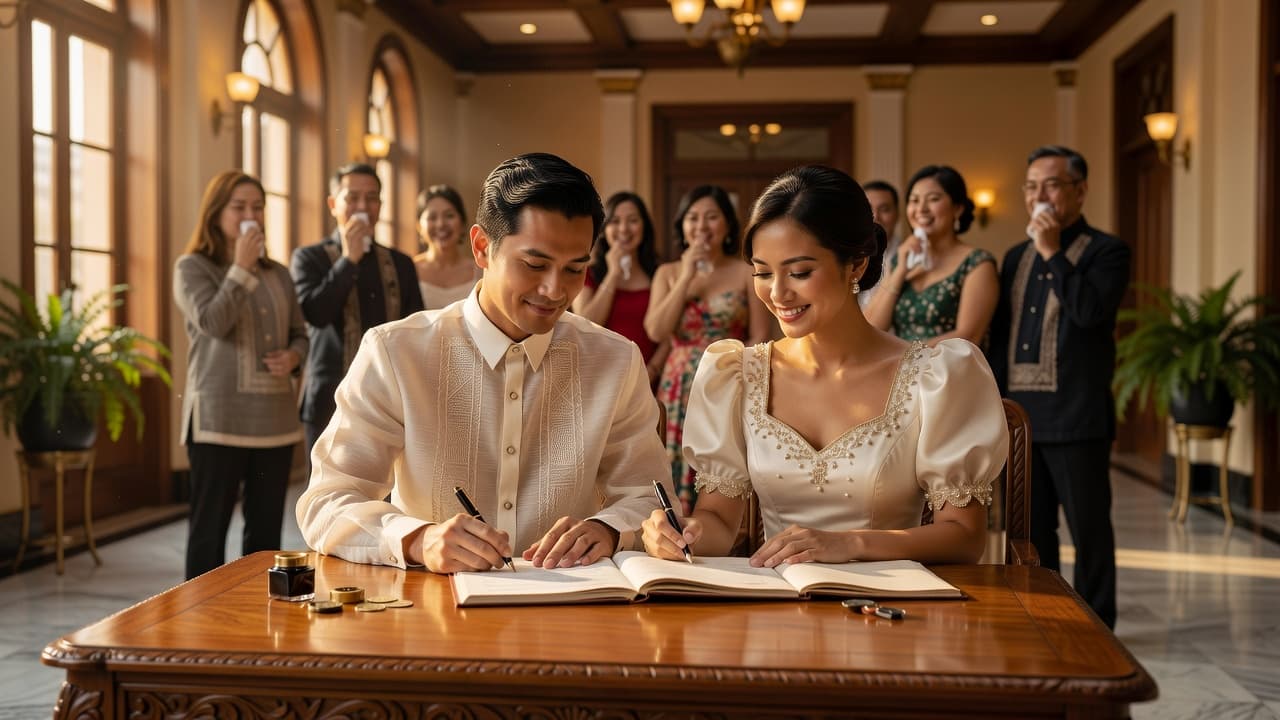
- Register the marriage — The church submits the marriage certificate to the LCR; follow up to ensure PSA registration
Tips for a Smooth Church Wedding in the Philippines
- Start early. Documents like baptismal certificates and CENOMAR can take weeks to process. Request them as soon as you set a date.
- Check diocese-specific rules. Some dioceses have additional requirements or restrictions. Ask your parish priest for the complete list.
- Dress appropriately. Most churches have dress codes — no bare shoulders, no very short dresses, and no plunging necklines. Confirm with the parish.
- Prepare for the climate. If your church isn't air-conditioned, choose breathable fabrics and have fans ready for guests.
- Assign a coordinator. Even a family member can serve as your coordinator to handle logistics, the entourage, and church liaising on the day.
- Confirm everything a week before. Call the parish to confirm the priest, time, and any last-minute requirements.
FAQs About Church Weddings in the Philippines
Can non-Catholics marry in a Catholic church in the Philippines?
Yes, but you'll need a Disparity of Cult dispensation from the bishop. The Catholic party must also sign a promise to raise children in the Catholic faith. Contact your parish priest to begin this process, which can take several weeks.
How much does a simple church wedding cost in the Philippines?
A simple church wedding at your home parish can cost as little as PHP 10,000–15,000, covering the church fee, priest's honorarium, and basic documents. More popular or heritage churches can push that to PHP 30,000 or more.
Can we get married in a church outside our home parish?
Yes. You'll need a permission letter from your home parish priest and a wedding permit from the receiving parish. Some churches also require a letter from your bishop if the diocese is different.
Is a church wedding legally binding in the Philippines?
A church wedding is legally recognized if you have a valid marriage license and the officiating priest is registered with the civil registrar. The church will submit your marriage certificate to the LCR, but always follow up to confirm PSA registration.
Conclusion
Planning a church wedding in the Philippines involves careful preparation — from gathering documents to booking your venue months in advance. But the process is well-defined, and thousands of couples navigate it every year. Start early, stay organized, and lean on your parish community for guidance. With the right preparation, your wedding day will be everything you've dreamed of: sacred, joyful, and blessed.
Ready to start planning? Create your wedding checklist today, and let your journey to the altar begin.