Wedding Emergency Kit Philippines: What to Pack, Who Holds It and When to Prepare
By WedPlanner Team
Building a wedding emergency kit in the Philippines? Learn what to prepare first, a step-by-step packing plan for the bride, groom and entourage, PH-specific must-haves for heat, rain and traffic, and common mistakes like leaving the kit in the bridal car.
Natanggal ang butones ng barong? Biglang umulan habang papasok sa simbahan? Pawis na pawis ang make-up bago pa ang march? Every Filipino kasal has a few small surprises, and a well-packed wedding emergency kit is what turns them into non-events. This guide walks you through what to prepare first, a step-by-step packing plan, the PH realities to plan around and the common mistakes to avoid, so your wedding emergency kit actually saves the day instead of sitting forgotten in the trunk.
Why Filipino Weddings Need an Emergency Kit
Our weddings come with their own set of challenges:
- Heat and humidity: even a December garden wedding in Tagaytay can feel warm under the sun, and Metro Manila churches without full air-conditioning get hot fast.
- Sudden rain: the habagat and typhoon months (roughly June to November) mean afternoon downpours, muddy garden lawns and wet hems.
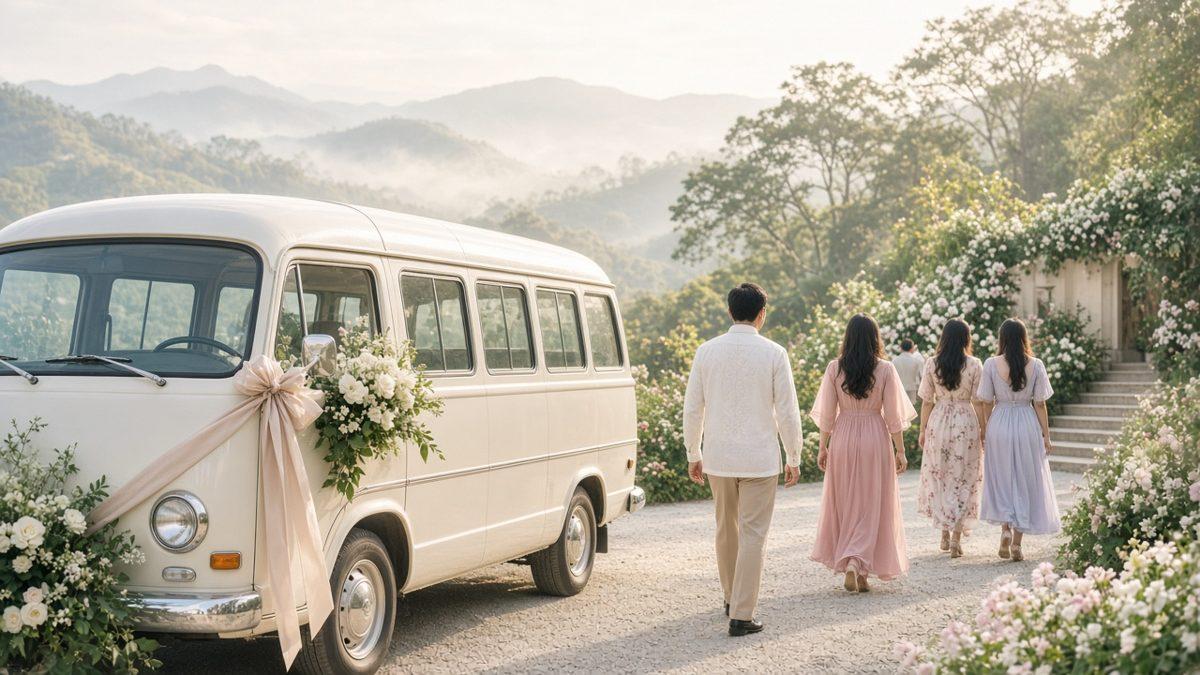
- Traffic and long travel: EDSA, SLEX or the road to a destination venue can stretch your timeline, so you'll be in your outfits longer than planned.
- Big entourages: principal and secondary sponsors, bridesmaids, groomsmen, bearers and flower girls means more outfits, more shoes and more chances for a snag.
- Long programs: from the prep shoot to the last dance, many couples are "on" for 12 hours or more.
What to Prepare First
Before you buy a single safety pin, settle these:
- Your final timeline and locations. Know where you'll be at each point: hotel or house for prep, church or civil venue, reception. The kit has to travel with you.
- A kit owner. Assign one trusted person, usually your maid of honor, a sibling or your coordinator's assistant, to hold the kit all day. Your coordinator will often bring a basic kit too, so ask what theirs includes to avoid doubling up.
- Your outfit details. Note your gown and barong fabric, colors and closures (zipper, buttons, corset lacing) so you pack the right thread, pins and stain remover.
- Health needs. List any maintenance medicines, allergies or conditions of the couple and immediate family.
- A small budget. Most couples can build a solid kit for roughly ₱1,500 to ₱3,000 using items from a drugstore, a department store and a ukay-free sewing aisle. Prices vary, so canvass first.
Step-by-Step Plan: How to Build Your Wedding Kit
- Two to three weeks before: write your checklist (below), check what you already have at home and what your coordinator provides.
- Two weeks before: shop for the items. Buy travel sizes where possible so everything fits in one pouch or a small organizer box.
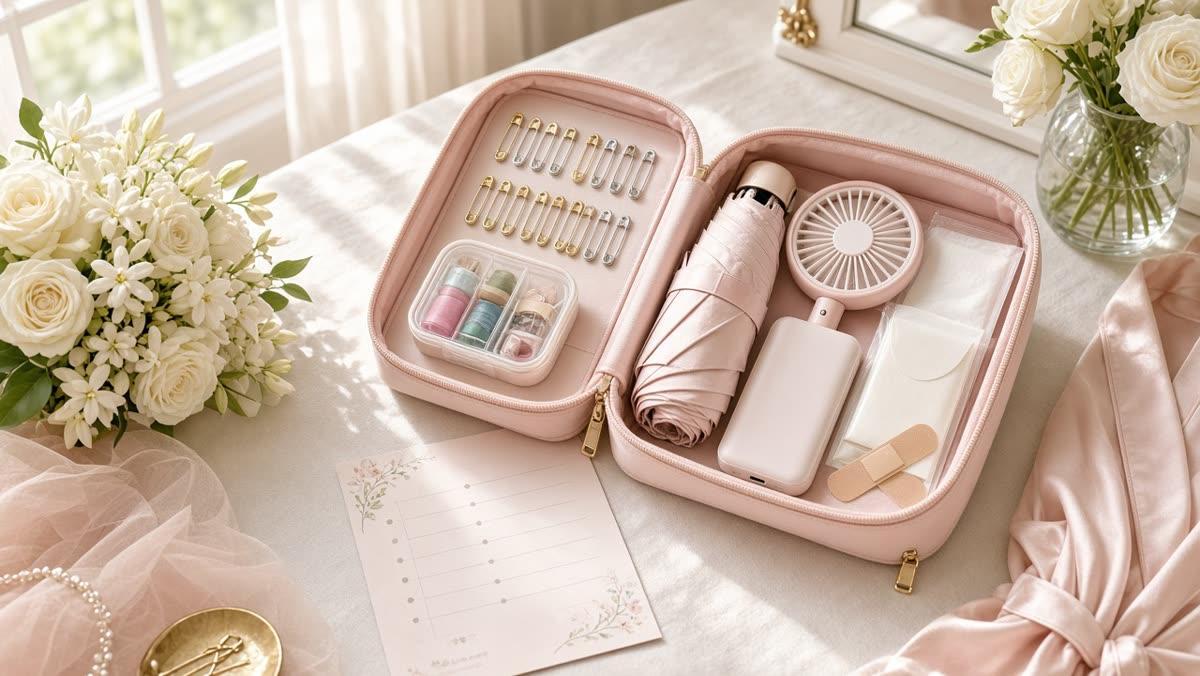
- One week before: split the kit into three parts: a bride kit (beauty and gown fixes), a groom and entourage kit (barong, suit and shoe fixes), and a shared kit (rain, heat, first aid and tech).
- Three days before: label each pouch, add a printed copy of the timeline and supplier contact list, and charge the power banks.
- The night before: hand the kits to their owners and agree on where they'll stay at each venue (bridal room, church sacristy area, reception holding room).
- On the day: the kit owner moves with the couple from prep to church to reception, and checks in after each transition.
Wedding Emergency Kit Checklist for the Philippines
Beauty and comfort
- Oil blotting papers, face powder and the lipstick shade your HMUA used
- Small hand fan or rechargeable mini fan
- Deodorant, wet wipes and facial tissues
- Bobby pins, clear hair ties and a mini hairspray
- Breath mints and a small toothbrush kit
Outfit fixes
- Safety pins in different sizes
- Mini sewing kit with white, ivory, black and thread matching your motif
- Spare barong buttons or studs and cufflinks
- Fashion or double-sided tape for necklines and straps
- Stain remover pen and a white chalk for marks on white fabric
- Small scissors and a lint roller
- Gel insoles, blister plasters and a pair of flats or tsinelas for the reception
Rain and heat
- Two or three white or clear umbrellas (they look better in photos)
- Small towels to dry shoes and hems
- Bottled water and a few energy snacks like crackers or chocolate
- Sunblock for outdoor ceremonies and photo walks
First aid and health
- Band-aids, alcohol or sanitizer, and cotton
- Over-the-counter remedies you and your family already use, like paracetamol, antacids and anti-allergy tablets
- Maintenance meds of the couple and parents, in labeled containers
- Menthol rub or efficascent oil for Lola and the Titas
Documents, tech and money
- Printed timeline, entourage list and supplier contacts
- Copies of your marriage license or church documents if the officiant or parish asked you to bring them
- Charged power banks and charging cables
- Small cash in envelopes for tips, parking and toll, plus an e-wallet as backup
- Pens for signing the marriage certificate and the guest book
Common Mistakes to Avoid
- Leaving the kit in the bridal car. The car often drops you off and parks far away. Keep the kit with a person, not a vehicle.
- Making the bride the kit owner. You'll be busy getting married. Assign someone else and tell your coordinator who it is.
- Packing one giant bag. A heavy bag gets left behind. Smaller labeled pouches move easily between venues.
- Forgetting rain gear in "dry" months. Even outside typhoon season, a quick afternoon shower can hit. Two umbrellas weigh almost nothing.
- Skipping food. Couples often don't eat until late in the reception. A few snacks prevent headaches and fainting during the long program.
Church, Civil and Destination Nuances
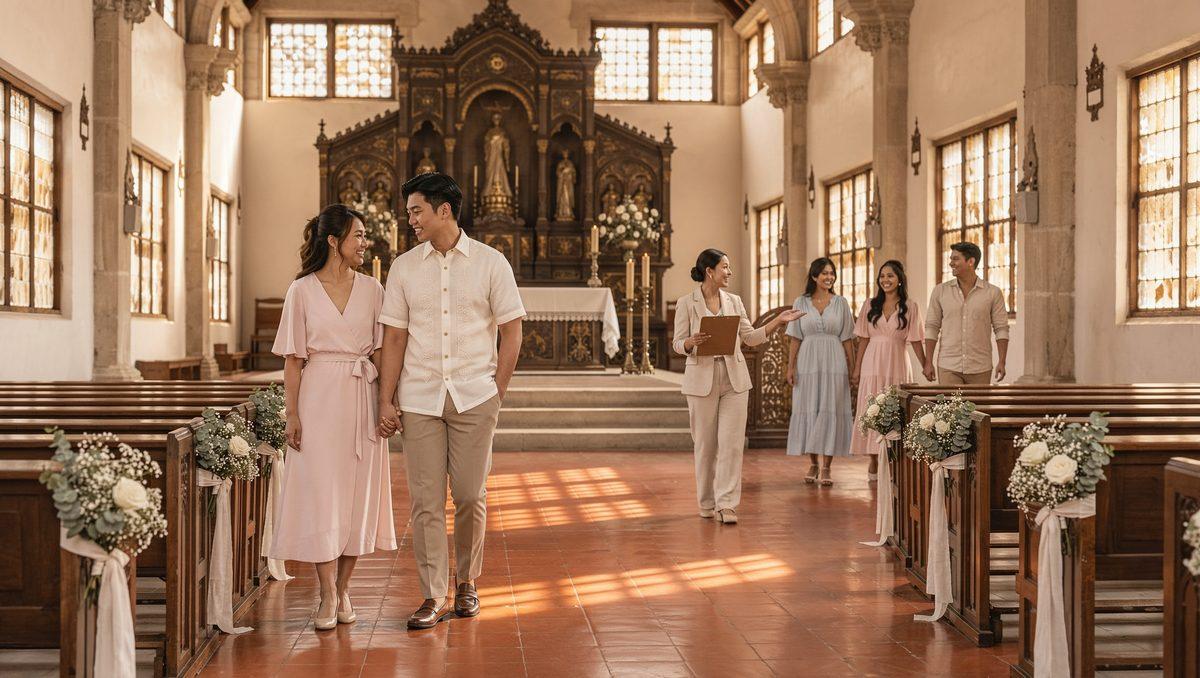
- Church wedding: some parishes have rules on what can be brought near the altar. Keep the kit in the bride's room or with your coordinator at the back, and bring a shawl or bolero if the parish has a dress code.
- Civil wedding: ceremonies at a judge's or mayor's office are short, but waiting times can be long. Pack water, a fan and copies of any documents the office asked you to bring.
- Destination wedding (Boracay, Palawan, Bohol, La Union): add insect repellent, extra sunblock, a waterproof pouch and motion-sickness tablets for boat transfers. Pack the kit in your carry-on, not checked luggage.
Confirm locally: documentary requirements, parish rules and LGU procedures vary per church, diocese and municipality. Check with your parish office, solemnizing officer or local civil registrar what you need to bring on the day. For medicines, follow your doctor's advice.
Final Takeaway
A wedding emergency kit costs little and takes one afternoon to pack, but it saves you from the small stresses that can shake a big day. Prepare it early, split it into pouches and give it to someone you trust.
Want to keep your timeline, supplier contacts and guest list in one place? Create your free wedding website with WedPlanner PH, collect online RSVPs that sync to your guest list, and share call times with your entourage without the endless group chats.