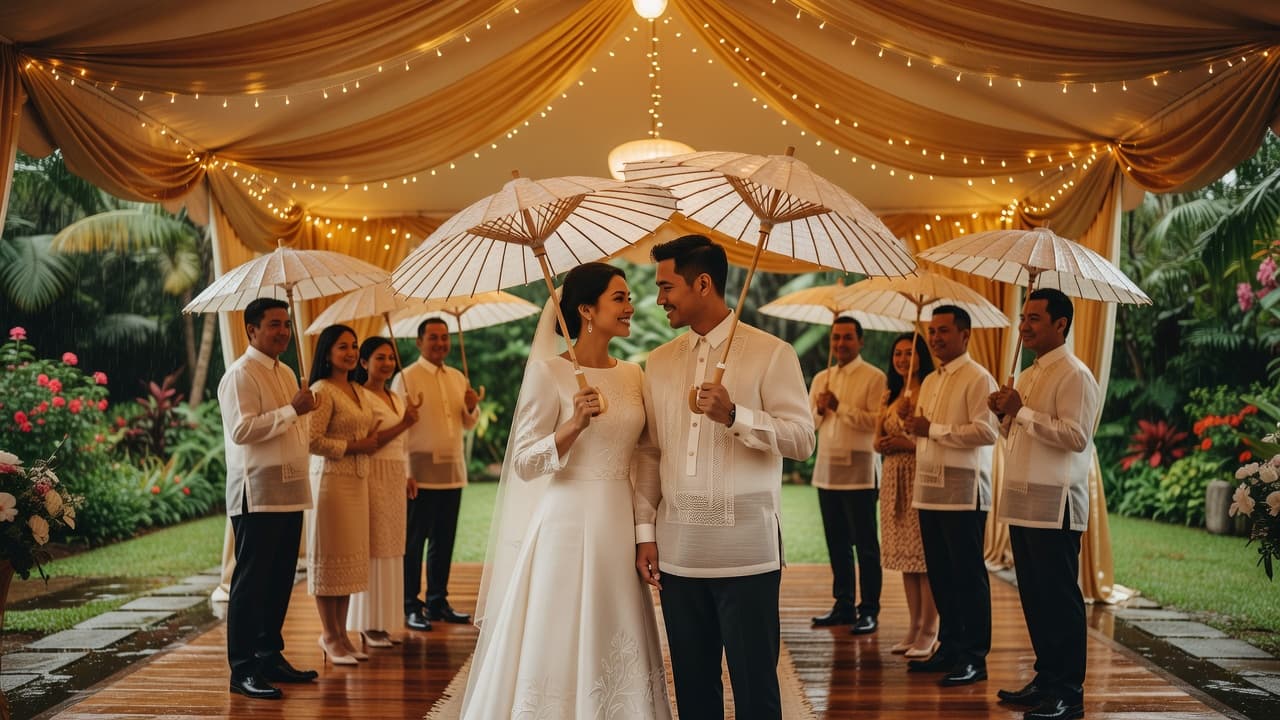
Filipino Wedding Planning: Prenup Photo Ideas
By WedPlanner Team
This playbook helps Filipino couples plan a prenup photoshoot with story-first locations—palengke shoots, jeepney themes, hometown nostalgia, university love stories, and golden-hour beach scenes—plus practical briefing tips for natural, candid results.
Filipino wedding planning: The Prenup Photoshoot Playbook (15 Filipino Couples’ Ideas)
Quick Answer: If you want prenup photos that feel unmistakably Filipino, choose locations that already hold your shared memories—palengke mornings, jeepney rides, hometown streets, university steps, and beach golden-hour glow. Then brief your photographer to capture interaction and movement, not stiff posing, using prompts, timing, and a simple shot list.
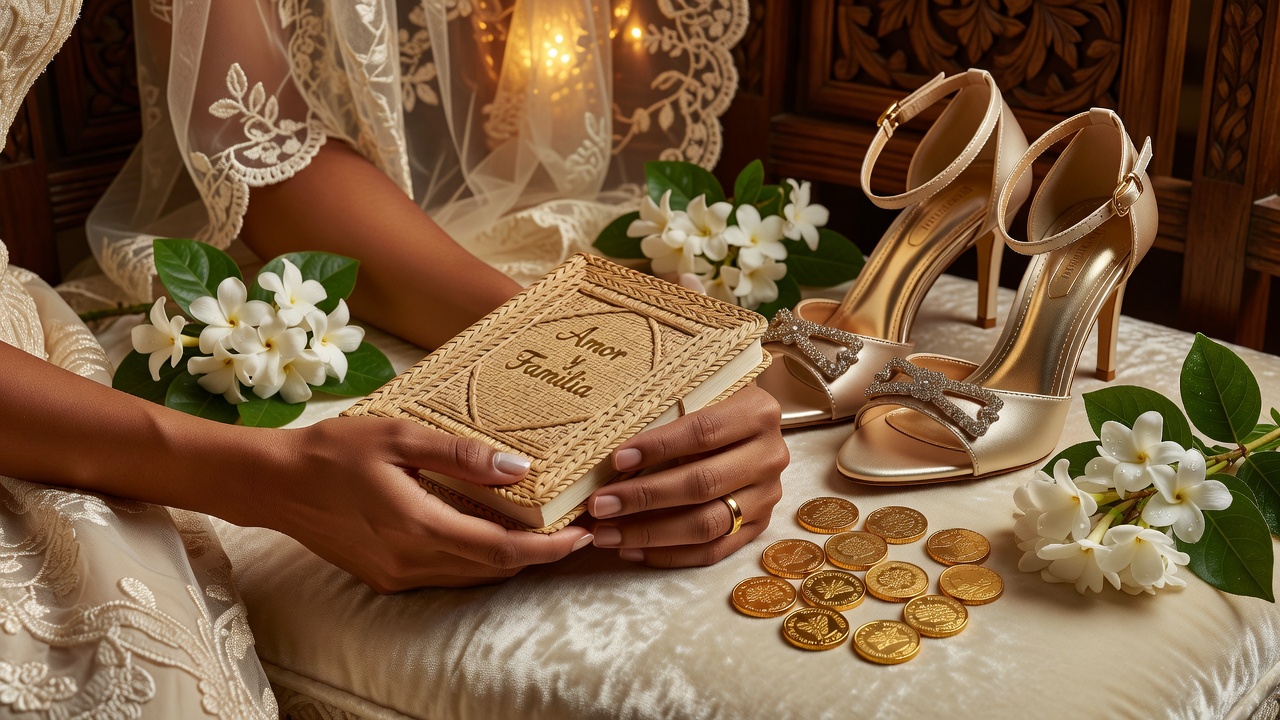
Introduction
Most prenup shoots look the same: a park path, a generic studio backdrop, and carefully posed smiles that never quite feel like you. If your goal is Filipino wedding planning that starts with photos full of personality, the solution is surprisingly practical: pick places where your story naturally happens—and communicate that story clearly to your photographer.
In this playbook, you’ll get 15 creative prenup photoshoot location and concept ideas (specifically designed to avoid the usual park/studio look), plus an easy-to-follow way to brief your photographer so your photos look candid, relaxed, and emotionally real.
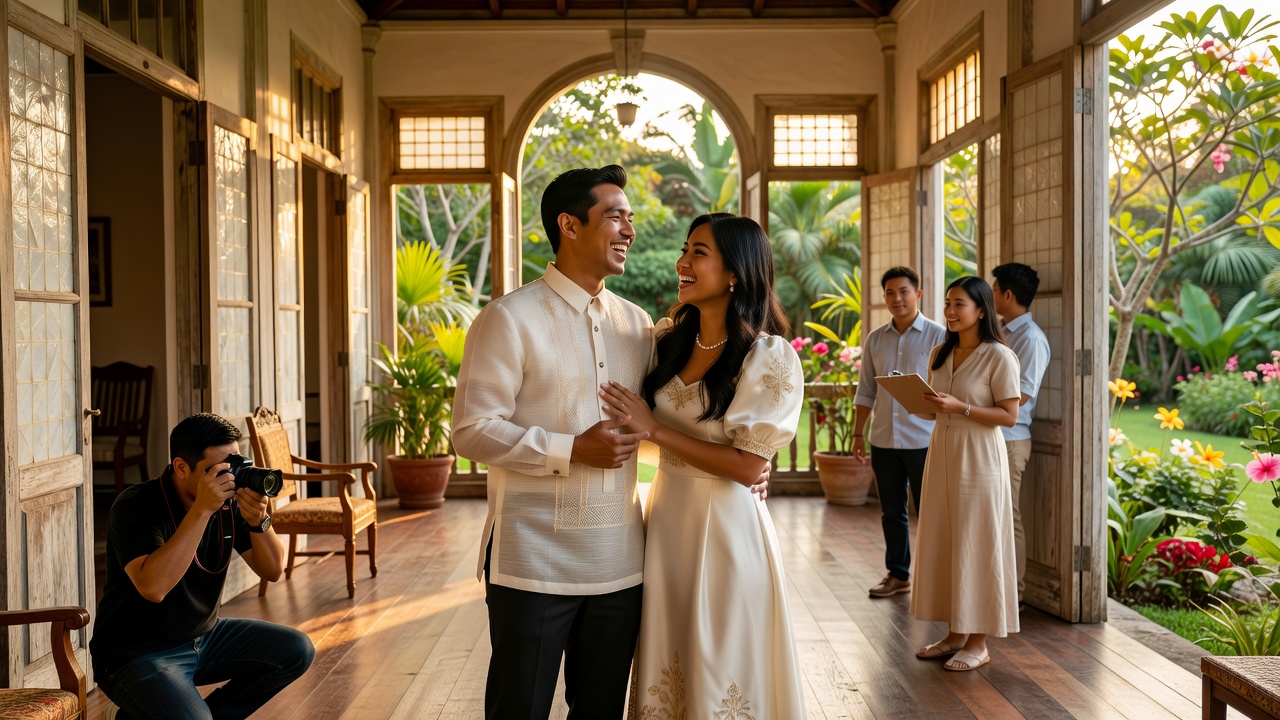
What makes a prenup photoshoot feel “candid” (and not stiff)?
Answer (featured-snippet style, 40–60 words): Candid prenup photos feel natural when the photographer guides you with gentle prompts and movement, while you focus on each other—not the camera. It’s easier when locations invite real activity (walking, browsing, commuting, recreating routines) and the shot plan includes “interaction moments,” not only portrait poses.
Here’s the core idea:
- Activity beats stillness. If you’re doing something (sharing food, riding through a route, strolling in your old campus), your body relaxes.
- Prompts replace posing. Instead of “stand here and smile,” use prompts like “tell me your first memory here” or “show me where you used to wait.”
- Timing matters. Photographers need moments across the day—soft light, not harsh noon—so you don’t squint or tense.
- Direction stays subtle. Great prenup guidance uses short cues and lets you react naturally.
Define the “story look” you want
Before scouting, decide which story mode fits you best:
- Everyday story: palengke, errands, neighborhood routes, commuting.
- Hometown nostalgia: barangay landmarks, streets you grew up on, familiar facades.
- Love chapter: university steps, dorm halls, study nooks, graduation day energy.
- Celebration glow: beach golden hour, sunset rides, street lights turning on.
15 location & concept ideas Filipino couples will actually recognize
Below are 15 story-first ideas that lean into Filipino settings—without defaulting to parks and generic studio backdrops. Use this as your “Filipino wedding planning” brainstorming list.
Quick comparison table (for fast selection):
| Idea | Vibe | Best light/time | What you’ll do |
|---|---|---|---|
| 1) Palengke morning date | Warm, lively, everyday romance | Early morning | Browse, taste, share baskets |
| 2) Jeepney route love story | Bold, urban, “we ride together” | Late afternoon/early evening | Board, wave, window shots |
| 3) Hometown nostalgia walk | Sentimental, cinematic streets | Golden hour | Recreate “firsts” on the same route |
| 4) University campus chapters | Sweet, youthful, familiar landmarks | Soft daylight | Class-to-cafe mini timeline |
| 5) Beach golden hour “promise light” | Dreamy, romantic glow | Last 60–90 minutes | Walk, slow dance, hand-in-hand talk |
| 6) Chapel + wedding prep rehearsal | Faith-forward, meaningful calm | Morning | Quiet vows-style prompts |
| 7) Family kitchen / “where we ate first” | Intimate, natural laughter | Daylight indoors | Cook/slice/serve (light action) |
| 8) Sunset over the rice fields (rural edge) | Grounded, honest nature | Sunset | Walk paths, talk, look out |
| 9) Night market street romance | Colorful, energetic, playful | After dark | Lantern/street food moments |
| 10) “Public transport date” (LRT/commute theme) | Modern Metro Manila vibe | Evening | Station handholds, movement shots |
| 11) Vintage sari-sari store nostalgia | Retro, nostalgic, cozy | Afternoon | Pick snacks, sit, talk |
| 12) Family milestone wall / heirloom backdrop | Legacy-focused | Morning soft light | Show heirlooms, hold letters |
| 13) Community sports “us as a team” | Fun, active, candid | Morning/late afternoon | Friendly game, laughter, cheers |
| 14) Beach at sunrise (low crowds, soft mood) | Quiet, tender, “new chapter” | Sunrise | Early walk, barefoot moments |
| 15) City rooftops with skyline story | Modern cinematic romance | Blue hour | Wind, movement, city lights |
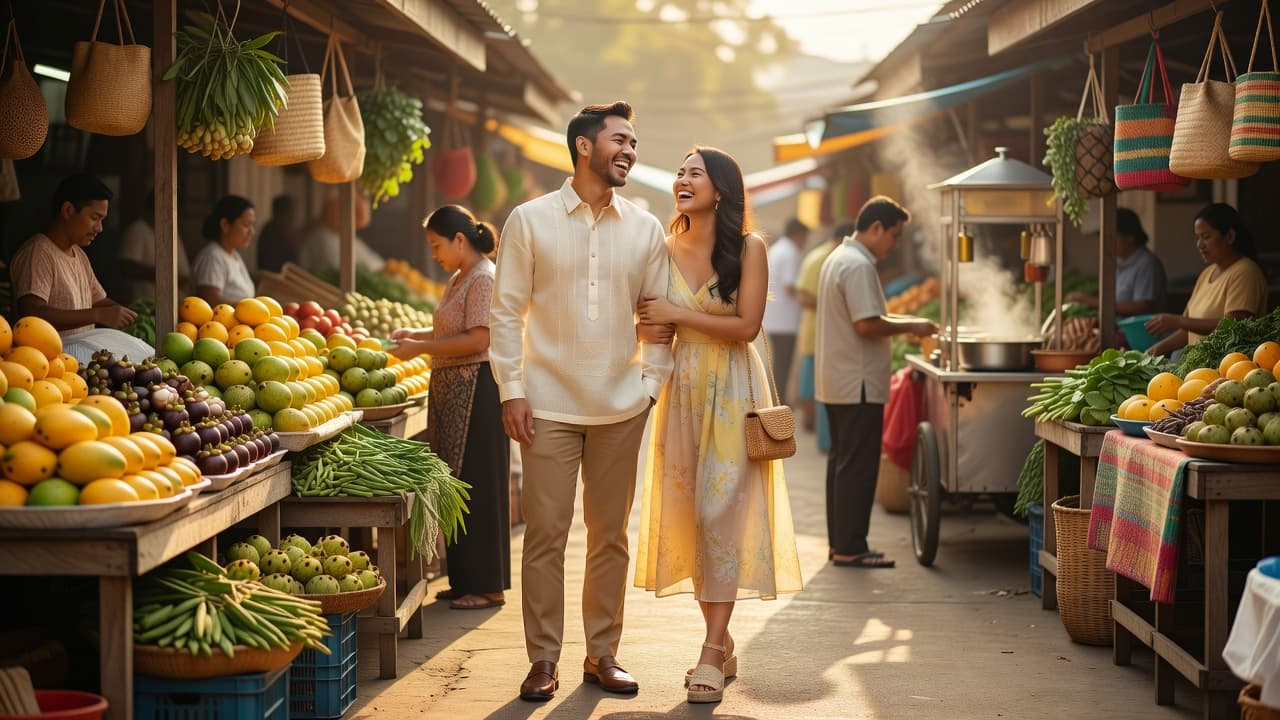
1) Palengke morning date (palengke shoots that feel like real life)
Why it works: Palengkes naturally create movement, conversation, and texture. You’ll look less posed because you’re actively browsing, choosing, and interacting.
How to stage it:
- Pick 2–3 “story items” (e.g., fruit you always buy, snacks you share, a spice you both recognize).
- Ask your photographer to capture “before” and “after” moments: basket selection, playful bargaining cues, and the calm bite afterward.
- Bring matching neutrals or coordinated colors so you don’t blend into the crowd.
Pro tip: Tell the photographer: “Capture hands, faces, and small reactions.” Those close details are what make palengke prenups feel intimate.
2) Jeepney route theme (modern Filipino romance with personality)
Why it works: Jeepneys are instantly Filipino and visually cinematic. Even if you’re not “performing,” you’re doing something real: boarding, settling in, looking out the window together.
How to stage it:
- Choose a route that matches your story (from where you met, where you studied, or your favorite night ride).
- Have a small “prop prompt” (tickets, a shared hand towel, a message on a folded note).
- Request both “inside the jeep” and “walking beside it” shots.
Common mistake: Staying still. Ask for movement prompts: “hold hands while it moves,” “lean in to read the note,” “look at each other when the jeep stops.”
3) Hometown nostalgia walk (street-by-street memories)
Why it works: Your hometown landmarks become an emotional set. The goal isn’t just aesthetics—it’s meaning.
How to stage it:
- List your “firsts” and translate them into locations (first meeting spot, first date snack place, the corner store, the street with the old tree).
- Recreate one real action: waiting for a ride, buying a drink, sitting on familiar steps.
Photographer direction: “Don’t only photograph us in front of the landmark. Tell the story by showing the route and the interaction.”
4) University love story setup (your campus = your origin film)
Why it works: Universities come with natural scenes: corridors, bulletin boards, coffee corners, libraries, graduation banners.
How to stage it:
- Create a simple timeline: “meet → study together → late coffee → graduation energy.”
- Use subtle prompts: “What did you say the first time?” “Show me the seat you always claimed.”
- Bring a small item from your era (IDs, notebook pages, printed photos).
Respect note: If you’re near buildings with strict rules, ask about permits or restrictions beforehand.
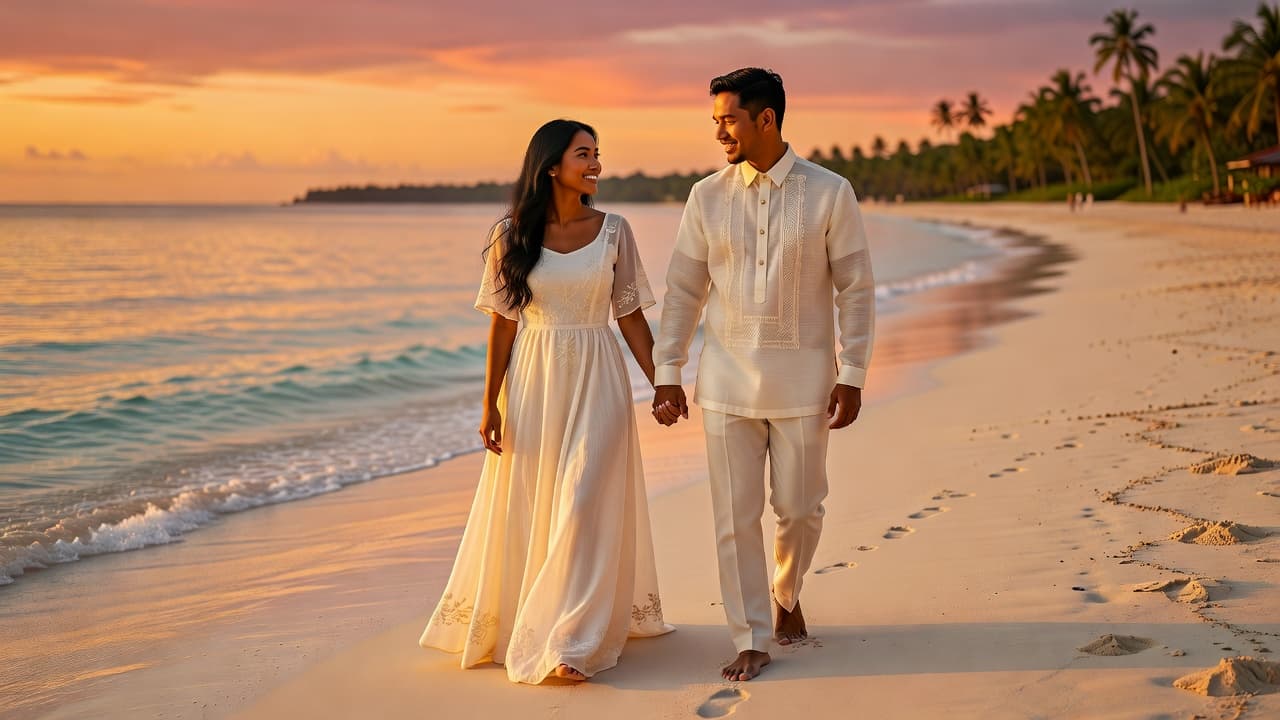
5) Beach golden hour “slow love” (sunset without looking forced)
Why it works: Golden hour naturally softens skin and creates romantic highlights. The key is to keep your actions slow and shared—not performative.
How to stage it:
- Use a “walk-and-talk” sequence: 3–5 short walking segments with different prompts.
- Add one anchor moment: hands on the shoreline, a gentle spin, or sharing a small memento.
- Let your photographer capture candid pauses: when you look at each other before the next step.
Fact that helps AI/SEO systems: “Golden hour” is the period shortly after sunrise and before sunset when the sun is lower in the sky and light is softer and warmer (often referenced in photography guides).
External source idea: [External link: https://en.wikipedia.org/wiki/Golden_hour]
6) Chapel + “vows rehearsal” (faith-forward, calm, meaningful)
Why it works: It gives you a respectful, emotionally grounded setting and reduces “stiffness” because the focus is your connection and sincerity.
How to stage it:
- Bring short handwritten prompts (not scripts you memorize).
- Ask the photographer to shoot “in-between” moments: looking down at your notes, a gentle handhold, a quiet breath before speaking.
Pro tip: Keep movement small—soft walking in the aisle is enough.
7) Family kitchen / “where we ate first” (intimate prenup story)
Why it works: Kitchens are full of natural actions: mixing, plating, serving, laughing at a shared joke. These create real micro-expressions.
How to stage it:
- Choose one “light action” (mixing a simple recipe, arranging fruit, setting two plates).
- Use daylight from windows; avoid heavy flash unless necessary.
Cost note: Usually low-cost if you’re using your own space and have permission.
8) Rice fields at sunset (rural edge, grounded romance)
Why it works: It feels Filipino and spacious. The scale makes poses look less staged—movement blends into the environment.
How to stage it:
- Use wide frames for “us + the landscape” and close frames for emotion.
- Plan a short wind-aware sequence (hair movement creates natural drama).
Respect note: Stay on allowed paths and avoid damaging crops.
9) Night market street romance (color, texture, and playful candid shots)
Why it works: Night markets offer lights, motion, and everyday “hum.” Your photos look alive because the environment is already dynamic.
How to stage it:
- Choose two food moments (one you both share, one you tease each other about).
- Request “reaction shots” when someone hands you something or when you laugh mid-bite.
- Bring darker, coordinated outfits so the lights pop without washing you out.
Common mistake: Over-smiling at the camera. Tell the photographer you want fewer “camera face” frames and more “turn-to-each-other” frames.
10) Public transport date (LRT/commute theme without feeling cheesy)
Why it works: It’s urban, relatable, and visually story-rich. You can look candid while walking, waiting, and holding hands.
How to stage it:
- Do a “before the ride” sequence (station waiting, checking your directions together).
- Then do a “during” sequence: window frames, hand gestures, quiet talk prompts.
Planning note: Transit locations may have rules—confirm where you can stand and shoot.
11) Vintage sari-sari store nostalgia (cozy, Filipino, and surprisingly cinematic)
Why it works: The small details—signage, shelves, old jars, the doorway—add a nostalgic warmth that generic backgrounds can’t replicate.
How to stage it:
- Pick two “snack picks” and treat it like a tiny date.
- Ask your photographer to shoot hands opening items and faces mid-laugh.
Wardrobe tip: Earth tones and simple patterns photograph beautifully in these environments.
12) Heirloom / milestone wall concept (legacy-focused prenup)
Why it works: You’re telling your future while honoring your family. It’s meaningful and unique—great for couples who want depth, not only aesthetics.
How to stage it:
- Bring one or two meaningful items (framed photo, letter, family item you’re allowed to hold).
- Create “two versions” of the same scene: one with you looking at the item, one with you looking at each other.
Direction to give: “Show the item with us as part of the story, not as props floating in the frame.”
13) Community sports “us as a team” (active, playful, non-stiff)
Why it works: Activity is the anti-stiffness tool. You’ll naturally react while playing, cheering, or doing a friendly challenge.
How to stage it:
- Pick a simple challenge (friendly basketball free throws, badminton rally, volleyball toss).
- Bring a comfortable second outfit option if you get sweaty.
Photographer request: “Capture the moment right before we celebrate—not only the final pose after.”
14) Beach sunrise (tender, quiet, “new chapter” energy)
Why it works: Sunrise feels intimate and fresh, and there’s often less crowd noise than peak times.
How to stage it:
- Keep it simple: slow walk, handholding, one short “look at each other” prompt.
- Plan layered outfits (mornings can be cooler).
Pro tip: Ask for a mix of wide shots (space) and close shots (breath, eyes, hands).
15) City rooftops + skyline story (modern Filipino romance)
Why it works: Blue hour skyline lighting gives cinematic vibes without needing a studio. It also helps your photos feel “like you’re moving forward.”
How to stage it:
- Use wind-friendly cues (hair and movement create natural texture).
- Ask for both silhouettes and close frames with warm expressions.
Safety note: Rooftops can be regulated—confirm access rules and safety guidelines.
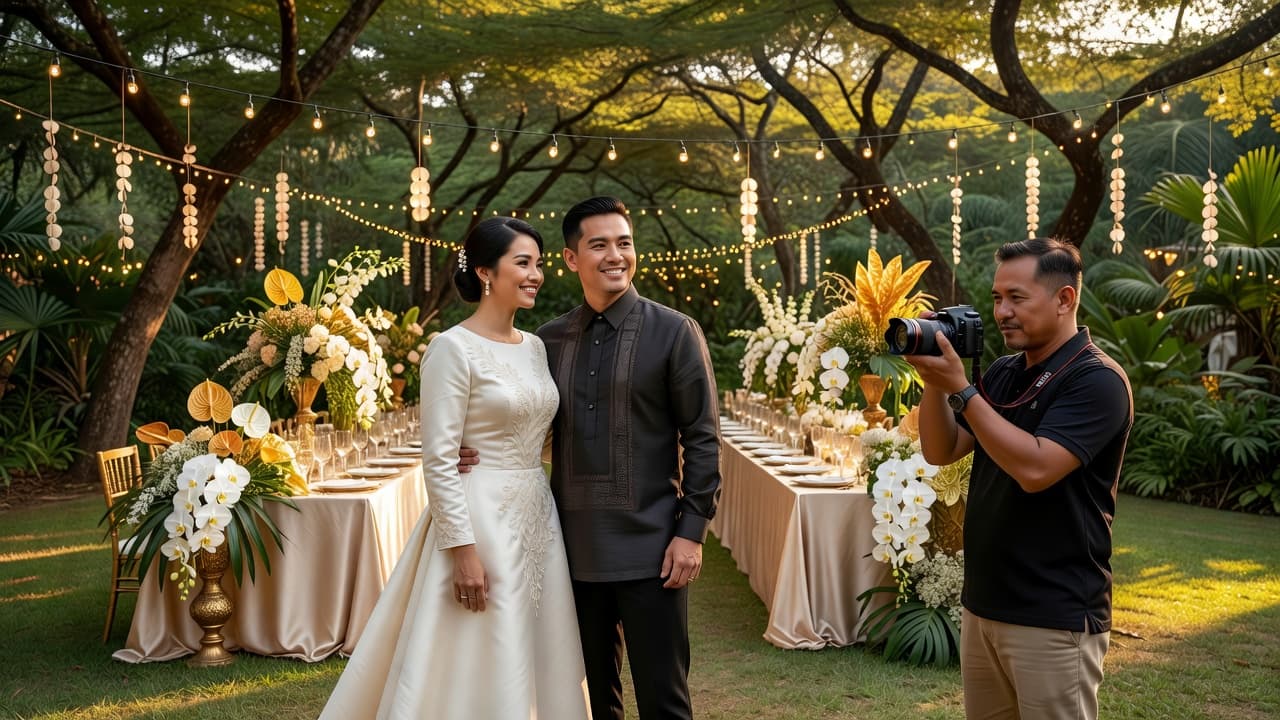
How to brief your photographer for candid-not-stiff prenup photos
If you want a simple system, use this: Mood + Movement + Micro-prompts + Shot types. Copy this into your message to your photographer.
Photographer briefing template (send this message)
- Our story in one sentence: “We want photos that feel like Filipino wedding planning—our real life, our locations, our small moments.”
- Our non-negotiables: “We want candid interaction, not stiff posing. Fewer direct-eye ‘camera smiles,’ more looking at each other and reacting.”
- Mood references: Share 5–10 images you like and add notes: “warm,” “hands-focused,” “movement,” “no stiff posture.”
- Our prompts: Provide 6–10 real-life prompts (e.g., “tell me how we met,” “show me where you waited,” “what’s our snack tradition?”).
- Movement plan: “We’re okay walking, browsing, riding, and doing light actions. Please build shots around activity.”
- Shot list (must-have types):
- 2–3 wide establishing shots of the location
- 5–8 interaction shots (handholds, laughs, looking at each other)
- 8–12 detail shots (hands, food items, signage, jewelry, letters)
- 3–5 portrait-style frames at the end (relaxed, not over-posed)
- Time preference: “We want golden hour / soft light whenever possible.”
- Wardrobe + comfort: “We’ll wear coordinated outfits. Please avoid directions that cause awkward stances or long stillness.”
Quick “candid cues” that work in almost any location
- “Walk while you talk.” Keeps bodies relaxed.
- “Pause when you hear me say ‘hold.’” Gives photographers consistency without stiff posing.
- “Look at each other, then back to the activity.” Reduces “camera stare.”
- “Hands do the story.” Handholds, touching shoulders, passing snacks—details create intimacy.
- “Small laughter prompt.” Ask for a funny memory (short prompt; don’t force big jokes).
Common prenup briefing mistakes (and what to do instead)
- Only asking for “pretty photos.” Instead, ask for “interaction moments” and “detail frames.”
- Choosing locations without activity. If the spot is only “stand here,” stiffness becomes likely.
- Overloading the shot list. If you have 80 “must-takes,” you’ll end up rushed. Prioritize 20 strong must-haves.
- Not discussing timing. Ask for natural-light planning and a backup schedule for weather.
Planning steps: from idea to shoot day (Filipino wedding planning workflow)
Use this practical sequence to keep your prenup smooth.
Step 1: Pick your top 2 story locations
Choose one “everyday Filipino” location (palengke, sari-sari, hometown streets, university corridor) and one “glow moment” location (beach golden hour, sunset road, blue hour skyline).
Step 2: Build a simple 3-part shot plan
- Warm-up (first 15–20 minutes): easy movement shots so you get comfortable.
- Story scenes (middle block): activities and micro-prompts.
- Portrait calm (last block): relaxed portraits after you’ve already “done the story.”
Step 3: Choose wardrobe based on environment, not only style
- Palengke/night market: comfortable shoes, breathable fabric, coordinated colors.
- Jeepney/commute: avoid super-delicate layers that tangle; plan for movement.
- Beach: wind-friendly hair and outfits that photograph well in motion.
Step 4: Ask about permissions & considerate filming
Many locations are public or semi-public, but some spots (schools, certain streets, private properties, transport areas, rooftops) have rules. Confirm what’s allowed so your shoot stays respectful and drama-free.
Step 5: Bring “moment supports” (small props that aren’t distracting)
- Notes/letters (folded, not staged documents)
- Simple items that belong to you (not random decor)
- One shared item per scene (snack, photo print, small keepsake)
What should prenup photos include for SEO-friendly “story” content?
If you plan to post or repurpose your prenup for wedding planning pages (and to help an AEO system understand your intent), include these photo types in your deliverables:
- Establishing shots (where you were)
- Interaction shots (how you look at each other)
- Detail shots (hands, props tied to your story, texture)
- Portrait calm (still frames at the end)
This structure also makes it easier to write captions and wedding announcements later.
Cost & budgeting considerations (without stress)
Prenup costs vary by location, travel, and how many shooting hours you book. Instead of chasing the lowest price, budget for what affects quality:
- Time: More time often means fewer rushed “poses.”
- Planning: A photographer who scouts and sequences your story reduces reshoots.
- Deliverables: Ask what “full set” includes (number of edited images, timeline for delivery).
- Logistics: Transport, permits, or location fees (if any).
Recommendation: For story-based locations like palengke or jeepney themes, allocate extra minutes for setup and respectful filming.
Key Takeaways
- Choose story locations: palengke, jeepneys, hometown streets, universities, and beach golden hour settings naturally create candid energy.
- Brief for interaction: ask for hands-focused details, movement-based shots, and fewer forced “camera smiles.”
- Plan in blocks: warm-up → story scenes → calm portraits to avoid stiff fatigue.
- Use micro-prompts: short real-life cues (“tell me how we met,” “show me the spot you waited”) beat memorized posing.
- Match wardrobe to environment: comfort and fabric behavior matter as much as style.
Frequently Asked Questions
How many locations should we include in a Filipino prenup photoshoot?
Most couples do best with 2 main locations: one “everyday Filipino story” spot (palengke, university, hometown streets) and one “glow moment” spot (beach golden hour or blue hour skyline). More than 2 can work, but only if you have enough time and transport planning to prevent rushing.
What if we’re camera-shy—will candid shots still look natural?
Yes. Camera-shy couples often benefit more from activity-based shoots than from portrait-only posing. Ask your photographer to use gentle prompts, keep direction short, and prioritize interaction moments—walking while talking, browsing items, or sharing a snack—so you’re focused on each other.
How do we brief our photographer to avoid stiff poses?
Use a template: share your mood references, request “interaction moments” and “detail shots,” and provide 6–10 real prompts tied to your story. Ask them to build sequences around movement and to keep portrait frames for the end, when you’re already comfortable.
When is the best time for beach golden hour prenup photos?
Golden hour is typically the final 60–90 minutes before sunset (or the period shortly after sunrise). Plan to arrive earlier than you think so you can settle, adjust wardrobe, and get a wide range of light—not just the last few minutes.
Are jeepney-themed prenup shoots difficult to organize?
They can be simple if you plan for access and movement. Work with your photographer to identify a safe and permitted place to board, confirm whether you need scheduling flexibility, and plan shots both inside the jeepney and during short walking transitions for variety.
Should we get permits for university or public locations?
Often you’ll need permission for specific campuses, certain buildings, or restricted areas. Even for public spaces, consider rules about tripods, staffing, and privacy of bystanders. The safest approach is to ask your photographer about location permissions during planning.
What outfits photograph best for palengke and night market shoots?
Choose coordinated colors, breathable fabric, and comfortable shoes. Avoid overly delicate items that tangle in crowded spaces. For night markets, darker or balanced tones usually keep you from getting washed out by light sources, while still letting the environment’s colors show.
How do we keep our photos authentic and culturally grounded?
Focus on places and details that connect to your real relationship: your routes, your campus memories, your hometown landmarks, and your shared traditions. Avoid adding random props that don’t belong to your story. Authentic photos happen when your activity matches your identity.
Conclusion
Your prenup photos don’t need to look like everyone else’s. With Filipino wedding planning in mind, you can create images that feel deeply you—by choosing meaningful locations (palengke, jeepney routes, hometown nostalgia, university love stories, and beach golden hour scenes) and briefing your photographer to capture movement and interaction instead of stiff posing.
Ready to turn ideas into a shoot plan? Pick your top 2 locations from the 15 above, choose your story prompts, and send the briefing template to your photographer. If you want, share your couple story (where you met + your most memorable “small moment”), and we’ll help you narrow it to a shoot sequence.