Prenup Photoshoot Ideas for Filipino Couples: 10 Locations That Arent Overdone
By WedPlanner Team
Skip the crowded gardens. Discover 10 creative, culturally rich prenup locations for Filipino couples—from palengke to jeepneys—with photographer briefing tips for every setting.
Prenup Photoshoot Ideas for Filipino Couples: 10 Locations That Arent Overdone
Quick Answer: The best prenup locations for Filipino couples go beyond manicured gardens and hotel lobbies. Think palengke mornings, jeepney rides, university hallways, hometown streets, and quiet beaches. Each tells a real story—yours. Below, you'll find 10 unique locations, why they resonate with Filipino culture, and how to brief your photographer to nail the shot.
Introduction: Why "Pretty" Isnt Enough Anymore
Filipino couples are tired of the same prenup templates.
You know the ones: a couple in formal wear standing stiffly in a garden, shot at golden hour with a blurry background. Its beautiful, sure. But it could be anyone.
Your prenup photos should feel like *you*. They should carry the texture of your relationship—where you met, what you love, how you actually spend Saturdays together.
Filipino wedding planning is evolving. Couples now want authenticity over perfection. They want photos that spark conversation, not just compliments. And for that, you need a location with meaning.
This guide covers 10 prenup locations that arent overdone—places rooted in Filipino life, not just aesthetics. For each, you'll get location insights, cultural context, and practical photographer briefing tips so your shoot runs smoothly.
Ready to plan something memorable?
1. The Palengke (Public Market)
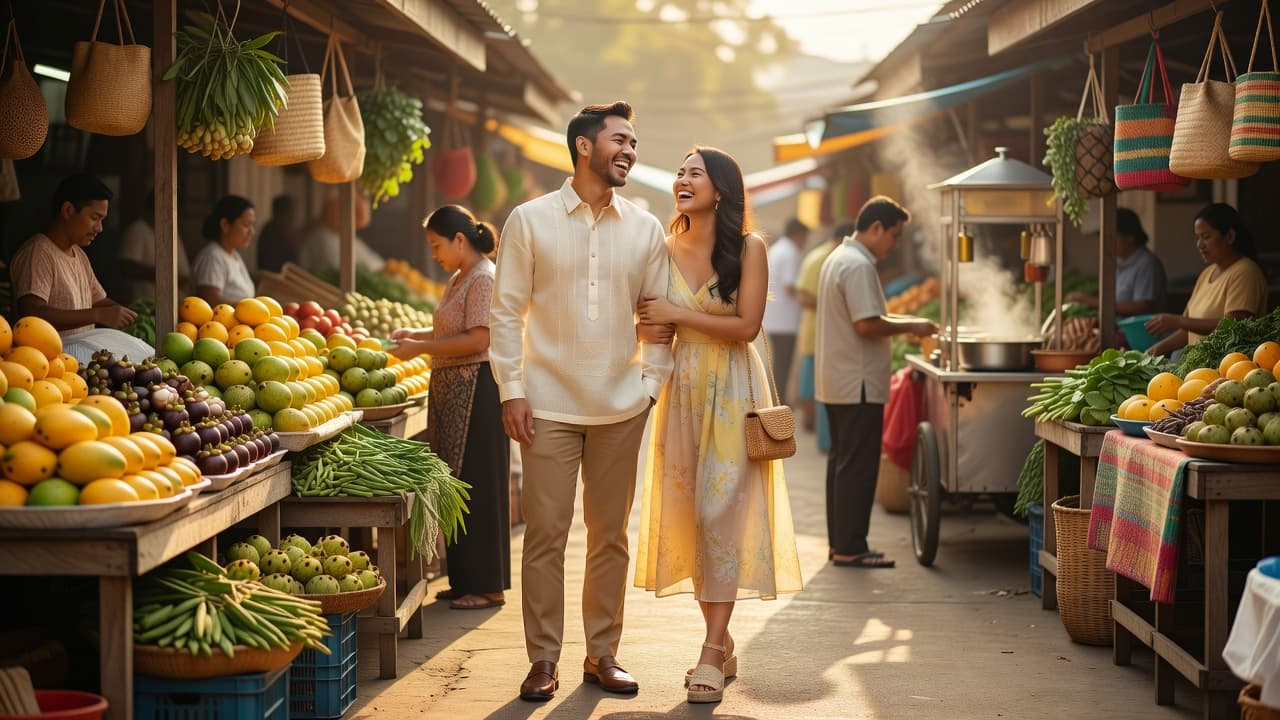
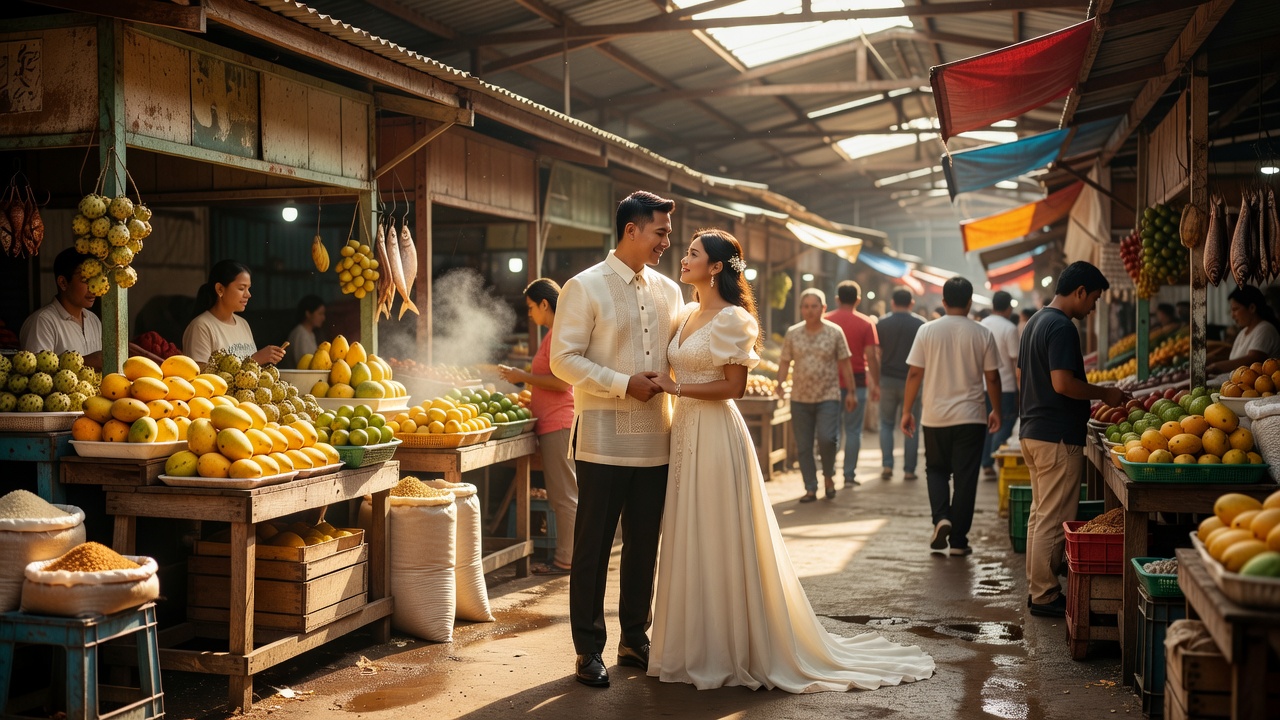
Why it works: The palengke is the beating heart of Filipino community life. Its loud, colorful, messy, and alive—just like real love.
Shooting here grounds your photos in everyday Filipino reality. Vendors call out prices. Fish glisten on ice. Bananas hang in golden arcs. The chaos becomes texture. Your photographer can capture candid moments—holding hands past a dried fish stall, laughing over a shared stick of fishball.
Photographer briefing tips:
- Shoot early morning (6:00–8:00 AM) before crowds peak.
- Use a 35mm or 50mm lens for intimacy without distortion.
- Ask permission from vendors—bring small tokens (bread, fruit) as thanks.
- Embrace motion blur and environmental noise; dont fight the setting.
- Wear casual, breathable outfits—linen, cotton, muted tones.
Pro tip: End the shoot with a shared breakfast of tapsilog or taho from a nearby carinderia. The relaxed energy shows in the final frames.
2. Inside a Jeepney
Why it works: The jeepney is Filipinos most iconic mode of transport—and one of the most underused prenup backdrops. Its cramped, colorful, and unmistakably Pinoy.
For couples who met commuting, grew up riding jeeps, or just love urban energy, this location hits different. The stainless steel, neon signs, and hand-painted slogans create visual richness no studio can replicate.
Photographer briefing tips:
- Rent a parked jeepney for 1–2 hours (contact local operators or jeepney associations).
- Use wide-angle lenses inside to capture the full interior.
- Shoot from outside looking in for dramatic framing.
- Bring portable LED panels or use natural light from open windows.
- Coordinate outfits with the jeepneys color palette—dont clash.
Pro tip: Include the driver in a few frames. The interaction adds warmth and honors the real people behind the culture.
3. Your University Campus
Why it works: If you met in college, your alma mater holds your origin story. Hallways, libraries, cafeterias, and covered walks carry emotional weight that a rented garden never will.
Filipino universities—from UP Dilimans acacia trees to USTs historic Main Building—offer architecture, greenery, and nostalgia in one location. Its personal, relatable, and free.
Photographer briefing tips:
- Visit during sem break or weekends to avoid student traffic.
- Recreate specific memories: the bench where you first talked, the library table you shared.
- Shoot during overcast days for soft, even lighting on concrete and stone.
- Mix wide shots (building facades) with tight detail shots (hands, textbooks, ID lanyards).
Pro tip: Wear your university colors subtly—scarfs, accessories, or sneakers. It signals belonging without being costume-y.
4. Your Hometown Barangay
Why it works: Nothing says "this is us" like the streets where one of you grew up. The sari-sari store corner. The basketball court. The church steps. The narrow alley where you used to walk to school.
For Filipino couples, hometown roots matter. Featuring your barangay in your prenup honors your family, your history, and the place that shaped you. Its deeply personal and impossible to replicate.
Photographer briefing tips:
- Do a location scout with your photographer 1–2 weeks before.
- Shoot during the "blue hour" (dusk) when street lamps flicker on.
- Candid poses work best—sit on a bench, lean against a gate, walk with your parents.
- Ask neighbors permission; involve them as background characters.
Pro tip: Bring your parents or siblings for a few frames. The generational contrast adds emotional depth and honors your roots.
5. An Uncrowded Provincial Beach
Why it works: Beach prenups are common. But not *this* beach.
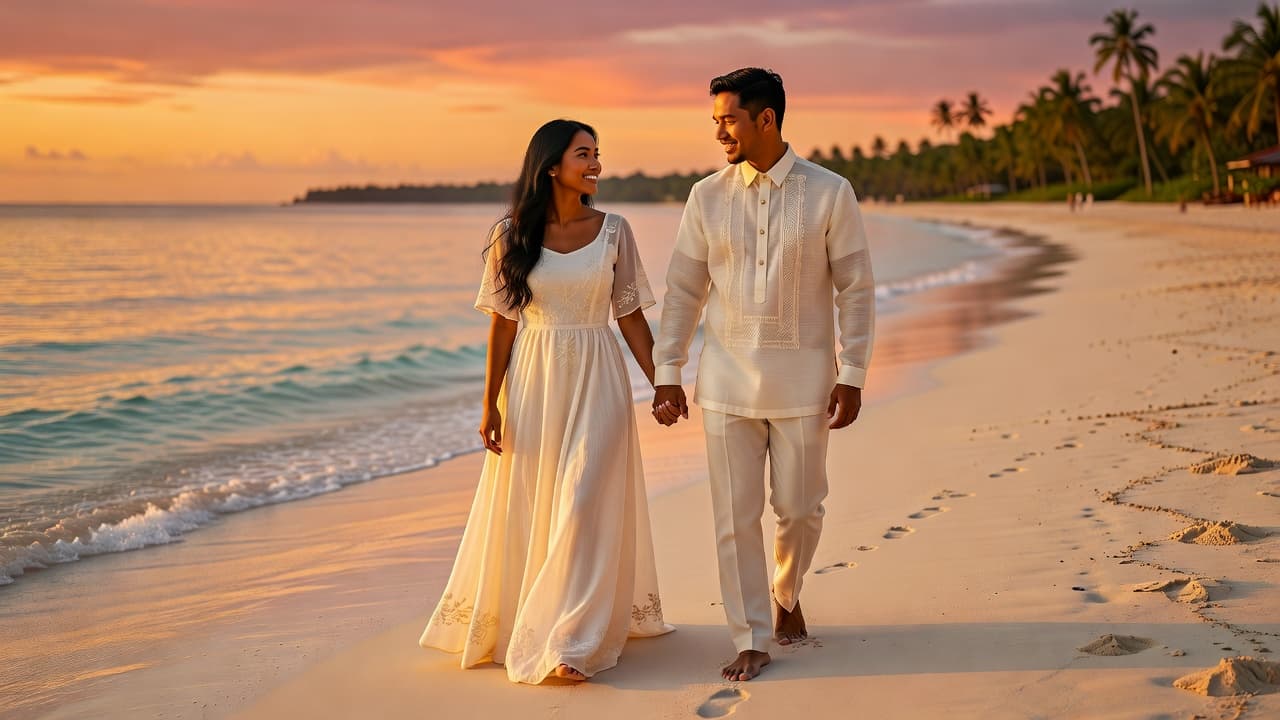
Skip Boracay, Palawan, and La Union on peak weekends. Instead, seek out lesser-known shores in Quezon, Bataan, CamSur, or Samar. The emptiness becomes the feature. You get raw coastline, untouched sand, and light that isnt competing with a hundred other photo teams.
Photographer briefing tips:
- Shoot at sunrise, not sunset—fewer people, softer light.
- Use a polarizing filter to cut water glare and deepen sky tones.
- Bring towels and a change of clothes; plan for saltwater and wind.
- Embrace the elements—windblown hair and wet feet look natural, not messy.
Pro tip: Coordinate with a local resort for changing rooms and a simple breakfast. Supporting local businesses adds purpose to your shoot.
6. A Family Farm or Rice Field
Why it works: The Philippines is agricultural at its core. Rice fields, coconut groves, and family farms offer landscape-scale beauty with personal connection.
If either of you has provincial roots, this location bridges generations. The green terraces of Ifugao, the wide paddies of Nueva Ecija, or even a grandparents backyard vegetable patch—all carry meaning. The light at dawn is extraordinary.
Photographer briefing tips:
- Shoot during planting or harvest season for visual texture.
- Use drones (if permitted) for wide landscape shots with you as a small figure.
- Wear earth tones—olive, cream, rust, terracotta.
- Bring boots. Mud is part of the aesthetic, but wet feet arent.
Pro tip: Include farming tools or produce as props. A straw hat, a basket of tomatoes, or a hand on a plow adds authenticity.
7. A Heritage House or Ancestral Home
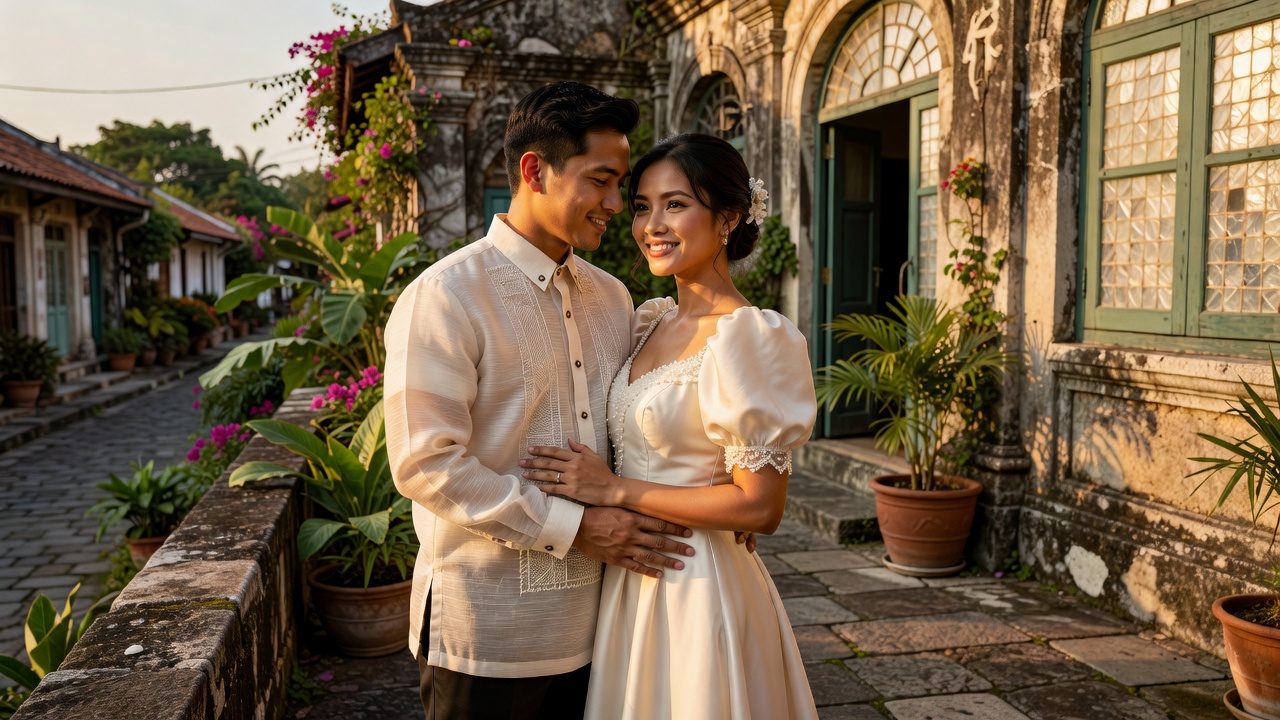
Why it works: Spanish-era bahay na bato, mid-century bungalows, and ancestral homes carry architectural weight and family memory. Locations like Vigan, Silay, or Taal offer streets lined with preserved history.
For couples with family heirlooms or old-soul aesthetics, heritage houses provide built-in storytelling. Capiz windows, narra furniture, and tiled floors need no set dressing.
Photographer briefing tips:
- Contact homeowners or local tourism offices for permits.
- Use natural window light—its softer and more flattering than flashes on antique wood.
- Shoot details: door knockers, stair balusters, vintage clocks.
- Wear classic, timeless outfits—avoid trendy pieces that date the photos.
Pro tip: Ask elders for stories about the house beforehand. Knowing the history helps you inhabit the space with intention.
8. A Local Bakery or Panaderia
Why it works: The panaderia is a daily ritual in most Filipino barangays. The warmth, the flour dust, the pandesal trays—it smells like home.
For food-loving couples, this location is unexpected and joyful. Youre not posing; youre breaking bread together. The golden interior light and the bakers choreography create cinematic frames without trying.
Photographer briefing tips:
- Arrive before opening hours to shoot prep work—kneading dough, firing ovens.
- Use fast lenses (f/1.8 or wider) for the dim interior.
- Capture steam, flour clouds, and oven glow as ambient effects.
- Buy a dozen pandesal after. Its good manners and a great closing shot.
Pro tip: Coordinate with the owner for a quiet corner or counter moment. Most are delighted to be featured.
9. A Ferry or Small Port
Why it works: The Philippines is an archipelago. Ferries, bangkas, and small ports are part of daily life for millions—and they make striking, cinematic backdrops.
The industrial textures (ropes, steel, salt, paint) contrast beautifully with formal wear. Early morning departures offer mist, golden light, and a sense of journey. Its metaphorical, too: youre embarking on a new life together.
Photographer briefing tips:
- Coordinate with port authorities for access—arrive with permits ready.
- Shoot during embarkation or docking for motion and energy.
- Bring telephoto lenses to compress the background (water, ships, horizon).
- Wear wind-resistant outfits; avoid loose skirts that billow uncontrollably.
Pro tip: Include tickets, backpacks, or coffee cups as props. Small details make the scene feel lived-in, not staged.
10. A Rooftop Overlooking Your City
Why it works: Not every meaningful location is rural or nostalgic. For urban Filipino couples, the city itself is home—the skyline, the traffic, the lights at night.
A rooftop at blue hour captures the pulse of modern Philippine life. Its romantic without being traditional, dramatic without being cliché.
Photographer briefing tips:
- Secure rooftop access through building admin or friends with units.
- Shoot during the "blue hour" (30 minutes after sunset) for the best sky tones.
- Use tripods for long exposures that turn traffic into light trails.
- Bring a portable light or speedlight for fill on faces.
Pro tip: Include landmarks that matter to you—a specific tower, bridge, or barangay boundary. It makes the skyline *yours*.
How to Choose the Right Location for You
With 10 strong options, how do you pick?
Start with your story, not Pinterest. Ask:
- Where did we meet?
- What do we do every weekend?
- What place feels like "us" even if its not "pretty"?
- What do we want to remember 20 years from now?
The best prenup photos arent the most technically perfect. Theyre the most emotionally true.
Key Takeaways
- Skip overdone garden and hotel shoots—Filipino couples deserve locations with personal and cultural meaning.
- The palengke, jeepney, university, hometown, and quiet beaches offer texture and authenticity no studio can match.
- Photographer briefings matter: scout early, use the right lenses, and respect the people and places you shoot in.
- Involve locals—vendors, drivers, family, bakers. They deepen the story and honor the community.
- Choose locations based on your shared history, not trending Instagram posts.
- Golden hour is overrated. Blue hour, early morning, and overcast days often yield better results.
- Wear outfits that fit the location—dont force formalwear where it doesnt belong.
Frequently Asked Questions
What is a prenup photoshoot?
A prenup or pre-wedding photoshoot is a photography session held before the wedding. Filipino couples use it for save-the-date cards, invitations, and social media announcements.
How much does a prenup photoshoot cost in the Philippines?
Costs range from ₱8,000 for budget packages to ₱80,000+ for high-end shoots with multiple locations, hair and makeup, and couture styling. Location fees and permits are usually extra.
Do I need permits for prenup locations?
Yes, most public spaces, markets, ports, and heritage sites require permits. Contact local barangay halls, tourism offices, or property owners at least two weeks in advance.
What should I wear for a prenup shoot?
Wear outfits that match your location. Casual linen for palengke shoots. Classic cuts for heritage houses. Earth tones for farms. Coordinate colors with your partner, but dont match exactly.
How many locations should we include?
Most packages cover 1–3 locations in a half-day session. More than three risks rushed shots and exhausted faces. Prioritize depth over breadth.
Can we bring family members to the shoot?
Absolutely—especially for hometown and heritage locations. Including parents or siblings adds emotional depth and honors the generations that shaped you.
What time of day is best for outdoor prenup shoots?
Early morning (6:00–8:00 AM) offers soft light and empty locations. The blue hour (dusk) creates dramatic skies. Midday is usually avoided due to harsh shadows.
How do I brief my photographer for a unique location?
Share reference photos, visit the location together beforehand, explain the personal significance, and discuss lighting challenges. Give them creative freedom within your story.
Are unconventional prenup locations safe?
Most are safe with proper planning. Scout locations in advance, bring a small team, secure permits, and avoid risky terrain. Trust your instincts—if a location feels unsafe, pivot.
How far in advance should we book a prenup photographer?
Book 3–6 months ahead, especially for popular photographers and weekend slots. This also gives time for location scouting, permit applications, and outfit planning.
Conclusion: Your Story Deserves a Real Backdrop
The best prenup photoshoot ideas for Filipino couples arent found in trend reports. Theyre found in your daily life—the market where you buy breakfast, the jeepney you used to take home, the campus where you first met.
Filipino wedding planning is about more than logistics. Its about honoring where you came from as you step into what comes next.
So skip the overdone gardens. Pick a location that feels like yours. Brief your photographer well. And show up as yourselves.
Ready to find the perfect photographer for your chosen location?
[Internal link: Browse prenup photographers by location on WedPlanner PH] or [Internal link: Book a free wedding planning consultation]. WedPlanner PH connects you with vetted photographers who understand Filipino couples, Filipino locations, and the stories worth telling.