Cebu Prenup Outfit Planning Guide (Cohesive & Effortless)
By WedPlanner Team
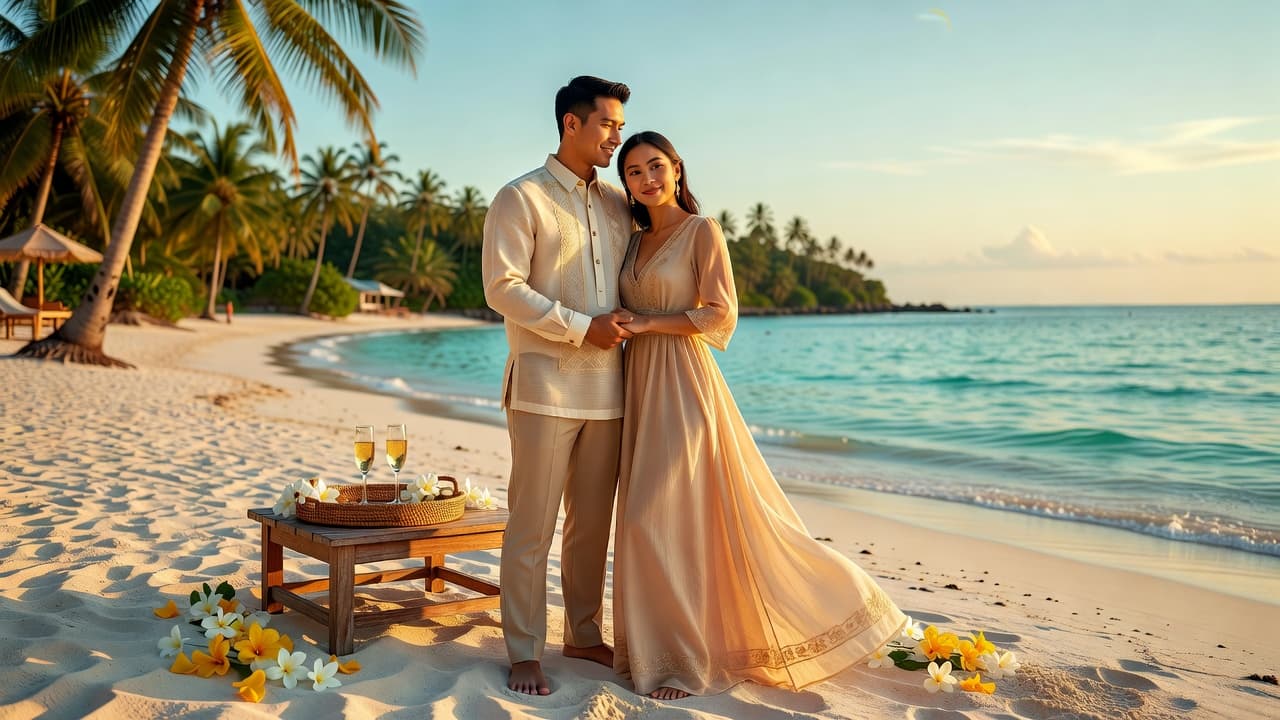
Planning early is the secret to a cohesive Cebu prenup aesthetic. This guide walks you through color palettes, breathable fabrics, and smart partner coordination—so your photos look effortless, even in humid weather.
Cebu Prenup Shoot Outfit Planning Guide: Outfit Planning for a Cebu Wedding Aesthetic
Quick Answer: Cebu prenup outfit planning looks effortless when you plan early: pick one color palette, choose breathable fabrics that handle humidity, and coordinate with complementary (not identical) tones and textures. Start with your location + time-of-day, then confirm silhouettes, comfort layers, and accessories so you can move comfortably and photograph beautifully.
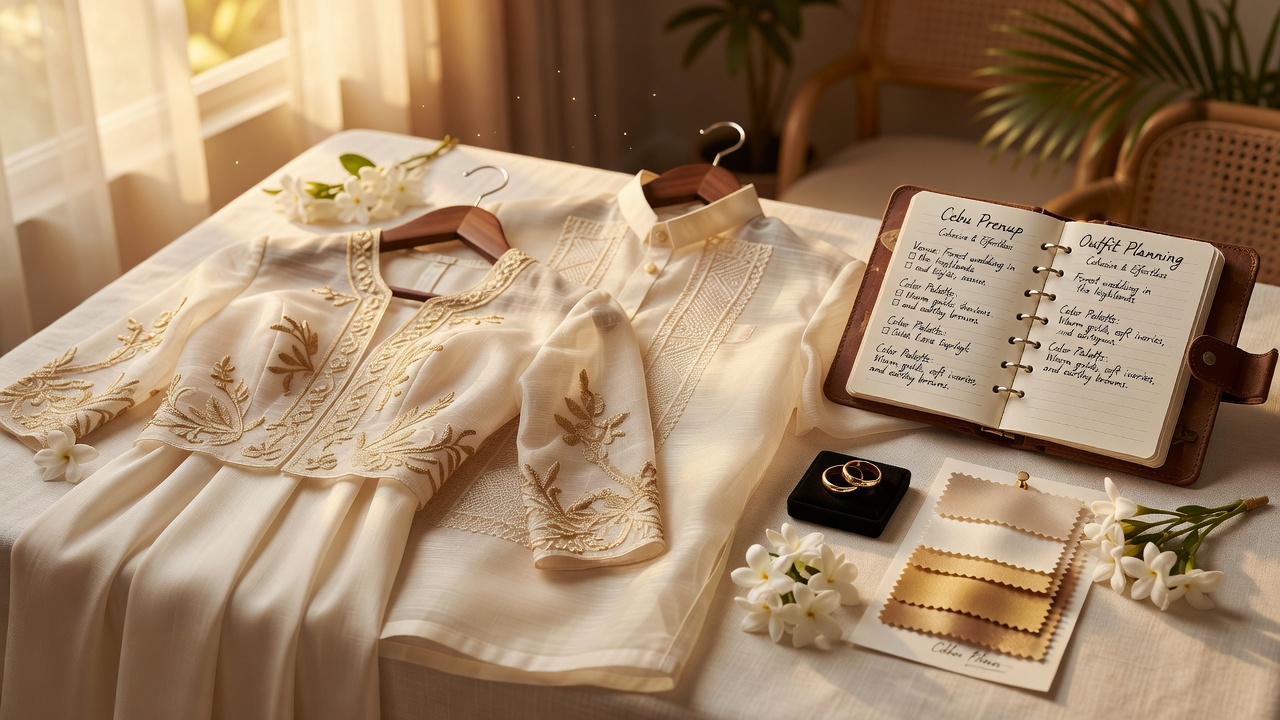
Introduction
If you’ve ever looked at prenup photos and thought, “We look good, but why doesn’t it feel cohesive?”—your outfit plan is usually the reason. In Cebu, that challenge gets bigger because the weather is humid, light can be bright, and moving between spots (waterfronts, city streets, elevated viewpoints, or beach-adjacent areas) demands clothes that look polished and feel comfortable.
This guide is built around one idea: planning outfits early for a Cebu wedding aesthetic so your couple photos look coordinated, natural, and effortless. You’ll learn how to use a color palette, how to select fabrics that keep you comfortable in tropical conditions, and how to coordinate outfits with your partner without looking overly matched.
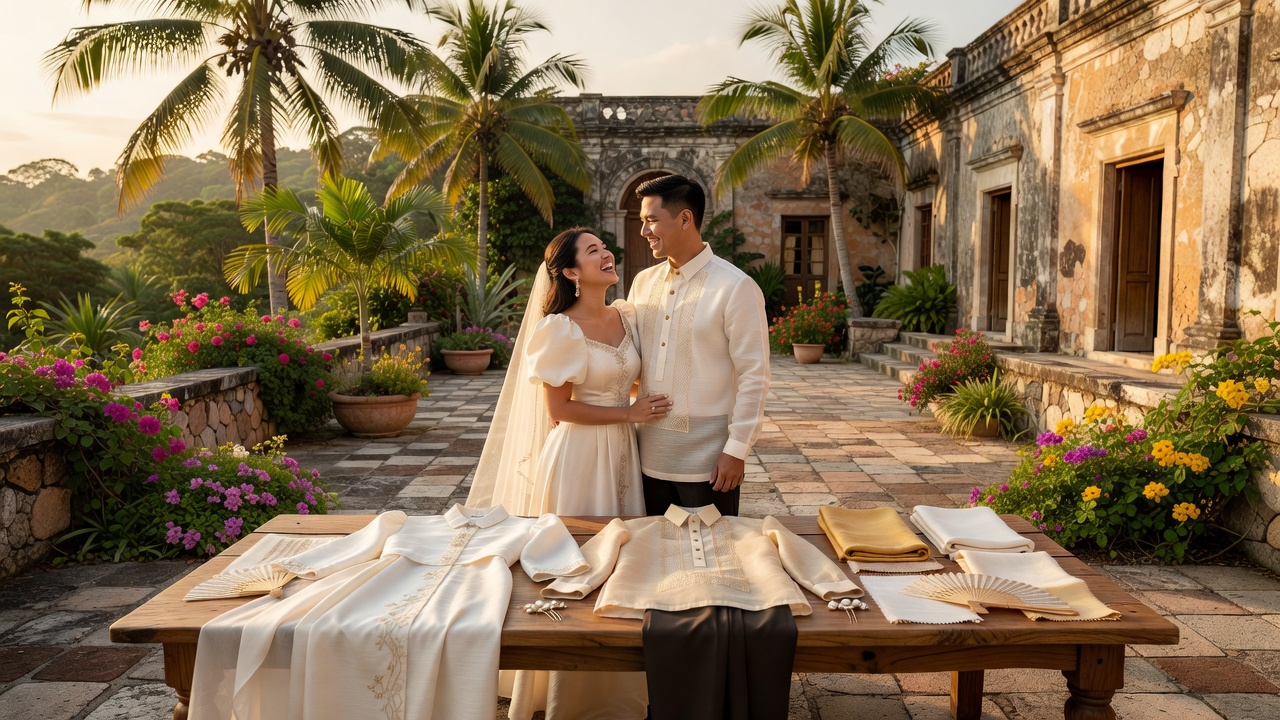
Why planning outfits early makes your Cebu prenup look “effortless”
Effortless in photos isn’t luck—it’s preparation. When you plan early, you avoid last-minute mismatches, solve fit and comfort issues before the shoot, and give your stylist/tailor time to refine details that cameras love (collars, hems, button positions, and drape).
What early planning changes:
- Color cohesion: You choose a palette before you shop, so every piece belongs.
- Comfort under humidity: You pick breathable fabrics and plan layers for warm, sunny conditions.
- Photo-ready silhouettes: You confirm flattering shapes for movement (walking, turning, posing, and wind-friendly moments).
- Less stress on shoot day: You won’t spend time fixing hems, swapping shoes, or asking, “Does this match?”
A simple definition: what “cohesive” really means
Cohesive couple styling means your outfits share visual rules—such as consistent undertones, a coordinated color palette, and complementary textures—so your photos look like they were designed together, even if the outfits aren’t identical.
How do you start Cebu prenup shoot outfit planning?
Start with your photos, not your closet. In the first planning pass, decide your visual direction (what vibe you want), your palette (the colors that will appear across both outfits), and your comfort constraints (humid weather and movement). Then build outfits around those decisions.
- Pick your vibe + location story. Examples: romantic garden, clean modern (city), coastal glow, or classic formal.
- Choose a time-of-day. Golden hour warms skin tones and makes light fabrics look more dimensional.
- Select a shared palette first. Your outfits can be different, but colors should “talk” to each other.
- Pick breathable fabrics for Cebu humidity. You’ll look fresher and feel better, which improves posture and expression.
- Confirm coordination rules. Use complementary tones, not strict matching.
- Do a fit + comfort check. Walk, sit, and move in the outfits to catch issues early.
Featured snippet: the 4-item outfit planning checklist
- Palette: 2–4 main colors + 1 neutral base.
- Fabric: breathable, breathable seams, humidity-friendly.
- Silhouette: flattering and movement-ready (wind, walking, posing).
- Coordination: complementary (same undertone family) with distinct styling.
What color palettes suit a Cebu wedding and prenup aesthetic?
For Cebu wedding aesthetics, the best palettes usually match the environment: warm sun, ocean blues, lush greenery, and airy tropical light. Aim for colors that either:
- Blend into the landscape (soft neutrals + greens/blues), or
- Stand out in a flattering way (jewel tones + clean whites/creams).
Tip: Choose colors that suit your skin undertone (cool/neutral/warm) so you look alive—not washed out.
Color palette ideas (with “why it works”)
- Coastal romantic: cream/ivory + seafoam + soft navy. Works beautifully near waterfronts; clean neutrals keep you bright in daylight.
- Tropical garden: blush/rose + sage + warm beige. This is gentle, romantic, and flattering for greenery-heavy locations.
- Modern elegance: charcoal/nightsky + white/cream + subtle gold accents. Creates a high-contrast look that reads well on camera.
- Jewel tone glow: emerald + deep blue + nude. Looks rich under sunlight; plan a breathable fabric so the “richness” stays comfortable.
- Warm sunset: terracotta/cinnamon + soft ivory + muted green. Great for golden hour and adds warmth without feeling heavy.
How to avoid common color mistakes
- Avoid “same shade, same fabric” overmatching. If you both choose identical colors, choose different intensities or textures (e.g., one in matte linen, the other in smooth satin blend).
- Be careful with harsh full black for daytime Cebu. It can feel hotter and may absorb light, making skin look less vibrant. If you love black, use it strategically (evening set or with a lighter breathable layer).
- Don’t rely on “bright white” for every setting. Ivory/cream is often more forgiving under tropical light and camera exposure.
What fabrics are best for Cebu’s humid weather?
Cebu humidity affects how your outfits feel and how they look—sweat marks, cling, and wrinkling can ruin the “effortless” effect. The goal is breathable comfort with clean structure for photos.
Quick 40–60 word answer: In humid Cebu weather, prioritize breathable, movement-friendly fabrics like linen, cotton poplin, lightweight rayon/viscose, and silk blends. Choose fabrics with good drape (for flattering lines) and avoid heavy synthetics that cling or trap heat. Breathability keeps posture relaxed, which improves photos.
Fabric cheat sheet for a Cebu prenup
| Fabric/Material | Why it works in Cebu | Best for | Watch-outs |
|---|---|---|---|
| Linen (or linen-blend) | Breathable, textured, natural movement | Beach-adjacent, relaxed romantic sets | Wrinkles easily—steam/press before shoot |
| Cotton poplin / cotton voile | Comfortable and stable in daylight | Classic, clean aesthetics | May need light shaping for sharp silhouettes |
| Rayon/viscose | Soft drape, lightweight feel | Flowy dresses or relaxed couple looks | Choose quality to avoid cling |
| Silk blend (lightweight) | Beautiful shine, premium look | Evening sets or more formal scenes | Test for comfort—lighter blends are key |
| Chiffon (layered) | Airflow-friendly, romantic movement | Wind-friendly shots | Layering may trap heat—keep underlayers breathable |
| Suiting blends (lightweight) | Structured without feeling bulky | Modern formal partner looks | Avoid thick wool for hot midday shoots |
Humidity-proof styling tips (that actually show up in photos)
- Pick breathable underlayers. Wear seamless, moisture-managing undergarments to reduce visible lines.
- Plan anti-chafe solutions. If you’ll walk or pose outdoors, anti-chafe balm helps you stay comfortable and reduces awkward shifting.
- Use a “freshness” kit. Blotting papers, light facial powder, mini hairspray (for hair security), and a compact hand fan.
- Steam before you start. Wrinkles are more noticeable in bright daytime light. A quick steam can bring the whole look together.
How can couples coordinate outfits without looking overly matched?
Overly matched outfits feel like costumes. Cohesive couple styling feels like a coordinated story. The difference is structure: you coordinate the palette and rules, but you keep each person’s styling distinct.
Quick 40–60 word answer: Coordinate by choosing one shared palette and matching undertones, then vary the “statement” element—one outfit can lead with color while the other leads with texture or silhouette. Use complementary neutrals (ivory/cream, tan/nude, navy/charcoal) to connect everything visually without cloning each other.
3 coordination strategies that look natural in photos
- Color-led + neutral-led contrast. One partner wears a stronger color; the other wears a neutral base with a subtle accent from the palette.
- Texture-led cohesion. Keep colors similar, but vary texture: linen vs satin blend, matte vs soft sheen, structured vs flowy.
- Silhouette contrast with shared undertone. Choose different shapes (e.g., tailored suit vs flowing dress) while keeping undertone alignment (warm with warm, cool with cool).
Use the 60/30/10 rule (easy “no-overmatching” method)
- 60% base neutral (cream, beige, nude, navy, charcoal).
- 30% shared secondary color (sage, seafoam, blush, terracotta).
- 10% accent detail (small jewelry tone, pocket square, ribbon, belt, or shoe color).
Example: If the couple palette is cream + seafoam + soft navy, one partner might wear a cream outfit with seafoam accent; the other wears seafoam with cream details. They feel coordinated but not identical.
Outfit planning examples for Cebu prenup aesthetics (ready to copy)
Example Set A: Coastal romantic (daytime)
- Partner 1 (Her): ivory/cream lightweight dress with delicate texture (rayon blend or chiffon layer over a breathable lining).
- Partner 2 (His): light linen shirt (soft navy or pale blue) + beige trousers, with a subtle accent (navy pocket square).
- Shared rule: same undertone family (cool sea tones) + one neutral base.
Example Set B: Tropical garden (late morning to early afternoon)
- Partner 1: blush or rose dress with breathable drape.
- Partner 2: sage or muted green shirt with warm beige chinos.
- Shared rule: palette includes rose + sage; keep accessories minimal so colors look clean.
Example Set C: Modern elegance (golden hour)
- Partner 1: fitted silhouette in cream/ivory with a subtle gold or warm nude accessory detail.
- Partner 2: charcoal or deep navy lightweight suit with a clean white shirt.
- Shared rule: contrast via palette intensity, not identical shades.
What details matter most for camera-ready outfits?
Most couples focus on the big items (dress vs suit). Cameras, however, notice small details—so these details are where you win the “effortless” look.
For dresses and tops
- Neckline + collar fit: A neckline that sits correctly frames the face.
- Hem length: Make sure hems don’t drag if you’ll walk.
- Underarm comfort: Ensure seams don’t pull when you pose or adjust your stance.
For suits and shirts
- Shoulder fit: Proper shoulders give you structure in photos.
- Wrist/ cuff length: Clean cuff spacing looks intentional.
- Breathable tailoring: Lightweight blends beat heavy fabrics in humidity.
For both partners
- Shoes: Choose comfortable footwear and practice walking in it.
- Accessories: Keep metals consistent (gold with gold, silver with silver) or use a neutral leather tone.
- Hair stability: Humid air affects styling—plan quick re-touch methods.
How many outfit changes should you plan for?
There’s no single “correct” number, but your timeline and location determine what’s realistic. Most couples benefit from at least two looks to create a varied story, especially if you’re shooting across different backdrops.
- 1 look: Minimal stress; best for short sessions or a single-location aesthetic.
- 2 looks: The most common sweet spot for variety without too much downtime.
- 3+ looks: Fun for storytelling, but plan extra time for changes, steaming, and touch-ups.
Pro tip: If humidity is a concern, fewer outfit changes can keep both of you fresher—often improving photos more than “extra outfits” would.
Budget and options: rent, buy, or tailor for a Cebu prenup?
How you source outfits can affect fit, comfort, and overall cohesion.
Common options (and what to expect)
- Renting: Often good for special event outfits and reduces upfront cost. Confirm fabric type and whether you can steam/adjust.
- Buying: Best if you’ll reuse pieces or want consistent quality across multiple wedding events.
- Tailoring: The highest “photo payoff.” Even a good outfit looks better when it fits your body accurately (especially hems, waistlines, and shoulder areas).
Typical “planning” costs (ranges, not guarantees)
Because Cebu pricing varies by brand, fabric, and whether tailoring is included, plan with a flexible range. As a baseline approach, allocate budget for:
- Base outfits (rent or purchase)
- Tailoring/alterations if needed
- Shoes + accessories that match your palette
- Comfort items (anti-chafe, blotting papers, light steaming tools if you can)
When to get professional help: If you’re unsure about what suits your body type or undertones, consider a stylist or a tailor consultation. A small fitting adjustment can make your photos look more “expensive” instantly.
Common Cebu prenup outfit planning mistakes to avoid
These mistakes often show up as awkward photos—either because the clothes look off in the light, don’t move well, or the couple doesn’t feel visually connected.
- Waiting too long to plan. Late planning leads to last-minute color choices that don’t match your overall wedding aesthetic.
- Choosing style over comfort. Humidity can impact posture and natural posing.
- Ignoring undertones. Warm skin with cool clothing can look dull; pairing the right undertone family makes both people look brighter.
- Overmatching. Identical outfits can feel forced. Use shared palette rules, then vary silhouettes and textures.
- Forgetting practical shoe and hem length checks. If you’ll walk or step onto uneven surfaces, plan accordingly.
Local touches for a Cebu wedding aesthetic (without overcomplicating)
Because Cebu has tropical coastal energy, your outfits can echo that vibe through color and texture rather than heavy patterns. Think:
- Light, breathable layers that move with sea breeze.
- Natural-looking fabrics like linen and rayon blends that photograph softly.
- Coordinated accents (button details, pocket squares, ribbon tones) that match your palette.
Whether your photographer guides you around popular city or coastal spots, the styling principles remain the same: cohesion through palette + comfort through breathable fabric.
Key Takeaways
- Plan early so your Cebu prenup outfits feel cohesive and stress-free on shoot day.
- Use the keyword-intent idea as a framework: Cebu prenup shoot outfit planning means choosing a shared palette, breathable fabrics, and coordination rules.
- Prioritize comfort in humidity with linen, cotton poplin, rayon/viscose, and lightweight suit blends.
- Coordinate without overmatching by sharing undertones and palette rules while varying silhouette, texture, or color intensity.
- Camera-ready outfits come from details: fit, hem length, underlayers, accessories, and shoe comfort.
Frequently Asked Questions
What should we wear for a Cebu prenup shoot if it’s hot and humid?
Choose breathable, humidity-friendly fabrics like linen, cotton poplin, rayon/viscose, or lightweight suit blends. Prioritize proper underlayers to avoid visible lines and sweat-related cling. Also plan comfort essentials (anti-chafe, blotting papers) so you can pose naturally without shifting.
How early should we start Cebu prenup shoot outfit planning?
Start at least 6–10 weeks before your shoot, especially if tailoring is needed. This gives time to refine fit, confirm color palette choices, and test footwear comfort. Early planning also prevents last-minute mismatches that can disrupt the “effortless” cohesive look.
Do we need matching outfits to look cohesive?
No. Cohesion comes from visual rules—shared palette, coordinated undertones, and complementary textures—not identical outfits. For a natural couple story, use one strong color per outfit, pair with a shared neutral base, and vary silhouette or fabric finish.
What color palette is safest for Cebu prenup photos in daylight?
Many couples love ivory/cream neutrals paired with seafoam, blush, sage, navy, or muted gold accents. These colors tend to photograph softly in bright light without looking harsh. If you want contrast, choose jewel tones for one partner while keeping the other in a neutral base.
Should we avoid black and white completely?
You don’t have to avoid them. Black can work if you balance it with lighter accessories or use it for an evening-friendly set. For white, consider ivory or cream instead of a harsh pure white, as it’s often more flattering in tropical daylight and easier to manage in camera exposure.
How do we choose outfits that flatter both of us (different body types)?
Focus on tailoring and silhouette rules: highlight what each person’s body does best—waistline, neckline, or shoulder structure—then keep fabric choices breathable. A tailor can adjust hems, bust/waist proportions, and shoulder fit so both outfits look intentional even if styles differ.
What accessories should we coordinate for a Cebu wedding aesthetic?
Coordinate metals and small accent tones: for example, gold jewelry with warm nude accents or silver jewelry with cool sea-toned accessories. Keep jewelry tasteful and avoid busy patterns that compete with the outfit colors. One shared detail (a ribbon color or pocket square tone) goes a long way.
Is it better to rent or buy prenup outfits?
Renting can be cost-effective and convenient, especially for event-specific pieces. Buying is better if you’ll reuse outfits for other wedding moments. Tailoring is the most universal upgrade—whether you rent or buy—because fit directly affects how polished and comfortable you look in photos.
What if we’re worried our outfits won’t match the wedding theme?
Use a “theme-to-palette” translation: take your wedding colors and convert them into 2–4 complementary prenup colors. Then choose fabrics that match the wedding vibe (soft for romantic themes, structured for modern themes). This keeps everything aligned without forcing identical outfits.
Should we do a trial walk and pose before the shoot?
Yes. Do a quick comfort and movement test at home: walk, sit, turn, and raise your arms. This helps you spot hems that tug, shoes that pinch, or fabrics that cling in heat. The more comfortable you feel, the more natural your expressions and poses will look.
Conclusion
Great prenup photos don’t happen by accident—they happen when you treat outfit planning like part of the creative process. With thoughtful Cebu prenup shoot outfit planning, you can build a cohesive Cebu wedding aesthetic through a shared color palette, breathable fabric choices, and smart coordination that keeps you looking natural (not overly matched).
Ready to make your outfits feel effortless? Save this guide, pick your palette first, and shortlist fabrics that work in humidity. If you want extra polish, consider a quick tailor fitting or a stylist consult—then enjoy a shoot day where you can focus on connection, not clothing stress.
[Internal link: Cebu wedding photo styling checklist—pose + outfit basics]
[Internal link: Beach vs city prenup location guide for outfit selection]
[Internal link: Wedding color palette planning for couples]