Destination Wedding Philippines: A Beginner's Guide to Getting Married Away from Home
By WedPlanner Team
Planning a destination wedding in the Philippines doesn't have to be overwhelming. Whether you're dreaming of Boracay's white sand, Palawan's lagoons, Cebu's island resorts, or Batangas' garden venues, this beginner's guide covers venue options, logistics, legal requirements, and real PHP budget ranges so you can say 'I do' with confidence.
Destination Wedding Philippines: A Beginner's Guide to Getting Married Away from Home
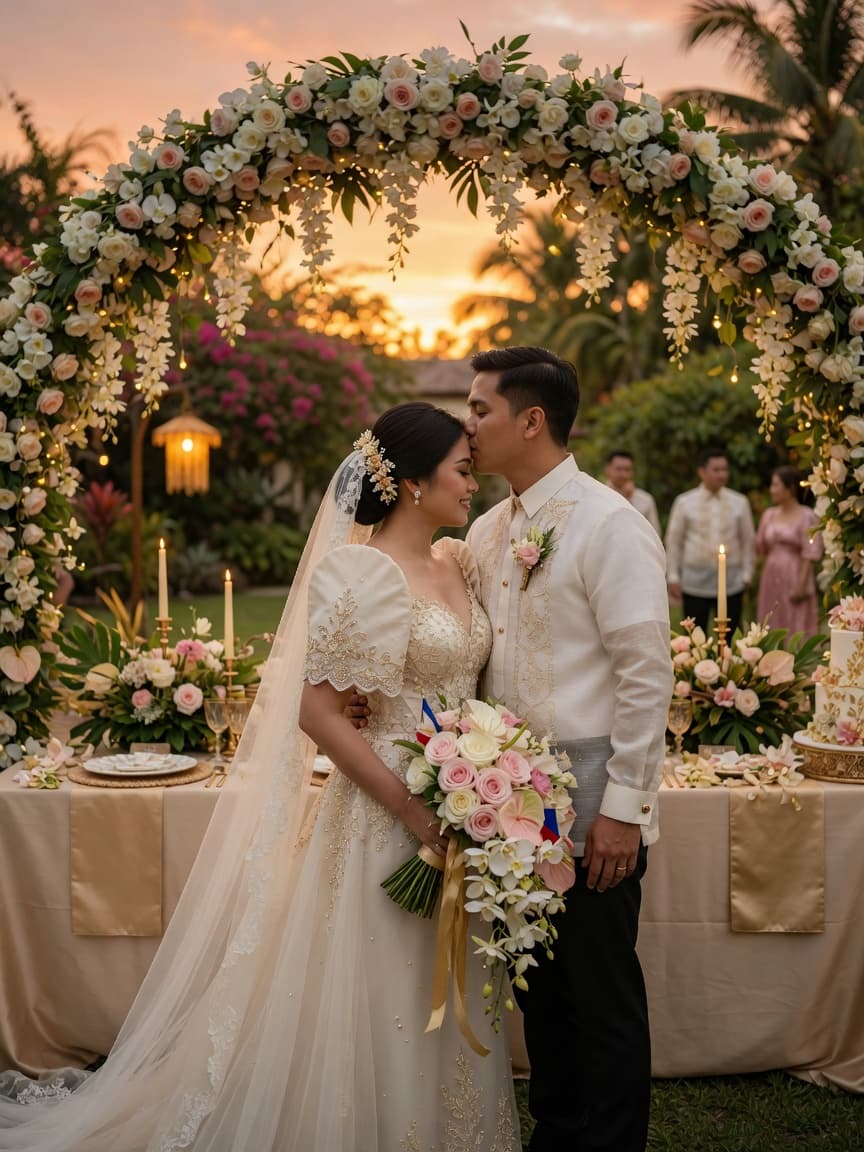
There's something magical about the idea of saying your vows with the ocean breeze on your face and a Philippine sunset painting the sky behind you. A destination wedding Philippines is one of the most unforgettable ways to start your marriage — but if you're a beginner, the logistics alone can feel like planning a small military operation. Where do you even start?
This guide is for couples who want the dream without the stress. We'll walk through four incredible destinations — Boracay, Palawan, Cebu, and Batangas — with venue details, travel logistics, legal must-knows, and realistic PHP budget breakdowns. By the end, you'll have a clear picture of what a destination wedding Philippines actually costs, how to plan it, and where to find your perfect spot.
Boracay: The Classic White-Sand Choice
Boracay remains the most iconic destination wedding Philippines location for good reason. Station 1's powdery white sand and crystal-clear water create a postcard-perfect backdrop that needs almost no decoration. Most wedding ceremonies happen on the beachfront between Station 1 and Station 2, with venues like Shangri-La Boracay, Discovery Shores, and Crimson Resort offering dedicated wedding packages. Church weddings are limited here — most couples opt for beach or garden ceremonies. The island has fully recovered from its rehabilitation period, so infrastructure is modern, but crowds peak from November to May (the dry season). Book your venue at least 8–12 months ahead if you want a Saturday sunset slot. Guest travel involves a flight to Caticlan (MPH) or Kalibo (KLO), then a boat transfer to the island. Accommodation blocks at mid-range resorts run around ₱5,000–₱12,000 per night per room. Given the logistics of flying everyone in, Boracay works best for intimate groups of 20–50 guests unless you have a generous budget.
Palawan: Lagoons and Limestone Drama
If dramatic scenery is what you're after, Palawan delivers like nowhere else. El Nido and Coron offer wedding settings framed by towering limestone karsts and turquoise lagoons, while Puerto Princesa has more accessible garden and resort venues. El Nido Resorts (Miniloc, Lagen, Pangulasian) and Taytay's Apulit Island are top picks for luxury beach weddings. The catch? Accessibility. Flights land at Puerto Princesa (PPS) or El Nido (ENI), and from there it's another 45 minutes to 5 hours of land or sea transfer depending on your venue. This means your guests need more travel time — plan a minimum 3-day stay so nobody feels rushed. The weather follows a similar pattern to Boracay: best from November to May, with July to October being the rainy southwest monsoon season when some resort access roads become tricky. Palawan's legal marriage requirements include a marriage license from the local civil registrar — if you're marrying in El Nido, you apply in El Nido, not Manila. Allow at least 10 days for the license process if both parties are Filipino citizens. For foreign nationals, additional documentation like a Certificate of Legal Capacity to Contract Marriage is required, which takes longer to process.
Cebu: Island-Hopping and City Chic
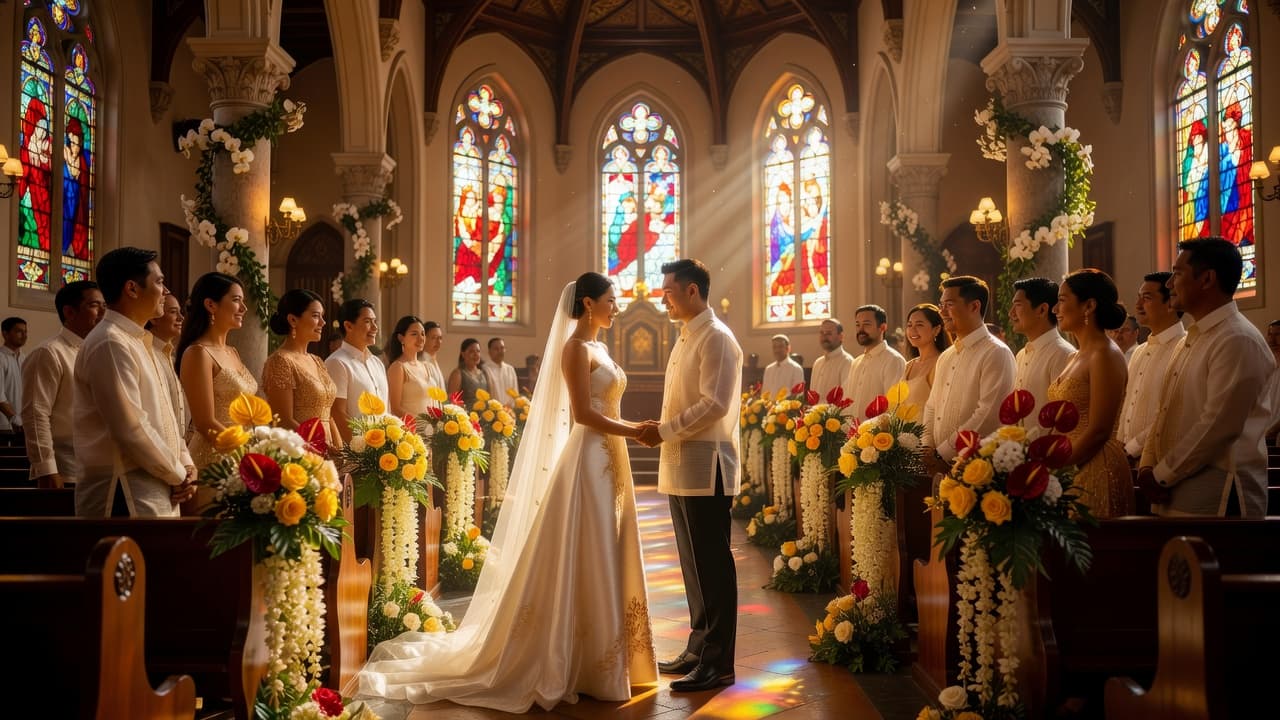
Cebu gives you options. You can have a garden ceremony at a mountain resort in Busay overlooking the city, a beach wedding on Mactan Island, or even a church wedding at the historic Basilica Minore del Santo Niño if you want to weave in Catholic tradition. Mactan resorts like Shangri-La Mactan, Crimson Resort, and JPark Island offer full-service wedding packages that include coordinator, caterer, florist, and photographer — which is a huge relief for beginner planners. Cebu's advantage is infrastructure. The Mactan-Cebu International Airport (CEB) is a major hub with direct flights from Singapore, Hong Kong, Tokyo, Seoul, and most Philippine cities. Your guests from abroad can fly in without a connecting domestic flight, which saves significantly on travel costs. Accommodation on Mactan ranges from ₱4,000–₱15,000 per night, while Cebu City hotels are more affordable at ₱2,500–₱6,000. If you're having a Catholic wedding, remember that most churches require a pamamanhikan-style meeting with the parish priest and at least 3–6 months of pre-marriage seminars (pre-Cana conferences). For couples with a large ninong and ninang list, Cebu is practical — the city has abundant caterers who can handle 100+ guests efficiently, unlike more remote islands where logistics cap your headcount. The wedding feast expectations here follow Filipino hospitality norms: a lechon is practically mandatory, and serving a full buffet with at least 8 dishes is standard even for destination weddings.
Batangas: Close-to-Manila Garden Venues
For couples who want a destination feel without the domestic flight, Batangas is the sweet spot. Just 2–3 hours from Metro Manila by car, Batangas offers stunning garden and beach venues along Nasugbu, Calatagan, and Laiya. The most popular area is Nasugbu's Punta Fuego, where Club Punta Fuego and Canyon Cove offer beachfront ceremony spaces with views of the West Philippine Sea. Highlands country clubs like The Farm at San Benito provide garden and organic farm wedding settings that feel miles away from the city — perfect for the eco-conscious couple. Batangas is the most budget-friendly of the four destinations. Without airfare costs for Manila-based guests, you can redirect savings into better catering or a longer honeymoon. Venue packages range from ₱80,000–₱250,000 depending on exclusivity and headcount. Accommodation blocks at mid-range resorts cost ₱3,000–₱7,000 per night. The trade-off: Batangas lacks the wow factor of Boracay's white sand or Palawan's cliffs, but it's significantly easier to organize. You can visit your venue for a site inspection in a single day trip from Manila — a luxury you don't get with island destinations. For legal requirements, the Batangas civil registrar processes marriage licenses faster than island remote areas, usually within 7–10 days. If you're planning a church wedding, Batangas has dozens of heritage churches (like the Taal Basilica) that accommodate destination weddings, though the parish — like most in the Philippines — will expect a donation or offering separate from your photography permit fee.
Logistics: What Every Beginner Needs to Know
Travel Arrangements
For any destination wedding Philippines, send a travel information sheet to guests at least 3 months ahead. Include flight routes, estimated fares, transfer details, and recommended accommodation tiers. Group booking discounts through airlines like Cebu Pacific or Philippine Airlines can save 10–15% on fares if you book 20+ seats.
Accommodation Blocks
Reserve a room block at 1–2 nearby hotels with varying price points so guests can choose their budget. Most resorts offer wedding group rates — negotiate a 10–15% discount off published rates when you block 10+ rooms for 2+ nights.
Legal Requirements
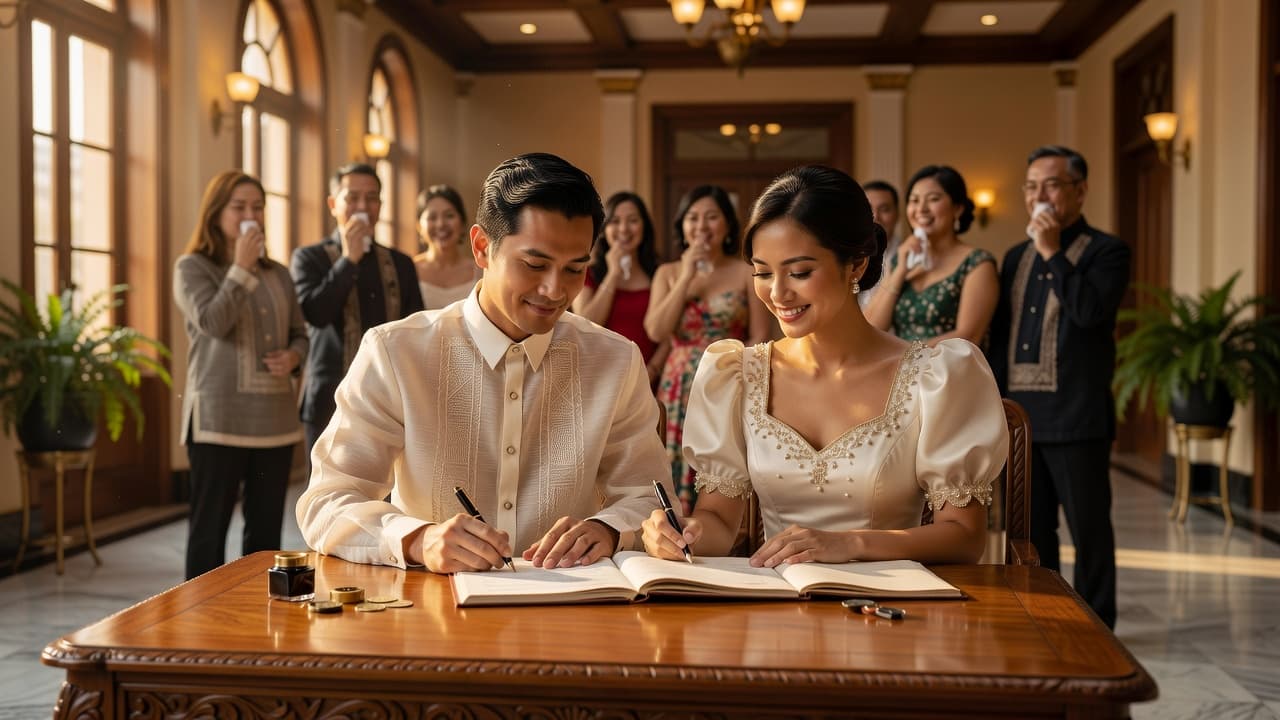
To get married in the Philippines, you need a marriage license from the local civil registrar where either party resides or where the wedding will take place. Requirements include: birth certificates (PSA), Certificate of No Marriage (CENOMAR), a marriage counseling certificate, and valid IDs. The process takes 7–15 days. For foreign nationals, add a Certificate of Legal Capacity (issued by their embassy) and additional passport documentation. Catholics need a separate marriage license from the church plus pre-wedding seminars. Plan legal paperwork at least 2 months before your wedding date to account for delays — PSA document requests can take weeks during peak season.
Weather and Seasonal Considerations
Philippine weather runs on two seasons: dry (November to May) and wet (June to October). For a beach or garden ceremony, schedule during dry months. December to February is peak season everywhere — expect premium rates for everything from venues to flights. March to May is hotter (up to 35°C) but less crowded. For Batangas and Cebu city venues, the wet season is more manageable since indoor ballrooms are an option. For Boracay and Palawan, wet-season weddings carry real risk of rain ruining beach setups. Always have a covered backup plan regardless of season — Filipino hospitality means guests will stay cheerful even if it pours, but you'll want your photos to look good.
Coordination Tips
Hire a local coordinator or on-the-day coordinator who knows the destination. They handle vendor logistics, church requirements, and cultural protocols that an outsider would miss. If you have a large ninong and ninang list, remember that each pair typically covers ceremony costs (arrhae, cord, veil) as Catholic sponsors — but their presence plus spouses means more catering heads. For a destination wedding where space is limited, consider capping sponsors at 3–5 pairs instead of the traditional 5+ to keep the guest list manageable.
Budget Breakdown: PHP Destination Wedding Costs
Below is a realistic cost comparison per destination tier. These are average ranges for a mid-range wedding with approximately 50 guests — adjust based on your headcount and preferences.
| Category | Boracay (PHP) | Palawan (PHP) | Cebu (PHP) | Batangas (PHP) |
|---|---|---|---|---|
| Venue (ceremony + reception) | 150,000–350,000 | 120,000–300,000 | 80,000–200,000 | 80,000–250,000 |
| Catering (~50 guests) | 125,000–250,000 | 100,000–200,000 | 100,000–200,000 | 100,000–175,000 |
| Travel (couple) | 15,000–30,000 | 20,000–40,000 | 5,000–15,000 | 2,000–5,000 |
| Accommodation (3 nights) | 15,000–36,000 | 12,000–30,000 | 12,000–30,000 | 9,000–21,000 |
| Photography/videography | 50,000–100,000 | 45,000–90,000 | 40,000–80,000 | 35,000–70,000 |
| Attire (gown + barong) | 30,000–80,000 | 25,000–70,000 | 25,000–70,000 | 20,000–60,000 |
| Floral + styling | 40,000–100,000 | 35,000–85,000 | 30,000–70,000 | 25,000–60,000 |
| Coordinator | 30,000–60,000 | 25,000–50,000 | 20,000–40,000 | 15,000–35,000 |
| Legal/miscellaneous | 10,000–20,000 | 10,000–20,000 | 8,000–15,000 | 8,000–15,000 |
| Total (estimated range) | 465,000–1,026,000 | 392,000–885,000 | 320,000–720,000 | 294,000–691,000 |
* Prices are estimates based on 2026 market research for a ~50-guest destination wedding. Actual costs vary by season, guest count, and vendor selection. Church weddings generally cost less in venue but more in legal/church documentation, while beach resorts charge premium venue fees in peak season (Dec–Feb).
Budget Tips for Beginners
- Prioritize season. A June wedding in Boracay might save you 20–30% on venue and accommodation compared to a February date, but carry rain risk. Batangas is more forgiving in wet season since garden tents and indoor ballrooms are standard.
- Trim the guest list. For destination weddings, an intimate 30–50 headcount keeps costs manageable and lets you spend more per guest on quality. Remember that Filipino hospitality expectations — a lechon, full buffet, open bar, and pabitin or money dance — scale with guest count.
- Consider a church wedding in Cebu or Batangas instead of a beach ceremony. Catholic venues often have lower base fees (₱10,000–₱30,000 donation), but you'll spend more on floral since churches need more arrangement. Beach venues bundle the setting but charge premium packages.
- Use WedPlanner's budget tracker to manage your PHP expenses across categories — it's designed for this exact scenario, with templates for destination weddings and guest accommodation tracking.
- Book vendors locally. Destination venues often have partner suppliers that avoid out-of-town transport fees. Bringing a Manila photographer to Palawan adds ₱15,000–₱25,000 in travel and accommodation costs alone.
Ready to Plan Your Destination Wedding Philippines?
A destination wedding Philippines is one of the most rewarding ways to celebrate your marriage — beautiful scenery, quality time with loved ones, and memories that last a lifetime. Whether you choose Boracay's powdery shores, Palawan's dramatic karst landscapes, Cebu's island-meets-city flexibility, or Batangas' convenient garden retreats, the key is starting early, budgeting realistically, and embracing the uniquely Filipino warmth that makes every celebration special. Kaya niyo 'yan!
Looking for more guidance? Check out our best wedding venues Philippines guide for curated venue picks, our wedding cost breakdown for detailed PHP category ranges, and the destination wedding budget guide for deeper cost-saving strategies. Browse our vendor directory to find trusted suppliers in your chosen location, and our destination weddings page for tailored planning tools.