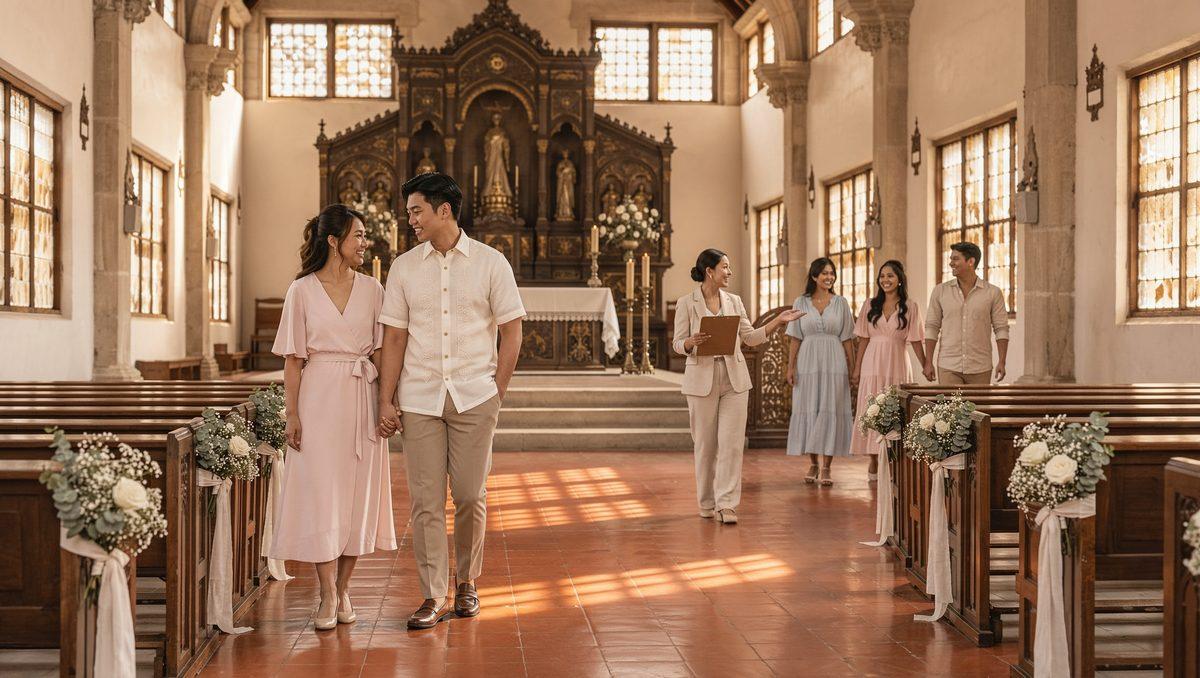
Wedding Host Philippines: How to Choose, Budget and Book Your Emcee
By WedPlanner Team
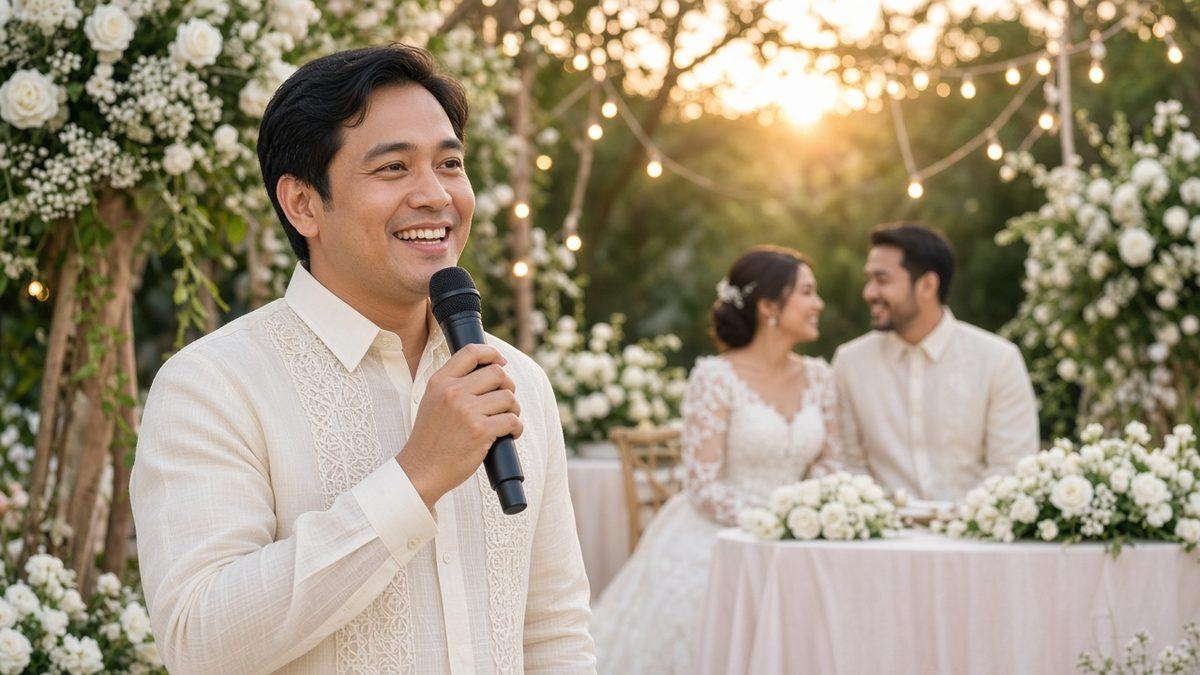
Looking for a wedding host in the Philippines? Learn what to prepare first, rough emcee rates, a step-by-step plan to choose and book your host, Taglish and program tips, and common mistakes like booking by highlight reel alone.
Sino ang hahawak ng mic? Your host sets the energy of the whole reception, from the grand entrance to the last "Salamat po sa pagpunta!" A great wedding host in the Philippines keeps the program on time, makes Lola and your barkada laugh in the same breath, and quietly saves the day when the SDE is late or the rain moves everyone indoors. This guide shows you what to prepare first, a step-by-step plan to choose and book your wedding host, rough budget ranges and the common mistakes to avoid.
What a Wedding Host Actually Does
A good emcee does much more than read names from a script:
- Runs the reception program: grand entrance, first dance, cake cutting, toasts, parents' messages, the money dance and the bouquet and garter toss if you keep them.
- Keeps time: works with your coordinator, DJ or lights and sounds team and the venue banquet captain so dinner, speeches and the SDE play on cue.
- Reads the room: switches between English, Filipino and Taglish, keeps games light for Titos and Titas, and knows when to cut a segment that is dragging.
- Handles surprises: a late principal sponsor, a sudden brownout, a downpour at your garden reception in Tagaytay. The host fills the gap so guests barely notice.
Note: the host is usually for the reception only. At a church wedding the parish provides the commentator and lectors, and at a civil wedding the judge, mayor or other solemnizing officer leads the ceremony. Ask your parish or officer before planning any announcements inside the ceremony.
What to Prepare First
Before you message a single host, settle these so you can compare quotes fairly:
- Date, venue and call time. A Manila hotel ballroom, a Tagaytay garden or a destination resort in Batangas or Cebu changes travel, rates and availability.
- Your program length and flow. A three- to four-hour reception is typical. List the segments you want and the ones you want to skip.
- Language and vibe. Formal and elegant, kwela and game-heavy, or warm and heartfelt? Bilingual or Taglish? Will you have foreign or balikbayan guests who need English?
- Guest count and crowd mix. 80 close friends feel very different from 300 guests with three generations of relatives and your parents' officemates.
- Budget range. Decide your ceiling, including transport, accommodation and the host's meal.
- Supplier rules. Ask your venue if they require accredited suppliers or charge supplier or outside-vendor fees, and whether your coordinator already partners with a host.
Wedding Emcee Philippines Rates: Rough Budget Guide
These are rough estimates only. Rates vary a lot by city, season, experience and inclusions, so canvass and get written quotes.
- Friend or relative as host: no fee, but give a thoughtful token, cover their meal and seat, and plan a rehearsal.
- Newer or part-time professional hosts: roughly ₱5,000 to ₱15,000 for a standard reception.
- Established full-time wedding hosts: roughly ₱15,000 to ₱40,000, often with a planning call, script and games.
- Celebrity, TV or radio personalities: can go well above ₱50,000, often with stricter call times and limited hours.
- Common add-ons: out-of-town transport and toll, accommodation for early call times or far venues, overtime per hour, a second host for bilingual programs, and prizes for games.
Peak months like December, February and the dry season from about January to May book up early, so start looking six to nine months ahead if you want a popular host.
Step-by-Step Plan: How to Choose and Book Your Wedding Host
- Six to nine months before: shortlist three to five hosts. Ask your coordinator, venue and recently married friends, and check wedding supplier pages and bridal fair lists. Look for full-length or long-clip videos, not just highlight reels.
- Check fit, not just fame. Watch how they speak to older guests, how they handle Taglish and whether their humor matches your crowd. Ask for two or three past couple references.
- Have a video or in-person call. Ask about their style, how they handle delays and rain plans, how many weddings they do per day, and whether a substitute could be sent.
- Get a written quote and contract. It should state date, venue, call time, number of hours, overtime rate, inclusions (script, games, planning call), transport and accommodation, reservation fee, payment schedule and cancellation or rescheduling terms, including for typhoon postponements.
- Pay the reservation fee only after the contract is signed. Use bank transfer or e-wallet with clear reference notes and keep receipts.
- Two to three months before: build the program together. Share your entourage list, name pronunciations, family dynamics to be careful about, and segments to skip.
- One month before: finalize the script and run sheet. Align with your coordinator, DJ or band, photo and video team and venue on cue points and SDE timing.
- One to two weeks before: confirm logistics. Call time, parking, meal, and where the host will wait. Send the final guest and sponsor list with correct spellings.
- On the day: let your coordinator be the host's point person so you can enjoy your reception.
Questions to Ask Before You Book
- Are you available on our date, and do you have another event that day?
- Can you host in English, Filipino or Taglish, and switch smoothly?
- What is included: planning call, custom script, games, prizes?
- How do you handle delays, brownouts or a rain move from garden to ballroom?
- What happens if you get sick, or if a typhoon forces us to reschedule?
Common Mistakes to Avoid
- Booking by highlight reel alone. A 30-second clip hides pacing problems. Ask for longer footage of a full program segment.
- Letting the program run too long. Too many games and open-mic speeches tire guests, especially those driving home from Tagaytay or facing EDSA traffic. Agree on a firm end time.
- Not sharing family sensitivities. Separated parents, a recently passed relative or a sponsor who cannot attend can lead to awkward jokes. Brief your host privately.
- Forgetting the host's logistics. No meal, no parking and no seat near the stage leads to a tired host and missed cues.
- Skipping the contract for a friend-host. Even if it is free, write down the program, time and responsibilities so expectations are clear.
Church, Civil and Destination Nuances
- Church wedding: keep the host's role to the reception. Some couples ask the host to announce photo-op order outside the church, but check parish rules first.
- Civil wedding: intimate civil receptions in a restaurant often need only a short program. A friend-host or a short-hours professional can work well.
- Destination wedding (Boracay, Palawan, Bohol, La Union): budget for flights, boat transfers and an overnight stay, or look for a local host based near the venue.
Confirm locally: venue supplier rules, parish guidelines and any ceremony requirements vary by church, diocese, municipality and venue. Check with your venue, parish office or solemnizing officer before finalizing your host's role. Price ranges above are rough estimates and not quotes.
Final Takeaway
The right wedding host in the Philippines keeps your reception warm, on time and true to your families. Prepare your program first, compare a few hosts, and lock everything in a clear contract.
Want your host, coordinator and guests on the same page? Create your free wedding website with WedPlanner PH, collect online RSVPs that sync straight to your guest list, and share your program and call times without the endless group chats.