Filipino Wedding Traditions: How to Choose Your Ninong and Ninang
By WedPlanner Team

Choosing your ninong and ninang is a key Filipino wedding tradition. Here is how to pick your principal sponsors, what they pay for, and how to ask with respect.
Among all Filipino wedding traditions, the selection of ninong and ninang carries the most weight. These are not just ceremonial titles — they are your principal sponsors, the people who stand as witnesses to your union before the Church and your family. Ask the right people, and you have lifelong mentors in your marriage. Ask the wrong ones, and you may end up with awkward phone calls and empty seats. Here is a practical guide to choosing your sponsors, what they pay for, and how to ask them the proper way.
What Are Ninong and Ninang in Filipino Wedding Traditions?
In a Filipino Catholic wedding, ninong and ninang are your principal sponsors — the equivalent of wedding godparents. They stand behind the couple during the ceremony and sign the marriage contract as official witnesses. The role is both spiritual and social: they are expected to guide the couple through married life, not just pose for photos.
During the ceremony, principal sponsors take part in the cord and veil ritual and the arrhae (exchange of coins) ceremony. These rituals symbolize unity, fidelity, and financial commitment — and the sponsors are the ones who physically place the cord over the couple and hand over the coins.
You can read more about these roles in our guide to relatives in a Filipino wedding.
How Many Pairs Should You Choose?
There is no fixed number, but most Filipino weddings have between 3 and 12 pairs of principal sponsors. The number depends on several factors:
- Church requirements: Most parishes require at least one pair, but some prefer two or more.
- Family size: Large extended families often mean more sponsors — it is hard to choose just three when both sides have titas and titos who expect the role.
- Venue capacity: Each pair takes up two seats plus their partners. Twelve pairs means 24 seats just for sponsors.
- Budget: More sponsors means more seats, more food, and more souvenirs. Balance the list against your wedding budget.
For intimate weddings (50–80 guests), 3–5 pairs is plenty. For a grand kasal with 300+ guests, 6–12 pairs is common. There is no shame in keeping it small — what matters is that the people you choose truly matter to you.
Who to Ask as Your Ninong and Ninang
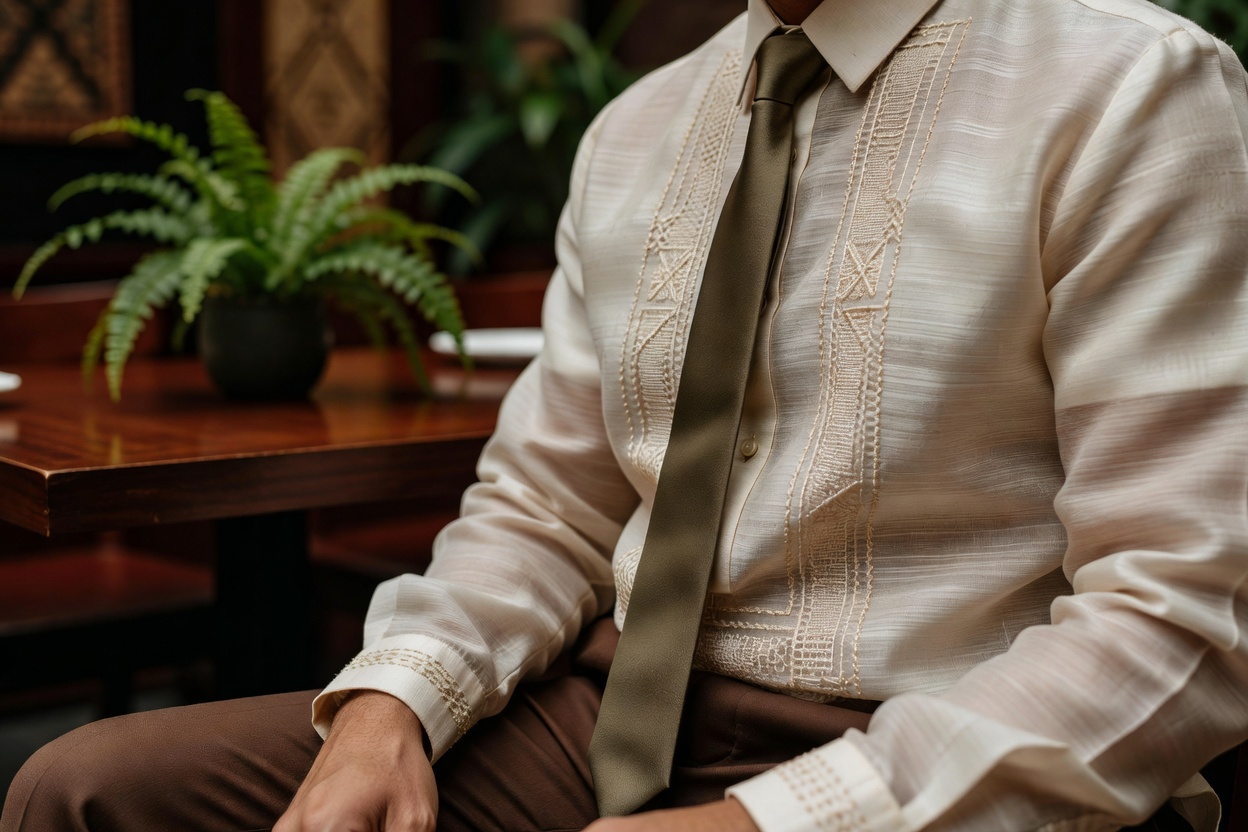
Selection is where couples often overthink. The goal is not to collect the most impressive names — it is to choose people who will actually be present in your marriage. Here are the most common choices, in order of priority:
- Parents and grandparents: If your parents are alive, they are usually first in line. Grandparents follow, especially if they played a big role in raising you.
- Godparents (ninong/ninang sa binyag): The people who sponsored your baptism are natural choices for your wedding sponsors. It creates a beautiful continuity.
- Close family friends: Family friends who have been part of your life for years — the kind who attended every birthday and graduation.
- Mentors and respected elders: A boss, a professor, or a church elder who guided you. Choose people you genuinely respect, not just those with titles.
- Relatives by affinity: Tito or tita by marriage who are close to the couple.
Avoid choosing based on what they can pay for. It feels transactional and cheapens the role. If someone cannot contribute financially but is deeply important to you, ask them anyway. The role is about presence, not pesos.
What Do Ninong and Ninang Pay For?
This is the sensitive part. There is no rule that says sponsors must pay for anything — their contribution is voluntary. But in practice, most ninong and ninang do contribute, and the amount varies widely by family, region, and relationship.
Here are realistic ranges based on common practice in 2025–2026:
- Cash gift: PHP 5,000–50,000+ per pair. Close family sponsors tend to give more; family friends may give PHP 5,000–10,000. These are gifts, not obligations.
- Attire: Some sponsors pay for their own barong or gown (PHP 2,000–8,000 rental, PHP 10,000–30,000 custom). Others expect the couple to cover it.
- Specific wedding items: A sponsor may offer to cover the venue, the catering, or the honeymoon as their gift. This is common for wealthy family sponsors.
- Arrhae and cord: The sponsor pair who handles the arrhae and cord ceremony often provides the coins and cord themselves.
Be transparent. If a sponsor asks what you need, be honest but never demanding. A simple "Whatever you are comfortable with, Tito, we are grateful for" goes a long way.
How to Ask Your Ninong and Ninang
The asking process is important. This is not a text message — it deserves a proper request. Traditionally, the couple (or their parents) visit the prospective sponsor in person, similar to the pamamanhikan tradition. If an in-person visit is not possible (especially for overseas Filipinos), a heartfelt letter or video call is acceptable.
Timing matters too. Ask at least 6–8 months before the wedding so sponsors have time to prepare financially and clear their calendars.
Sample Request Letter
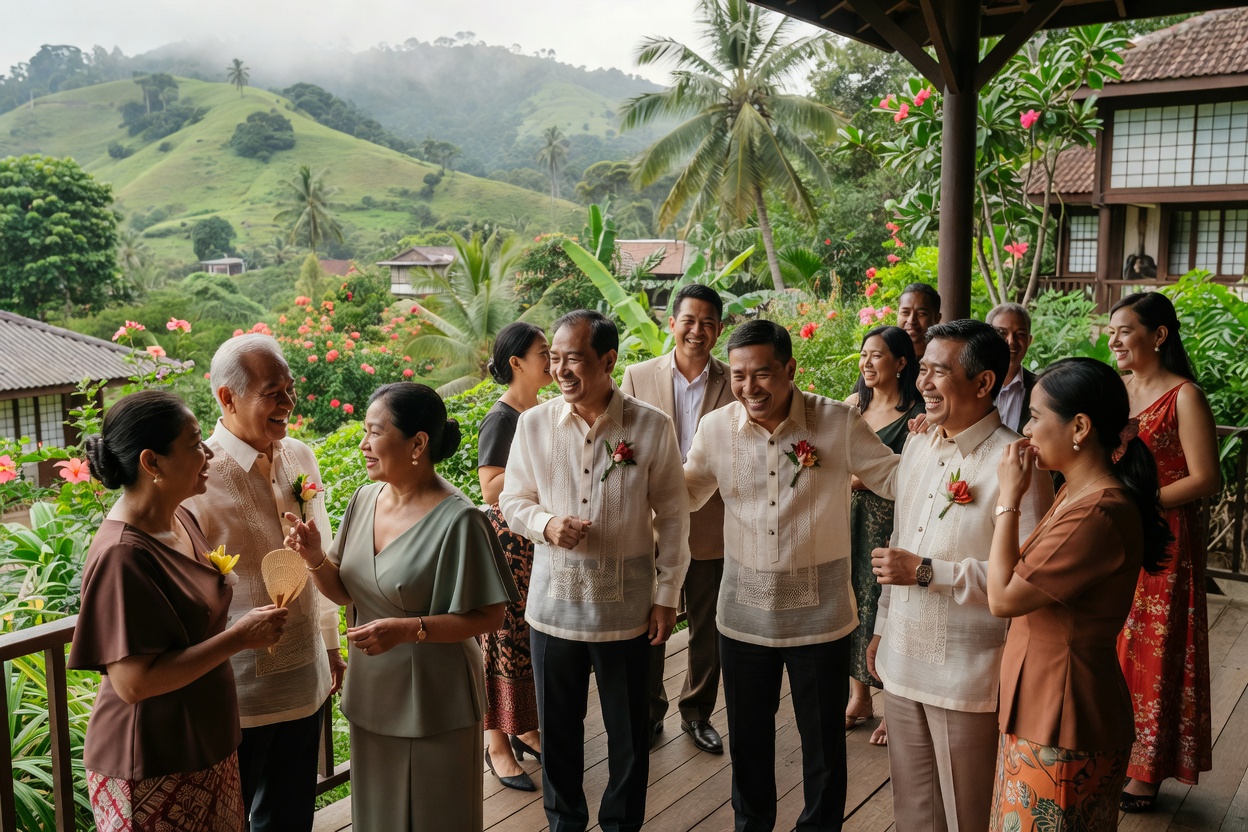
Here is a sample letter you can adapt. Keep it warm, respectful, and clear about what you are asking:
Dear Tito [Name] and Tita [Name],
We are getting married on [date] at [church], and we would be honored if you would stand as our ninong and ninang. You have been part of our lives since [childhood/college/our early days], and having you as our principal sponsors would mean the world to us.
We understand this is a commitment of your time and resources, and we want you to know that your presence on our wedding day is what matters most. Whatever you are comfortable contributing is more than enough — truly, your blessing is the greatest gift.
Please let us know by [date] so we can finalize the ceremony details. Salamat po from the bottom of our hearts.
With love and respect,
[Your names]
For Tagalog-speaking sponsors, here is a shorter version:
Lolo [Name] at Lola [Name],
Po, kami po ay ikakasal sa [date] sa [simbahan]. Gusto po namin kayong humingi ng papuri at pag-asa na maging aming ninong at ninang. Kayo po ay mahalaga sa amin mula pa noon, at walang ibang mas tamang tumayo sa aming tabi kundi kayo.
Anuman po ang maibigay niyo, salamat po. Ang importante po ay nandiyan kayo sa araw na iyon. Pakisabi po sa amin bago ang [date] para makapag-ayos kami ng ceremony.
Salamat po at mahal namin kayo,
[Inyong mga pangalan]
For more wording ideas, see our ninong and ninang invitation wording page.
Checklist for Choosing Your Sponsors
- List your candidates. Write down everyone you are considering, from both sides. Do not filter yet.
- Narrow by priority. Rank them: parents and grandparents first, then godparents, then close family friends and mentors.
- Agree as a couple. Both partners should have equal say. Do not let one family dominate the list.
- Check availability. Ask early — at least 6–8 months out. Some elders have health or travel constraints.
- Prepare the request. Write the letter or plan the visit. Make it personal, not a template.
- Ask in person or by call. Follow up the letter with a phone call or visit. The personal touch matters.
- Confirm and document. Once they say yes, note their full names (for the marriage contract), contact details, and any contributions they plan to make.
- Add to your guest list. Use your guest management tool to track sponsors and their partners.
- Assign ceremony roles. Decide which pair handles the cord and veil, the arrhae, and the candles. Brief them before the wedding day.
- Send thank-you notes. After the wedding, write a personal note to each sponsor. They gave you their time, their name, and their blessing — acknowledge it.
The Bottom Line
Choosing your ninong and ninang is not about filling seats or collecting contributions. It is about honoring the people who shaped you. Keep your list intentional, ask with respect, and remember that the role is spiritual first and financial second. For more on Filipino wedding traditions, read our complete guide to Filipino wedding traditions or explore our wedding planning checklist to keep your kasal on track from pamamanhikan to the big day.