Relatives in a Filipino Wedding: Roles, Traditions & Tips
By WedPlanner Team
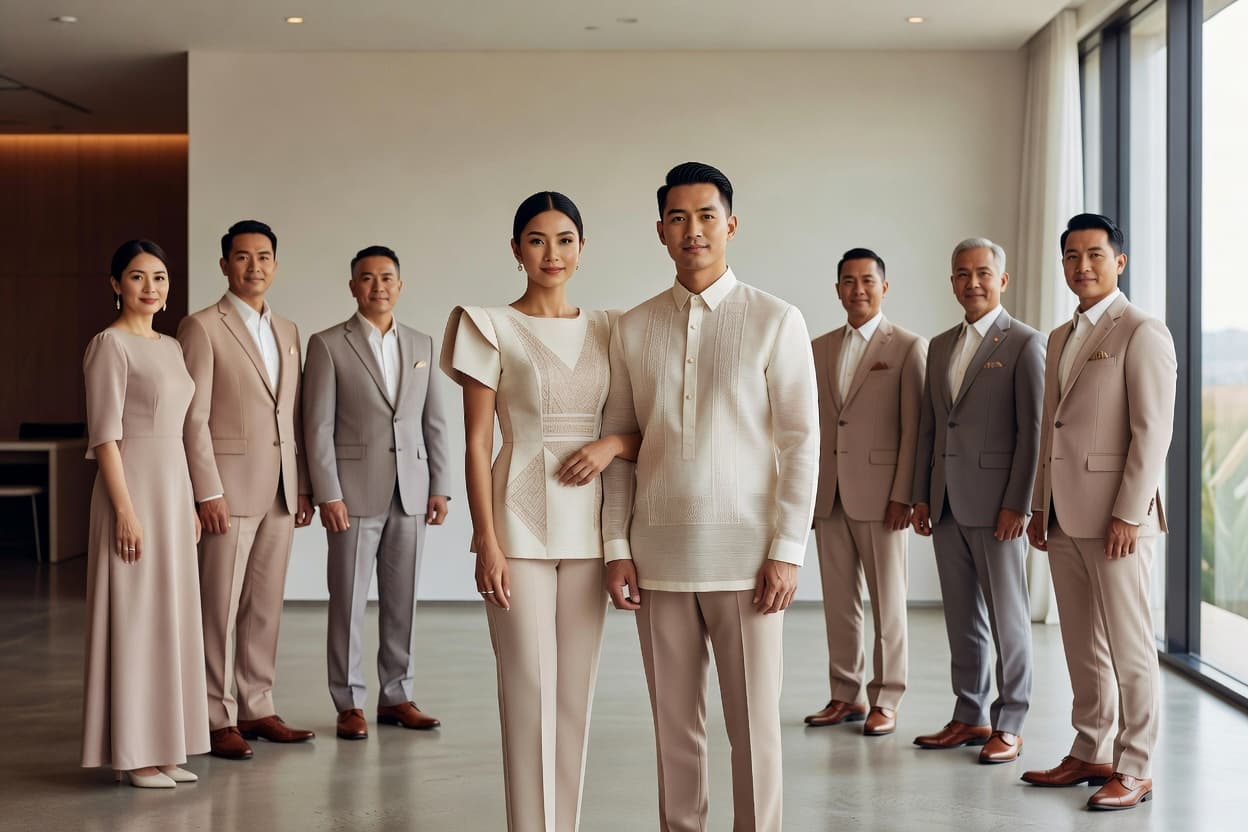
Filipino wedding traditions center on family — pamamanhikan, ninongs, lola's blessing. Navigate relatives without losing your mind or budget.
If there's one thing Filipino wedding traditions will teach you, it's this: a wedding in the Philippines is never just about two people. It's about pamilya — the whole extended, well-meaning, sometimes overwhelming family.
And that's both the beauty and the challenge. Your lola wants a traditional church ceremony. Your tito insists on a live band. Your ninong hasn't confirmed his sponsorship yet. Your mom's office friends are on the guest list. Walang kasal na walang drama — but with the right approach, you can keep it konti lang.
This guide walks you through every major role relatives play — from pamamanhikan to ninongs and ninangs to managing that 300-person guest list — with practical advice for keeping the peace without losing your vision.
Pamamanhikan: The Family Affair That Starts It All
The pamamanhikan is where Filipino wedding traditions truly begin. It's the formal visit where the groom's family goes to the bride's home to ask for her hand in marriage — and for her family's blessing. It's not just a formality. It's the first time both families sit down together, and it sets the tone for everything that follows.
Who attends: Traditionally, the groom's parents and close elders. In modern practice, both couples' immediate families attend.
What to bring: Food is customary — kakanin, lechon manok, or a full meal if the family goes all out. The point is respect, not extravagance.
What happens: The groom's family formally asks for the bride's hand. Both families discuss the wedding — tentative date, budget contributions, guest count, who's helping with what. It's part tradition, part planning meeting.
Practical tip: Don't wait until 3 months before to schedule this. Aim for 8–10 months out — early enough to align families before you've booked anything. Use the WedPlanner timeline tool to slot it in. If both families are abroad, a video call pamamanhikan is perfectly acceptable in 2026 — just make sure someone still sends food.
Filipino Wedding Traditions: Choosing Your Ninongs & Ninangs
In Filipino wedding traditions, ninongs (male sponsors) and ninangs (female sponsors) aren't just ceremonial — they're your principal sponsors, and their role is both financial and moral. They stand beside you at the altar, sign your marriage certificate, and are expected to be lifelong godparents to your marriage.
How many pairs: Three to five pairs is typical. Some families go up to seven or more, but remember — each pair is a guest, a seat, a catering cost, and a thank-you gift. At ₱850–₱1,500 per head, 10 sponsors add ₱8,500–₱15,000 to your food budget alone.
How to choose: Traditionally, ninongs and ninangs are close family friends, relatives, or mentors — people you respect and want in your life long-term. Choose people who will actually show up, contribute, and be present — not just names on a program.
How to ask: Ask in person if possible, or via a thoughtful message. Be clear about what's expected — financial contribution, attendance at the ceremony, signing the certificate. Some sponsors contribute specific items: the venue deposit, the gown, the lechon, the photo/video package. Others give cash. Either is acceptable.
Practical tip: Track sponsorships with WedPlanner's budget tool. Note who's covering what and whether it's confirmed. A ninong who said yes in January but hasn't sent anything by July needs a polite follow-up — not a wait-and-hope.
The Extended Family Guest List: How 150 Becomes 300
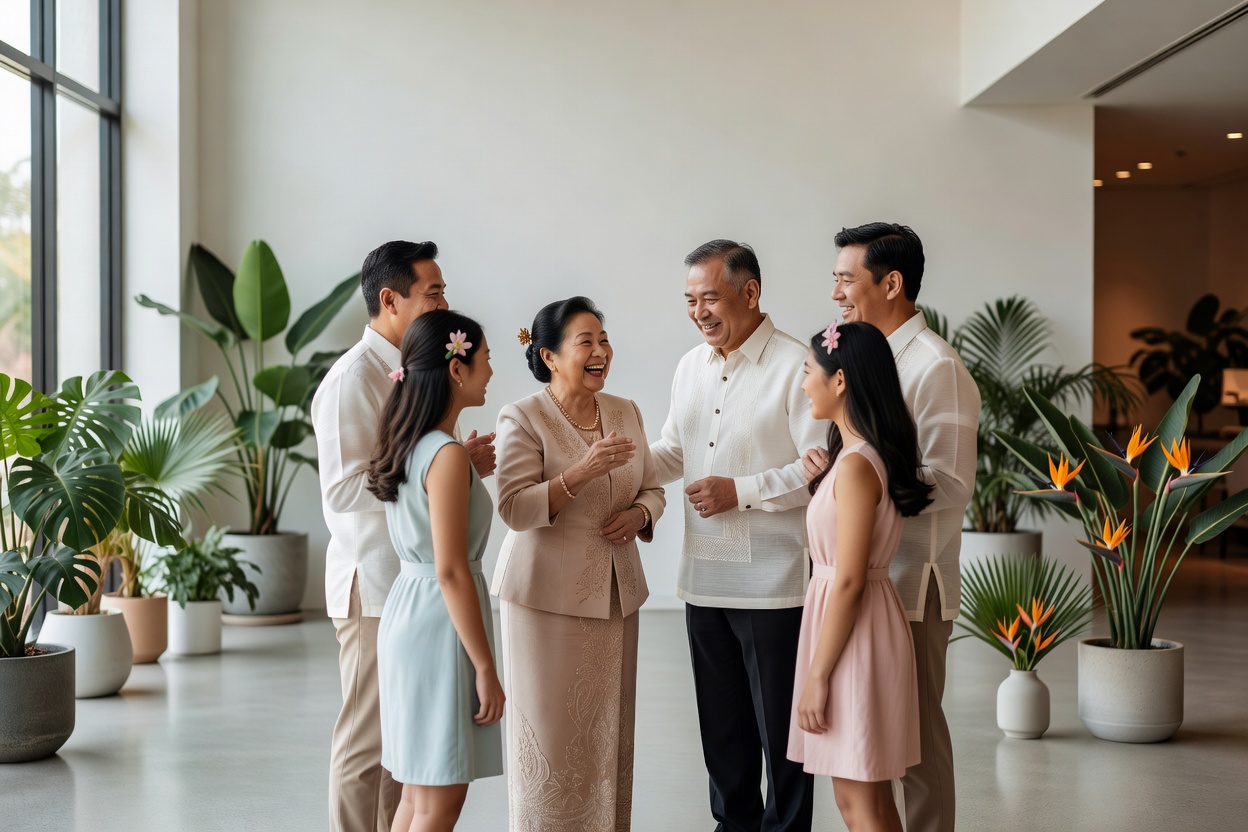
Here's where most Filipino couples feel the pain. You budgeted for 150 guests. Your mom invited her entire office. Your dad added his bowling league. Your lola insisted on including lahat ng kamag-anak from the province. Now you're at 300 — and your caterer just quoted ₱255,000.
Why it happens: Filipino families are tightly knit, and there's a strong cultural expectation that weddings are community events. Not inviting a tito you haven't seen in 10 years can cause hiya. But every name has a peso sign attached.
Practical fixes:
- Set a hard number early. Base it on your venue capacity and your caterer's per-head cost. If you have ₱200K for food at ₱850/head, that's 235 guests — walang palugitan.
- Use the "ceremony only" tier. Invite extended family to the church ceremony but not the reception. This is culturally acceptable — mas importante na nandun sila sa simbahan — and saves your food budget.
- Give parents a quota. If both sets of parents are contributing financially, give them each a guest allowance — say, 30 guests each beyond your core list. Anything beyond that, they cover the per-head cost.
- Use digital RSVPs. WedPlanner's online RSVP lets you track exactly who's coming, with plus-ones and dietary notes — no more guessing from family group chats.
For a full breakdown, check our guest management guide.
Titos, Titas & the Entourage: Family Roles in the Ceremony
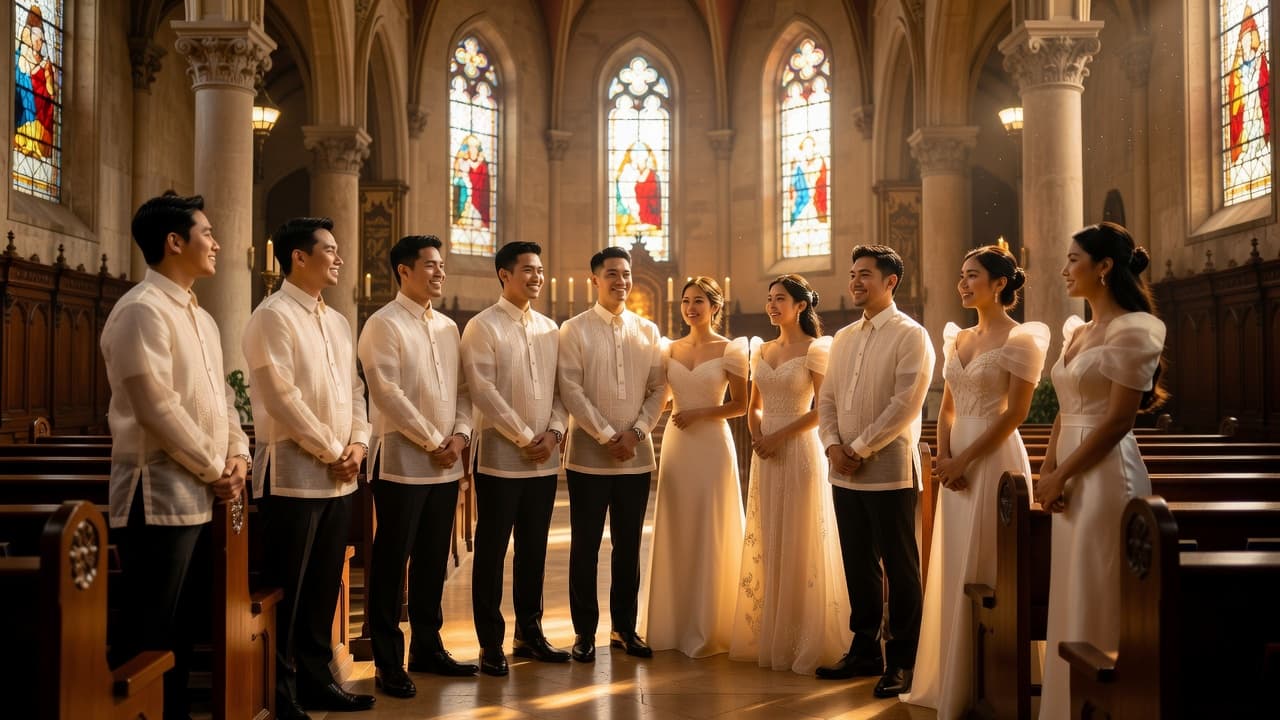
Filipino wedding traditions fill the entourage — the sabitan — with family members. If you have a large extended family, this is where they all find a role:
- Veil sponsors — place the veil over the couple's shoulders, symbolizing unity
- Cord sponsors — place the yugal (infinity cord) around the couple, symbolizing eternal bond
- Candle sponsors — light the unity candles
- Bible and rosary bearers — carry the ceremonial items
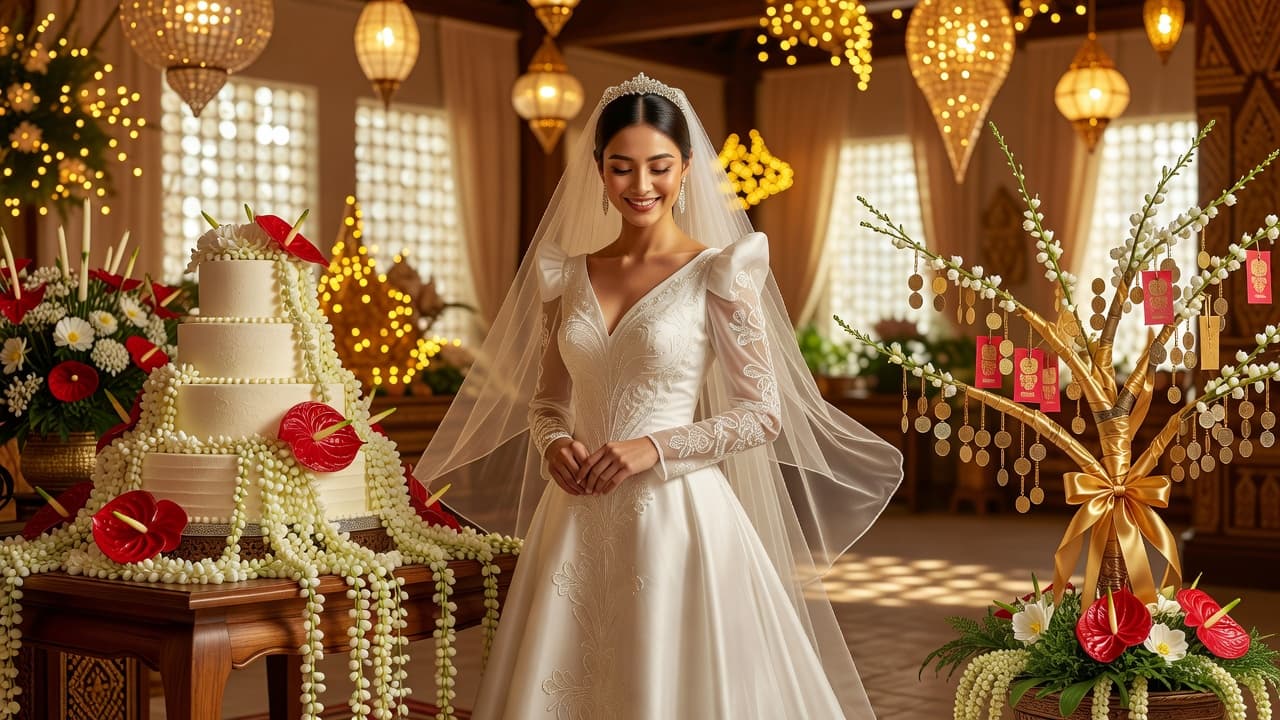
- Coin bearer (arrhae bearer) — carries the 13 arrhae coins, symbolizing prosperity
- Ring bearer — carries the wedding rings
- Flower girls and page boys — usually nieces and nephews
Practical tip: Don't feel obligated to fill every role with a relative. If you have 20 titos and only 4 sponsor slots, choose based on closeness — not seniority. It's okay to include close friends too. Explain that the sabitan has limited slots — hindi naman puwedeng lahat, nang entourage.
Lola & Grandparents: Honoring the Elders
In Filipino culture, lola and lolo hold a special place. Their blessing carries weight, and their presence at the wedding is deeply meaningful — sometimes more to them than you realize.
Traditional roles: Grandparents often walk down the aisle early in the processional, seated in places of honor. Some couples include a special lola dance or acknowledgment during the program.
Modern considerations: If grandparents are elderly, arrange comfortable seating, accessible parking, and a family assistant for the day. If they're abroad, a livestream of the ceremony is a beautiful gesture — many 2026 venues offer this as an add-on.
Practical tip: Don't forget the lolo who taught you to drive, or the lola who made your favorite kakanin. A specific acknowledgment — a dedication in the program, a photo at the reception — means more than a generic "thank you to all our family."
Navigating Family Drama: Hiya, Utang na Loob & Setting Boundaries
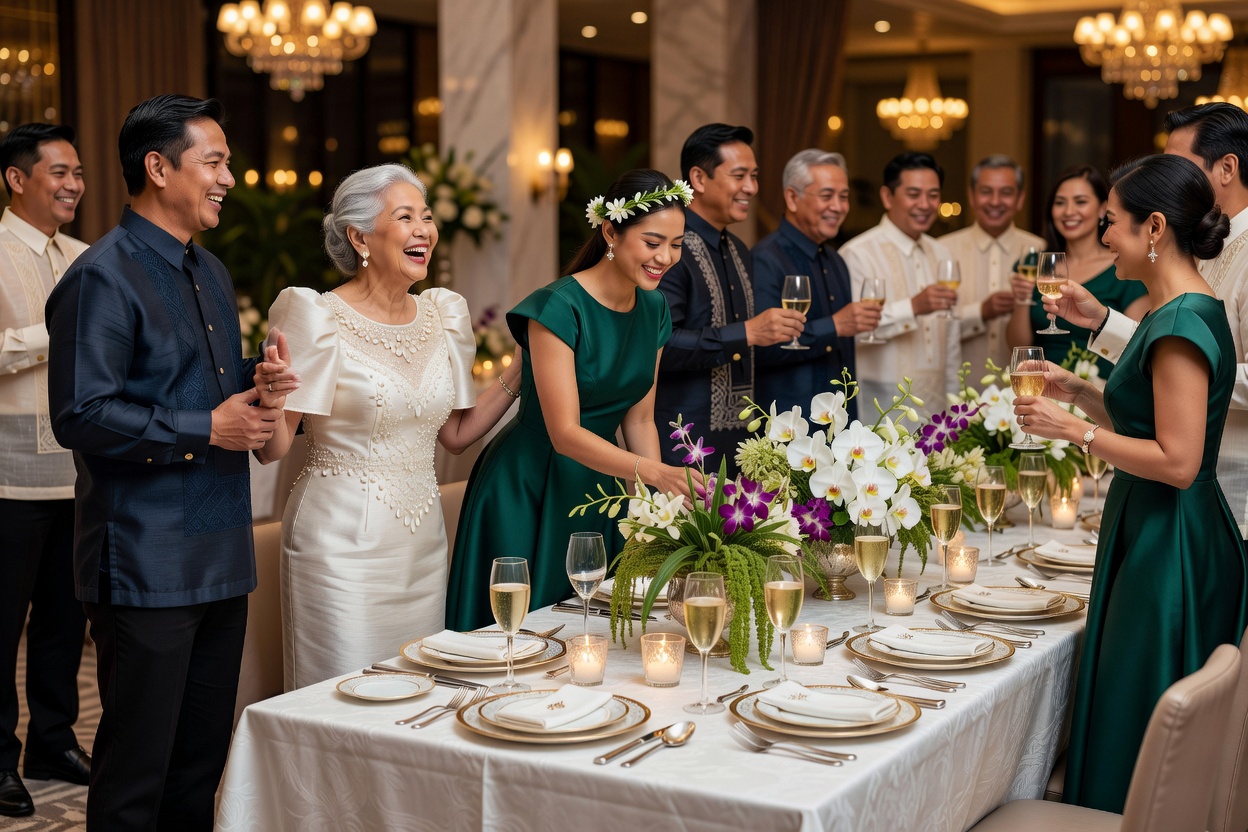
Let's be honest: walang pamilyang walang drama. Filipino family dynamics come with layers of hiya (shame/obligation), utang na loob (debt of gratitude), and unspoken expectations that can make wedding planning emotionally exhausting.
Common scenarios:
- A tita insists you use her friend's catering — utang na loob from a past favor
- Your lola wants a specific church 3 hours from your reception venue
- Both sets of parents disagree on the guest list
- A ninong who contributed significantly expects a bigger program role
Practical fixes:
- Acknowledge, then redirect to budget. "Tita, we've already committed to a caterer — but maybe your friend can do the dessert station?"
- Set boundaries with kindness. "Lola, we love that church. But the reception is in Tagaytay, and guests would drive 3 hours. Can we find a church nearby?"
- Honor utang na loob selectively. You don't have to accept every favor-derived suggestion, but acknowledge the debt with a meaningful gesture.
- Communicate budget limits early. If family contributes, they get input — but you and your partner get the final decision. Frame it as "eto lang ang budget, kailangan mag-adjust" rather than a personal rejection.
See our wedding etiquette Philippines guide.
Who Pays for What: Family Financial Contributions in 2026
Filipino wedding traditions around money are shifting. The old model — groom's family pays for everything — is mostly gone. In 2026, it's usually a pooled effort:
| Expense | Traditional | Modern (2026) |
|---|---|---|
| Venue + reception | Groom's family | Split between couple + both families |
| Catering | Groom's family | Couple, with family contributions |
| Gown / attire | Bride's family or ninang | Couple, sometimes ninang sponsors |
| Photo / video | Groom's family | Couple, sometimes ninong sponsors |
| Lechon | Family sponsor | Ninong or family friend sponsors |
| Honeymoon | Groom's family | Couple or parents as gift |
How GCash and Maya changed things: Family contributions used to be cash in envelopes — easy to lose track of. Now most transfers happen via GCash or Maya, which means there's a digital record. Log every contribution in WedPlanner's budget tracker so nothing falls through the cracks. If a ninong sends ₱30K via GCash for the venue deposit, log it and send a salamat confirming receipt.
Practical tip: Have the money conversation during the pamamanhikan — not a week before the wedding. Who's paying for what? How much? Gift or loan? Get it on the table early. For a full cost breakdown, see our wedding budget Philippines guide.
Family Is the Wedding — But You're Still the Couple
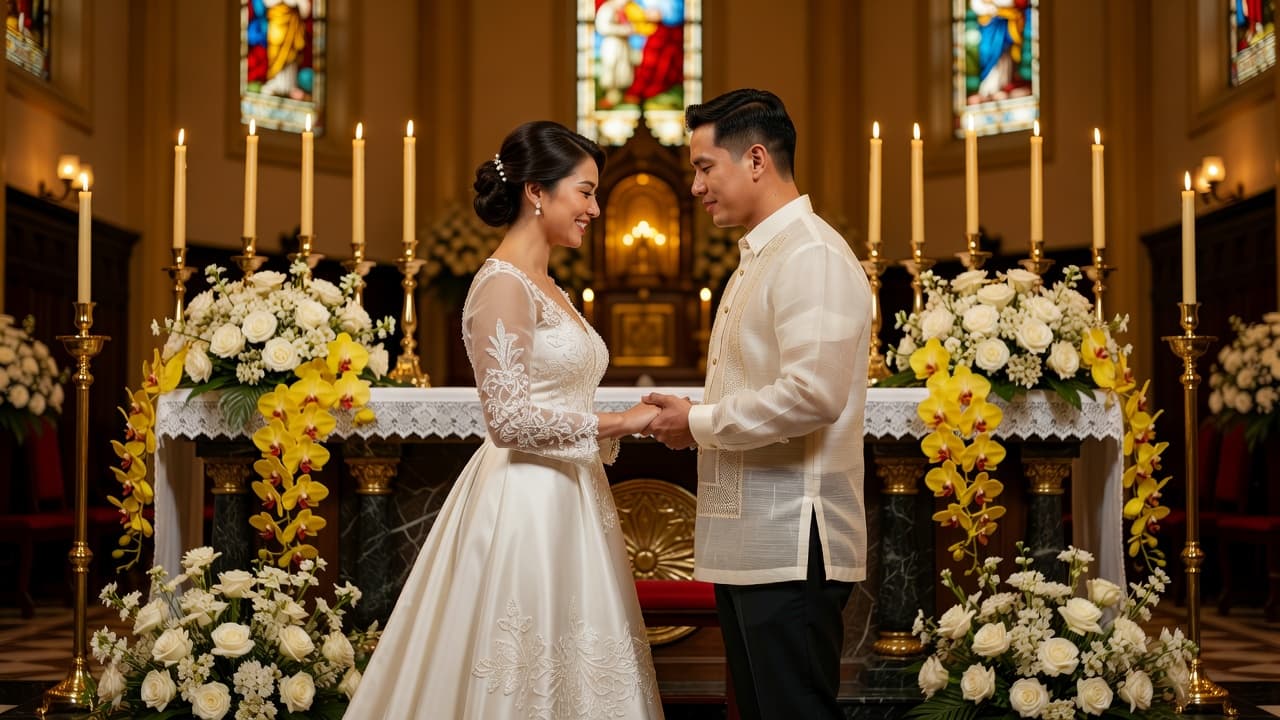
Filipino wedding traditions are beautiful because they center on family. The pamamanhikan, the ninongs, the lola's blessing, the entourage full of titos and titas — these make a Filipino kasal feel like a kasal.
But remember: kayo pa rin ang ikakasal. Family input is valuable; family control is not. Set boundaries early, communicate with love, and use the right tools to stay organized.
Ready to plan your kasal with the whole family involved? Create your free WedPlanner account and get a budget tracker in pesos, online RSVP for big guest lists, guest management, and a timeline that includes your pamamanhikan — all built for Filipino couples.
WedPlanner helps Filipino couples plan weddings with confidence — from first checklist to final dance. Start your free wedding website with online RSVP today.
Suggested internal links: