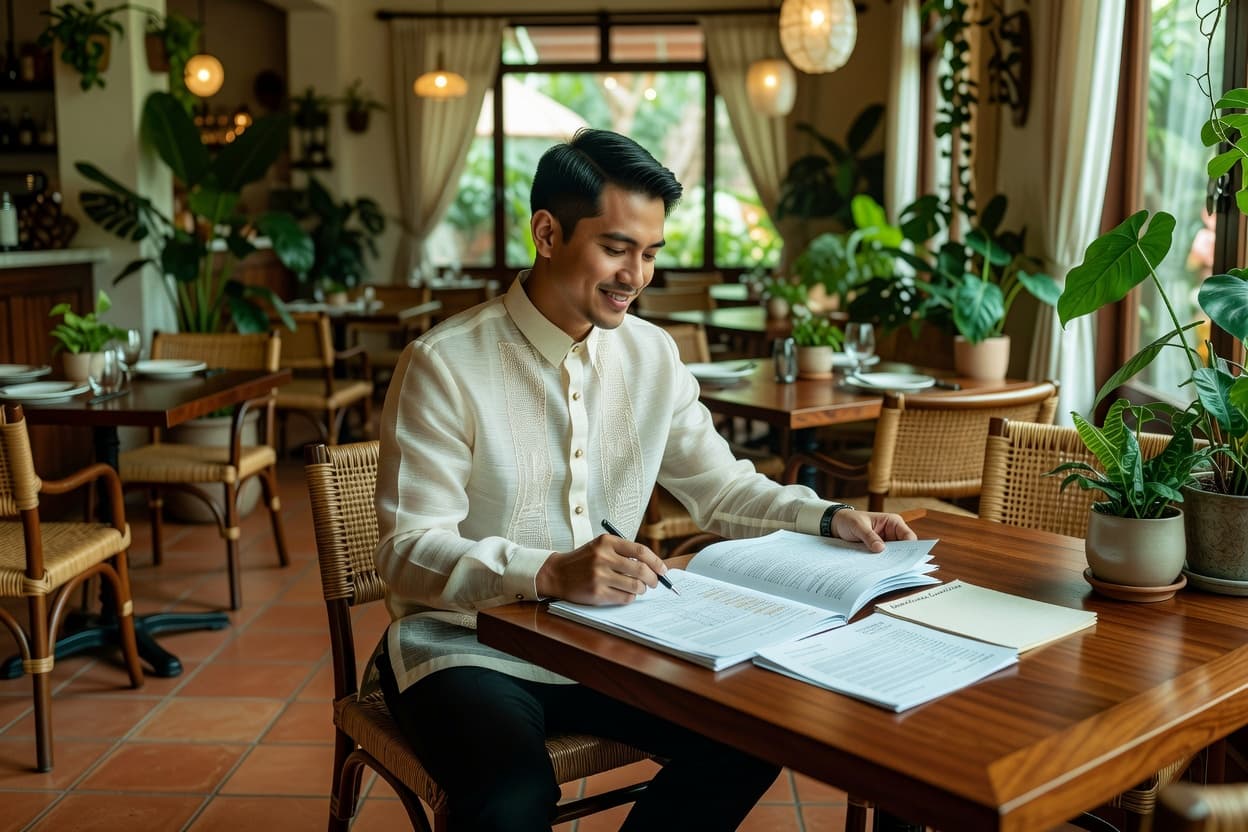
Filipino Wedding Traditions You Should Know and Which to Keep
By WedPlanner Team
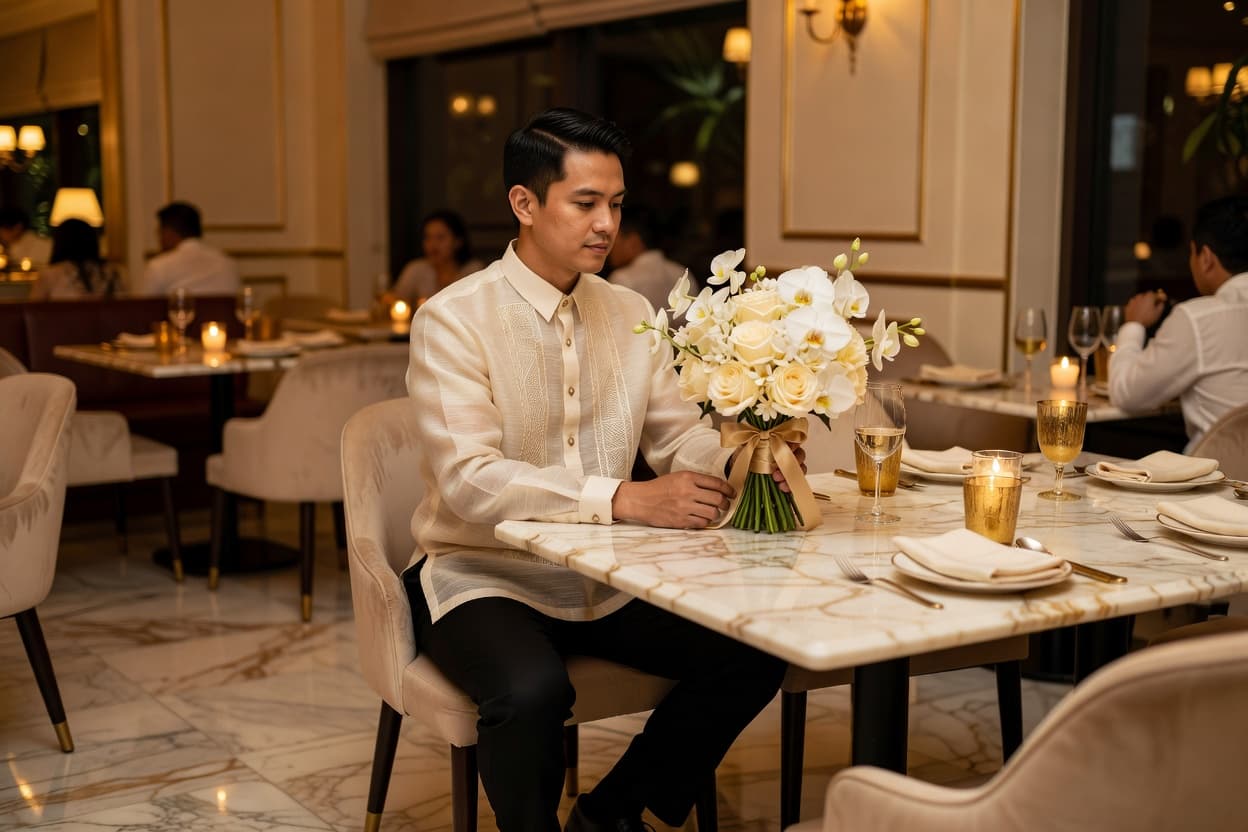
Filipino wedding traditions explained with practical keep-or-skip advice. From the money dance and arrhae to the veil and cord ceremonies, here's which Filipino wedding traditions to keep for your kasal.
Filipino wedding traditions give your kasal its soul — but which ones deserve a place in your 2026 celebration? Filipino wedding planning often means navigating the tension between what tita expects and what feels authentic to you as a couple. Here's a practical guide to the major Filipino wedding traditions, what they mean, and honest advice on which to keep, modernize, or skip.
Filipino Wedding Traditions: What They Mean and Why They Matter
Every Filipino wedding tradition has a story behind it — a reason it exists beyond just "because that's how it's always been done." Before you decide what to include in your ceremony and reception, understand what each one means culturally. For a deeper look at how these traditions fit into the full kasal timeline, see our 12-month Filipino wedding planning timeline.
Money Dance (Sayaw ng Pera)
Guests pin cash onto the couple's clothes while dancing with them — part tradition, part practical fundraising. The money dance is one of the most recognizable Filipino wedding traditions, and it's rooted in the community spirit of bayanihan — everyone contributes to the couple's new life. It's also a wedding etiquette Philippines topic that sparks debate: some couples find it tacky, others see it as essential.
Keep or skip? Keep — but modernize. Many 2026 couples display a GCash wedding gift QR code instead of (or alongside) the traditional pinning. This works especially well for balikbayan guests who can't attend but want to contribute. If you have non-Filipino guests, have your host explain the tradition briefly before it starts — it turns a potentially awkward moment into a cultural highlight.
Arrhae (Thirteen Coins)
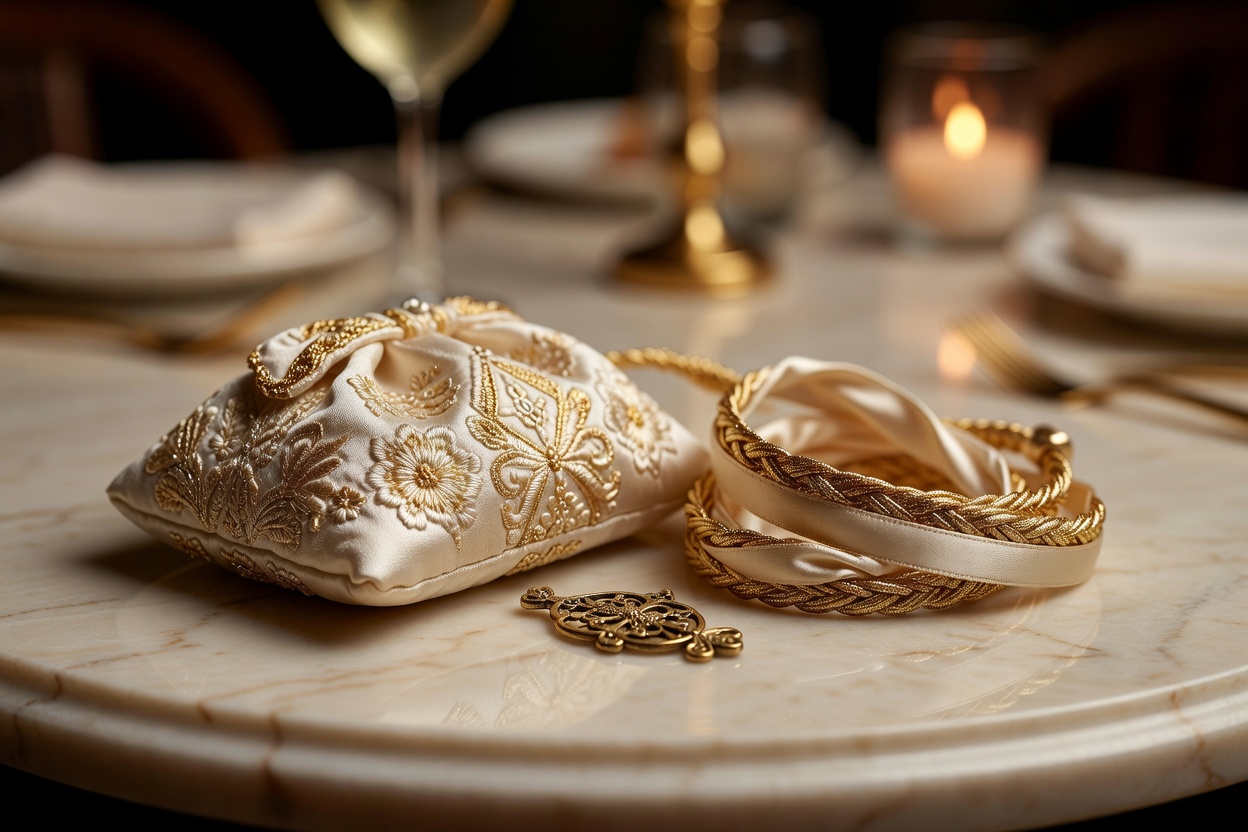
The groom gives the bride thirteen coins (arrhae), blessed by the priest, symbolizing prosperity and the groom's commitment to provide for the family. The coins are presented in a ceremonial tray or pouch, usually during the ceremony itself. An arrhae set costs ₱1,500–₱5,000 depending on material (silver-plated vs. gold-plated vs. heirloom).
Keep or skip? Keep — it's typically church-required for Catholic weddings in the Philippines. The arrhae is part of the official wedding liturgy, so if you're having a church wedding Philippines ceremony, your priest will expect it. For civil weddings, it's optional but still meaningful.
Veil Ceremony (Yugal)
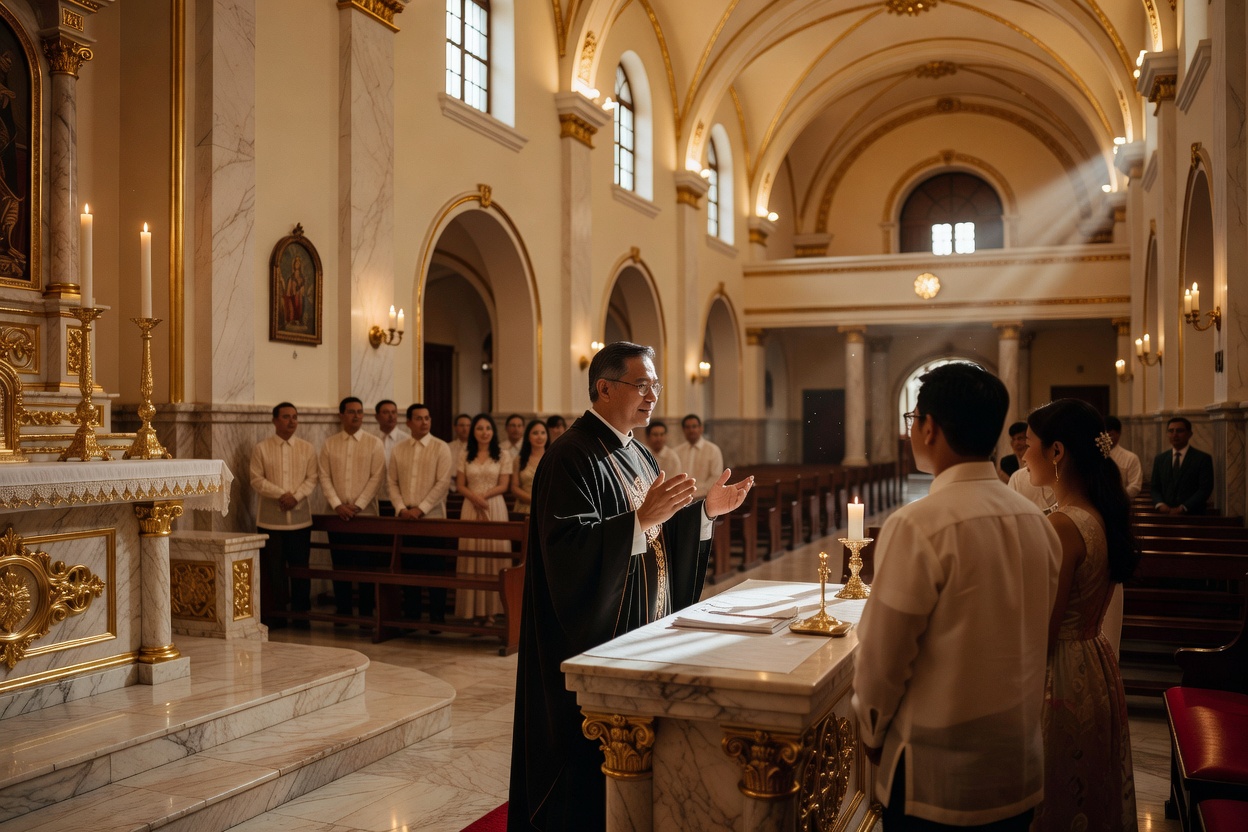
A veil is draped over the groom's shoulder and the bride's head, symbolizing the couple being clothed as one. It's placed by secondary sponsors (usually a married couple from the entourage) during the ceremony, after the exchange of vows. The veil represents unity and God's protection over the marriage.
Keep or skip? Keep — the veil ceremony is church-required for Catholic ceremonies. It's one of three ritual elements (veil, cord, arrhae) that form the core of the Filipino Catholic wedding liturgy. Church rental of veil and cord is typically ₱500–₱1,500, sometimes included in the church fee.
Cord Ceremony (Yugal)
A ceremonial cord in the shape of a figure-eight (infinity loop) is placed over the couple's shoulders, on top of the veil. It symbolizes the eternal bond of marriage — two lives joined forever. Like the veil, it's placed by secondary sponsors during the ceremony.
Keep or skip? Keep — also church-required for Catholic ceremonies. The cord and veil are usually done together, immediately after the exchange of rings. If you're having a garden or civil ceremony, these are optional but add cultural depth.
Candle Ceremony
The couple each lights a candle, then together lights a central unity candle. This represents two families joining and the light of Christ in the marriage. Some couples skip the unity candle and simply have the ceremonial candles at the altar.
Keep or skip? Optional. The candle ceremony is a nice visual moment but not required by the Church. If your ceremony is outdoors (garden or beach), wind may make candles impractical. Consider it for church weddings; skip for destination weddings.
Pamamanhikan
Pamamanhikan is the formal tradition where the groom and his family visit the bride's family to ask for her hand in marriage. It's a gesture of respect — not just a proposal, but a family-to-family commitment. It typically happens 2–6 months before the wedding.
Keep or skip? Keep, especially if both families are Filipino. Modern pamamanhikan can be a simple dinner rather than a formal event — the key is the gesture of respect, not the formality. For mixed-culture marriages, explain the tradition to the non-Filipino family and frame it as a meaningful family meeting.
Principal Sponsors (Ninong and Ninang)
Ninong and ninang (principal sponsors) are the couple's chosen mentors — typically older, respected family friends or relatives. They're witnesses to the marriage and serve as lifelong advisors. They sign the marriage license and are listed prominently on the invitation.
Keep or skip? Keep — this is non-negotiable in Filipino weddings. Most churches require at least two principal sponsors. The question isn't whether to have them, but how many pairs (3–6 is standard). Budget for sponsor gifts: ₱1,000–₱3,000 per pair.
Lechon at the Reception
A whole roasted pig (lechon) is the centerpiece of many Filipino wedding receptions. The couple makes the first cut, sometimes with a ceremonial sword. A lechon costs ₱8,000–₱15,000 depending on size and region — Cebu lechon is the gold standard.
Keep or skip? Optional but beloved. If your reception venue allows it and your budget can accommodate it, lechon is a crowd-pleaser. For intimate weddings or venues without kitchen facilities, consider lechon macau (rolled, boneless) as a practical alternative. For destination weddings, check if your venue allows outside food.
18 Roses and 18 Candles
The 18 roses ceremony involves 18 men presenting roses to the bride and dancing with her (father first, groom last). The 18 candles ceremony is the parallel for the groom — 18 women light candles and share wishes. These are among the most emotional Filipino wedding traditions.
Keep or skip? Optional — keep if you have a large extended family and want to honor many people. For intimate weddings (under 50 guests), 18 of anything is impractical. Consider a shorter version: 9 roses instead of 18, or replace with 18 treasures (women give meaningful gifts instead of candles).
Which Traditions to Include: A Decision Checklist
Use this checklist to decide which traditions fit your wedding:
- Church wedding? Veil, cord, and arrhae are required — non-negotiable.
- Civil or garden ceremony? All traditions are optional — choose the ones that resonate.
- Large guest list (100+)? Money dance and 18 roses/candles work well.
- Intimate wedding (under 50)? Skip 18 roses/candles; keep money dance if you want.
- Balikbayan or mixed-culture guests? Keep traditions but have the host explain each one briefly.
- Destination wedding? Skip candle ceremony (wind), adapt lechon (venue restrictions), keep cord and veil if the officiant allows.
- Budget-conscious? Arrhae (₱1,500–₱5,000), veil/cord (₱500–₱1,500), and money dance are low-cost. Lechon (₱8,000–₱15,000) and 18 roses/candles (roses + candles + gifts) add up.
- Family expectations? If tita and lola are involved, err on the side of keeping traditions. The peace is worth more than the savings.
The best Filipino weddings don't include every tradition — they include the right traditions for that couple. Choose the ones that connect you to your family and culture, and don't be afraid to skip the ones that feel like obligation rather than meaning.
The Bottom Line
Filipino wedding traditions aren't a checklist to blindly follow — they're a menu of meaningful rituals that connect your wedding to generations of Filipino culture before you. Keep the ones that make your family feel honored and your celebration feel authentic. Modernize the ones that need updating (GCash QR for the money dance, 9 roses instead of 18). Skip the ones that don't fit your venue, budget, or guest list without guilt. For your complete kasal planning guide, use WedPlanner's wedding checklist and timeline tool to map every tradition into your ceremony flow. Create your free WedPlanner account and start planning a kasal that honors tradition without being trapped by it.