Church vs Civil Wedding in the Philippines: How to Decide
By WedPlanner Team
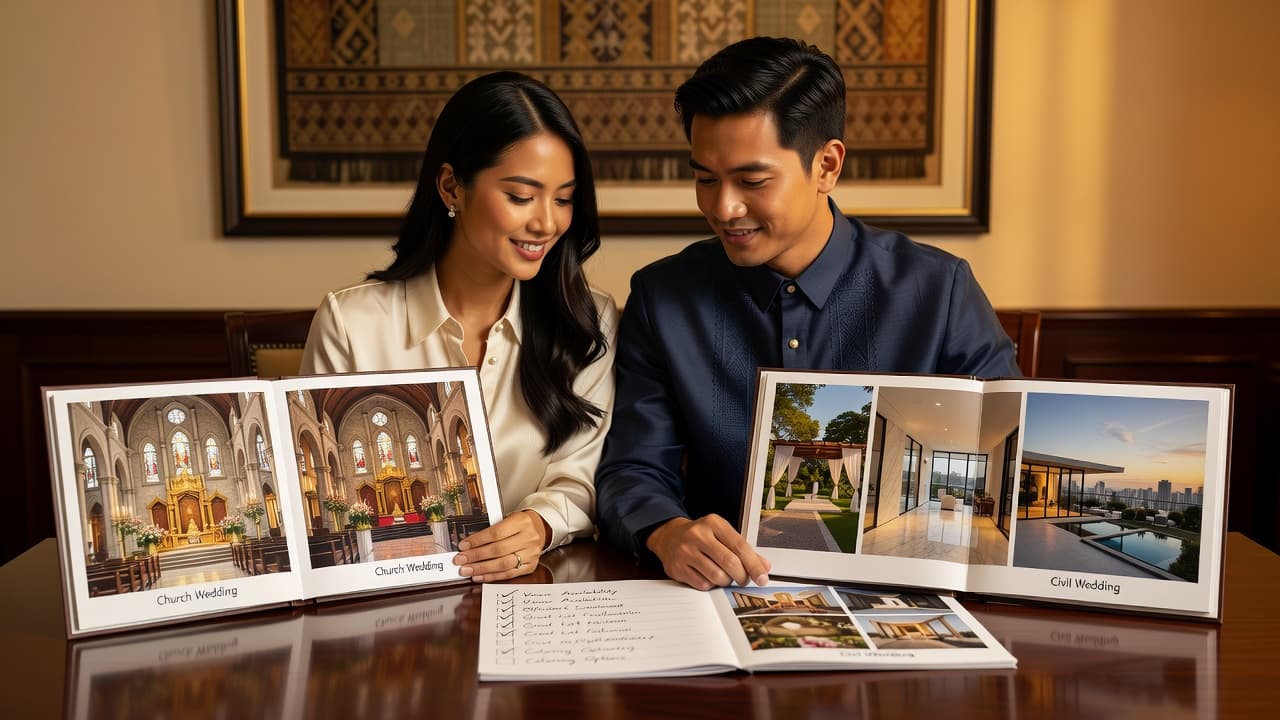
Choosing church or civil wedding in the Philippines affects your documents, timeline, cost, and even the vibe of your ceremony. This guide breaks down the differences and helps you decide early—so nothing surprises you at the last minute.
Church vs Civil Wedding Philippines: How to Decide
Quick Answer: A civil wedding is a legal marriage handled through the Local Civil Registrar and officiated by an authorized person. A church wedding is a religious ceremony that follows church rules and preparation (often longer planning). Choose based on your legal needs first, your faith expectations, family pressure, and your timeline.
Introduction
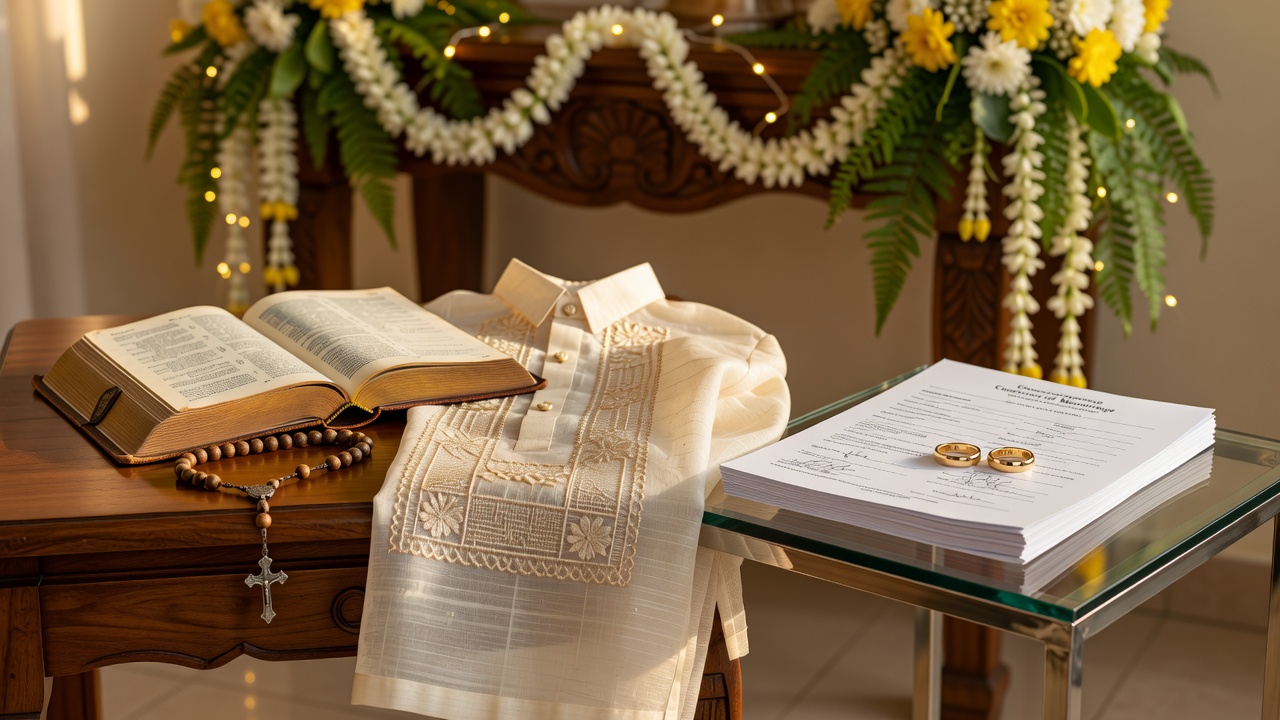
In the Philippines, “church vs civil wedding” isn’t just about aesthetics—it’s about requirements, paperwork, timing, and the experience your families will remember. Many couples plan a beautiful church ceremony, only to realize they still need the legal process (or vice versa). Other couples want the official marriage first, then the church blessing later.
This guide is built to match your search intent: you want to know what’s different, what to prepare early, what it usually feels like, and how to decide before booking dates and gathering documents.
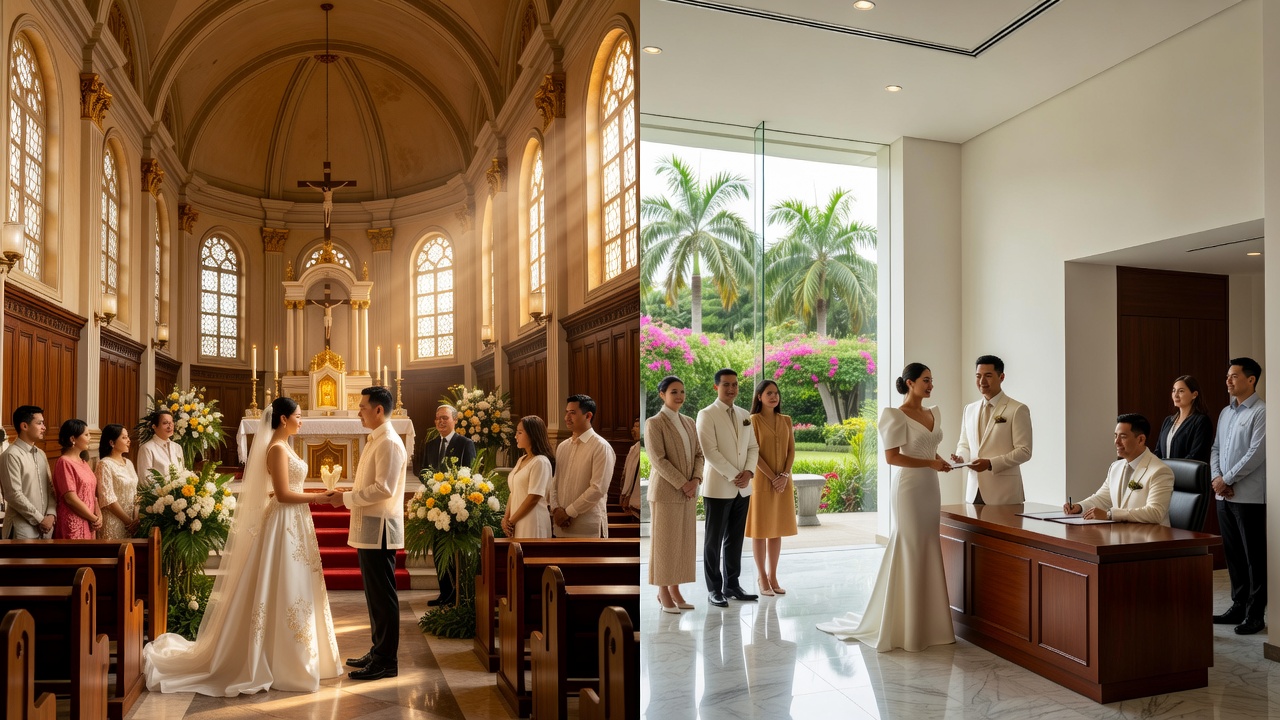
Main Differences: Church Wedding vs Civil Wedding (Philippines)
Below is a practical, decision-oriented comparison you can scan quickly.
Featured snippet-friendly takeaway: If you need the marriage to be legally valid on a specific date, focus on the civil wedding process first. If faith, sacraments, or church expectations are central to your plan, start early with the church requirements—they often take longer to complete.
At a glance: side-by-side comparison
| Category | Civil Wedding (Legal) | Church Wedding (Religious) |
|---|---|---|
| Primary purpose | Legal recognition of marriage | Religious ceremony according to church rules |
| Local Civil Registrar (LCR) and authorized officiant | Your church/diocese/ministry and officiant (e.g., priest/pastor) | |
| Typically includes civil requirements (ID, birth certificates, etc.) | Typically includes church requirements (e.g., baptismal-related documents, pre-marriage requirements, proof of freedom to marry) | |
| Often depends on document processing and LCR steps | Often depends on seminars/classes, pre-marriage interviews, and church approvals | |
| Government and administrative fees + venue/allowances (varies) | Church-related costs/offerings + preparation needs (varies) | |
| Simpler, more formal “legal ceremony” feel (can still be beautiful) | More liturgical, prayer-centered, and community/faith-driven experience |
Quick Answer: What’s the key difference between church and civil weddings?
Quick Answer: Civil marriage creates legal status through the Philippine civil process (LCR and an authorized officiant). Church marriage is a religious rite that follows church rules and preparation requirements. You can do one first and the other later, but the best plan is usually the one that matches your preferred timeline and legal needs.
What are the requirements?
Let’s separate what you must legally do from what you must spiritually/ritually prepare.
What documents are usually required for a civil wedding?
Civil marriage typically centers around civil registration requirements submitted to the Local Civil Registrar (LCR). Common items include government IDs and proof of identity/birth, plus any supporting paperwork required by local procedures.
Practical tip: Ask the LCR (or your assigned city/municipality office) for the exact checklist before you book any ceremony date. Requirements can vary slightly by locality and situation.
What documents and preparation are usually required for a church wedding?
If you’re considering a church wedding (especially within the Catholic tradition), preparation often includes items like proof of baptism/faith background, church interviews, and pre-marriage formation (such as seminars or counseling schedules). If a partner is non-Catholic, the church may require additional permissions/conditions.
Practical tip: Confirm whether your church requires completion before the wedding date (seminars, counseling, document reviews). Many delays happen because couples assume these steps are “optional” or can be done quickly after booking.
What is the process like?
The process difference is where most last-minute surprises come from—especially when couples assume both wedding types have the same timeline.
How does the civil wedding process usually work?
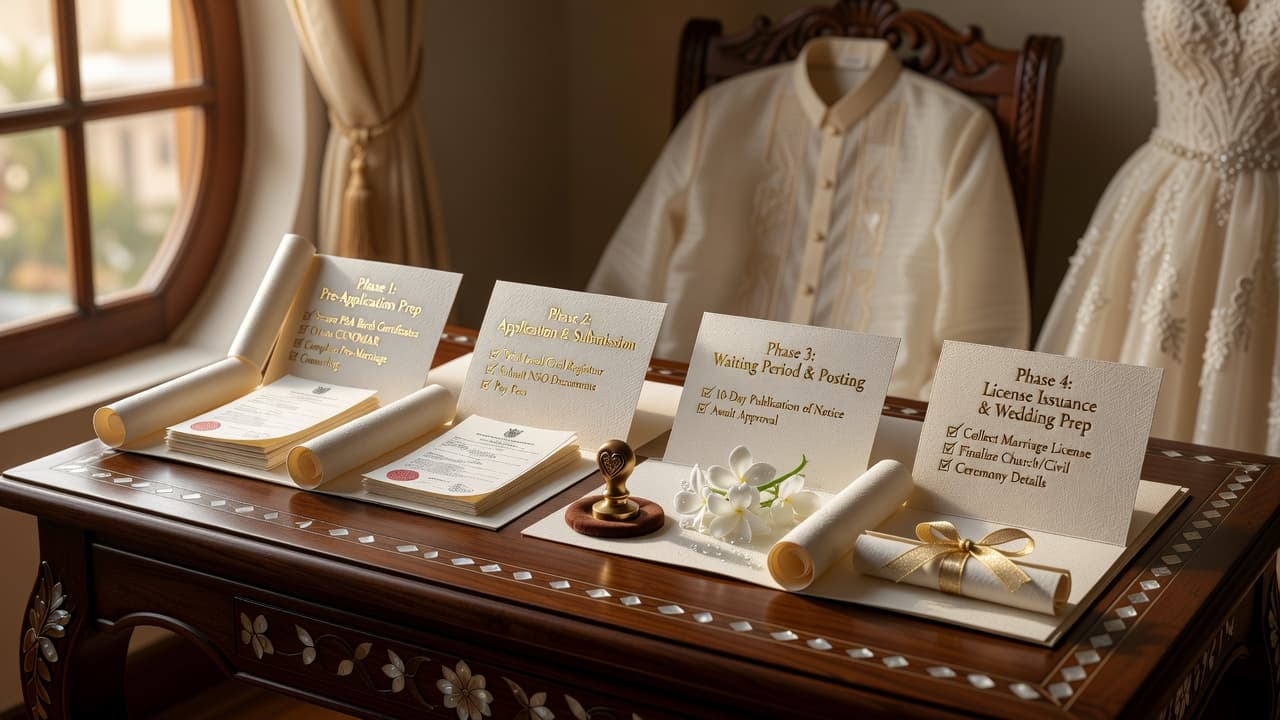
In general, you’ll go through an LCR step sequence: submission of documents, administrative checks, and completion of the legal steps needed before the ceremony can happen on your preferred date. You’ll also coordinate the authorized officiant for the ceremony.
Featured snippet idea (steps):
- Get the LCR checklist for your area.
- Prepare documents and submit requirements.
- Complete administrative steps for the marriage license/approval process.
- Confirm ceremony details with the authorized officiant.
How does the church wedding process usually work?
Church process usually includes initial contact with the parish/office, document review, and formation requirements (classes/seminars/counseling). You may also go through interviews and receive guidance on the ceremony plan (readings, music, roles, and faith commitments).
Depending on your church and circumstances, approvals can take time—sometimes longer than expected during peak wedding seasons.
How do costs usually compare?
“Cost” can mean different things: official fees, preparation costs, venue expenses, and even indirect costs like document requests.
Civil wedding costs: what to budget for
- Government/LCR-related fees (varies by locality and requirements)
- Authorized officiant arrangement (if not included by the venue plan)
- Venue and coordination (even civil ceremonies usually need a location)
- Document procurement costs (e.g., requesting copies, processing fees)
Church wedding costs: what to budget for
- Church-related fees/offerings (varies widely by parish)
- Pre-marriage formation requirements (sometimes with materials/classes fees)
- Music, choir, or ceremony preparation
- Usual wedding expenses: styling, photos/videos, catering, and reception planning (if you’re hosting one)
Decision-minded advice: Don’t compare only “church fee vs civil fee.” Compare your total wedding plan—because many couples do both (civil first, then church), and doing them in the wrong order can create extra re-planning costs.
Setting and vibe: what does each feel like?
Even couples with similar budgets can experience the wedding day very differently.
Civil wedding setting and vibe
Civil ceremonies tend to feel more like a formal, straightforward legal event. That doesn’t mean it has to feel cold. Many couples create a warm atmosphere through clean styling, meaningful readings, carefully chosen music, and a short ceremony script that reflects their story.
Great fit if: you want clarity, efficiency, and a calm schedule—especially if you have tight timelines or family members who prefer a more direct ceremony.
Church wedding setting and vibe
Church weddings are usually more prayer-centered and community-oriented. Expect deeper ritual structure, faith commitments, and a ceremony flow guided by your church’s tradition. The day often feels emotionally “bigger” because it’s not only about two people—it’s also about vows in the context of faith and (often) community witnesses.
Great fit if: faith is a core part of your identity, you want a traditional liturgical feel, or your family strongly expects a religious ceremony.
Which should you choose? A decision guide for Filipino couples
Use this section like a mini worksheet. Your answers should point you to one of these common paths: civil only, church only (if your legal timeline allows), or civil + church in the right order.
Step 1: Start with your legal timeline
Quick Answer: If you need the marriage to be legally recognized by a specific date (for documents, visas, name changes, or other planning), start with the civil process first. Then schedule the church ceremony when the legal timeline is stable and your church requirements are doable.
Step 2: Decide how central faith and tradition are
Ask yourself:
- Do we see the church wedding as essential, not optional?
- Are there religious requirements or beliefs that affect how we view our vows?
- Do we have family expectations that we want to respect respectfully?
If your church ceremony is non-negotiable, begin church preparation early—even if you do civil first.
Step 3: Consider practical constraints (documents, schedules, distance)
In the Philippines, many delays come from:
- Document processing timelines
- Seminar/class availability
- Local office processing schedules
- Peak wedding season demand
Decision tip: If either the LCR process or church requirements feel “tight,” choose the path with fewer moving parts first and keep the other option flexible.
Step 4: Choose the “best match” option (common scenarios)
- You want a fast, low-stress legal ceremony: Choose civil first. Consider church later when you’re ready.
- You want a traditional religious wedding: Start church preparation first—but confirm how quickly your legal steps can be aligned.
- You want both (most common): Often couples do civil first, then church (or schedule them close together), but the “right” order depends on your timelines and church rules.
- One partner is open to church, the other isn’t: Consider a compromise plan: civil now, church later as a commitment milestone (or church wedding with the required conditions, if applicable).
Early-planning questions checklist (to avoid last-minute surprises)
Use this checklist during your first meetings with the LCR and the church office. It’s designed to catch the most common hidden delays.
- From the LCR (civil wedding): What is the exact document checklist for our situation and locality?
- What are the processing timelines and the earliest possible ceremony date?
- Which authorized officiants are available/acceptable for our chosen date and venue?
- Are there any special requirements if we were previously married or have unique circumstances?
- From the church/parish/ministry (church wedding): What are the required pre-marriage seminars/classes, and when do we need to complete them?
- How long does document review usually take, and what happens if anything is missing?
- Are there conditions if one partner is non-Catholic or belongs to another Christian tradition? (Ask about permissions/requirements.)
- What are the ceremony logistics: music rules, readings, sponsors/roles, and rehearsal schedule?
- For both: If we do both civil and church, can they be scheduled close together without missing required steps?
- What is the recommended order of operations for our case to prevent rescheduling?
Pro tip: Write down responses in one place (a shared notes document) and save screenshots/emails from the LCR and church office.
Common mistakes Filipino couples make (and how to avoid them)
Mistake #1: Booking a church date without confirming preparation timelines
Some church requirements take time. If you book early without verifying seminar/class schedules and document approvals, you risk rebooking or compromises you didn’t plan for.
Fix: Confirm requirements and lead times before finalizing your church date.
Mistake #2: Assuming civil and church paperwork timelines are identical
Civil marriage focuses on legal documentation and administrative steps. Church marriage focuses on formation, compatibility with church rules, and ritual requirements. They rarely progress at the same pace.
Fix: Treat them as two separate project timelines and align them intentionally.
Mistake #3: Ignoring the officiant and ceremony logistics early
Even with venue and wedding outfits ready, you may still need to confirm officiant availability and ceremony programming rules.
Fix: Ask about officiants and rehearsal schedules at the first planning calls.
Mistake #4: Leaving document requests too late
Documents and certified copies can take time (and may require repeat requests). Delays compound quickly during peak wedding seasons.
Fix: Start document gathering immediately after you decide your preferred path.
Best-practice timeline (simple, realistic planning)
Here’s a practical way to organize your planning without getting overwhelmed:
- Now (first 1–2 weeks): Contact LCR and church office. Ask for checklists and lead times.
- Weeks 2–6: Gather documents, complete required seminar/class steps (if applicable).
- Weeks 6–10: Confirm ceremony logistics, rehearsals, and officiant availability.
- Weeks 10+: Lock in reception details, finalize suppliers, and create a “wedding day run of show.”
Decision cue: If either track (civil or church) is running behind, shift focus to the one that unlocks legal or ritual completion—and keep the other as flexible as possible.
Key Takeaways
- Civil wedding is about legal recognition through the Philippine civil process (LCR and authorized officiants).
- Church wedding follows religious rules and often requires pre-marriage preparation and document review.
- Choose based on your timeline: start with the track that must be completed first (legal or church requirements).
- Many couples do both: typically civil first, then church—depending on requirements and scheduling.
- Avoid surprises by asking early: get exact checklists, processing timelines, and seminar/class lead times from both offices.
Frequently Asked Questions
Do we need to do a civil wedding before a church wedding?
Not always in every situation, but for most couples, legal readiness is the safest anchor. Many church weddings still require time to prepare and coordinate. Confirm with both the LCR and your church office so you don’t schedule a religious ceremony that conflicts with your legal timeline.
Can we do a church wedding only (no civil wedding yet)?
You may be able to schedule the religious ceremony, but the legal marriage status is separate from the church ceremony. If you need legal effects for documents, name changes, or other plans, you should prioritize the civil process first.
How early should we start planning a church wedding in the Philippines?
Plan early—often several months ahead—because pre-marriage formation and document reviews can take time. The exact timeline depends on your parish/diocese and your circumstances. Ask the church office for lead times and required seminar schedules as soon as possible.
What’s usually faster: church or civil wedding?
It varies by locality and church. Civil steps depend on the LCR process and available ceremony logistics. Church weddings depend on pre-marriage requirements, interviews, and approvals. To avoid surprises, request checklists and timelines from both, then compare your available dates.
What if one partner belongs to a different faith?
Church weddings often have specific conditions when one partner is not part of the same faith tradition. Your church office can explain what permissions or requirements apply. The earlier you ask, the easier it is to adjust your plan without last-minute cancellations.
Which option is better for families who want a traditional ceremony?
If family expectations strongly lean toward tradition and faith, a church wedding may feel more “complete” to them. However, you can still respect tradition while keeping logistics practical—by coordinating civil requirements early and ensuring the church process can be completed smoothly.
How do we budget for both civil and church weddings?
Budget for two parallel tracks: legal/civil administrative steps and religious/pre-marriage preparation. Then add wedding essentials like venue, photos/videos, and reception (if any). Create a single checklist of required fees and documents to prevent double-spending from schedule changes.
Is it possible to have a civil ceremony and a church ceremony on the same day?
Sometimes, yes—but it depends on availability, travel time, document/approval constraints, and rehearsal requirements. If you’re aiming for the same day, you must confirm scheduling constraints with both the LCR and the church office early.
Conclusion
Church vs civil wedding in the Philippines comes down to what needs to be legally and spiritually complete—and how much time you have to prepare the documents and requirements. If you want the safest path, start with your timeline, ask both the LCR and the church office for exact checklists early, and consider doing civil first, then church if it reduces stress.
CTA: If you’re planning now, save the early-planning questions checklist above and share it with your partner—then contact the LCR and your church office this week. [Internal link: related article on wedding planning timeline and checklist for Filipino couples].