Filipina Bridal & Suit Styling: Trending Silhouettes
By WedPlanner Team
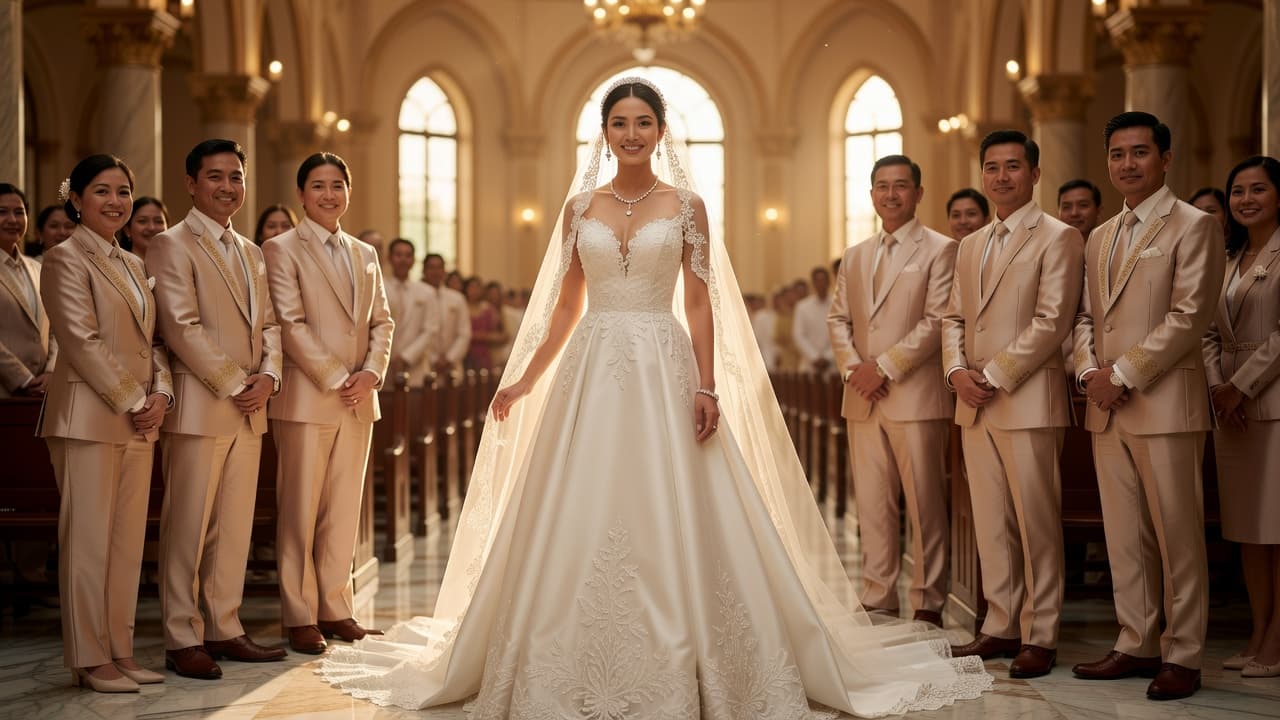
Choose flattering, trend-forward bridal gown silhouettes for Filipina brides and learn how to coordinate veils, accessories, and entourage suits for a cohesive Philippines wedding aesthetic.
Filipina bridal gown silhouettes for wedding: trending gown & suit styling
Quick Answer: The most flattering “Filipina bridal gown silhouettes for wedding” usually balance proportions, comfort in warm weather, and movement for photos. Start by matching silhouette to your height and comfort needs (A-line, fit-and-flare, mermaid/trumpet, or modern sheath), then coordinate veil shape, jewelry scale, and entourage suits using a shared palette and texture.
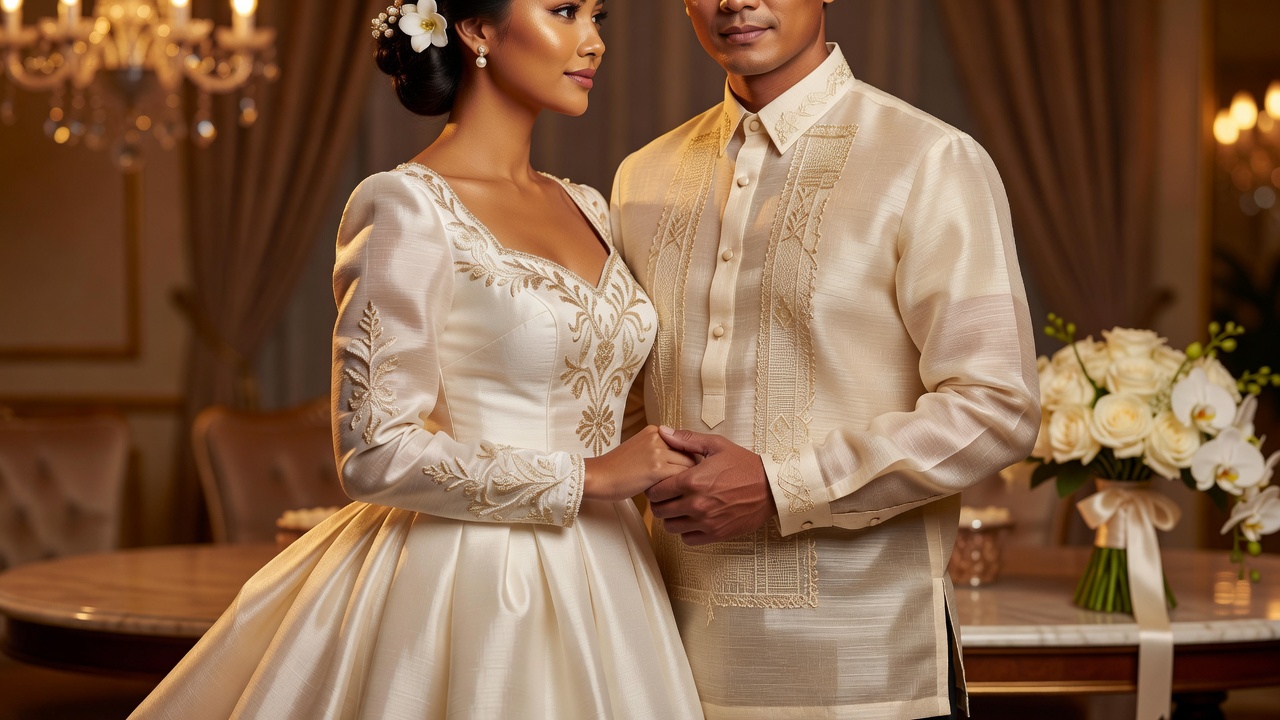
Introduction
Choosing a bridal gown can feel like juggling everything at once: your silhouette goals, church versus reception vibes, the Philippines’ warmer climate, and—often overlooked—how your accessories and your entourage’s outfits will look together in real photos.
If you’re searching for Filipina bridal gown silhouettes for wedding, you likely want options that are both trending and flattering, plus practical styling guidance (not just pretty pictures). This guide helps you pick the right silhouette, then coordinate veils, accessories, and matching suits so your wedding party looks intentionally styled—not accidentally mismatched.
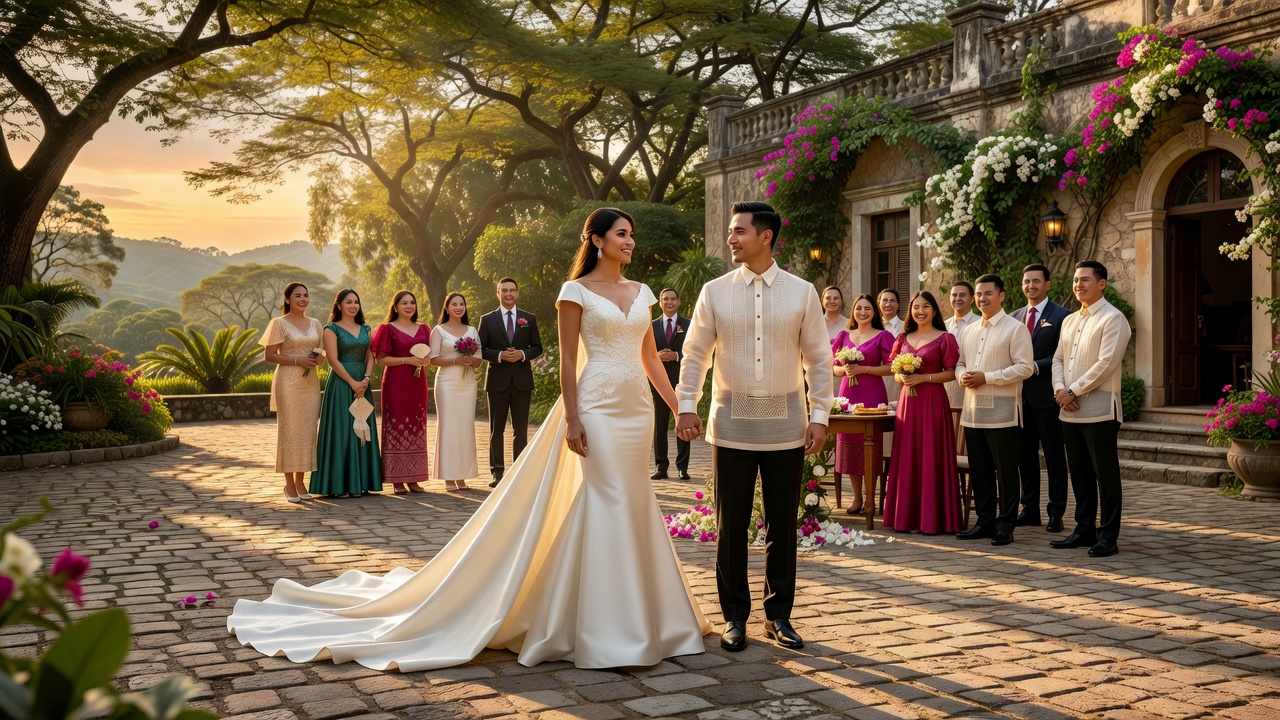
What silhouette is “flattering” for Filipina brides?
Quick Answer: A flattering silhouette is one that visually balances your proportions, supports your comfort level, and photographs well in your venue (church aisles, garden light, reception staging). For many Filipina brides, that means choosing structure and drape that complement curves—without sacrificing movement for ceremonies, photos, and dancing.
Here’s a simple way to define “flattering”:
- Proportion: The silhouette highlights your best areas while creating a flattering line from shoulder to hem.
- Comfort & climate: Warm-weather weddings favor breathable fabrics, manageable train lengths, and supportive construction.
- Movement: Can you sit, walk, and move comfortably during the ceremony and reception?
- Photo readability: Your dress should maintain shape in natural light and videos (especially with handheld LED lighting or flash).
Trend note: silhouettes matter more than “one-size-fits-all rules”
Instead of forcing yourself into a single body-type label, use silhouette principles. For example, if you love a mermaid shape but worry about comfort, you can choose a stretch-blend lining, a shorter flare, or a trumpet option with more forgiving movement.
Filipina bridal gown silhouettes for wedding: which ones are trending right now?
Quick Answer: Trending silhouettes for Filipina brides in recent bridal styling are A-line (clean and photogenic), fit-and-flare (cinched and flexible), mermaid or trumpet (elegant curves), modern sheath (sleek and minimalist), and ball gown (storybook impact). The best choice depends on your venue, comfort, and the level of “statement” you want in photos.
Below are silhouette picks that work especially well for many Philippines wedding settings—where brides often move between church, garden, and reception lighting.
1) A-line (timeless, easy to style, very forgiving)
Why it works: A-line creates a smooth outline and usually flatters both petite and taller frames. It’s also a great choice if you want a structured look without feeling “restricted.”
Best fabrics: Mikado, satin duchess, embroidered tulle, or lightweight jacquard (for warm weather).
Style upgrades: Add a fitted bodice with subtle structured boning, then let the skirt float with a soft flare.
Accessory pairing idea: Choose medium-size earrings and a delicate bracelet so your neckline and skirt volume stay balanced.
2) Fit-and-flare / “midi flare” (the sweet spot for comfort + curve)
Why it works: This silhouette hugs through the waist/hips and then flares for movement. It’s ideal if you want a more defined shape but still want to dance comfortably.
Best fabrics: Lace over crepe, charmeuse with supportive lining, or embroidered tulle with a breathable base.
Style upgrades: Consider a detachable overskirt or a removable train for flexibility between church and reception.
Accessory pairing idea: Pair with a veil that has a gentle wave or soft scalloped edge to avoid “overpowering” the flare.
3) Mermaid or trumpet (high-impact, editorial, best with thoughtful comfort)
Why it works: Mermaid and trumpet silhouettes highlight shape and create dramatic lines—perfect for Filipino wedding portraits with bright natural light.
Comfort tip: If you’re worried about walking, ask your seamstress about a movement slit, internal paneling, or a shorter flare that still reads as “mermaid” in photos.
Best fabrics: Stretch crepe, structured satin with lining, or lace with a stable underlayer.
Accessory pairing idea: Keep jewelry slightly more refined (smaller stones, clean metals) so the dress stays the hero.
4) Modern sheath / column (sleek and elegant for minimalist romance)
Why it works: Sheath looks chic and modern, and it’s often cooler than heavy layered ball gown styles—helpful in warm indoor halls or outdoor gardens.
Best fabrics: Crepe, satin-backed crepe, structured lace, or silk-blend with good drape.
Style upgrades: Use a strong neckline (off-shoulder, halter, square, or high neck) and add texture through lace placement rather than extra skirt volume.
Accessory pairing idea: A sleek comb or minimalist veil attachment keeps the look clean and intentional.
5) Ball gown (storybook, ceremony-ready, and photo-impactful)
Why it works: Ball gowns create a dramatic silhouette that photographs beautifully at entrances, aisles, and stage portraits.
Comfort tip: Choose a lighter inner structure (or a well-planned bustle) to reduce heaviness during photos and reception.
Best fabrics: Tulle with soft structure, embroidered organza, or satin with controlled volume.
Accessory pairing idea: Go slightly bolder with statement earrings if the neckline is supportive; otherwise, balance with a simpler necklace.
Choosing between “mermaid” and “trumpet” for your comfort
Quick Answer: Mermaid usually hugs through the knee area and flares strongly, while trumpet flares earlier and often feels more fluid. If you want curve emphasis but easier movement for a Philippines wedding (photos + dancing), trumpet often feels the most “walkable” option.
- Choose mermaid: if you want a sharper editorial silhouette and planned photos with minimal walking time.
- Choose trumpet: if you want similar drama but easier stride and a softer flare line.
How should Filipina brides coordinate veils for each silhouette?
Quick Answer: Your veil should “echo” your dress line: structured silhouettes can handle longer or more defined veils, while sleek silhouettes pair beautifully with lighter, airy coverage. Choose veil length based on where you’ll photograph most—church aisle portraits, garden shots, or reception stage moments.
Veil length guide (simple and photo-friendly)
- Chapel length (classic): great for churches and formal portraits without feeling overwhelming.
- Cathedral length (dramatic): best for ball gowns and mermaid statements; ensure it’s managed for outdoor wind or tight venues.
- Elbow length / shoulder coverage: ideal for modern sheath and fit-and-flare when you want a clean neck and earring focus.
Veil style (shape matters)
- Soft tulle mantilla or scalloped lace edge: beautifully frames Filipino wedding portrait angles.
- Minimal tulle veil: best if your dress already has ornate beadwork or a strong neckline.
- Detachable veil: a practical “two looks in one day” option for church and reception.
Fast styling rule: match veil texture to dress texture
If your gown has dense embroidery or beadwork, choose a veil that complements rather than competes. If the gown is simpler, a lace-edged veil adds the ceremonial “wow” at the altar.
Accessory and jewelry coordination for a cohesive Philippines wedding aesthetic
Quick Answer: The goal is cohesion across your bridal look and your wedding party: choose a consistent metal tone (gold, champagne, or silver), keep jewelry scale proportionate to your neckline, and repeat one “signature” detail (pearl, crystal, lace, or embroidery) in your accessories and entourage pieces.
A practical accessory checklist (use this before you buy)
- Pick your metal tone: Match your earrings, hair accessories, bracelet, and—if relevant—your clutch hardware.
- Decide your focal point: Neckline, earrings, or veil—choose one primary attention zone.
- Repeat one motif: If your gown has floral lace, consider florals or micro-pearls in your earrings.
- Plan for movement: If you’ll be walking and dancing, avoid overly heavy statement pieces.
Hair accessories that photograph well in tropical lighting
For Philippines wedding venues—especially outdoors—hair accessories should look crisp without looking “too flat” under sunlight. Comb attachments with subtle sparkle often hold their shape better than very delicate, flexible ornaments.
Shoes and bag: keep them aligned with your silhouette
- Ball gowns: choose shoes that allow you to manage volume; consider a slightly higher heel for easier walking.
- Mermaid/trumpet: sleek, refined shoes match the editorial line.
- Sheath: minimalist heels and a clean clutch keep the look modern.
How to style entourage suits to match your bridal silhouette
Quick Answer: To make your wedding party look cohesive, coordinate suits through palette, texture, and detail placement, not just the color. A well-matched pocket square, boutonniere styling, tie/bow texture, and cuff details can mirror your veil or gown fabric.
The “three-point match” method
- Color palette: Choose 1 main suit color + 1 accent color from your bridal theme (for example, champagne + soft blush, ivory + sage green).
- Texture echo: If your dress has lace, use a subtle textured tie or a satin-lapel contrast (not identical lace, just a visual echo).
- Detail repetition: Match one signature element—crystal boutonniere centers, pearl-like accents, or a specific floral type.
Suit silhouettes for a Philippines wedding (trending options)
- Classic tailored two-piece: timeless and easiest to match with nearly any gown.
- Modern slim-fit with slightly higher rise: reads polished in photos and works well with sleek sheaths.
- Textured fabric suits (linen blend / lightweight wool): ideal for warm venues—just keep the tailoring sharp.
Matching the groom’s look to your veil
If your veil has lace edging, consider a subtle lace-like texture in the wedding party’s pocket squares (e.g., embroidered linen) or a boutonniere style that uses a delicate, fine-petal flower variety.
If your veil is minimal and clean, focus on suit sharpness: crisp lapels, clean pocket shapes, and a refined tie texture.
Common mistakes Filipina brides make when styling silhouettes (and how to avoid them)
Quick Answer: Most styling issues come from mismatched “visual weight” (a heavy gown with overly casual accessories, or sleek sheath styling with bulky veil choices) or ignoring comfort for movement. Solve it by planning texture balance, choosing veil length for your venue, and coordinating your entourage using the three-point match method.
1) Picking a silhouette without considering venue movement
If your ceremony has narrow aisles, planned stairs, or outdoor ground paths, prioritize silhouettes with easier mobility—or plan for bustle and movement-friendly construction (slit, shorter flare, detachable overskirt).
2) Veil competing with dress texture
Dense beadwork plus a very ornate veil can look busy in photos. Either simplify one element or ensure both share a consistent motif and metal tone.
3) Jewelry scale mismatch
Large statement earrings can overwhelm an off-shoulder neckline if the veil is also heavy. Pick your hero: earrings OR veil OR necklace.
4) Entourage outfits that don’t “echo” the bride’s look
Even when colors are correct, textures and details can clash. Use palette + texture + signature detail to unify the wedding party.
5) Ignoring warm-weather practicality
For Philippines weddings, breathable underlayers, supportive construction, and smart train management matter. Ask about lining choices and whether the gown can be steamed/structured for humidity.
Cost and planning: what to budget for silhouette, veil, and entourage matching
Quick Answer: Bridal styling costs vary widely based on fabric, custom tailoring, and how many pieces you want (dress, veil, accessories, plus entourage suits). A useful budgeting approach is to allocate first for the gown and tailoring, then set a smaller but intentional budget for veil/accessories, and finally plan suit coordination with consistent palette and details.
Budget categories to consider
- Bridal gown: Fabric, embellishment level, and custom fit.
- Veil: Length and edge detailing (lace edging often adds cost).
- Alterations: Essential for fit, length, bustle, and comfort.
- Accessories: Earrings, hair pieces, clutch, jewelry set coordination.
- Entourage suits: Rental vs bespoke, fabric weight (important for climate), and added details (ties, pocket squares, boutonniere styling).
Recommendation: For best cohesion, plan your bridal silhouette and veil first, then build your entourage suit palette around them.
Step-by-step: how to choose your perfect silhouette in one planning session
Quick Answer: Use a short, structured decision process: (1) choose your ceremony vs reception comfort needs, (2) pick 2 silhouettes you love, (3) test veil length and accessory focal point, and (4) finalize entourage color/texture coordination so everything looks intentional together.
- Decide your wedding “main scene”: church portraits, garden reception, or indoor stage—then prioritize silhouettes that photograph best there.
- Shortlist 2–3 silhouettes: A-line vs fit-and-flare for comfort; mermaid/trumpet for drama; sheath for modern minimal.
- Choose veil coverage: match veil weight to your gown’s texture.
- Plan accessory focus: decide the hero detail (earrings, necklace, veil, or hair accessory).
- Coordinate entourage suits: pick palette + texture + one signature detail to repeat.
- Do a movement check: walk, sit, and simulate photos—then adjust with seamstress tweaks.
Alternatives if you want the look but not the commitment
If you love the silhouette story but want flexibility, consider:
- Detachable overskirt or removable train: switch from ceremony impact to reception comfort.
- Veil alternatives: change from long cathedral to a lighter shorter veil after the ceremony.
- Rental suits with coordinated details: keep the base suit consistent and upgrade ties/pocket squares/boutonnieres for cohesion.
Professional help note: A bridal tailor or experienced stylist can make a silhouette look “more expensive” by refining fit lines (waist placement, skirt balance, and hem structure). If budget allows, it’s one of the highest-return decisions you can make.
Key Takeaways
- Start with silhouette principles: balance proportions, comfort, movement, and how the gown reads in photos.
- Trend-friendly winners include: A-line, fit-and-flare, mermaid/trumpet, modern sheath, and ball gown—choose based on your venue and comfort.
- Coordinate veils intentionally: match veil length and texture weight to your gown details.
- Unify your wedding party: use a three-point match—palette, texture echo, and one repeated signature detail.
- Avoid common pitfalls: don’t let veil/jewelry compete, and don’t ignore warm-weather practicality.
Frequently Asked Questions
Which bridal silhouette is most flattering for Filipina brides who want comfort?
For comfort plus a polished shape, many brides love A-line or fit-and-flare. They offer a flattering outline while staying easier to walk in and dance with. Add supportive structure at the bodice, choose breathable lining, and plan a bustle or movement-friendly train handling.
Can a mermaid gown work for a warm outdoor Philippines wedding?
Yes—if the construction is designed for movement and airflow. Consider lighter-weight fabrics, supportive lining, and a manageable flare (or trumpet variation). A seamstress can add internal panels or a movement slit so the silhouette stays elegant without feeling restrictive in heat.
What veil length should I choose for church photos and reception shots?
Chapel length is a versatile choice for many Philippines ceremonies because it’s formal without overwhelming the venue. If you’re going for a ball gown or a dramatic mermaid/trumpet, cathedral length can be stunning—just ensure wind and bustle planning for outdoor moments.
How do I coordinate bridal accessories with my veil and gown?
Pick one hero area: earrings, veil, or necklace. Then match metal tone across jewelry, hair pins, and clutch details. Finally, repeat one motif (pearls, crystals, or a lace-like pattern) so your overall look feels cohesive instead of scattered.
How should my entourage suits match my bridal gown without looking too uniform?
Match through color palette, texture echo, and one signature detail. For example, align suit color to your theme, choose a tie texture that visually complements your gown (without copying it exactly), and coordinate boutonniere centers or pocket square patterns to repeat your bridal motif.
Should the groom’s outfit match the veil or the gown fabric?
Match the overall “visual language,” not necessarily the fabric itself. If your veil has lace edging, choose a suit accessory detail with a delicate embroidery or subtle texture. If the veil is minimal, focus on crisp tailoring and refined contrast in the tie, pocket square, and boutonniere styling.
What’s the easiest silhouette to photograph well in natural light?
A-line and fit-and-flare often photograph beautifully in natural light because they hold a clear shape while moving gracefully. They also tend to show fewer wrinkles than very minimal columns. If you choose sheath, ensure the fabric has good drape and structure for consistent lines.
What are common styling mistakes with veils and bridal silhouettes?
Common issues include choosing a veil that’s too heavy for a sleek dress, or a veil that competes with ornate beadwork. Another mistake is ignoring how the veil sits on your hairstyle. Keep texture weight balanced and ensure hair + veil attachment is secure and comfortable.
Do I need professional tailoring for a silhouette to look “right”?
In most cases, yes—especially for silhouettes that emphasize shape (fit-and-flare, mermaid, sheath). Professional tailoring refines waist placement, skirt balance, and hem lines so the silhouette reads intentionally in photos. It also improves comfort for ceremony and dancing.
Where can I find authoritative bridal styling guidance?
For foundational styling principles (veil options, silhouette inspiration, and accessory balance), look for reputable bridal resources like The Knot or major fashion outlets. Use these as inspiration, then finalize based on your venue, comfort needs, and your chosen gown silhouette.
Conclusion
Your gown silhouette is more than a style choice—it’s the foundation for your wedding story. When you pick trending yet flattering “Filipina bridal gown silhouettes for wedding” options and then coordinate veils, accessories, and entourage suits through a shared palette and repeating details, your whole day looks intentional in every photo—from church aisle moments to reception dancing.
CTA: If you’re planning your wedding look now, save this guide and shortlist 2 silhouettes plus your veil length. Then bring those decisions to a tailor or stylist to lock in fit and cohesion. You’ll feel more confident, and your wedding party will look beautifully coordinated.