Filipino Wedding Cocktail Hour Guide & Menu
By WedPlanner Team
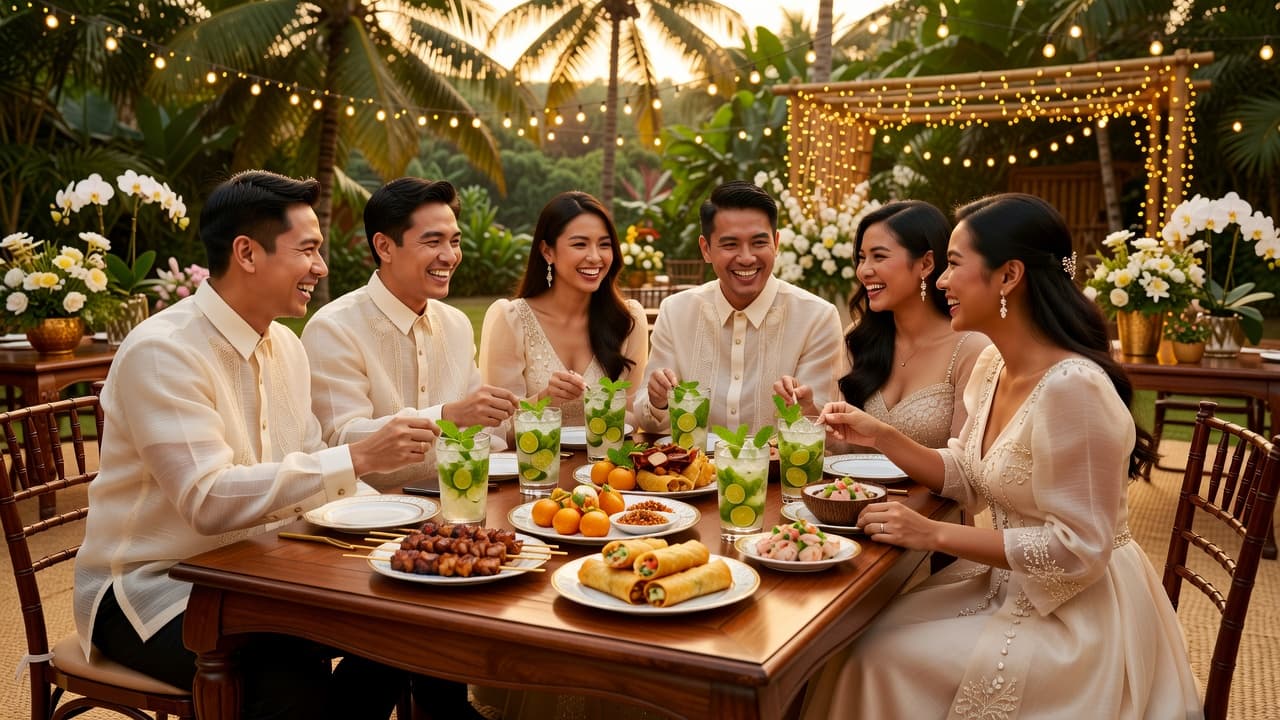
A Filipino wedding cocktail hour keeps guests happy between ceremony and reception. Learn pica-pica ideas, signature cocktails like calamansi mojito and tuba spritz, engaging entertainment, and realistic wait-time guidance for smooth photos.
Filipino Wedding Planning: The Cocktail Hour Between Ceremony & Reception
Quick Answer: The best Filipino wedding cocktail hour bridges the “photo gap” with crowd-friendly pica-pica, refreshing drinks (hello, calamansi mojito and tuba spritz), and short, continuous entertainment. Aim to keep the wait for the reception opening around 20–30 minutes and use programming if it may run 45–60+ minutes.
Introduction
No one plans to “lose the room” during photos—but many Filipino wedding timelines create an awkward stretch between the ceremony and the reception. Guests want to socialize, nibble, cool off, and feel like the program is moving. Smart Filipino wedding planning uses a cocktail hour that functions like a gentle reset: food, drinks, and light entertainment keep energy high while the couple takes photos.
What Is the Filipino Wedding Cocktail Hour (and Why It Matters)?
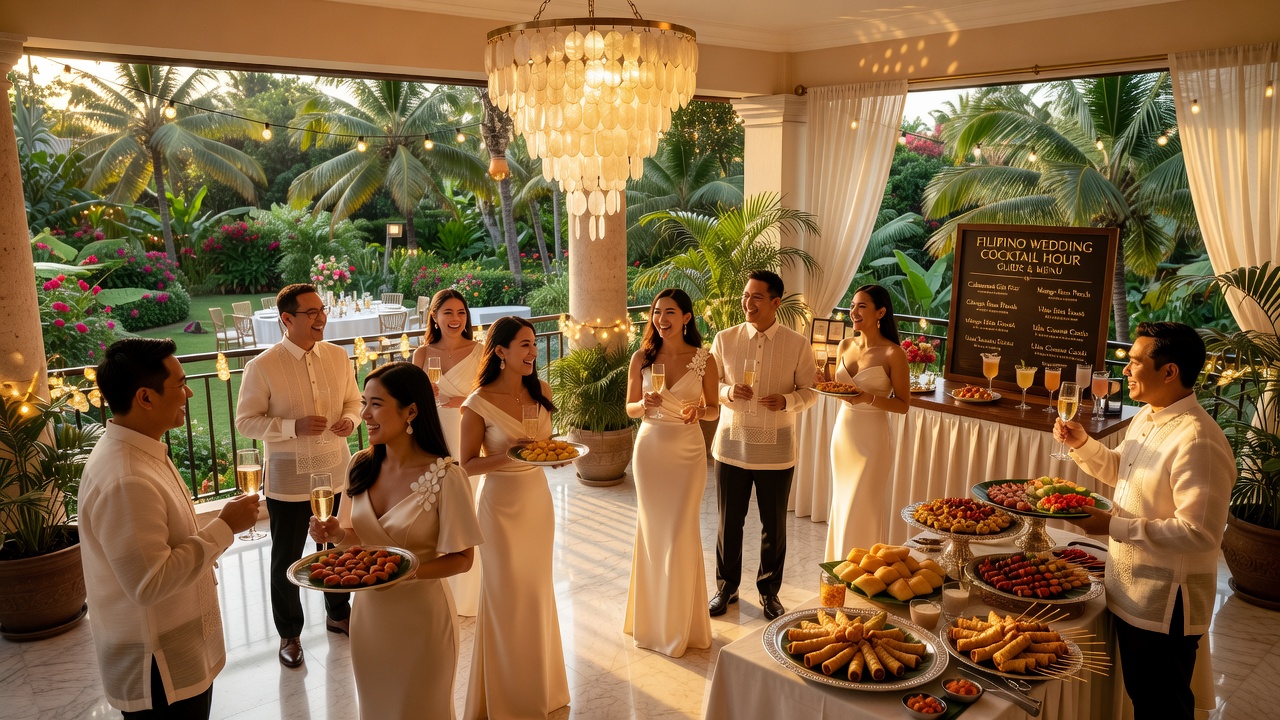
Definition: A cocktail hour is the scheduled in-between period when guests transition from ceremony seating to reception dining—often while the couple is taking photos. In Filipino weddings, it’s commonly paired with pica-pica (small savory snacks), interactive drink stations, and ongoing hosting so guests don’t feel “stuck waiting.”
When it’s designed well, the cocktail hour becomes the wedding’s social engine: guests mingle, families talk, and returning friends find their people again. When it’s designed poorly, people start checking their watches—and your photo timeline turns into a guest experience problem.
How Long Is Too Long to Make Guests Wait?
Rule of thumb: Guests tolerate a short “photo gap” better than a long one—especially in hot weather or during peak meal times. Since every venue and schedule differs, use this as a practical planning guide.
Recommended timing targets
- Best-case: 20–30 minutes of cocktail programming (easy flow, guests still feel welcome).
- Still workable: up to ~45 minutes if food + drinks are active and the host keeps momentum.
- Red flag: 60+ minutes usually needs stronger programming (more stations, more entertainment beats, and clearer guest reassurance).
How to decide your “safe” window
- Weather + comfort: Outdoors and midday heat reduce patience fast—prioritize shade, water, and faster service.
- Guest hunger: If the ceremony ends near typical lunch/dinner time, hunger drives frustration. Offer heartier pica-pica.
- Program clarity: Guests tolerate waiting more when they understand what’s happening and when the next “anchor moment” begins.
- Family dynamics: Weddings with many relatives often need “space to mingle,” so set up zones (food, drinks, photo booth) rather than one line.
Featured-snippet tip: If you’re building the schedule from scratch, write it as a sequence: Ceremony ends → cocktail hour stations open → first entertainment beat → reception opening anchor. That way, your timeline has multiple “checkpoints,” not one long pause.
Food for the Cocktail Hour: Filipino Pica-Pica Ideas Guests Actually Want
A great cocktail hour menu balances three things: easy to hold, easy to share, and not too messy. In Filipino settings, guests love flavors that feel familiar—crispy, savory, and snackable—while still getting variety.
Design your pica-pica menu like a buffet sampler
Choose a mix of:
- Crunchy handhelds (for mingling)
- Warm bites (for comfort)
- Sweet or fruit notes (to refresh)
- Vegetarian-friendly options (if you have mixed dietary needs)
Top Filipino pica-pica picks (with “why they work”)
- Chicharon + dipping sauces (sukang mangga, toyomansi, spiced vinegar): Crunchy, shareable, and easy to serve in portions.
- Empanadas (beef, chicken, or veggie): Holds well, feels celebratory, and guests can eat while chatting.
- Ukoy (shrimp or mixed vegetables) or other fritters: Warm, Filipino comfort snacks; perfect if your cocktail hour is outdoors.
- Lumpia Shanghai / turon mini bites: Classic crowd-pleasers; turon adds a sweet note.
- Chicken inasal or BBQ skewers: Adds “main-ish” satisfaction without a full plate.
- Kwek-kwek or fish balls (if your venue allows): Fun, nostalgic, and “finger friendly.”
- Mini sandwiches (ham cheese, tuna, or fruit-and-cream variations): Helps guests who prefer lighter bites.
- Fresh fruit cups (mango, watermelon, pineapple): Cleanses the palate—especially with citrus drinks.
Pro hosting moves (small details that prevent lines)
- Use stations, not one buffet line: Place food in 2–3 zones so guests don’t cluster.
- Time your refills: Rather than restocking continuously, plan “waves” (e.g., every 15–20 minutes) so the stations stay active.
- Label ingredients: Especially for allergies and dietary preferences.
- Offer a “no-fuss” warm option: Guests with kids or older relatives will appreciate something warm and predictable.
A simple pica-pica quantity approach
Most cocktail hour snacking works best when guests can sample more than one item. As a practical approach, plan for 2–4 pieces per guest from your main handheld lineup, plus fruit/water support. For precise counts, base it on your guest number and how long your cocktail hour runs.
Signature Filipino Cocktails: Calamansi Mojito + Tuba Spritz
Drinks are where your Filipino wedding cocktail hour becomes memorable. The goal isn’t just “something refreshing”—it’s distinct flavors that feel local and easy for bartenders to serve fast. Two signature ideas that fit beautifully are calamansi mojito and tuba spritz.
Calamansi Mojito (bright, citrusy, crowd-pleasing)
Flavor profile: Fresh calamansi (or citrusy lime base), minty aroma, light sweetness, and a fizzy finish. It tastes lively and pairs well with savory snacks.
Serving format that works at weddings:
- Batch-mix: Prepare calamansi + sugar + mint syrup ahead of time (bartenders finish with ice + soda).
- Offer a non-alcoholic version: Many guests want the same citrus experience.
- Use clear cups: Guests recognize the drink quickly at a station.
Tuba Spritz (traditional flavor, modern presentation)
Flavor profile: Tuba (fermented coconut sap) offers a distinct, gently tangy character. A “spritz” style keeps it light and celebratory, especially when paired with citrus and bubbles.
Serving ideas for a cocktail-hour crowd:
- Create a signature garnish: Lime wheel + a small herb sprig or citrus peel.
- Keep it consistent: Spritz recipes should be measured for speed and repeat taste.
- Balance the palate: Pair with savory pica-pica so guests enjoy the contrast.
Drink station setup checklist (for speed and comfort)
| Station Element | Why It Helps | Quick Tip |
|---|---|---|
| Two drink lanes | Reduces lines during peak minutes | One lane for alcohol, one for non-alcohol |
| Pre-chilled bottles/ingredients | Improves serve time | Keep soda and juices cold for fast assembly |
| Clear signage | Guests order without guessing | “Calamansi Mojito” + “Tuba Spritz” with flavor notes |
| Water on arrival | Comfort + better guest mood | Set up water pitchers near the seating or entry |
Responsible service notes
At weddings, beverage service should prioritize guest comfort. Consider offering non-alcoholic versions, using smaller cup sizes for cocktail-hour flow, and training staff to serve consistently. If you’re unsure about alcohol compliance and policies for your venue, ask your caterer or event manager.
Entertainment Ideas: Keep Guests Engaged While the Couple Takes Photos
Think of entertainment as your “program glue.” Instead of hoping guests stay happy for the whole gap, schedule short moments that keep energy moving every 10–20 minutes.
Best entertainment formats for a cocktail hour
- Live acoustic set or “string duo”: Background-friendly music that doesn’t overwhelm conversations.
- Mobile DJ with low-volume transitions: Works best when paired with a host who cues the room (without forcing everyone to dance).
- Interactive photo booth corner: Provide props, a branded backdrop, and a “photo giveaway” plan (e.g., instant prints or a shared link).
- Emcee-led mini games: Simple, family-friendly games with small prizes—think trivia about the couple or “guess the wedding photo year.”
- Short cultural performances (if aligned with your theme): Done early so guests don’t feel like they missed something.
- Child-friendly activity station: If you have kids, a supervised corner reduces restlessness.
Photo-time programming beats (a practical sample flow)
Here’s a smooth blueprint you can adapt:
- 0–10 minutes: Food + drink stations open, water available, emcee welcome.
- 10–20 minutes: First music/duo set or a quick game beat.
- 20–35 minutes: Photo booth “push” + another short performance or mini contest.
- 35–45 minutes: Reception opening announcement with a clear next anchor (dinner service or first dance).
How to avoid the “stuck waiting” feeling
- Tell guests what to expect: Even a short emcee line helps: “We’ll call the couple in at __.”
- Keep announcements frequent but short: One clear cue beats multiple long speeches.
- Match entertainment to crowd energy: If your guests are mostly older relatives, choose calmer interactive formats.
Common Mistakes in Filipino Wedding Planning (and How to Fix Them)
Even well-meaning plans can fail when the cocktail hour isn’t built as a guest experience. Here are the most common issues and quick fixes.
1) Planning the cocktail hour like it’s “just waiting”
Fix: Treat it like a real mini-program. Schedule food waves and at least one entertainment beat.
2) Too much menu variety without execution speed
Fix: Pick 6–10 pica-pica items that your caterer can serve efficiently. Variety matters—but so does timing.
3) Drinks start late (or lines take forever)
Fix: Open drink stations at the same time as food. Add enough staff and pre-batch mixers for calamansi mojito.
4) No “anchor moment” before reception
Fix: Announce an expected reception opening time and use the emcee to set expectations during the gap.
5) Ignoring comfort basics
Fix: Provide water, shaded areas (if outdoors), and “grab-and-go” bites. Comfort reduces tension.
Budgeting Your Cocktail Hour: What Usually Costs More?
Costs vary by venue size, guest count, and service level. Rather than guessing exact totals, budget by category so you can adjust quickly.
Typical budget categories
- Catering + pica-pica: Depends on how many warm items you add.
- Bartending + ingredients: Cocktail stations require staffing and consistent prep.
- Tableware + disposables: Especially if guests eat while standing.
- Entertainment: Acoustic sets often cost less than full-stage performances, but it depends on length and number of performers.
- Photo booth or activations: Costs depend on printing/prop quality and setup requirements.
Money-saving choices that still feel premium
- Choose two signature cocktails (calamansi mojito + tuba spritz) instead of many drink options.
- Use mini portions for pica-pica to stretch variety.
- Keep entertainment short and scheduled rather than continuous for the entire gap.
Best Practices Checklist (Copy/Paste for Your Plan)
- Timeline: Ceremony ends → cocktail stations open → entertainment beat(s) → reception anchor.
- Pica-pica variety: crunchy handhelds + warm bites + fruit refreshers.
- Signature drinks: calamansi mojito and tuba spritz with non-alcoholic options.
- Service speed: pre-batched mixers and enough staff to prevent long drink lines.
- Guest comfort: water access, shaded or cooled areas when needed.
- Host cues: frequent, short announcements with a clear reception start expectation.
- Entertainment loop: 10–20 minute “beats” so guests always have something to look forward to.
Key Takeaways
- A Filipino wedding cocktail hour should actively bridge the ceremony-to-reception photo gap, not just “fill time.”
- Aim for 20–30 minutes; up to ~45 minutes can work with strong food, drinks, and hosting.
- Build pica-pica around easy handhelds, warm bites, and fruit refreshers to keep guests comfortable.
- Signature cocktails like calamansi mojito and tuba spritz create local, memorable drink moments.
- Use scheduled entertainment beats (acoustic sets, photo booth, mini games) so guests feel the program is moving.
- Clear announcements reduce frustration more than extra food alone.
Frequently Asked Questions
How do we structure the cocktail hour if the couple takes longer for photos?
If the photo timeline may stretch, don’t rely on one long wait. Keep food and drinks continuously replenished in waves, add at least one extra entertainment beat, and have the emcee update guests on the next anchor moment (e.g., reception opening) with a realistic time.
What’s the best pica-pica mix for a Filipino wedding cocktail hour?
Choose a balanced mix of handheld crunch (like chicharon or empanadas), warm savory bites (like lumpia or skewers), and refreshing sides (fruit cups). Add one “comfort” item for guests who want something warm and familiar. Include a vegetarian-friendly option if needed.
Are calamansi mojito and tuba spritz too niche for guests?
They can be crowd-friendly when served as signature stations with flavor notes and consistent recipes. Offer non-alcoholic versions too, so everyone can try the taste profile. Citrus-forward drinks usually match savory Filipino snacks well, which helps guests enjoy them quickly.
How many drinks should we serve during the cocktail hour?
Plan based on duration and guest mix: longer cocktail hours need more frequent refills, and hot-weather weddings benefit from water-first service. A practical approach is to set up two signature cocktails, provide non-alcoholic options, and staff bartenders to avoid long lines—speed often matters more than raw volume.
What entertainment works best while guests are mingling?
Background-friendly music (acoustic sets or string duos), interactive photo booths, and short emcee-led games work best because they don’t require everyone to sit through a full performance. Keep each beat short (10–20 minutes) and schedule them so guests always have something happening.
Is it okay to open reception immediately after ceremony?
Yes—if the venue allows quick transitions and you’re confident in your photo timeline. Some couples choose a shorter cocktail hour and move dinner earlier. If you do this, prioritize quick signage, efficient serving, and clear hosting so guests don’t feel rushed.
How can we make the wait feel shorter to guests?
Clear expectations help most. Have the emcee announce the reception start, keep drinks and snacks accessible, and provide visible activities like a photo booth or light performances. Guests perceive time differently when they feel included and comfortable—not when they’re just waiting.
Should we include non-alcoholic cocktails?
Yes. A non-alcoholic calamansi mojito-style drink keeps the flavor theme consistent and makes your cocktail hour inclusive. It also reduces bottlenecks at the bar because bartenders can serve both types with similar preparation steps.
What are common Filipino wedding planning mistakes during the cocktail hour?
The most common mistakes are late-opening drinks, one-sided snack planning (only crunchy or only warm), and lack of scheduled entertainment beats. Avoid long buffet lines by using stations, and prevent confusion by updating guests with short, frequent cues from the emcee.
Conclusion
A well-designed Filipino wedding cocktail hour protects your guest experience during the ceremony-to-reception photo gap. By pairing pica-pica that’s easy to share with signature drinks like calamansi mojito and tuba spritz, plus short entertainment beats, you turn waiting into mingling.
Next step: If you’re building your timeline, start with the “anchor moments” (food/drinks opening, first entertainment beat, reception start) and then lock your menu and staffing to match that flow. [Internal link: related article on wedding timeline planning] and [Internal link: related article on Filipino reception program order] can help you finalize the schedule.