Filipino Wedding Planning: 7 Mistakes That Will Ruin Your Kasal
By WedPlanner Team

Avoid the seven most costly mistakes in Filipino wedding planning — from underestimating costs to ignoring family dynamics — and save your kasal from disaster.
Filipino wedding planning is a beautiful but demanding journey. Between the church ceremony, the grand reception, and the endless guest list that grows every time your mom bumps into a relative at the palengke, it's easy to get overwhelmed. Unfortunately, many couples repeat the same avoidable mistakes — and pay for them in stress, debt, or heartbreak on the day itself.

This guide walks through the seven most common Filipino wedding planning mistakes, with real-world scenarios and practical fixes so your kasal goes off without a hitch.
Mistake 1: Underestimating the True Cost of a Filipino Wedding
The scenario: Mae and Carlo set a budget of PHP 150,000 for their wedding, thinking that would cover everything. By the time they reached the reception, they had already spent PHP 280,000 — and the caterer hadn't even been paid yet. They ended up charging PHP 80,000 to a credit card they're still paying off two years later.
The stakes: Starting your marriage in debt is stressful. Couples who blow their budget often compromise on honeymoon plans, emergency savings, or even monthly groceries just to recover.
The fix: Build a realistic budget using local averages. Here's a rough breakdown for a 100-guest wedding in Metro Manila:
| Item | Budget Range (PHP) |
|---|---|
| Venue (church + reception) | 40,000 – 120,000 |
| Catering (PHP 350–600/guest) | 35,000 – 60,000 |
| Photo & video | 30,000 – 80,000 |
| Bridal gown & barong | 15,000 – 50,000 |
| Wedding coordinator | 20,000 – 50,000 |
| Hair & makeup | 5,000 – 15,000 |
| Invitations & souvenirs | 5,000 – 20,000 |
| Miscellaneous (transport, tips, emergencies) | 10,000 – 20,000 |
Always add a 15–20% contingency on top of your total. If you think you'll spend PHP 200,000, budget for PHP 240,000.
Mistake 2: Ignoring Family Dynamics and the Ninong/Ninang Politics
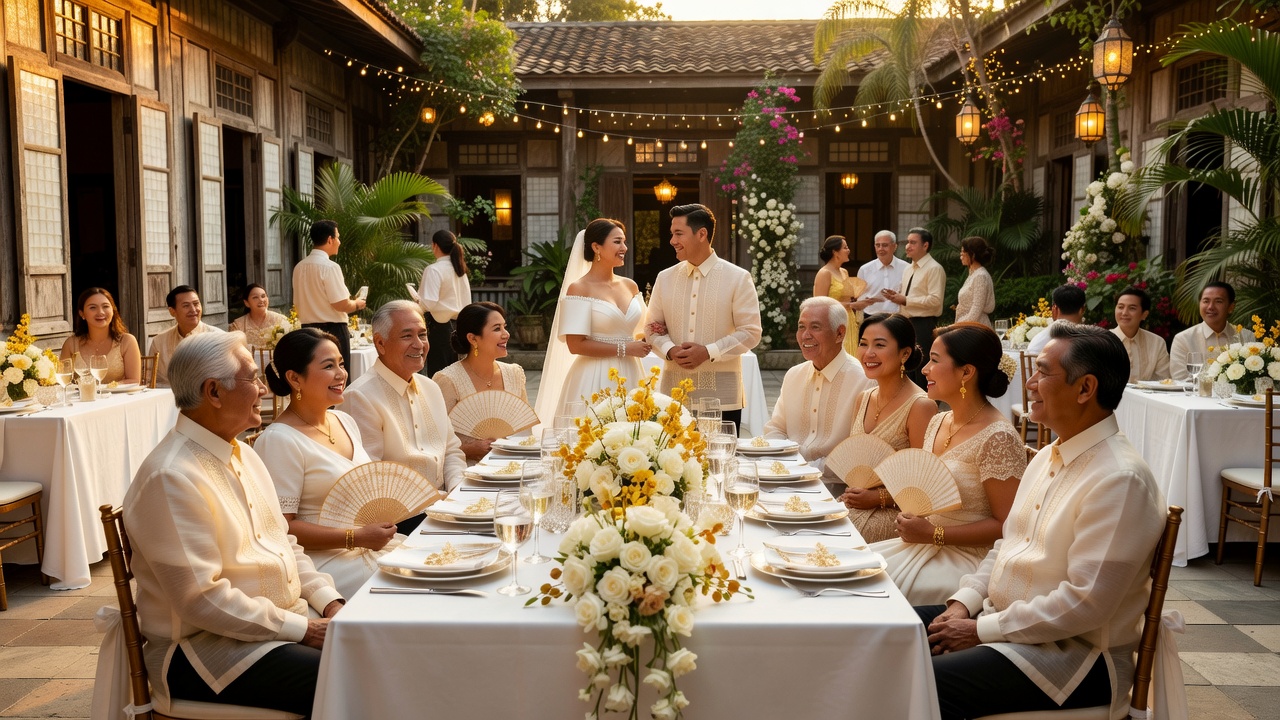
The scenario: Joy chose her Tita Linda as a ninang, but didn't include her Ninong Boy — her father's kumpare. On the wedding day, Ninong Boy's entire family showed up but sat in the back, visibly hurt. Her father didn't speak to her for a week.
The stakes: In Filipino culture, weddings are family events — not just yours. Excluding key relatives from the principal sponsors list can cause rifts that last years. Relationships with in-laws and extended family shape your married life, so don't treat the ninong/ninang list as an afterthought.
The fix: Sit down with both sets of parents and agree on the sponsor list together. Aim for balance — an equal number from each side. If budget is tight, you can have principal sponsors (ninong/ninang) who don't require a seat at the head table but are still honored in the program. The key is communication: explain your constraints early, not after the invitations are out.
Mistake 3: No Backup Plan for Weather and Logistics
The scenario: Rina and Miguel booked a beautiful garden wedding in Tagaytay for July. The invitation said 3 PM. By 3:30, a monsoon rain hit. There were no tents, no indoor fallback, and 80 guests stood under the lone gazebo meant for 20.
The stakes: One bad weather day can ruin the aesthetic you spent months planning, damage equipment, and make guests miserable. The Philippines has two distinct seasons — and even during dry months, sudden rain is common.
The fix: If you're booking an outdoor venue, always ask: Is there an indoor backup space? Can the provider set up tents within 30 minutes? What's the rain plan? Get the answers in writing. For garden weddings, budget for tents and flooring — even if the forecast says sunny. A 20x30 ft tent costs around PHP 5,000–8,000 to rent, a small price for peace of mind.
Mistake 4: Choosing Vendors Without Contracts or Verification
The scenario: Jen hired a photographer recommended by a friend — no contract, just a Facebook message and a PHP 10,000 deposit. Wedding day came, the photographer arrived two hours late, left early, and delivered 200 unedited photos three months later. When asked for the raw files, he blocked her.
The stakes: Vendor horror stories are the most common wedding disaster in Filipino wedding planning. Without a contract, you have no legal recourse. Photos, videos, catering, and coordination — once these go wrong, there's no redo.
The fix: Always sign a contract that specifies deliverables, timeline, payment terms, and cancellation policy. Check at least three references — not just Instagram, but actual past clients. For photographers and videographers, require a second shooter. Verify they've shot at your specific venue before. A PHP 3,000 premium for a verified professional is cheaper than losing your only wedding photos.
Mistake 5: Overloading the Guest List Without a Strategy
The scenario: Mark and Grace planned for 120 guests but ended up with 180 because both sets of parents invited their entire barkada, church group, and office mates. The venue could only seat 130. On the day, 40 guests stood through the entire reception, the catering ran out of food by 7 PM, and the program was cut short.
The stakes: Overcrowding creates a bad experience for everyone — including you. Running out of food at a Filipino wedding is particularly shameful; hospitality is woven into the culture. You'll also blow your catering budget by 30–50%.
The fix: Set a hard guest count before sending save-the-dates, and enforce it. Create tiers: immediate family, extended family, close friends, and then the optional list. In Filipino wedding planning, it helps to use the "padrino system" — ask parents to contribute per head if they want to invite beyond the count. A polite "we'd love to include everyone but our venue caps at X" works better than silence.
Mistake 6: Skipping the Wedding Coordinator to Save Money
The scenario: Ara and Vince decided to DIY the coordination to save PHP 25,000. On the day, Ara's sister was supposed to manage the timeline — but she was also a bridesmaid. The entourage started 40 minutes late, the caterer served food before the couple arrived, and the first dance happened while guests were still eating.
The stakes: A wedding without a coordinator means someone in your family becomes the default event manager — and that person can't enjoy the day. Small timing errors compound: a 15-minute delay in the ceremony pushes everything back, and vendors may charge overtime.
The fix: At minimum, hire a day-of coordinator (PHP 10,000–15,000). They handle vendor coordination, timeline management, and crisis control so you and your family can actually be present. If full coordination is in budget (PHP 20,000–50,000), even better — they'll catch issues months before the wedding day.
Mistake 7: Forgetting the Pamanhikan and Cultural Protocol
The scenario: Dan popped the question to Kat without first speaking to her parents. When they eventually did the pamanhikan, her father felt disrespected that he wasn't consulted first. The entire wedding planning process became tense, with her parents reluctant to contribute or participate.
The stakes: The pamanhikan — the formal asking of the bride's family's blessing — is more than tradition; it's a foundation of respect. Skipping it or doing it as an afterthought signals that you don't value the family bond, which in Filipino culture extends far beyond the wedding day.
The fix: Do the pamanhikan early — ideally before booking anything. Bring your parents, dress respectfully, and come with a simple plan (timeline, budget range, guest count estimate). It doesn't need to be grand; the gesture itself carries weight. When families feel respected from the start, they become your biggest allies throughout the planning process.
Conclusion: Plan Smart, Kasal with Confidence
Filipino wedding planning doesn't have to be a nightmare. The couples who enjoy their day the most aren't the ones with the biggest budgets — they're the ones who planned for reality, communicated with family, and protected themselves from preventable disasters. Avoid these seven mistakes, and you'll walk into your reception calm, present, and ready to celebrate the start of your married life.
Need help organizing your own kasal? Use a planning checklist, talk to a coordinator, and start with a realistic budget. Your future self — and your family — will thank you.
FAQ: Filipino Wedding Planning
How much does a Filipino wedding cost on average?
A 100-guest wedding in the Philippines typically ranges from PHP 150,000 to PHP 500,000, depending on venue, catering tier, and vendor choices. Luxury weddings can exceed PHP 1,000,000.
How many ninong and ninang should we have?
There's no fixed number, but most Filipino weddings have 3 to 7 pairs of principal sponsors. Balance both families equally, and choose people who have genuinely guided your relationship.
Is a wedding coordinator really necessary?
It's strongly recommended. Even a day-of coordinator (PHP 10,000–15,000) saves you from managing vendors, timing, and emergencies on the day itself — letting you and your family actually enjoy the celebration.