Wedding Coordinator Philippines: Do You Really Need One?
By WedPlanner Team
Planning a wedding in the Philippines? An honest guide to wedding coordinators — what they do, how much they cost, when you need one, and when you can plan your own.
Wedding Coordinator Philippines: Do You Really Need One?
Quick Answer: You need a wedding coordinator in the Philippines if you're planning a medium-to-large wedding (100+ guests) with multiple suppliers, a church ceremony, and a separate reception venue. For intimate celebrations under 50 guests at an all-inclusive venue, you can often self-coordinate with a detailed checklist.
Introduction
Every Filipino couple faces the same question after the proposal: "Kailangan ba talaga ng coordinator?" (Do we really need a coordinator?)
With weddings in the Philippines costing anywhere from ₱150,000 to over ₱1,000,000, every peso matters. Hiring a wedding coordinator adds to that budget — but skipping one can cost you more in stress, missed details, and vendor miscommunication on your big day.
This guide cuts through the sales talk. We'll explain exactly what wedding coordinators do in the Philippine context, what they charge, when they're worth every peso, and when you can confidently handle things yourself.
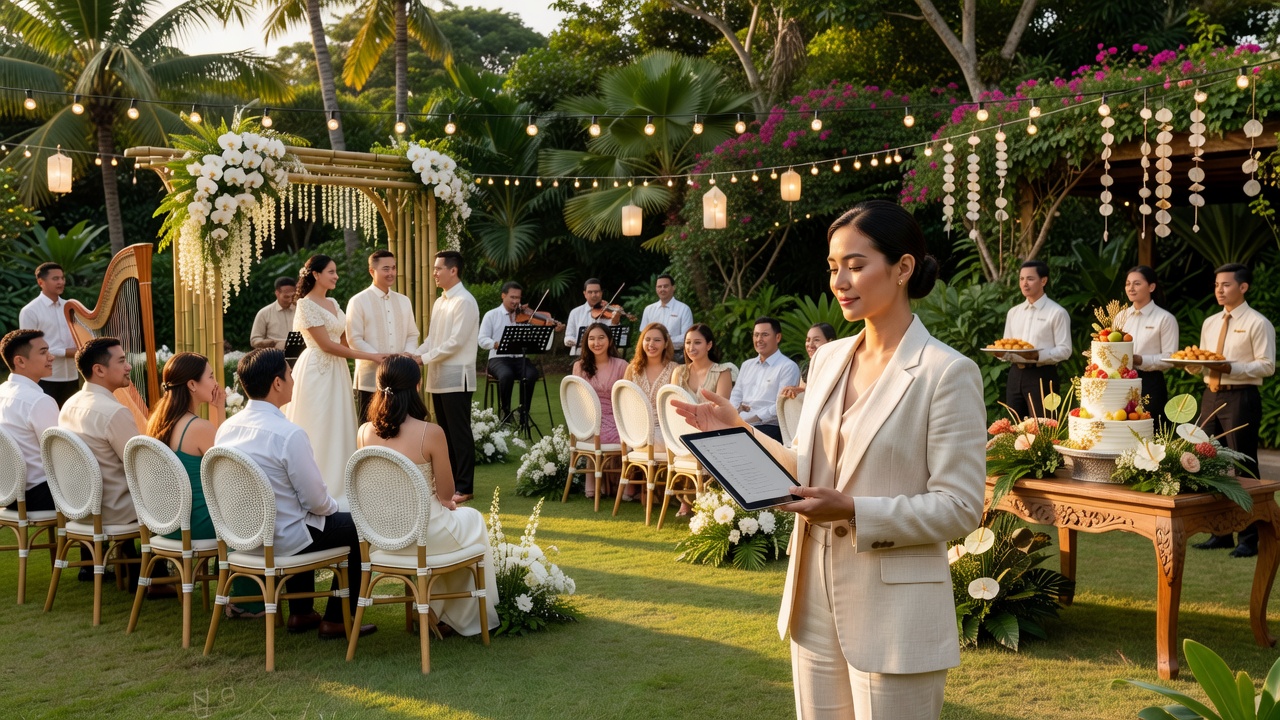
What Does a Wedding Coordinator Actually Do?
A wedding coordinator in the Philippines is your on-the-ground project manager. Unlike a wedding planner (who designs your theme from scratch), a coordinator typically steps in 1-3 months before your wedding to execute what you've already planned.
Core responsibilities include:
- Vendor coordination: Managing communication between your caterer, photographer, videographer, florist, and venue — all vendors who may have conflicting schedules or requirements.
- Timeline management: Creating a detailed run-of-show that accounts for Filipino wedding realities: church ceremonies that run late, traffic between venues, and the tradisyon of long photo sessions with extended family.
- On-the-day execution: Arriving hours before the event to oversee setup, manage the entourage procession, coordinate with the church sakristan, and troubleshoot problems before you even hear about them.
- Budget oversight: Tracking final payments to suppliers and ensuring no hidden fees surprise you after the wedding.
- Guest management: Handling seating arrangements, unexpected plus-ones (common with Filipino binyag and kasal traditions), and ensuring ninong/ninang seats are properly assigned.
Some coordinators also offer full planning services — conceptualizing themes, sourcing suppliers, and negotiating contracts — but this sits at a higher price point.
Wedding Coordinator Cost Breakdown in the Philippines
Pricing varies by city, experience, and scope. Manila rates run higher than provincial areas. Here's what Filipino couples typically pay:
| Service Type | Price Range (PHP) | What's Included |
|---|---|---|
| On-the-Day Coordination (OTD) | ₱8,000 – ₱25,000 | Coordination on wedding day only (8-12 hours), timeline execution, vendor liaison, basic troubleshooting |
| Partial Planning + OTD | ₱25,000 – ₱60,000 | 1-3 months prep, vendor recommendations, contract review, timeline creation, rehearsal coordination, wedding day execution |
| Full Wedding Planning | ₱60,000 – ₱150,000+ | End-to-end planning from engagement, theme conceptualization, all supplier sourcing and negotiation, budget management, full execution |
| Church Ceremony Only | ₱5,000 – ₱15,000 | Coordination for church rites including entourage lineup, kasal procession, and sacrament coordination |
| Reception Only | ₱8,000 – ₱20,000 | Venue setup oversight, program flow, catering coordination, guest management |
Hidden costs to budget for:
- Transportation and meals for the coordination team (especially for destination weddings in Tagaytay, Batangas, or Cebu)
- Assistant coordinators for guest counts over 150 (₱2,000–₱5,000 per extra assistant)
- Rehearsal coordination (often billed separately at ₱3,000–₱8,000)
Always get a detailed contract specifying exactly what's included and what triggers extra charges.
When You Definitely Need a Wedding Coordinator
Some weddings practically require professional coordination. Here's when hiring one isn't optional:
Your guest list exceeds 100 people
Filipino weddings are inherently large. Between immediate family, extended relatives, godparents (ninong and ninang), and family friends, guest lists balloon quickly. A coordinator manages RSVPs, seating charts, and the inevitable day-of adjustments.
Your ceremony and reception are at different venues
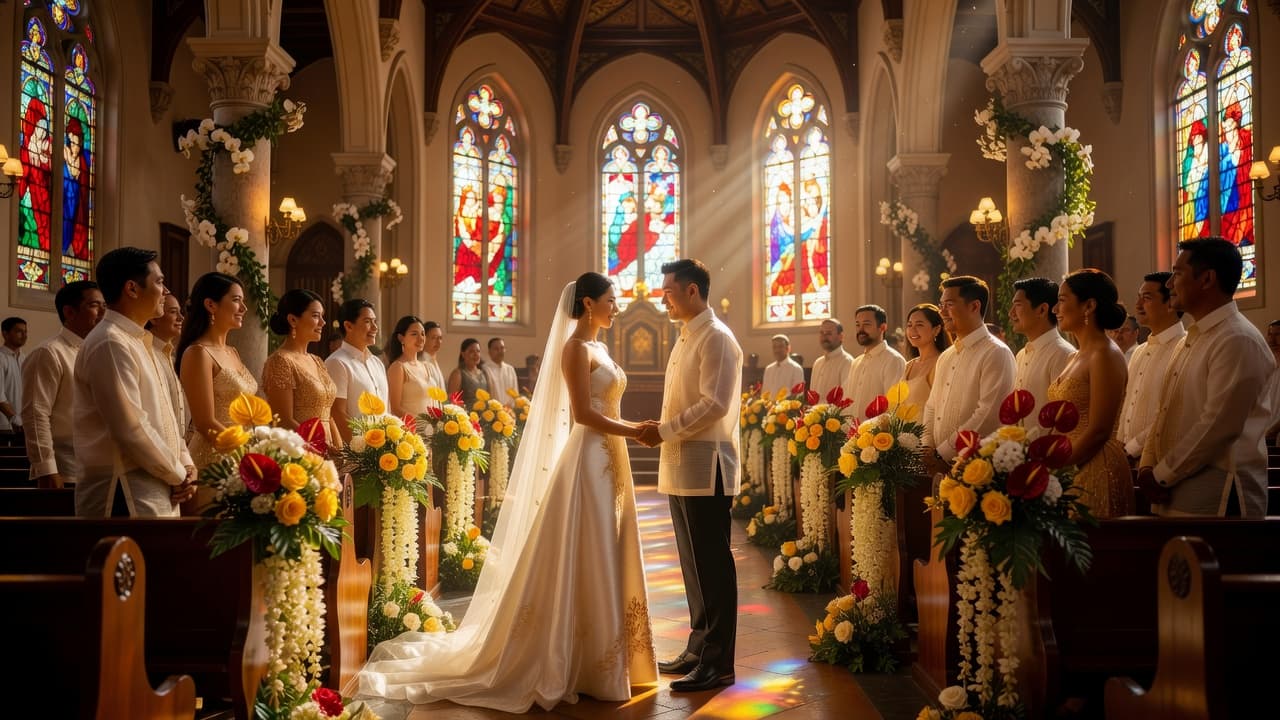
Church weddings followed by hotel or garden receptions are standard in the Philippines. The logistics of transporting guests, managing vendor load-in at two locations, and keeping everything on schedule while accounting for Metro Manila traffic demand professional oversight.
You have 5+ separate suppliers
Photographer, videographer, caterer, florist, lights and sounds, emcee, band or DJ — that's seven vendors already. Each has their own timeline and requirements. A coordinator is the single point of contact who prevents miscommunication.
You're planning from abroad
Many Filipino couples plan their Philippine wedding while working overseas (OFW weddings). You can't personally inspect venues, taste catering, or coordinate with suppliers. A trusted local coordinator becomes your eyes, ears, and voice.
Your venue has strict rules or limited access
Historic churches, exclusive hotels, and garden venues often have rigid setup times, sound restrictions, or supplier accreditation requirements. Coordinators know these rules and how to work within them.
When You Can Skip the Coordinator
Not every wedding needs a hired coordinator. Here's when DIY planning works:
Intimate weddings under 50 guests
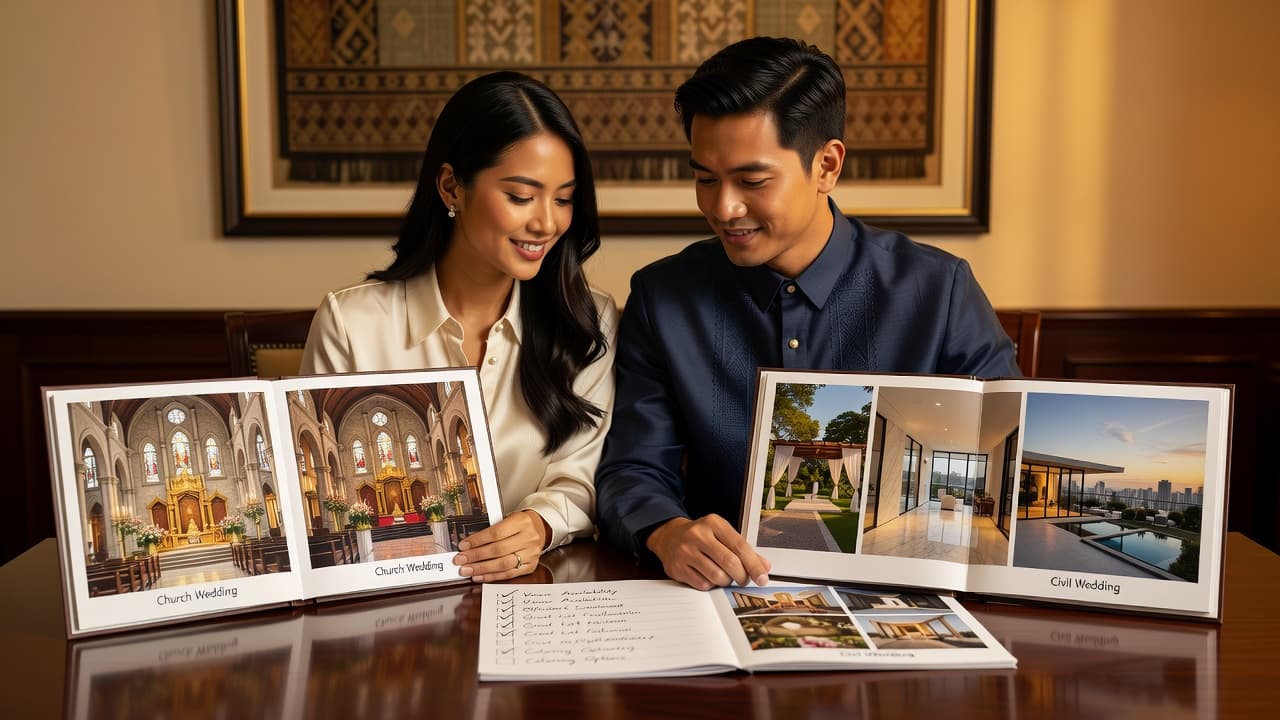
A small ceremony at a restaurant private room or home garden with just family and close friends doesn't need a coordinator. Assign a responsible relative as the day's point person.
All-inclusive venue packages
Many hotels and resorts offer wedding packages that include an in-house coordinator as part of the deal. Clarify what's included — some only provide a banquet captain, not a true wedding coordinator.
Civil ceremonies with simple receptions
A judge or mayor's office ceremony followed by a restaurant lunch is straightforward. No entourage procession, no church protocols, no complex timeline.
You genuinely enjoy planning and have time
If spreadsheets, vendor calls, and timeline building don't stress you out — and you have 10+ hours a week in the months leading up — self-coordination is viable. But be honest with yourself. Wedding week stress is real, and you'll want to enjoy your own wedding.
Your family has a trusted "tita" or organizer
In Filipino culture, there's always a tita (aunt) or family friend who's organized every family wedding for decades. If someone in your circle genuinely wants this role and has the skills, that's your coordinator.
Common Mistakes When Hiring a Coordinator
Even when you decide to hire, avoid these Philippine-specific pitfalls:
- Booking too late: Good coordinators get booked 6-12 months in advance, especially for December peak season. Start interviewing 9-12 months out.
- Not clarifying scope: "Coordination" means different things. Is it on-the-day only? Partial planning? Full planning? Get it in writing.
- Ignoring personality fit: You'll spend months communicating with this person. If they seem dismissive, disorganized, or pushy in initial meetings, trust that instinct.
- Skipping the contract: Verbal agreements fail. Your contract should specify exact services, number of assistants, overtime charges, and cancellation terms.
- Not checking past work: Ask for photos, videos, or contact references from recent weddings. Look for weddings similar in scale and style to yours.
How to Choose the Right Coordinator
When interviewing prospective coordinators, ask:
- "Can you walk me through your exact process from booking to wedding day?"
- "How many weddings do you handle per month?" (Avoid anyone juggling too many — quality drops.)
- "Who will actually be there on my wedding day — you or an assistant?"
- "Can I see your timeline from a recent wedding similar to mine?"
- "How do you handle vendor problems or no-shows on the day?"
Look for coordinators who ask you detailed questions about your vision, budget, and priorities. The best ones are listeners first.
Key Takeaways
- A wedding coordinator in the Philippines is your project manager — handling vendor communication, timelines, and day-of execution.
- On-the-day coordination costs ₱8,000–₱25,000; full planning runs ₱60,000–₱150,000+ depending on scope and location.
- You need a coordinator for weddings over 100 guests, multi-venue setups, 5+ suppliers, or if you're planning from abroad.
- You can skip the coordinator for intimate weddings under 50 guests, all-inclusive venue packages, or if you have a trusted family organizer.
- Always get a detailed contract, check references, and book 6-12 months ahead — especially for December peak season.
- Personality fit matters. You'll work closely with this person for months; choose someone who understands your vision.
Frequently Asked Questions
What's the difference between a wedding coordinator and a wedding planner?
A wedding planner designs your wedding from scratch — theme, suppliers, budget — usually starting 6-12 months out. A coordinator executes your existing plans, typically starting 1-3 months before the wedding. In the Philippines, many professionals offer both services.
How much should I budget for a wedding coordinator in the Philippines?
Budget ₱8,000–₱25,000 for on-the-day coordination, ₱25,000–₱60,000 for partial planning plus day-of execution, and ₱60,000–₱150,000+ for full planning. Provincial rates are generally 20-40% lower than Metro Manila.
When should I book a wedding coordinator?
Book 6-12 months before your wedding date, especially for December weddings when demand peaks. For full planning, start 9-12 months out. On-the-day coordinators can sometimes be booked 2-3 months ahead if they're available.
Can I plan my own wedding without a coordinator?
Yes, for intimate weddings under 50 guests at all-inclusive venues or for civil ceremonies with simple receptions. You'll need strong organizational skills, 10+ hours per week for planning, and a trusted day-of point person.
Do coordinators handle church ceremonies or just receptions?
Most offer both church and reception coordination, but always confirm. Church-only coordination (₱5,000–₱15,000) covers entourage processions, kasal protocols, and sacrament timing. Some coordinators specialize in church weddings and know specific parish rules.
What should be included in a wedding coordinator contract?
Your contract must specify: exact services and scope, number of coordinators/assistants present, hours of coverage, overtime fees, payment schedule, cancellation terms, and what happens if the coordinator can't attend (backup plan).
How do I find reputable wedding coordinators?
Ask recently married friends for referrals, search wedding directories like [Internal link: WedPlanner vendor directory], check Facebook wedding groups for real couple reviews, and interview at least three coordinators before deciding.
Do I still need a coordinator if my venue has an in-house event manager?
An in-house event manager handles venue logistics — setup, catering flow, venue rules. They don't manage your photographer timeline, church procession, entourage makeup schedules, or family dynamics. A dedicated wedding coordinator works for you, not the venue.
What's the average cost of a Filipino wedding in 2026?
Filipino weddings typically cost ₱150,000–₱500,000 for modest celebrations, ₱500,000–₱1,000,000 for mid-range, and ₱1,000,000+ for upscale events in Metro Manila. Provincial weddings are generally 30-50% less expensive.
Should I get a coordinator if I'm having a destination wedding in the Philippines?
Absolutely. Destination weddings in Tagaytay, Batangas, Cebu, or Bohol require even more coordination due to travel logistics, local supplier relationships, and guest accommodation. A local coordinator familiar with the area is essential.
Conclusion
Hiring a wedding coordinator in the Philippines isn't about luxury — it's about protecting your investment and your sanity. With Filipino weddings averaging 100-300 guests, multiple venues, and layers of family expectations, professional coordination often pays for itself in prevented problems.
But it's not mandatory for every couple. Intimate celebrations, all-inclusive packages, or a trusted family organizer can eliminate the need entirely.
The honest answer? If your wedding is complex enough that you're stressed reading this, you probably need a coordinator. If you're confident in your planning skills and your guest list fits in one room, you might be fine on your own.
Either way, start early, get everything in writing, and remember: your wedding day should be about celebrating your marriage, not managing logistics. [Internal link: WedPlanner wedding planning checklist] [External link: Philippine Wedding Summit vendor accreditation guidelines]