Wedding Etiquette Philippines: Guest Dress Code Guide
By WedPlanner Team
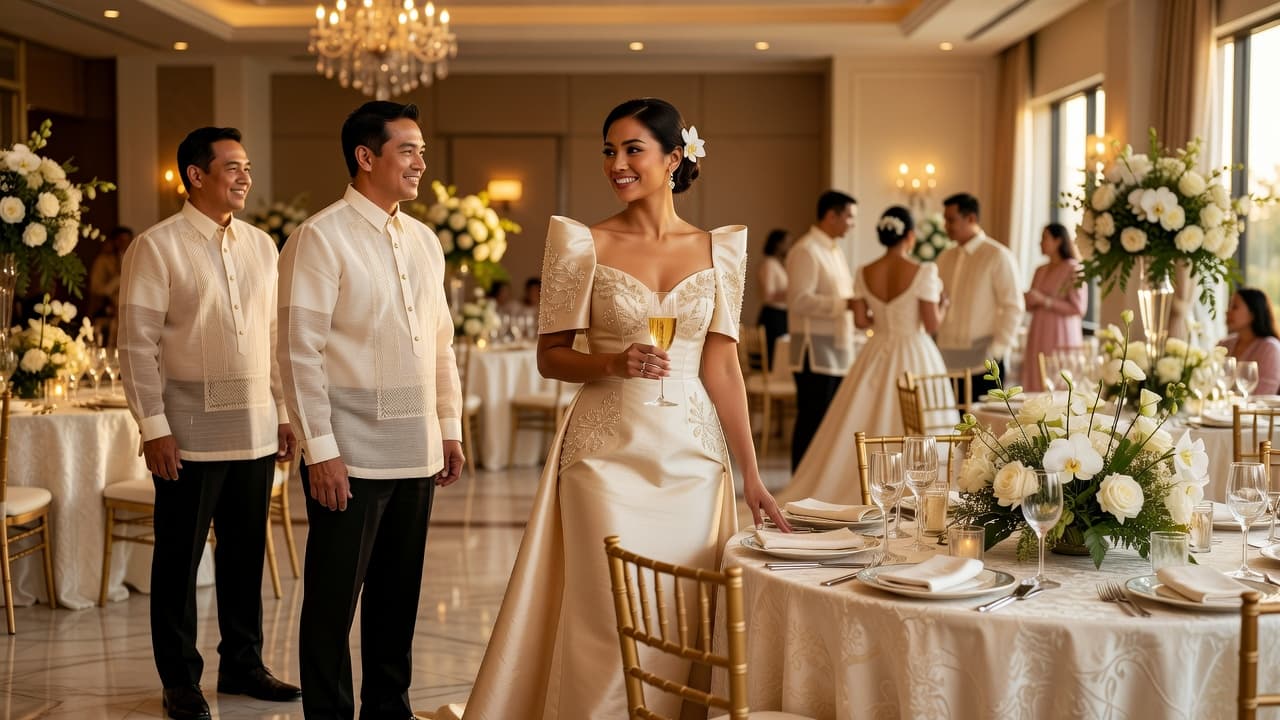
Confused about what to wear to a Filipino wedding? This guest guide decodes common dress codes (Filipiniana, semi-formal), explains when barong is appropriate, and shares color etiquette—so you look respectful, not attention-grabbing.
Wedding Etiquette Philippines: What to Wear to a Filipino Wedding
Quick Answer: To dress appropriately for a Filipino wedding, follow the stated dress code (Filipiniana, semi-formal, formal, etc.), avoid white (and sometimes black), and choose respectful silhouettes and colors. Men should wear a barong when the invitation suggests Filipiniana or formal daytime attire, and ninang should dress modestly in theme-appropriate, non-white tones—never to outshine the bride.
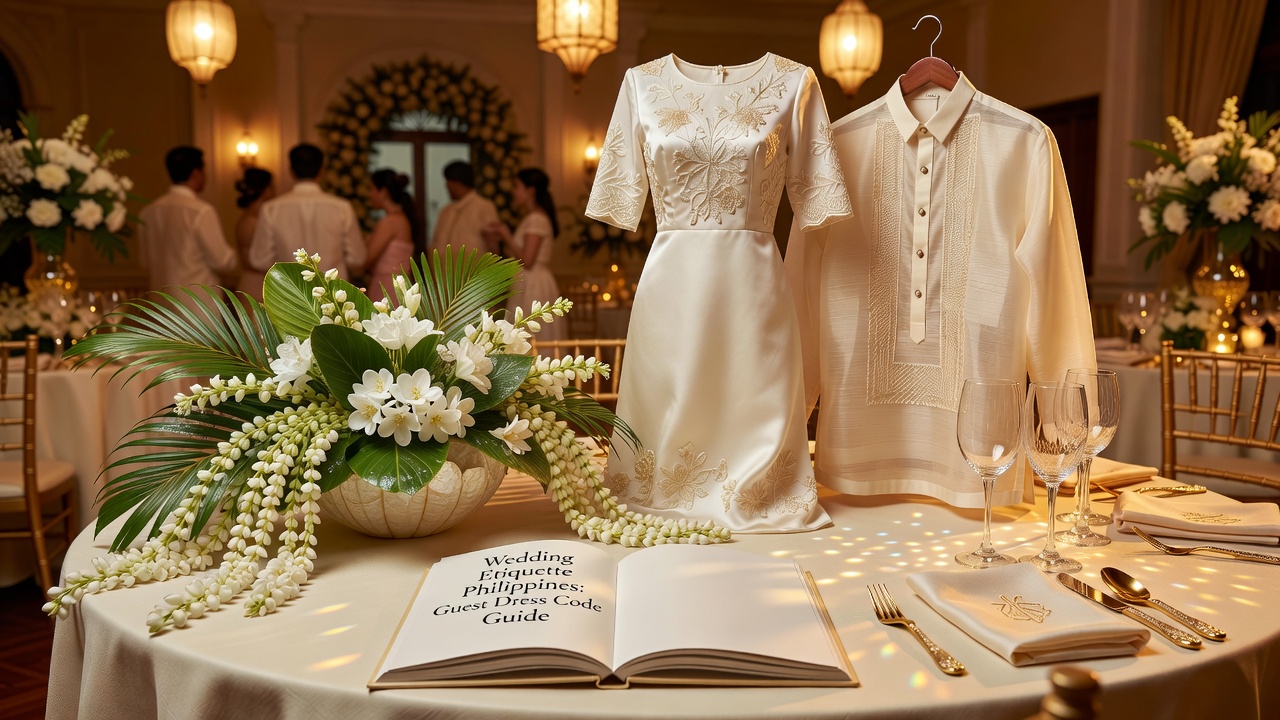
Introduction
Filipino weddings are rich in tradition, family roles, and visible “signaling” through clothing. If you’ve ever wondered whether “Filipiniana” means cosplay, whether “semi-formal” allows a suit, or why some families ban white (and even black), you’re not alone. This guide decodes guest dress code etiquette with practical choices you can make quickly—so you show up polished, respectful, and fully in the cultural “read” of the day.
We’ll cover:
- How Filipino wedding dress codes work in real life (not just on paper)
- When to wear a barong (and how to do it without looking like you’re competing)
- Color etiquette: what to avoid (especially white, and sometimes black)
- What a ninang typically wears, and how to stay bride-friendly
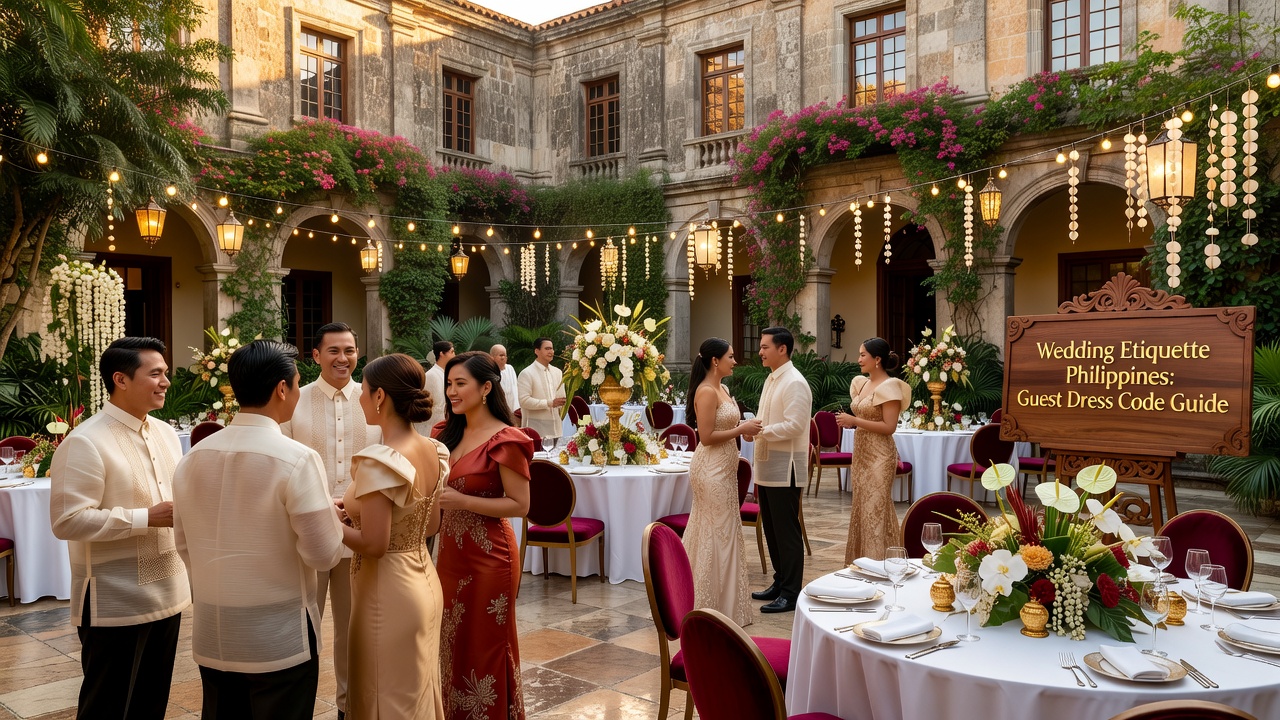
Wedding Etiquette Philippines: What to Wear by Dress Code?
Use the invitation as your first rule, but interpret it through Filipino context: family expectations, photo etiquette, and roles. Here’s a practical decoder—because “Filipiniana” and “semi-formal” can vary by region, venue, and how formal the couple wants the photos to look.
| Invitation Dress Code | What It Usually Means for Guests | Safe Outfit Ideas |
|---|---|---|
| Filipiniana | Wear clothing inspired by traditional Filipiniana styles (often baro’t saya for women; barong or traditional-inspired attire for men). It’s about cultural look, not identical matching. | Women: baro’t saya-inspired dress, embroidered blouse + skirt, or a Filipiniana-style formal gown. Men: barong tagalog (if appropriate), or a tasteful traditional-inspired barong-style shirt. |
| Semi-formal | “Polished and photo-ready,” not everyday office wear. In many Filipino weddings, semi-formal leans toward cocktail/formal-casual—especially if the event is evening or held in a hotel. | Women: cocktail dress, elegant midi dress, formal jumpsuit (not white). Men: suit with a nice shirt/tie optional; or blazer + dress shirt + tailored trousers. |
| Formal / Black Tie (if stated) | High formality with a “serious attire” expectation. This is where barong (for men) may be treated as formal-equivalent if the couple supports it. | Women: floor-length or elegant formal gown; men: tuxedo (or barong if the invitation/couple indicates it as acceptable). |
| Color-themed | Guests should match the palette while still respecting bride color rules (usually avoiding white, ivory, and “near-white” tones). | Use the palette to choose accessories, dresses, and suits—avoid the bride’s specific shade if possible. |
Featured snippet: 5 rules that almost always work
- Rule 1: Follow the invitation wording first; ask the bride or a close family member if it’s ambiguous.
- Rule 2: Avoid white, ivory, and “bride-adjacent” creams (some families also avoid black).
- Rule 3: Choose respectful fabrics and coverage—wedding photos last forever.
- Rule 4: Don’t use the most dramatic outfit to “win” attention; you’re there to support.
- Rule 5: If you’re a sponsor (ninang/ninong), dress for the role: dignified, not competitive.
What does “Filipiniana” mean—really?
40–60 word answer: “Filipiniana” is a dress code that asks guests to wear traditional-inspired Filipino attire. It typically signals cultural respect—often referencing baro’t saya (women) and barong styles (men)—but you don’t need identical patterns or matching sets. Choose tasteful embroidery, formal silhouettes, and non-white colors.
In practice, Filipiniana dress code often means:
- Women may wear baro’t saya-inspired dresses, embroidered formal blouses with skirts, or Filipiniana-style gowns.
- Men may wear a barong (or barong-inspired shirt) if the event leans traditional and the couple expects it.
- Texture matters: embroidery, lace-like textures, and structured tailoring help it read as Filipiniana rather than casual “ethnic.”
Avoid the two extremes:
- Don’t dress like it’s a costume party (avoid overly playful prints, cartoonish accessories, or mismatched “theme” chaos).
- Don’t dress like it’s a casual street outfit with a single traditional element—Filipiniana is usually meant to look formal enough for wedding photos.
When should men wear a barong?
40–60 word answer: Men should wear a barong when the invitation specifies Filipiniana, when the wedding is explicitly traditional/cultural, or when the couple has indicated barong as an acceptable formal equivalent. If the dress code is only “semi-formal,” a barong can still work—just keep it formal, well-fitted, and in a non-white color.
Here’s a practical decision guide:
- Invitation says Filipiniana? A barong is usually the best match for men.
- Invitation says semi-formal? A barong is optional. If you wear one, treat it like a formal outfit: tailored fit, polished shoes, and minimal “extra” accessories.
- Invitation says formal / black tie? A barong may be accepted if it’s culturally appropriate for the couple/family. If unsure, default to the classic formal option unless barong is explicitly welcomed.
- Theme is color-coded? Choose a barong in the approved palette (still avoiding bride-confusable shades).
How to wear a barong without upstaging:
- Pick a non-white shade (cream can be risky—especially if your family is strict about “no near-white”).
- Keep accessories understated (simple watch, minimal pocket details).
- Fit is everything: oversized barongs read sloppy; overly shiny or heavily embellished versions can look more “statement” than bride-friendly.
- Coordinate with the suit choices around you: if most men wear suits, a barong may stand out—decide based on the couple’s vibe and the venue.
Barong color etiquette: what to avoid
Color rules vary by family, but the safest approach is universal:
- Do not wear white (including white, ivory, cream, off-white, and “very close to the bride’s” tones).
- Be cautious with black: some Filipino families avoid black for weddings because it can read as mourning or too severe, especially for attire that dominates the photo.
- Prefer respectful celebratory colors: pastels, jewel tones, earth tones, or any color palette the couple sets.
Why these rules exist: Filipino wedding photos are a “story” of roles. Bride-adjacent colors can accidentally steal visual attention, even when you didn’t intend it.
Wedding color etiquette Philippines: avoid white (and sometimes black)
40–60 word answer: In Filipino wedding etiquette, white and near-white shades are typically reserved for the bride. Some families also discourage black because of cultural associations, particularly when it contrasts strongly with bridal colors. The safest approach: choose theme-approved colors that are clearly not bride-confusable.
Use this quick checklist before you buy or wear anything:
- Avoid: white, ivory, cream, pearl-white, and “bridal lingerie” neutrals that photograph as white.
- Watch: colors that are “almost white,” especially in lace or heavily reflective fabrics.
- Consider asking: If the invitation doesn’t mention color restrictions and your family is strict, ask a trusted family contact whether black is discouraged.
- Respect the couple’s palette: If the wedding is color-themed, match the palette—but not the bride’s specific shade.
What about women wearing “nude” or “champagne”?
Nude and champagne can be tricky because many dresses photograph lighter than you expect. If your “nude” dress looks bridal-white under flash photography, it’s safer to choose a deeper neutral (taupe, mocha) or a clearly colored dress.
What about prints?
Prints can be totally fine if the dominant color isn’t white/ivory. However, if the print includes large white areas (like big floral white patterns), it may still read “bride-like.” Choose prints with darker bases or smaller light motifs.
What should a ninang wear?
40–60 word answer: A ninang (female sponsor) should dress with dignity, modest formality, and theme harmony—while avoiding bride-confusable colors like white and often avoiding overly dramatic statement looks. Typical choices include elegant gowns, formal Filipiniana-inspired ensembles, or tasteful cocktail dresses in non-white shades that complement the overall wedding palette.
While specific traditions differ by family, ninang etiquette usually emphasizes:
- Support the bride visually—your outfit should frame the moment, not compete with it.
- Read as formal—since ninang is a key figure in photos, your clothing should be wedding-appropriate in fabric and silhouette.
- Choose non-white (and non-bridal) colors—especially in roles that appear near the couple.
Common ninang outfit options:
- Filipiniana-inspired (if invited): embroidered blouse with a formal skirt, baro’t saya-inspired gown, or a tasteful modern Filipiniana dress.
- Elegant gown (if dress code is semi-formal to formal): midi to floor length, well-tailored, with appropriate coverage.
- Cocktail dress (for semi-formal settings): choose a silhouette that looks polished, not casual.
Small details that make you “look right”:
- Coordinate bag/shoes with your dress (not too bright or reflective if the wedding uses strong flash photography).
- Keep hair and accessories elegant but not oversized.
- If you wear a headpiece, ensure it won’t block other people during ceremony photos.
When in doubt: If you’re uncertain about how strict the family is with black or white, ask the bride’s close relative or the couple directly. That one question prevents an avoidable awkwardness.
Dress code mistakes Filipino wedding guests make (and how to fix them)
40–60 word answer: The most common mistakes are wearing bride-confusable colors (white/ivory), choosing outfits that are too revealing or too casual for photos, and interpreting “semi-formal” as “whatever.” Fix it by using the invitation wording, selecting theme-appropriate non-white colors, and upgrading fit, fabric, and formality.
- Assuming semi-formal = casual
Fix: treat semi-formal as cocktail/formal-casual—tailored, clean, and photo-ready. - Wearing a white-based outfit “just because it’s pretty”
Fix: pick a different color; neutrals are safer when deeper (taupe, mocha) rather than bridal-light. - Wearing black when the family discourages it
Fix: ask if you’re unsure, or choose a dark color that isn’t stark black (navy, deep teal, espresso). - Choosing an overly sparkly look
Fix: shimmer is fine; avoid “over-dressed for the bride” sparkle levels, especially for the main ceremony photos. - Thinking Filipiniana requires exact matching
Fix: Filipiniana is about cultural inspiration. Keep it formal, tasteful, and coordinated—not identical.
Examples: what to wear (easy shopping templates)
Use these templates to move from “vibe” to outfit decision quickly.
If the invitation says “Filipiniana”
- Women: embroidered Filipiniana-inspired gown in non-white color (or a baro’t saya-inspired dress) + classic heels or formal sandals.
- Men: barong tagalog in a theme-appropriate non-white shade + tailored trousers + polished shoes.
- Don’t: choose a barong with a white base or a heavily bride-adjacent palette.
If the invitation says “Semi-formal”
- Women: elegant midi dress in jewel tone or pastel; or a formal jumpsuit with a refined neckline.
- Men: suit or blazer + dress shirt; optional tie depending on venue formality.
- Don’t: wear plain t-shirts, wrinkled shirts, or anything that looks “street casual” in wedding photos.
If the wedding is color-themed
- Pick a palette match for your dress/suit.
- Confirm the bride’s dominant color (or at least avoid the same shade family).
- If you’re ninang, choose dignified fabrics that complement the theme without stealing focus.
Cost and practicality: what to prioritize
If you’re planning financially (and most guests are), prioritize:
- Fit and comfort: better fit looks more “expensive” and photographs better than a pricier but ill-fitting outfit.
- Fabric formality: breathable, structured materials that stay presentable through ceremonies and photos.
- Versatility: if you can’t buy a new full outfit, consider renting formalwear or buying a standout piece (like a formal Filipiniana blouse) you can wear again.
Professional help (only when it truly helps): If you’re a key sponsor or the dress code is unclear and you have one big event photo timeline, having a tailor check fit can prevent last-minute wardrobe stress.
Alternatives when you’re unsure
If the invitation is vague, use this safe fallback approach:
- Ask the host family or a close relative: “What colors should guests avoid?” and “Is black okay for this family?”
- Choose the middle option: semi-formal but elegant, not casual; Filipiniana-inspired but not overly costume-like.
- Use a “non-bride palette” rule: avoid white/near-white and keep the overall look in theme-appropriate colors.
This is respectful, efficient, and avoids guessing wrong—especially when traditions differ by region or family preferences.
Key Takeaways
- Read the invitation first, then interpret it through Filipino wedding norms for guests.
- Follow strict color etiquette: avoid white; some families also discourage black.
- Filipiniana is traditional-inspired formality—not costume matching.
- Men wearing barong is usually best for Filipiniana and culturally traditional weddings; keep it non-white and well-fitted.
- Ninang outfits should be dignified, modestly statement, and never bride-confusable—support the bride, don’t compete.
Frequently Asked Questions
Can I wear white to a Filipino wedding if the couple didn’t explicitly say not to?
It’s not recommended. Even if the invitation doesn’t mention “no white,” Filipino wedding etiquette typically reserves white and near-white shades for the bride. White fabrics, lace, and cream tones can read bridal in photos—so choose a different color to be safe.
Does “semi-formal” allow a barong for men?
Yes, it can. If the couple is open to it and you keep the barong formal-looking (good fit, polished styling, non-white color), it works well. If most guests will wear suits and the wedding doesn’t feel traditionally Filipiniana-forward, consider a classic suit instead.
What should I wear if the wedding is “Filipiniana” but I’m not Filipino?
You can still participate respectfully. Look for Filipino-inspired formality—embroidered or traditional-inspired silhouettes—while keeping it tasteful and non-white. If you’re unsure, ask the couple or coordinator whether they prefer full Filipiniana or “inspired-by” styling for guests.
Is black always forbidden in Filipino wedding etiquette?
Not always, but some families discourage black due to cultural associations with mourning. If you know the couple’s family is strict, avoid black. A safer route is navy, deep teal, espresso, or other dark-but-not-stark shades if you want a formal “dark” look.
What colors should a ninang avoid?
Avoid white, ivory, and near-white tones. If the family is cautious about black, avoid that too. The goal is visual harmony: your outfit should look dignified and wedding-appropriate, not like it’s competing with the bride in the ceremony and main photos.
Are light pastel colors safe for guests?
Usually, yes—pastels are popular in Filipino weddings. The key is whether your pastel reads as bridal-white in flash photography. If the pastel is close to white (like very pale cream), switch to a clearer color (like blush pink, light blue, or soft lilac) that doesn’t look bridal.
Can I wear a jumpsuit to a semi-formal Filipino wedding?
Often, yes—if it’s clearly formal. Choose a refined silhouette, structured fabric, and an appropriate neckline and length. Skip anything that looks like everyday fashion. Also keep the color non-white and consider whether the wedding photos will highlight your outfit strongly.
Should I match the wedding theme exactly?
Matching the theme is encouraged when the invitation is color-coded. However, you should still avoid bride-confusable colors and avoid outfits that look like “extra main character” energy. Think: coordinated, supportive guest—not competing.
Conclusion
Choosing what to wear to a Filipino wedding is easier when you follow the invitation language, respect wedding etiquette Philippines color norms, and aim for formal, bride-supporting styling. If you’re a guest, prioritize fit, non-white colors, and dress code alignment. If you’re ninang, choose dignified elegance that complements the bride’s moment.
CTA: If you have the dress code wording from the invite, paste it here (and tell me your gender + whether you’re a guest or sponsor), and I’ll suggest 2–3 outfit options that follow Filipino wedding etiquette Philippines—without upstaging the bride.