Church Wedding Philippines Cost: 2026 PHP Breakdown Guide
By WedPlanner Team
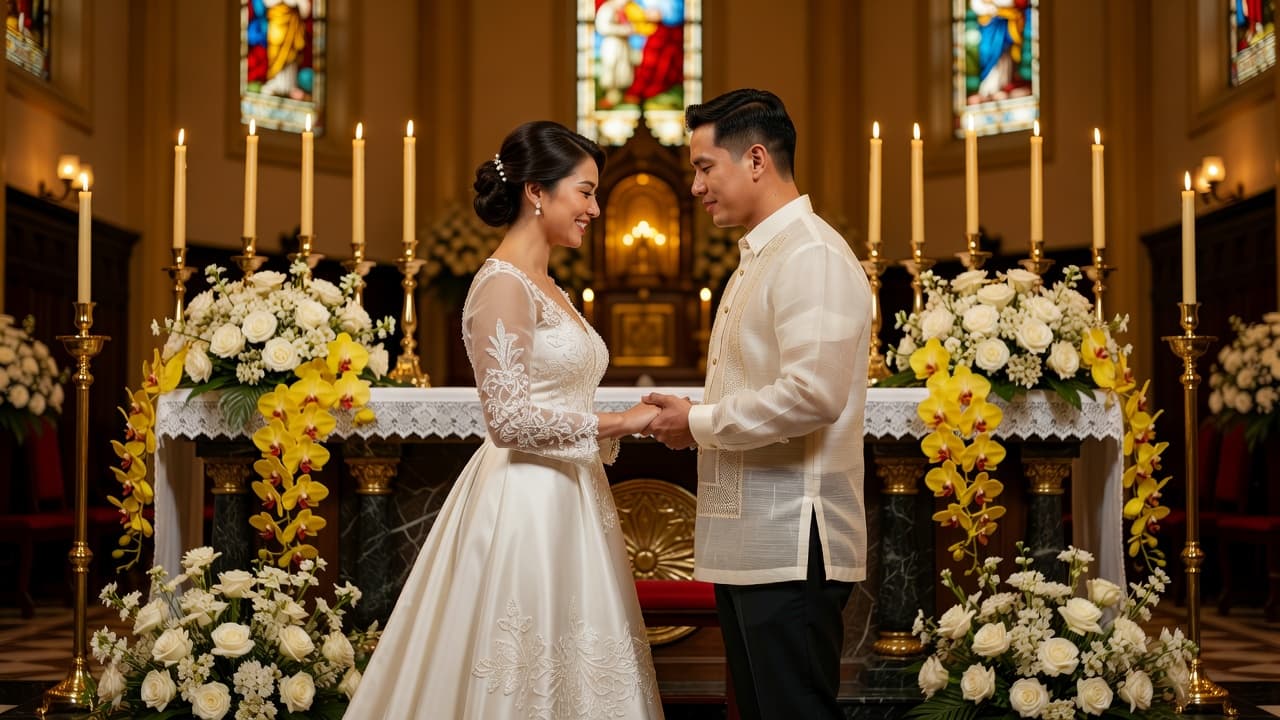
Get the complete 2026 PHP cost breakdown for Catholic church weddings in Metro Manila, Cebu, and Davao. From church fees to hidden costs, this guide helps Filipino couples budget smartly.
How Much Does a Church Wedding in the Philippines Really Cost? (2026 PHP Breakdown)
Quick Answer: A Catholic church wedding in the Philippines typically costs between ₱25,000 and ₱120,000 for the ceremony alone, depending on the city, church prestige, and package inclusions. Metro Manila averages ₱50,000–₱120,000, Cebu ranges ₱30,000–₱80,000, and Davao falls between ₱25,000–₱60,000. The final figure depends on church fees, air-conditioning, flowers, choir, coordinator services, and often-overlooked hidden costs.
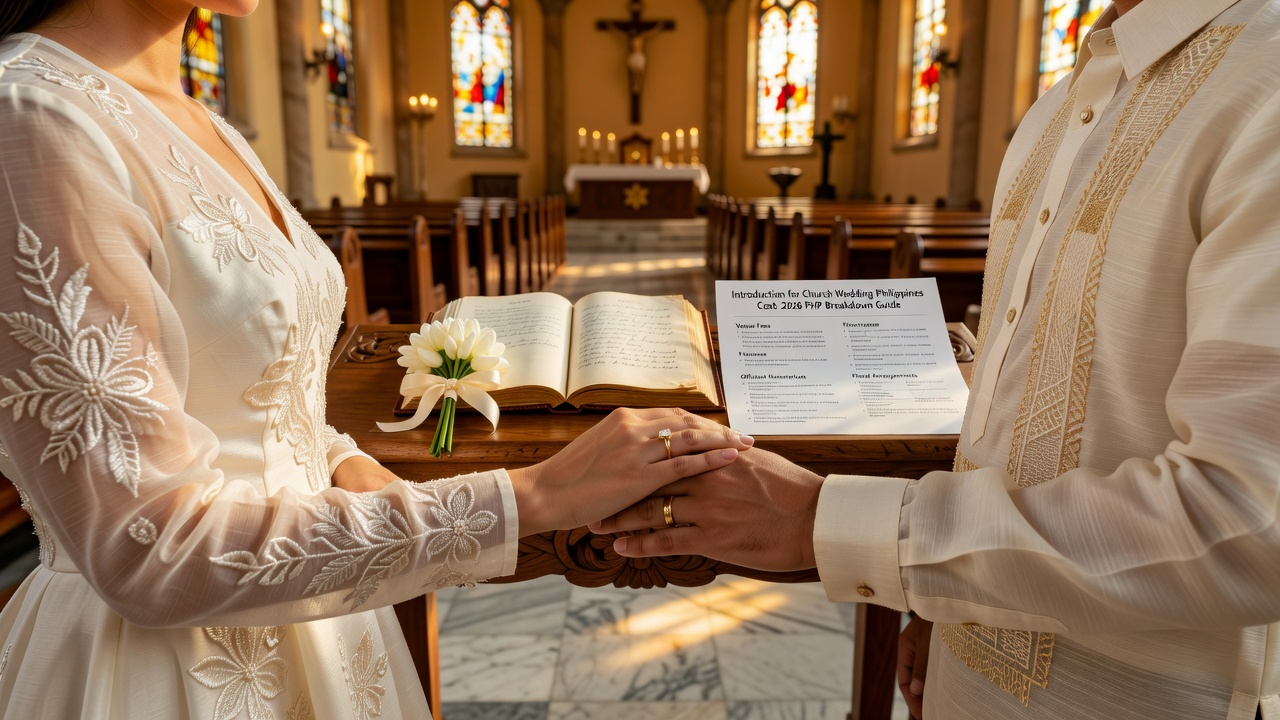
Introduction
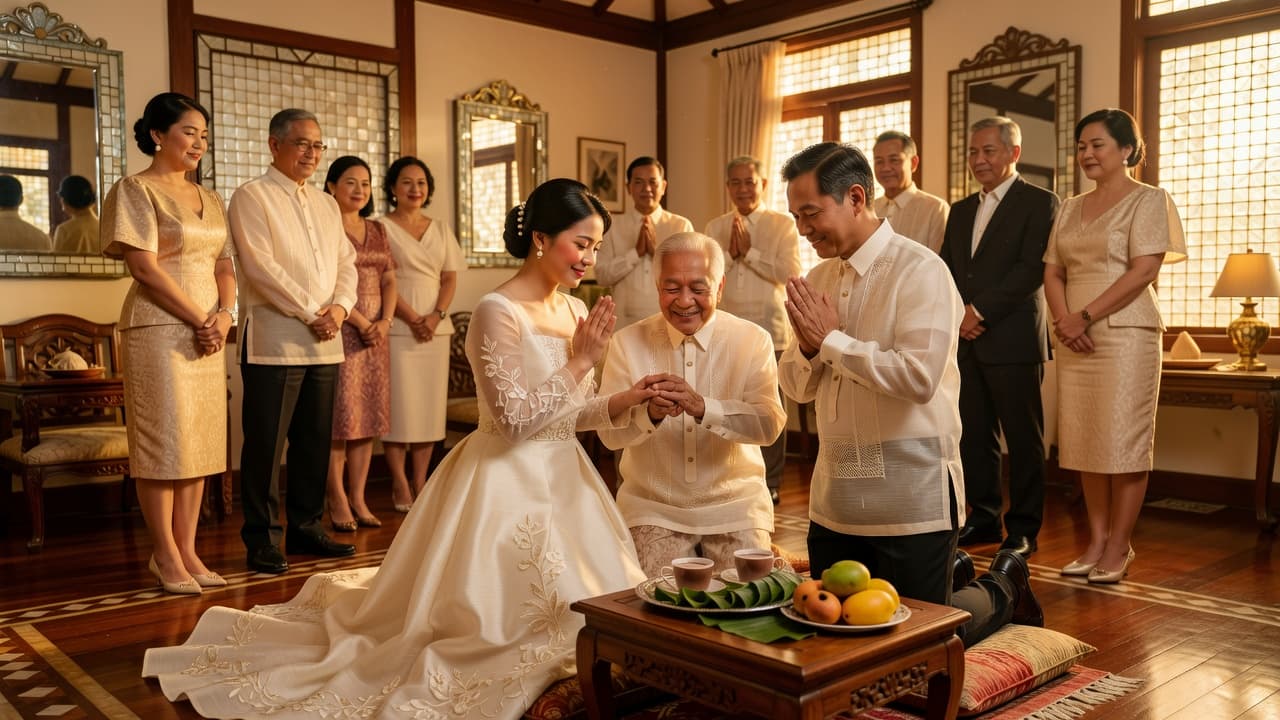
For many Filipino couples, a church wedding isn't just a ceremony — it's a deeply rooted cultural milestone. The union isn't complete without the sacrament of matrimony in a Catholic church, surrounded by ninongs and ninangs who serve as witnesses and spiritual guides. But here's the reality: most couples underestimate what a church wedding in the Philippines actually costs.
Sure, you've probably heard that church fees are "just a donation." And yes, some parishes still operate on a love-offering basis. But in practice? The numbers add up fast — especially in Metro Manila, where air-conditioned churches and prime Saturday slots command premium rates. Whether you're marrying in Cebu, Davao, or Quezon City, understanding the line-by-line costs helps you budget wisely and avoid the awkward "kulang pala" moment two weeks before the big day.
This guide breaks down 2026 PHP pricing across three major cities, covering every category from church fees to the costs couples routinely forget. Let's get into it.
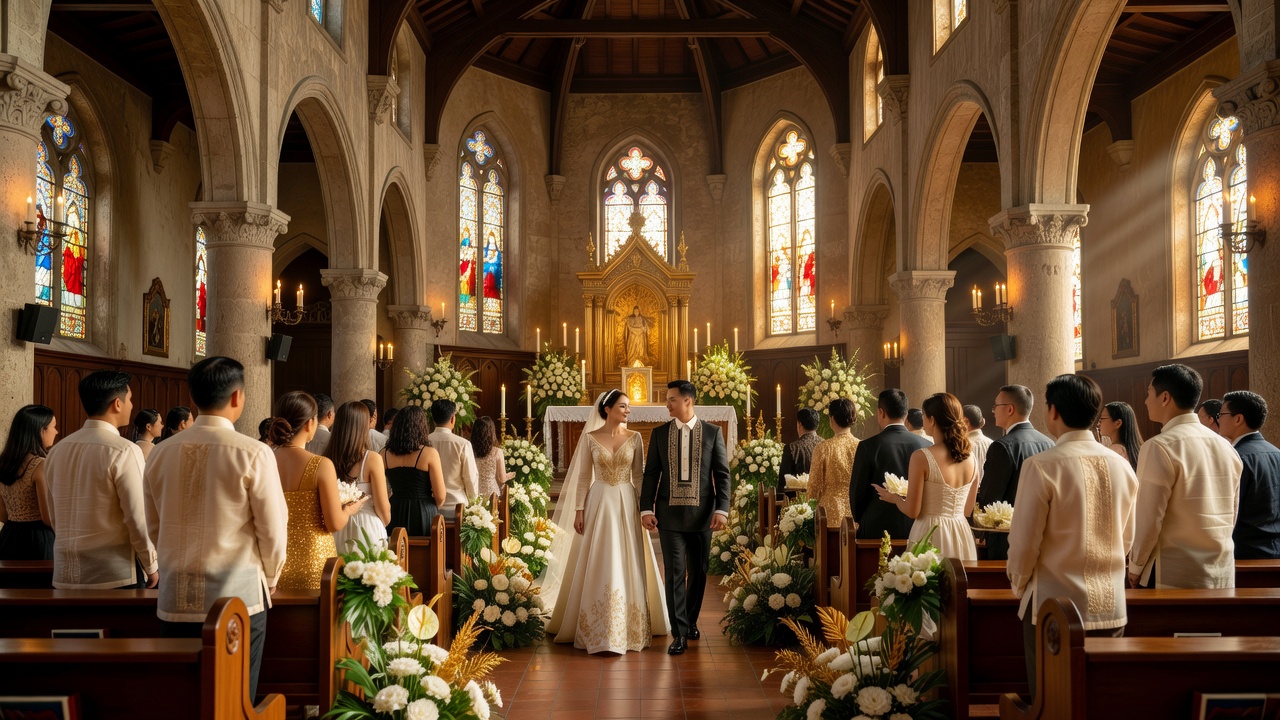
Church Wedding Philippines: Cost Categories Explained
Before diving into city-specific numbers, let's clarify what each cost category actually includes. Filipino couples often assume "church fee" covers everything. It doesn't. Here's what you're really paying for:
Church Fees (Use of Church / Sacramental Fee)
This is the base fee for holding your wedding ceremony in a Catholic parish. It covers the use of the church, the officiating priest, and the sacramental rites. In Manila's more prestigious churches — think Quiapo Church, San Agustin, or the Manila Cathedral — expect higher rates due to demand and heritage status. Provincial parishes typically charge less.
Aircon and Hospitality Fees
Not all churches include air-conditioning in the base fee. Older churches may charge separately for aircon use, especially for afternoon or evening weddings. Some also add hospitality fees for ushers, sacristans, and church personnel who assist during the ceremony.
Flowers and Decoration
Altar arrangements, pew decorations, floral arches, and aisle runners fall under this category. Some churches have in-house florists; others require you to bring your own. Be warned: some parishes restrict external decorators and mandate in-house services at fixed rates.
Choir and Musicians
The church choir — often composed of volunteer parish singers — may ask for an honorarium. Some parishes have a fixed rate for the choir and organist. Others allow you to bring your own musicians, though this may incur additional permit fees.
Wedding Coordinator
While some churches include a basic coordinator, many couples hire an independent wedding coordinator to manage the ceremony flow, choir cues, processional timing, and communion logistics. This is separate from your reception coordinator.
Hidden Costs Couples Forget
These are the budget killers. Baptismal certificate fees, wedding permits (especially for non-parishioners), liturgical fees, stipends for extra priests, and token gifts for ninongs and ninangs. We'll cover these in detail below.
2026 Church Wedding Cost Breakdown by City
Here are the estimated 2026 PHP costs for a Catholic church wedding in Metro Manila, Cebu, and Davao. These figures assume a standard Saturday afternoon wedding for non-parishioners with approximately 100 guests.
Metro Manila Church Wedding Costs (2026)
| Cost Category | Price Range (PHP) | Notes |
|---|---|---|
| Church Fee (Sacramental) | ₱15,000 – ₱35,000 | Heritage churches like Manila Cathedral at the higher end; parish churches lower |
| Aircon / Hospitality Fee | ₱3,000 – ₱8,000 | Often bundled in newer churches; separate in older parishes |
| Flowers & Decoration | ₱10,000 – ₱25,000 | Altar, pew, and aisle decor; in-house florist often required |
| Choir & Musicians | ₱5,000 – ₱12,000 | Honorarium for choir, organist, and soloists |
| Wedding Coordinator | ₱8,000 – ₱20,000 | Ceremony-only coordinator; reception coord is separate |
| Subtotal (Visible Costs) | ₱41,000 – ₱100,000 | |
| Baptismal / Confirmation Certs | ₱500 – ₱1,500 | Required pre-wedding documents |
| Wedding Permit (Non-Parishioner) | ₱2,000 – ₱5,000 | Especially steep in exclusive parishes |
| Liturgical Fees / Stole Fees | ₱1,000 – ₱3,000 | For priest's vestments and liturgical supplies |
| Extra Priest Stipend | ₱1,000 – ₱2,500 | If you want a second officiant (e.g., family priest) |
| Ninong/Ninang Token Gifts | ₱2,000 – ₱5,000 | Small tokens or souvenirs for sponsors |
| Hidden Costs Subtotal | ₱6,500 – ₱17,000 | |
| Total Estimated Cost | ₱47,500 – ₱117,000 |
Cebu Church Wedding Costs (2026)
Cebu, the heart of Catholic devotion in the Visayas, offers a wide range of options from centuries-old basilicas to modern parish churches. Costs here are moderate — lower than Manila but higher than Davao.
| Cost Category | Price Range (PHP) | Notes |
|---|---|---|
| Church Fee (Sacramental) | ₱10,000 – ₱25,000 | Basilica Minore del Santo Niño and Cebu Cathedral command premium rates |
| Aircon / Hospitality Fee | ₱2,000 – ₱5,000 | Common in newer chapels; rare in heritage churches |
| Flowers & Decoration | ₱8,000 – ₱18,000 | Cebu florists are competitive; more flexibility with external vendors |
| Choir & Musicians | ₱4,000 – ₱8,000 | Choir honorariums slightly lower than Manila |
| Wedding Coordinator | ₱5,000 – ₱12,000 | Ceremony coordination rates are reasonable |
| Subtotal (Visible Costs) | ₱29,000 – ₱68,000 | |
| Baptismal / Confirmation Certs | ₱300 – ₱1,000 | Lower document fees than Metro Manila |
| Wedding Permit (Non-Parishioner) | ₱1,500 – ₱3,500 | Required for couples not registered in the parish |
| Liturgical Fees / Stole Fees | ₱800 – ₱2,000 | Standard across Visayas parishes |
| Extra Priest Stipend | ₱800 – ₱2,000 | Optional but culturally expected in some families |
| Ninong/Ninang Token Gifts | ₱1,500 – ₱4,000 | Tokens for principal sponsors |
| Hidden Costs Subtotal | ₱4,400 – ₱12,500 | |
| Total Estimated Cost | ₱33,400 – ₱80,500 |
Davao Church Wedding Costs (2026)
Davao City and surrounding Mindanao parishes offer the most budget-friendly church wedding options. The Catholic community is strong, and churches here tend to be more flexible with fees — though popular parishes still fill up fast for December weddings.
| Cost Category | Price Range (PHP) | Notes |
|---|---|---|
| Church Fee (Sacramental) | ₱8,000 – ₱18,000 | San Pedro Cathedral and smaller parishes at lower end |
| Aircon / Hospitality Fee | ₱1,500 – ₱4,000 | Less common; most churches include basic amenities |
| Flowers & Decoration | ₱6,000 – ₱15,000 | Local florists offer excellent value |
| Choir & Musicians | ₱3,000 – ₱6,000 | Choir honorariums are modest |
| Wedding Coordinator | ₱4,000 – ₱10,000 | Less formal coordination; sometimes bundled with church package |
| Subtotal (Visible Costs) | ₱22,500 – ₱53,000 | |
| Baptismal / Confirmation Certs | ₱200 – ₱800 | Lowest document fees among the three cities |
| Wedding Permit (Non-Parishioner) | ₱1,000 – ₱2,500 | More lenient policies in Mindanao parishes |
| Liturgical Fees / Stole Fees | ₱500 – ₱1,500 | Standard range |
| Extra Priest Stipend | ₱500 – ₱1,500 | Optional |
| Ninong/Ninang Token Gifts | ₱1,000 – ₱3,000 | Simpler tokens common in Davao |
| Hidden Costs Subtotal | ₱3,200 – ₱9,300 | |
| Total Estimated Cost | ₱25,700 – ₱62,300 |
How Filipino Wedding Traditions Affect Actual Costs
The cost of a church wedding in the Philippines isn't just about location — it's deeply shaped by cultural traditions that influence where you marry, who attends, and how long the ceremony runs.
Ninongs and Ninangs: More Than Just Sponsors
In Filipino Catholic weddings, principal sponsors (ninongs and ninangs) aren't ceremonial extras. They're legally required witnesses who sign the marriage contract and, traditionally, guide the couple spiritually. The more sponsors you have, the larger your token gift budget grows. A standard wedding has two pairs (primary sponsors), but many Filipino families extend this to four, six, or even eight pairs. At ₱500–₱1,000 per token set, that adds up quickly.
Church Selection Norms
Filipino families often choose churches based on personal or familial connections. Marrying in your family's home parish may waive non-parishioner fees. But if your parents insist on a "prestige" church — the one where your grandparents married — you may pay a 30–50% premium for a heritage venue. It's worth asking: does the church's aesthetic value justify the extra ₱15,000–₱20,000?
Ceremony Length and Liturgical Complexity
A standard Catholic wedding Mass runs 45–60 minutes. But if your family opts for a full nuptial Mass with communion for 100+ guests, additional readings, and a homily by a visiting priest, you're looking at 75–90 minutes. Longer ceremonies can increase choir and coordinator fees, especially if musicians charge per hour.
Saturday Premium Slots
Saturday afternoons (2:00 PM – 5:00 PM) are the most coveted slots in every city. Some churches charge 20–30% more for Saturday weddings versus weekday or Friday ceremonies. If your budget is tight, consider a Friday evening or Sunday morning slot — rates are often negotiable.
Hidden Costs Couples Always Forget
Here's where budgets unravel. These expenses aren't advertised on church websites, and parish offices sometimes mention them only during the final pre-wedding meeting.
- Baptismal and Confirmation Certificates: Required for both bride and groom. If you were baptized in a different parish, you'll need to request new copies — sometimes with express processing fees.
- Wedding Permit for Non-Parishioners: If you're not a registered parishioner, most churches charge extra. This can be ₱2,000–₱5,000 in Manila parishes.
- Liturgical Fees and Stole Fees: Some parishes itemize these separately from the church fee. Stole fees cover the priest's vestments and liturgical materials.
- Extra Priest Stipend: If your family priest co-officiates or gives a special blessing, a separate stipend is customary.
- Marriage License and Civil Requirements: While technically a civil cost, couples often forget to budget ₱500–₱1,500 for the marriage license, CENOMAR, and seminar certificates.
- Church Bells and Special Music: Want the church bells rung during your exit? Some parishes charge a bell-ringing fee. Special soloists or instrumentalists may also cost extra.
- Photography and Videography Permits: Many churches now require permits for professional photographers — ₱500–₱2,000 depending on equipment and crew size.
- Rehearsal Fees: Some parishes charge for the wedding rehearsal, especially if it requires opening the church outside normal hours.
- Guest Token Gifts (for Ninongs/Ninangs): These aren't mandatory but are deeply expected in Filipino culture. Budget ₱500–₱1,000 per pair.
City Comparison Summary Table
For quick reference, here's how the three cities stack up across all cost categories:
| Cost Category | Metro Manila | Cebu | Davao |
|---|---|---|---|
| Church Fee | ₱15,000 – ₱35,000 | ₱10,000 – ₱25,000 | ₱8,000 – ₱18,000 |
| Aircon / Hospitality | ₱3,000 – ₱8,000 | ₱2,000 – ₱5,000 | ₱1,500 – ₱4,000 |
| Flowers & Decoration | ₱10,000 – ₱25,000 | ₱8,000 – ₱18,000 | ₱6,000 – ₱15,000 |
| Choir & Musicians | ₱5,000 – ₱12,000 | ₱4,000 – ₱8,000 | ₱3,000 – ₱6,000 |
| Wedding Coordinator | ₱8,000 – ₱20,000 | ₱5,000 – ₱12,000 | ₱4,000 – ₱10,000 |
| Hidden Costs | ₱6,500 – ₱17,000 | ₱4,400 – ₱12,500 | ₱3,200 – ₱9,300 |
| Total Estimated | ₱47,500 – ₱117,000 | ₱33,400 – ₱80,500 | ₱25,700 – ₱62,300 |
Key Takeaways
- A church wedding in the Philippines costs between ₱25,000 and ₱120,000 for the ceremony alone, with Metro Manila being the most expensive and Davao the most budget-friendly.
- Hidden costs — baptismal certificates, wedding permits, liturgical fees, and token gifts for ninongs and ninangs — can add ₱3,000–₱17,000 to your bill.
- Saturday afternoon slots command a 20–30% premium across all cities. Consider Friday or Sunday for savings.
- Your number of principal sponsors directly impacts your token gift budget. More ninongs and ninangs means higher costs.
- Non-parishioner fees are a major hidden cost in exclusive Manila parishes. If possible, marry in your home parish or negotiate a waiver.
- Always request a complete itemized breakdown from your parish office before signing any agreement.
- Professional photography and videography permits are increasingly common fees — ask about them upfront.
Frequently Asked Questions
How much does a church wedding cost in the Philippines in 2026?
A Catholic church wedding in the Philippines costs between ₱25,000 and ₱120,000 in 2026, depending on the city and church. Metro Manila averages ₱47,500–₱117,000, Cebu ranges ₱33,400–₱80,500, and Davao falls between ₱25,700–₱62,300.
What is included in a typical church wedding package in the Philippines?
Most packages include the church fee (use of church and priest), basic flowers for the altar, and a choir honorarium. Air-conditioning, hospitality fees, wedding coordinators, and photography permits are often charged separately — always confirm what's included.
Are church weddings in the Philippines cheaper on weekdays?
Yes. Many parishes offer discounted rates for weekday or Friday evening weddings compared to premium Saturday afternoon slots. Savings can range from 20–30% depending on the church.
Do I need to be a parishioner to get married in a Catholic church in the Philippines?
No, but non-parishioners typically pay higher fees — often ₱2,000–₱5,000 extra for a wedding permit. Some parishes also require a letter of permission from your home parish priest.
How many ninongs and ninangs should I have for a Filipino church wedding?
The Catholic Church requires at least one pair (two principal sponsors), but Filipino tradition often calls for two to four pairs. Budget ₱500–₱1,000 per pair for token gifts, and remember that more sponsors mean a larger token budget.
What documents do I need for a Catholic church wedding in the Philippines?
Required documents include baptismal and confirmation certificates, a marriage license from civil registry, CENOMAR (Certificate of No Marriage), pre-cana seminar certificate, and a wedding permit if you're not a parishioner. Fees for these can total ₱1,000–₱3,000.
Can I bring my own florist and coordinator to the church?
Policies vary by parish. Some churches require you to use their in-house florist and coordinator; others allow external vendors with a permit fee. Always confirm before booking your suppliers.
What are the most commonly forgotten costs in a Filipino church wedding?
The most overlooked expenses are baptismal certificate fees, non-parishioner wedding permits, liturgical/stole fees, extra priest stipends, photography permits, bell-ringing fees, and token gifts for ninongs and ninangs.
Is a church wedding in the Philippines more expensive than a civil wedding?
Yes. A civil wedding costs ₱5,000–₱15,000 total, while a church wedding averages ₱25,000–₱120,000 for the ceremony alone. However, many Filipino couples prioritize the sacramental aspect and cultural significance of a church wedding.
When should I book a church for my wedding in the Philippines?
Book 6–12 months in advance, especially for popular churches and Saturday slots. December weddings require booking even earlier — often 12–18 months ahead — due to high demand.
Conclusion
A church wedding in the Philippines is more than a line item on your wedding budget — it's a sacrament steeped in tradition, family expectations, and cultural significance. But tradition shouldn't mean financial surprise. By understanding the line-by-line costs across Metro Manila, Cebu, and Davao, you can budget confidently and focus on what matters: starting your marriage with clarity and peace of mind.
Remember to request an itemized fee breakdown from your parish, ask about hidden costs upfront, and consider off-peak days if your budget is tight. The difference between a stressful wedding prep and a smooth one often comes down to asking the right questions — early.
Planning your dream wedding? [Internal link: related article on complete Filipino wedding budget planning] for a full reception and ceremony cost guide, or [Internal link: related article on choosing a wedding venue in the Philippines] to find the perfect church for your budget and style.