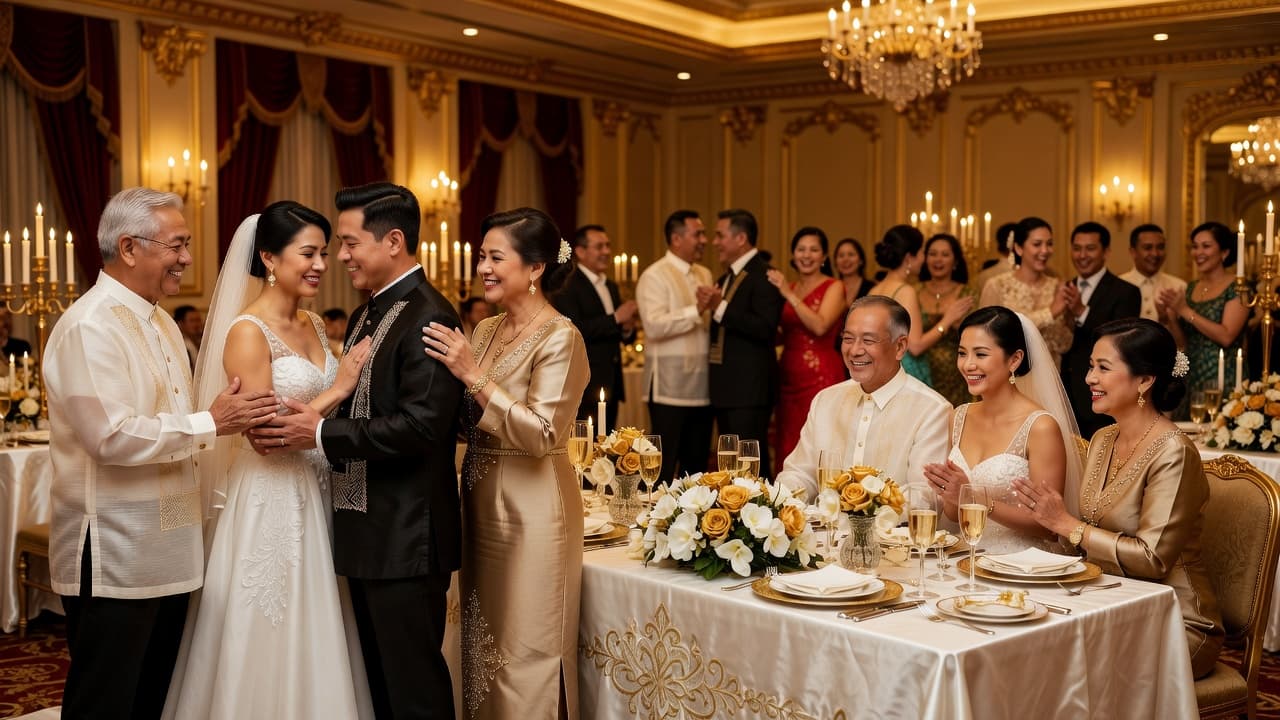
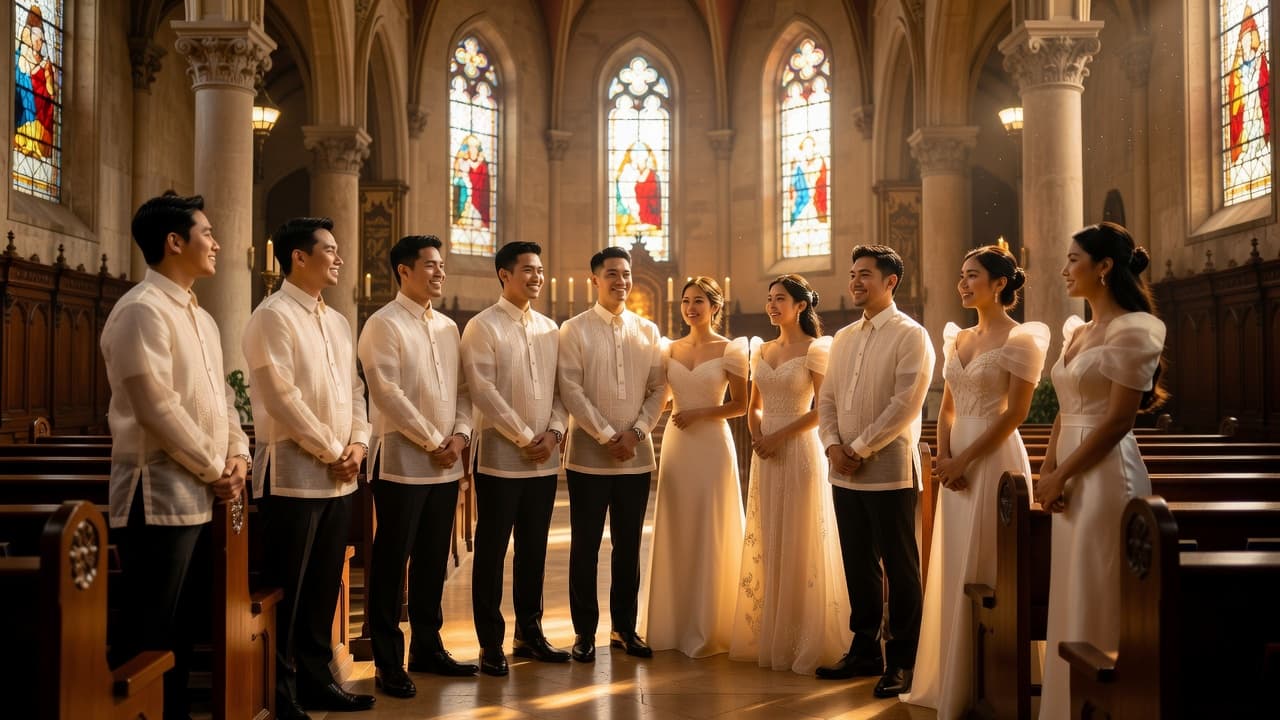
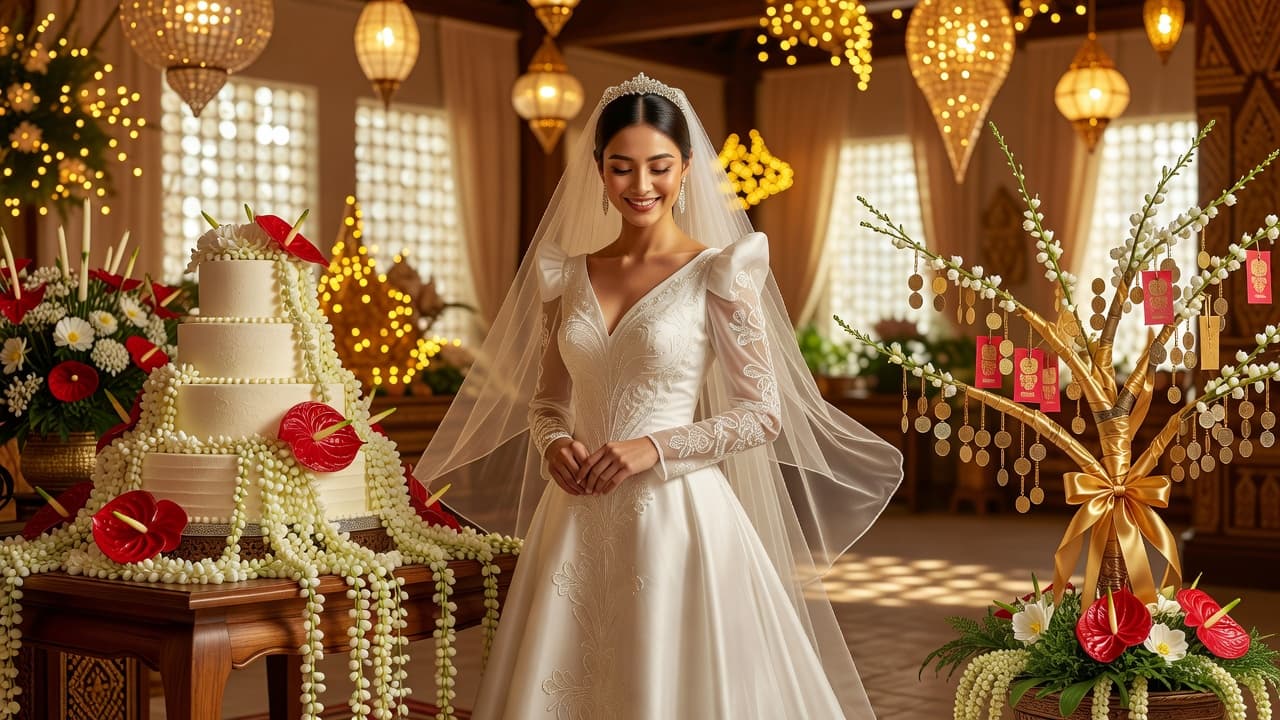
Pamamanhikan Guide: Budget Flow in the Philippines
By WedPlanner Team
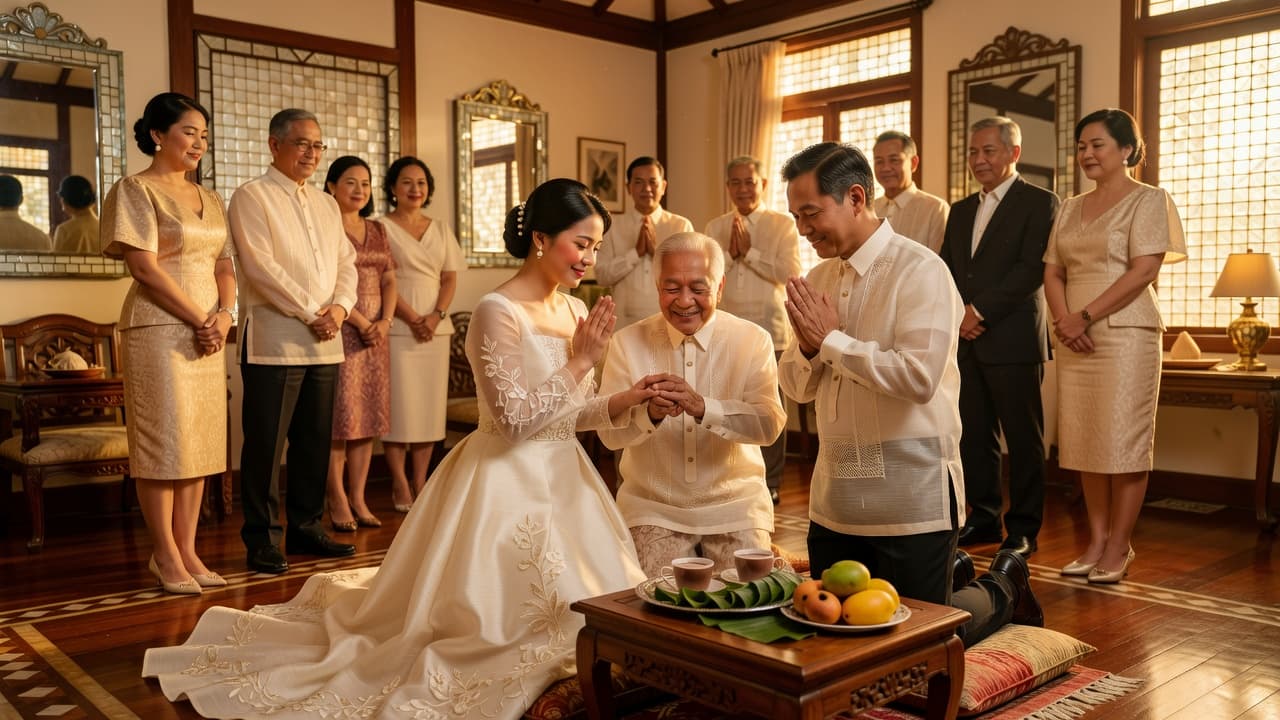
This pamamanhikan guide Philippines budget flow explains what pamamanhikan means, why families do it, how the visit usually flows, and how to budget calmly—while keeping both families comfortable.
Pamamanhikan Guide Philippines Budget Flow: Meaning, Flow & Budget Tips
Quick Answer: A pamamanhikan is a respectful family visit where the man’s side formally asks for the woman’s family blessing, usually through an organized introduction, a short exchange of words, and a ceremonial “handover” moment. This guide shares a clear timeline, practical budget ranges, and comfort-first tips for both families.
Introduction
If you’re planning a pamamanhikan in the Philippines, you probably want two things at once: (1) tradition that feels genuine, and (2) a plan that keeps everyone relaxed—especially the elders and the people hosting the visit. This pamamanhikan guide Philippines budget flow helps you understand the meaning and purpose, follow a confident event flow, and budget realistically without stress.
Whether you’re planning a home visit or a restaurant gathering, you’ll find a step-by-step sequence, a simple budget framework, and practical do’s and don’ts—so the conversation, logistics, and family dynamics all feel intentional.
What Does Pamamanhikan Mean (And What’s the Purpose)?
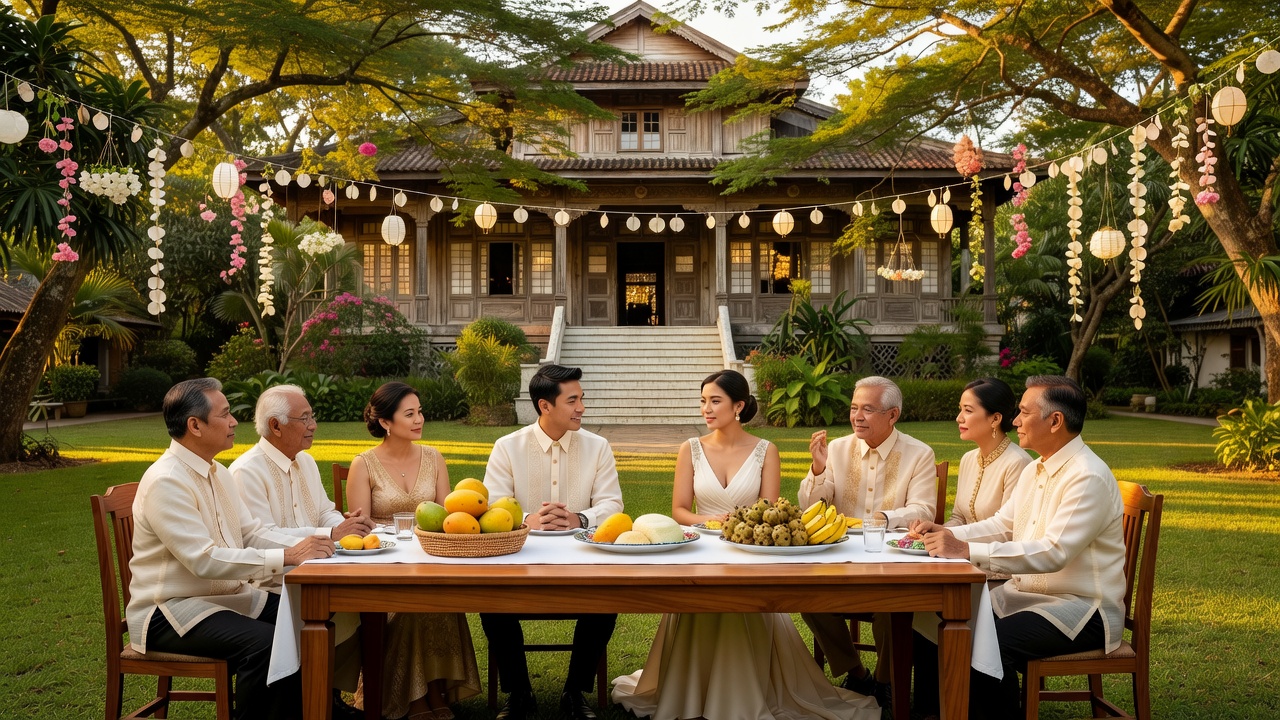
Definition: Pamamanhikan (sometimes said as Pamanhikan) is a traditional Filipino courtship step where the man’s family formally visits the woman’s family to ask for permission and blessing for the relationship—often with the goal of moving toward commitment and marriage.
Purpose (why families do it):
- Respect & introduction: It’s a formal way for families to meet, speak properly, and build trust.
- Blessing and permission: It signals that the relationship is serious and that both families are willing to support the next steps.
- Relationship alignment: It helps both sides discuss practical topics—timelines, expectations, and how they want to proceed—without rushing.
- Community values: In many Filipino families, honoring elders and maintaining harmony matters deeply.
Important comfort note: Pamamanhikan doesn’t need to be overly rigid. The goal is respectful communication. You can keep the ceremony meaningful while adjusting the pace, seating, and hospitality style so everyone feels comfortable.
What Usually Happens in a Pamamanhikan (Typical Flow Timeline)
If you want the easiest way to plan, use this “anchor timeline.” It’s designed for clarity and featured-snippet readability—so you can copy it into your organizer notes.
Typical Pamamanhikan Flow (From Arrival to Next Steps)
- Preparation & coordination (1–7 days before)
- Confirm schedule with both families (date, time window, location).
- Finalize guest list and roles (e.g., who will speak, who will receive guests).
- Align expectations on greetings, dress code, and “seriousness level” of the conversation.
- Arrival & greetings (10–30 minutes)
- Guests arrive on time or slightly early.
- Immediate greetings follow the family’s preferred style—often polite introductions and respectful acknowledgments of elders.
- Offer water/snacks if appropriate (especially for long family visits).
- Formal introductions & opening remarks (5–15 minutes)
- The spokesperson(s) from the man’s side expresses the purpose of the visit: asking for blessing/permission.
- The woman’s family responds with warmth and respect, usually asking about intentions and next steps.
- Exchange moment (if your family includes it)
- Some families include token items (commonly sweets, native products, or symbolic gifts) or a ceremonial “handover” moment.
- This part is flexible—what matters is sincerity and respect, not expensive formality.
- Conversation & alignment (20–60 minutes)
- Discuss the relationship seriousness, basic timeline preferences, and how families can work together.
- Keep it practical: communication channels, who to contact, and what “next step” means for you.
- Gratitude & closing (5–15 minutes)
- Thank both sides and acknowledge elders and hosts.
- Confirm the next plan—whether it’s another family meeting, church/marriage planning, or simply staying aligned.
- Post-visit message (same day or next day)
- Send a brief thank-you message to the host family (and any key elders), reinforcing respect.
How to Plan Pamamanhikan Without Overthinking (A Step-by-Step Checklist)
Use this checklist to reduce uncertainty. When families feel prepared, the conversation usually flows more naturally.
Step 1: Choose the right location (home vs. restaurant)
- Home visit: Often feels traditional and warm. It also makes it easier to show hospitality and engage elders comfortably.
- Restaurant gathering: Great if both families prefer structure, less cleanup, or neutral space.
- Hybrid approach: A short greeting at home, followed by a meal elsewhere—only if both sides agree.
Step 2: Decide who speaks and who supports
- Pick a main spokesperson from the man’s side (often the parents or a respected elder).
- Assign a “support person” to manage logistics: seating, flow of conversation, and refreshments.
- Agree on a simple greeting style so nobody feels put on the spot.
Step 3: Prepare a short purpose statement (so the talk stays respectful)
Instead of memorizing long scripts, prepare a short outline:
- Why we’re here (ask for blessing/permission)
- Our sincere intentions (commitment and respect)
- How we want to proceed (next step agreed gently)
Step 4: Plan for comfort—especially for elders
- Arrange seating so elders have comfortable spots and clear sightlines.
- Keep a slower pace. Avoid rushing the talk after long travel.
- Have water ready and be mindful of allergies or dietary restrictions.
Step 5: Keep “pressure” low but “respect” high
The biggest mistake is turning pamamanhikan into a sales pitch. Aim for calm respect and honest communication. If you need time to discuss details, say so kindly.
Pamamanhikan Guide Philippines Budget Flow: Practical Budgeting Tips
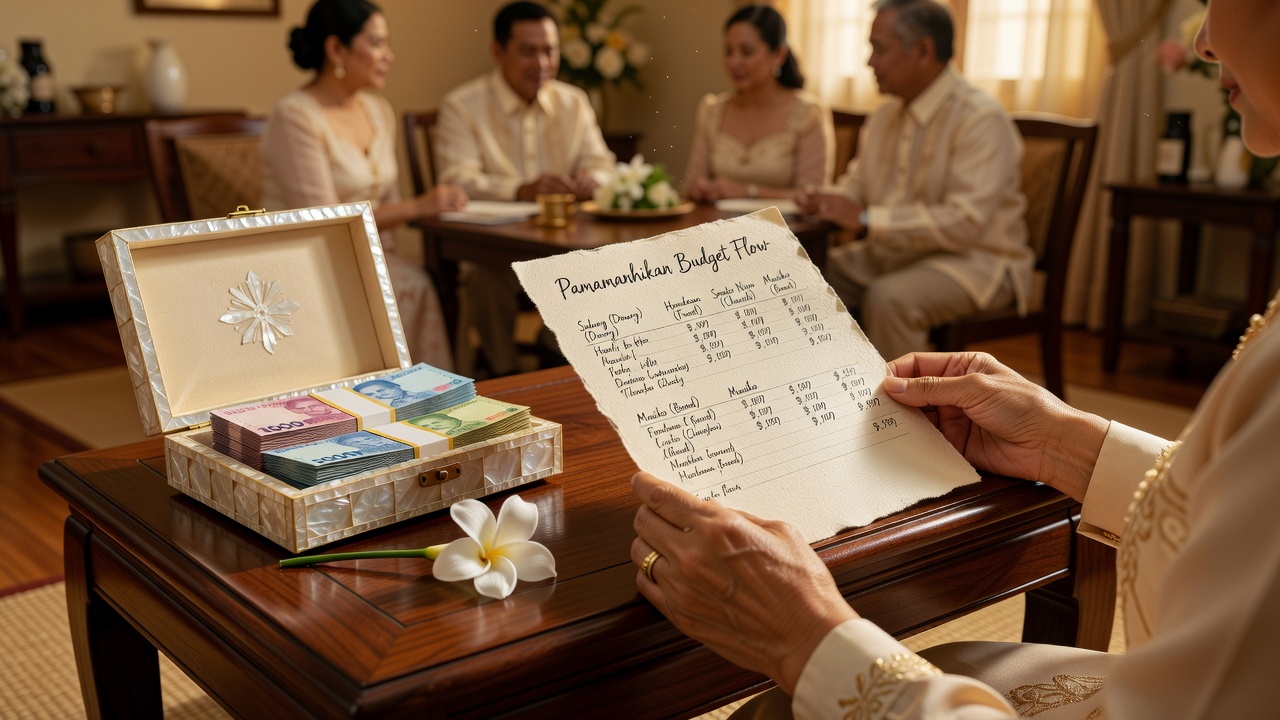
Budgeting doesn’t have to mean “spending more.” For pamamanhikan, you’re paying for preparedness and hospitality, not extravagance. Below is a practical approach that helps you balance tradition with comfort for both families.
Start with a simple budget framework
- Bucket A: Hospitality (food, drinks, snacks, venue if needed)
- Bucket B: Tokens & symbolic items (if your family does this)
- Bucket C: Essentials & logistics (transport, small printing, seating setup)
- Bucket D: Contingency (buffer for last-minute needs)
Budget breakdown (sample ranges you can adapt)
Note: These are practical estimates, not fixed prices. Costs vary by city, venue, and guest count. Use them as a planning baseline.
| Budget Bucket | What It Covers | Typical Planning Approach | Cost Control Tips |
|---|---|---|---|
| Hospitality (Food/Drinks) | Meal or snacks, refreshments | Estimate per person + host-side needs | Choose set menus; keep “extra” items minimal |
| Tokens / Symbolic Items | Sweets, traditional gifts, small meaningful items | Pick items with family meaning, not just brand value | Set a token budget cap agreed by both sides |
| Venue / Setup | Home prep, restaurant booking, table arrangement | Align venue choice with your guest count | Use simpler decor; focus on neat seating |
| Travel & Logistics | Transport, parking, possible helpers | Plan arrival times to avoid last-minute rush | Group departures; confirm exact pickup/route |
| Contingency | Unexpected costs | Add a small buffer | Keep one “flex” fund instead of overspending |
“Comfort-first” budgeting (what to prioritize)
- Prioritize a smooth experience: Comfortable seating, enough refreshments, and calm timing reduce stress.
- Spend on clarity, not hype: Good communication and a prepared flow matter more than expensive showmanship.
- Keep family dynamics in mind: If one side prefers home hosting and the other doesn’t, find a compromise location that feels respectful to both.
Common budget mistakes (and how to avoid them)
- Overshooting on tokens: You don’t need to match anyone else’s past spending. Agree on your own meaningful level.
- Forgetting elders’ comfort: Skip expensive upgrades if it delays rest, seating, or refreshments for older relatives.
- Underestimating food variety: Aim for a simple, respectful menu that works for most guests. Ask about dietary needs.
- Last-minute venue changes: These can add surprise costs. Confirm early.
Balancing Filipino Tradition with Comfort for Both Families
A well-planned pamamanhikan feels respectful and easy. Here’s how you balance tradition with comfort—without losing cultural meaning.
How to keep tradition meaningful (without making it tense)
- Use respectful greetings and tone: Make it clear that everyone should speak politely and calmly.
- Keep a structured flow: Timelines reduce awkward silence and help the conversation stay purposeful.
- Honor elders’ pace: Many family visits follow “relationship rhythm,” not strict minutes.
How to make everyone comfortable
- Choose the right seating plan: Let elders lead the interaction; keep younger relatives comfortable and not cornered.
- Have a “soft exit” plan: If the visit runs long, there should be a respectful way to close the conversation.
- Be sensitive to personality differences: Some families want deeper talk; others prefer light conversation and then a follow-up meeting.
Practical example: If the woman’s family prefers a simple home visit, but the man’s side is worried about cleanup and logistics, compromise by doing a short formal greeting at home, then a catered set meal at a nearby venue. Everyone still feels respected, and the stress drops.
FAQs (Pamamanhikan Guide Philippines Budget Flow)
Is pamamanhikan required before getting married in the Philippines?
It depends on your family and traditions. Many Filipino couples include pamamanhikan to honor elders and request blessing. However, if schedules, distance, or family preferences don’t allow it, you can adapt the format—such as a smaller family visit or a later blessing meeting—while still keeping respect at the center.
Who should attend a pamamanhikan?
Typically, parents and close relatives from both sides attend, along with a few key family spokespersons. The goal is to keep it meaningful but manageable. If your guest list becomes large, discuss whether to adjust to a restaurant setup or split into smaller family groups.
What should we wear for pamamanhikan?
Dress in a neat, respectful style that fits your families’ expectations—often semi-formal or formal depending on the occasion. If your families have different norms, agree on a “middle ground” outfit standard. Avoid overly casual clothes that might feel disrespectful to elders.
What do we talk about during the pamamanhikan conversation?
Keep the conversation respectful and practical. Common topics include intentions, relationship seriousness, how both families can support the couple, and preferred timelines for next steps. You don’t need to discuss every detail in one visit—alignment and blessing are the priority.
Do we need to bring gifts or tokens?
Some families include tokens or symbolic items as part of the tradition, but the exact practice varies by household. If you’re unsure, ask gently or choose a small meaningful item within your budget. A thoughtful, sincere token often matters more than expensive spending.
How much budget should we prepare for a pamamanhikan?
Budget depends on guest count, location (home vs. restaurant), and hospitality style. Start by counting the number of attendees and estimating food/drinks per person, then set a separate cap for tokens and logistics. Keep a contingency fund so last-minute needs don’t create stress.
What’s the difference between pamamanhikan and a formal engagement?
Pamamanhikan is typically a family blessing and permission step—formal introduction and respectful conversation. An engagement or formal announcement may come later and often involves clearer commitment markers. Many couples do pamamanhikan first to establish harmony and alignment before bigger milestones.
What if family members disagree or feel awkward?
Don’t force tense topics. Stick to respect, clarity, and calm communication. If someone is uncomfortable, adjust the pace, reduce the time spent on sensitive details, and propose a follow-up meeting later. You can still honor the blessing purpose without pushing beyond what feels safe.
Can we plan pamamanhikan in a smaller, modern way?
Yes. You can keep the spirit—respect, introduction, and asking for blessing—while using a simpler format. For example, a smaller guest list, a shorter timeline, and a restaurant set menu can reduce stress while still feeling meaningful. What matters is sincerity and family comfort.
Key Takeaways
- Pamamanhikan is a respectful family visit where the man’s side asks for the woman’s family blessing and permission.
- Use a clear flow timeline: greetings → introductions → opening purpose → conversation → gratitude → next steps.
- A good pamamanhikan guide Philippines budget flow starts with buckets: hospitality, tokens, essentials, and contingency.
- Budget for comfort and clarity, not competition or expensive showmanship.
- Tradition and comfort can coexist when you plan seating, pacing, and respectful communication for elders.
Conclusion
If you approach pamamanhikan with a confident flow and a comfort-first budget, it becomes less of a “test” and more of a warm family milestone. Plan your timeline, agree on roles and expectations, and keep spending aligned with sincerity—not pressure.
CTA: Want a practical planner you can reuse? Save this pamamanhikan flow as your checklist, then customize your budget buckets (hospitality, tokens, logistics, contingency) to match your families’ preferences. If you’d like, share your guest count and whether you prefer home or restaurant—so you can shape a realistic plan.