Filipino Wedding Favors Your Guests Will Actually Keep: 20 Ideas
By WedPlanner Team
Discover 20 practical Filipino wedding favors with genuine cultural flair that your guests will treasure long after your special day — from lambanog mini bottles to local coffee and succulents.
Filipino Wedding Favors Your Guests Will Actually Keep: 20 Practical Ideas With Cultural Flair
Quick Answer: The best Filipino wedding favors blend practical usefulness with cultural meaning. Think mini lambanog bottles, compact payong umbrellas, locally roasted coffee, polvoron in artisan packaging, and hardy succulents in hand-painted pots — gifts guests actually use and remember.
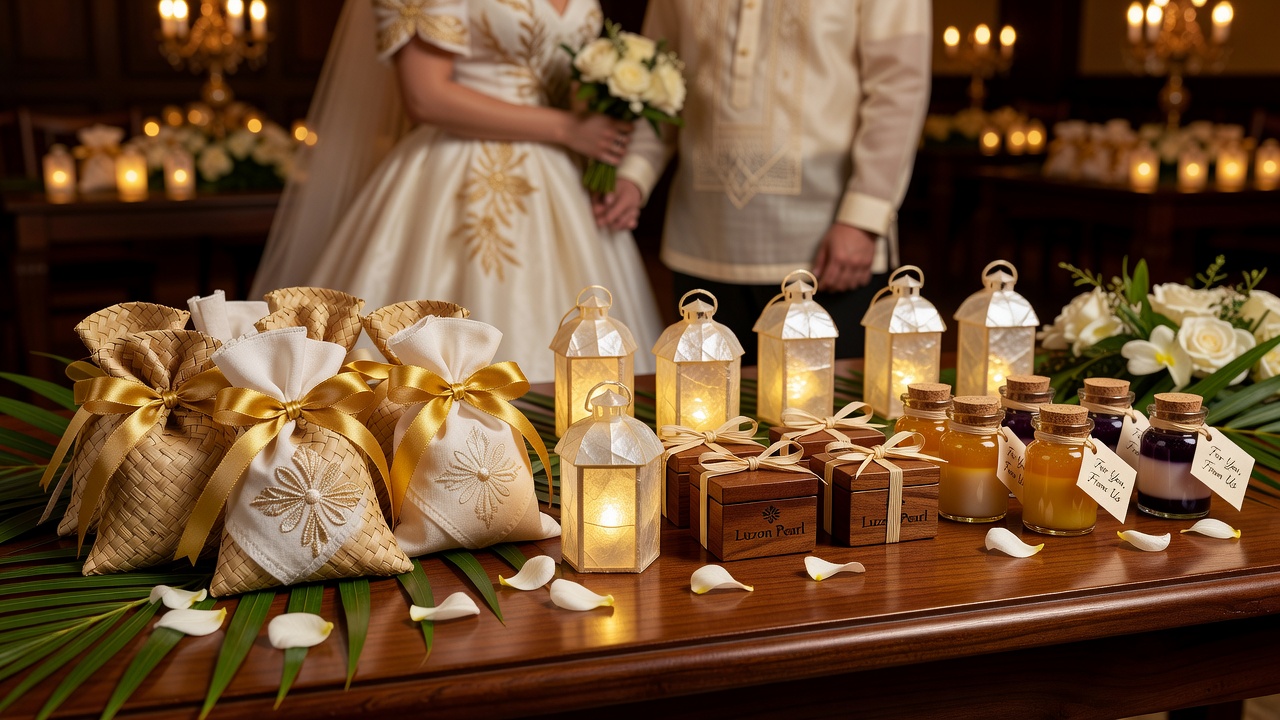
Introduction: Why Most Wedding Favors End Up in the Trash
Filipino wedding planning often includes a frustrating ritual: watching guests leave favors behind on tables. Cheap keychains, generic candles, and plastic trinkets — the landfill of good intentions.
The problem isn't generosity. It's practicality. Guests don't want another dust-collector. They want something useful, meaningful, or delicious.
The good news? Filipino culture offers endless inspiration for wedding favors that guests genuinely keep. From centuries-old traditions to modern artisanal crafts, the Philippines delivers practical gifts wrapped in story and significance.
This guide solves the favor dilemma with 20 distinct Filipino wedding favor ideas — each one practical, culturally authentic, and memorable. Your guests won't just take these home. They'll use them, share them, and remember your wedding every time they do.
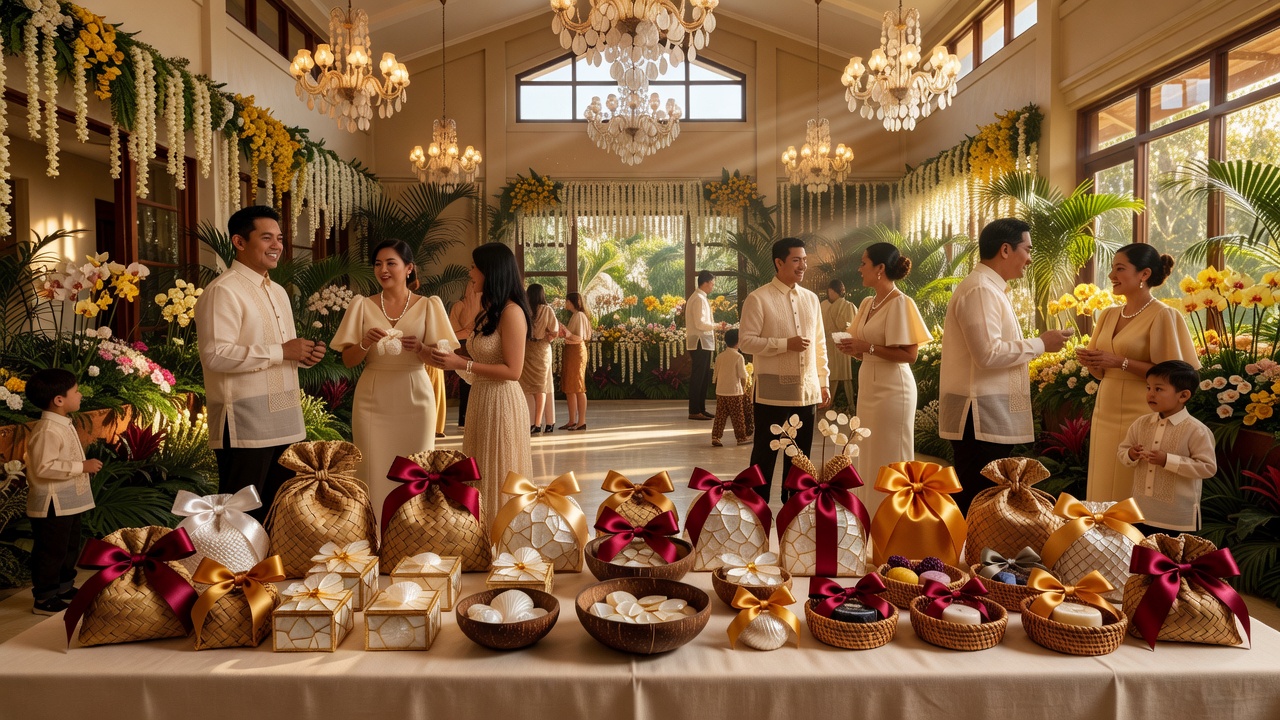
What Makes a Wedding Favor Worth Keeping?
Before diving into the ideas, let's define what separates keepers from trash-bin casualties:
- Practical value: Does it solve a problem or serve a daily purpose?
- Cultural resonance: Does it carry Filipino meaning or craftsmanship?
- Quality construction: Will it survive the trip home and beyond?
- Personal touch: Does it feel curated, not mass-produced?
- Right size: Can guests easily pack it in luggage or handbags?
The best favors check at least three of these boxes. The 20 ideas below check all five.
20 Filipino Wedding Favors Your Guests Will Actually Keep
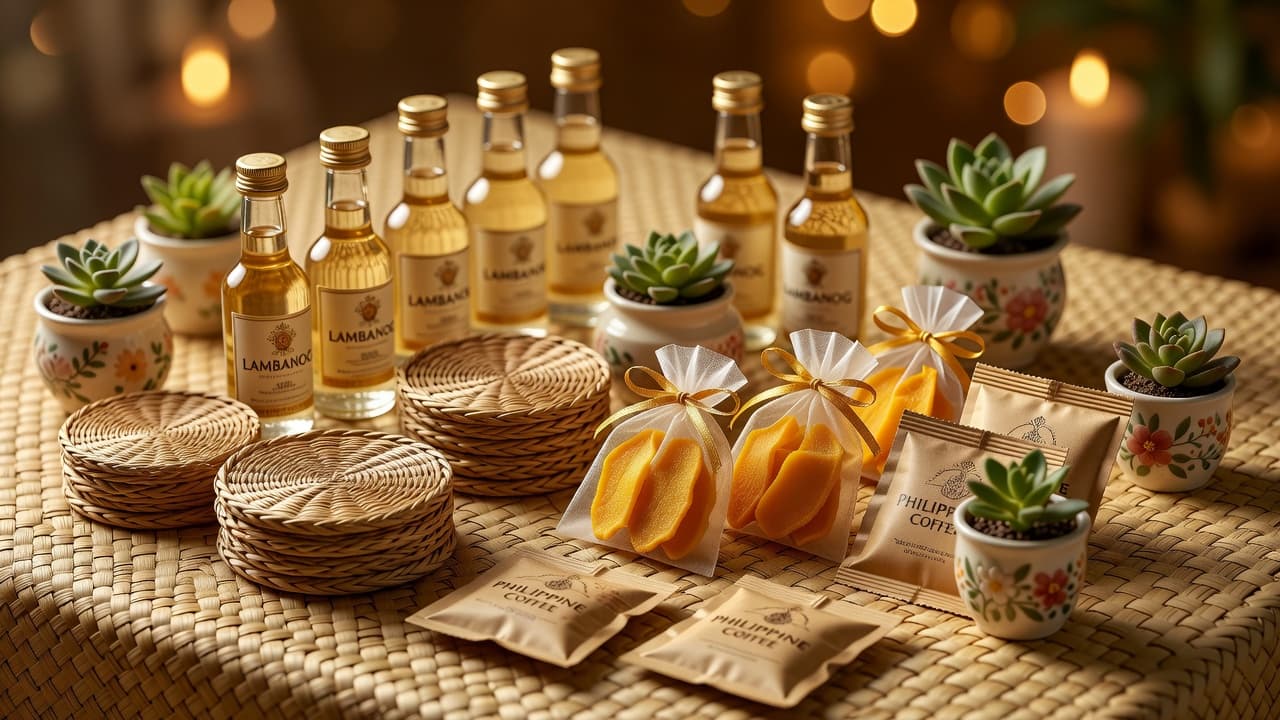
1. Mini Lambanog Bottles — The Spirit of Celebration
What it is: Small glass bottles (50-100ml) of lambanog, the Philippines' traditional coconut vodka, infused with flavors like mango, calamansi, or cinnamon.
Why guests keep it: It's a conversation starter, a unique spirit most haven't tried, and the compact size fits any liquor cabinet. Guests who don't drink regift it as a cool cultural souvenir.
Cultural tie-in: Lambanog represents Filipino communal celebration. In rural provinces, families distill their own and share it at weddings, baptisms, and fiestas. You're bottling that tradition.
Pro tip: Source from Batangas or Quezon producers for authentic craft quality. Add a custom label with your wedding date and a tag explaining lambanog's history.
2. Compact Payong (Umbrella) — Shelter With Style
What it is: A folding umbrella — payong in Filipino — featuring vibrant patterns like banig-inspired weaves, jeepney art, or tropical florals.
Why guests keep it: Everyone needs an umbrella. Unlike cheap throwaways, a well-made payong with cultural design becomes their go-to rainy-day accessory.
Cultural tie-in: The payong is everyday Filipino life. From sun-baked rice fields to sudden Manila downpours, it's protection and practicality in one. Traditional abaca-weave patterns elevate it to functional art.
Pro tip: Choose automatic-open models in sturdy nylon with UV coating. The dual sun-rain function doubles its usefulness.
3. Local Specialty Coffee — Morning Memory
What it is: Single-origin Philippine coffee beans from regions like Benguet, Sagada, Mt. Matutum, or Bukidnon, packaged in resealable bags with roast date labels.
Why guests keep it: Coffee drinkers finish every bag. Each morning brew becomes a ritual reminder of your wedding. Even non-coffee drinkers regift premium beans.
Cultural tie-in: Philippine coffee culture runs deep, from Spanish-era café society to today's third-wave roaster boom. Benguet Arabica and Sagada beans compete globally — you're sharing world-class heritage.
Pro tip: Include brewing instructions tailored to the bean variety. Partner with local roasters for wedding-batch custom packaging.
4. Artisan Polvoron — Edible Heritage
What it is: Premium polvoron — the iconic Filipino shortbread — in flavors beyond classic ube and pinipig: matcha, dark chocolate, salted caramel, or tablea (native cacao).
Why guests keep it: They eat it immediately. But the memory lasts. Beautiful packaging also makes it a desktop display piece before consumption.
Cultural tie-in: Polvoron traces to Spanish polvorónes but evolved into a distinctly Filipino pasalubong staple. Goldilocks and Red Ribbon popularized it; artisan makers now elevate it.
Pro tip: Commission a local baker for wedding-exclusive flavors. Wrap individually in wax paper with your initials stamped — Instagram-worthy and hygienic.
5. Succulents in Hand-Painted Pots — Living Memories
What it is: Hardy succulents (echeveria, haworthia, or jade plants) planted in small terracotta pots hand-painted with Filipino motifs — banig patterns, jeepney colors, or tribal designs.
Why guests keep it: Plants live for years with minimal care. The painted pot remains a decorative object even if the plant eventually dies.
Cultural tie-in: Filipino gardening culture values resilience. These drought-tolerant plants mirror Filipino adaptability. Hand-painted elements support local artisans.
Pro tip: Include a care card in Filipino and English. Choose plants that survive airplane cabins for destination wedding guests.
6. Handmade Abaca Coasters — Weaving Tradition Home
What it is: Woven coasters from abaca fiber — the Philippines' premier natural textile — in natural tones or dyed colors, bundled in sets of four.
Why guests keep it: Coasters are universally useful, and these feel special. Abaca's texture and durability outperform cheap cork or plastic alternatives.
Cultural tie-in: The Philippines produces 85% of the world's abaca. Weaving it connects to pre-colonial Filipino craftsmanship. Each coaster carries that heritage.
7. Calamansi Extract or Zest — Citrus Sunshine
What it is: Small bottles of pure calamansi extract, calamansi-infused vinegar (sinamak), or jars of dried calamansi zest for cooking.
Why guests keep it: Calamansi is the Filipino kitchen's secret weapon — versatile for cooking, cocktails, and cleaning. Guests use every drop.
Cultural tie-in: No Filipino household functions without calamansi. It's medicine, marinade, and refreshment. Sharing it is sharing daily Filipino life.
8. Barako Coffee Scrub — Self-Care From the Philippines
What it is: Luxurious body scrub made from Barako coffee grounds, coconut oil, and muscovado sugar, packaged in reusable glass jars.
Why guests keep it: Self-care products get used. The caffeine boost and natural ingredients appeal to skincare-conscious guests.
Cultural tie-in: Barako coffee — the Liberica variety from Batangas — is endangered and culturally precious. Supporting it preserves Filipino agricultural heritage.
9. Capiz Shell Tealight Holders — Translucent Elegance
What it is: Small tealight holders crafted from capiz shells — the translucent windowpane oyster native to Philippine waters — in geometric or floral designs.
Why guests keep it: The warm glow through capiz is mesmerizing. These double as décor pieces long after the candle burns out.
Cultural tie-in: Capiz shells illuminated Filipino homes for centuries before glass windows. Every piece carries maritime heritage.
10. Filipino Spice Blends — Flavor Passport
What it is: Custom spice mixes inspired by Filipino flavors — achuete (annatto) powder, sinigang sa sampalok packets, adobo seasoning, or dried herbs for tinola.
Why guests keep it: Home cooks experiment with new flavors. These compact packets invite culinary adventure without intimidation.
Cultural tie-in: Filipino cuisine is having a global moment. These blends let guests participate in that story from their own kitchens.
11. Woven Banig Fans — Portable Climate Control
What it is: Traditional handheld fans made from banig (woven mat) material or buri palm, some mounted on painted wooden handles.
Why guests keep it: In warm climates, these become purse staples. Even in cooler regions, they're unique decorative items.
Cultural tie-in: The abaniko (folding fan) and paypay (fixed fan) are Filipino icons. Maria Clara's delicate fan is national imagery. These modern versions honor that legacy.
12. Local Honey or Honey Sticks — Sweet Sustainability
What it is: Raw honey from Filipino beekeepers — Palawan wildflower, Benguet mountain honey, or stingless bee honey — in small jars or individual honey sticks.
Why guests keep it: Honey never expires. Tea drinkers, bakers, and wellness enthusiasts all find uses. Sticks are TSA-friendly for international guests.
Cultural tie-in: Filipino honey production supports indigenous beekeeping traditions. Palawan's wild honey gatherers climb dangerous heights — their product is literally liquid courage.
13. Tuba Vinegar (Sukang Tuba) — Fermented History
What it is: Premium sukang tuba — coconut sap vinegar aged in damili (clay pots) — in attractive bottles with pour spouts.
Why guests keep it: Gourmet vinegar elevates any kitchen. This is the Filipino answer to balsamic — complex, fruity, and versatile.
Cultural tie-in: Sukang tuba predates Spanish colonization. The fermentation knowledge spans millennia. Sharing it preserves endangered food heritage.
14. Personalized Pabitin Pouches — Childhood Nostalgia
What it is: Small drawstring pouches inspired by pabitin (the Filipino party game with hanging treats), filled with quality candies, nuts, or dried fruit.
Why guests keep it: The pouch itself becomes a coin purse, earbud holder, or travel organizer. The treats are immediate joy.
Cultural tie-in: Pabitin appears at every Filipino child's birthday. Adults light up at the memory. You're giving nostalgia with utility.
15. Indigenous Fabric Hair Ties or Scrunchies — Wearable Culture
What it is: Hair ties or scrunchies made from Inabel (Ilocos weave), T'nalak (T'boli dreamweave), or Yakan fabric remnants.
Why guests keep it: Hair ties disappear constantly — guests always need more. These are functional and fashionable conversation starters.
Cultural tie-in: Philippine indigenous textiles are UNESCO-recognized heritage. Each pattern tells stories of dreams, identity, and community. Wearing them keeps those stories alive.
16. Dried Philippine Mango Slices — The National Snack
What it is: Premium dried mango slices — the Philippines' most famous export — in vacuum-sealed or resealable pouches with custom labels.
Why guests keep it: Everyone eats them. Even guests who've tried dried mango before will appreciate premium Guimaras or Cebu varieties.
Cultural tie-in: Philippine dried mango is globally renowned. Guimaras island even restricts its carabao mangoes for export — you're sharing rare tropical luxury.
17. Handmade Ceramic Cups — Morning Ritual
What it is: Small ceramic cups or mugs handcrafted by Filipino potters, perhaps with glazed patterns inspired by indigenous motifs.
Why guests keep it: Mugs are daily-use items. A handmade piece feels special every morning. Even non-coffee drinkers use them for tea or display.
Cultural tie-in: Philippine pottery traditions span pre-colonial civilizations. Modern Filipino ceramicists blend ancient techniques with contemporary aesthetics.
18. Local Chocolate (Tablea) — The Original Hot Cocoa
What it is: Traditional tablea de cacao — pure roasted cacao discs — from Davao, Bohol, or Malabog, with preparation instructions.
Why guests keep it: Chocolate is universal comfort. Tablea offers an authentic alternative to powder mixes — richer, more complex, and conversation-worthy.
Cultural tie-in: The Philippines was the first Asian country to cultivate cacao. Spanish colonizers exported Philippine chocolate to Mexico. This is centuries of chocolate history in a disc.
19. Reed Diffusers With Filipino Scents — Aroma Therapy
What it is: Small reed diffusers featuring scents inspired by the Philippines — sampaguita (jasmine), ylang-ylang, pandan, or sea breeze.
Why guests keep it: Home fragrance lasts weeks. The scent becomes associated with your wedding memory — powerful emotional anchoring.
Cultural tie-in: Sampaguita is the national flower. Ylang-ylang production supports Filipino farming communities. These scents are olfactory patriotism.
20. Mini First Aid Kits — Practical Love
What it is: Pocket first aid kits with Filipino touches: calamansi hand sanitizer, betadine, bandages, herbal ointment (like Vicks or White Flower), and aloe vera gel.
Why guests keep it: It lives in their bag, car, or desk. Used constantly. Demonstrates genuine care for guest wellbeing.
Cultural tie-in: Filipino healthcare blends Western medicine with herbal wisdom (herbolario traditions). This kit honors both approaches — practicality with cultural roots.
Key Takeaways
- The best Filipino wedding favors prioritize practical usefulness over decoration — guests keep what they use.
- Cultural authenticity matters: weave Filipino heritage naturally into the item's story rather than slapping a flag on generic products.
- Support local artisans and producers when possible — this doubles your wedding's positive impact.
- Consider guest demographics: edible favors please everyone; plants survive well for local guests; compact items travel better for international attendees.
- Quality packaging elevates perceived value without adding cost — invest in presentation.
- Include brief explanation cards for cultural items — education enhances appreciation.
- Budget roughly ₱150-500 per favor for quality items that guests genuinely treasure.
Frequently Asked Questions
How much should I budget for Filipino wedding favors?
Quality Filipino wedding favors typically range from ₱150 to ₱500 per piece. Bulk orders often reduce costs by 20-30%. Prioritize quality over quantity — guests prefer one excellent favor over multiple cheap items.
Are edible Filipino wedding favors better than keepsakes?
Edible favors guarantee consumption and immediate enjoyment. Keepsakes like succulents or abaca coasters provide lasting reminders. Consider your guest mix: older relatives often prefer practical keepsakes, while younger guests appreciate artisanal food items.
Where can I buy authentic lambanog for wedding favors?
Source lambanog directly from certified distillers in Batangas, Quezon, or Laguna provinces. Look for FDA-registration and proper labeling. Many artisanal producers now offer wedding-sized bottles with custom labeling services.
How do I make wedding favors feel personal and not generic?
Include a handwritten-style tag explaining the item's Filipino significance. Share why you chose it — perhaps it reminds you of your province, childhood, or first trip together. Personal stories transform objects into memories.
What Filipino wedding favors work best for international guests?
Choose compact, non-liquid items for air travel: dried mango, abaca coasters, polvoron, coffee beans, fabric hair ties, or small succulents. Avoid lambanog (alcohol restrictions) and fresh plants (agricultural customs limits). Vacuum-seal food items.
Should I offer different favors for male and female guests?
Modern Filipino weddings increasingly favor universal gifts over gendered separation. If you prefer differentiation, offer choices at a favor station rather than pre-assigning by gender — some women love lambanog; some men adore succulents.
When should I order wedding favors?
Order 6-8 weeks before your wedding, especially for customized items. Artisanal products like hand-painted pots or custom coffee roasts require longer lead times. Always confirm delivery dates with suppliers and build buffer time for quality checks.
Can I make Filipino wedding favors myself to save money?
DIY favors work well for items like polvoron packaging, succulent pot painting, or spice blend assembly. However, professionally produced items like lambanog or tablea ensure food safety and quality. Blend DIY personalization with professional sourcing for best results.
Conclusion: Gifts That Carry Culture Forward
Filipino wedding planning deserves better than forgettable trinkets. The 20 favor ideas above prove that practicality and cultural pride coexist beautifully. Whether you choose lambanog mini bottles that toast Filipino celebration, payong umbrellas that shelter daily life, or succulents that grow alongside new marriages — each favor becomes a keepsake of heritage.
The most successful favors aren't the most expensive. They're the most thoughtful. Choose items that reflect your story as a couple and the Filipino traditions that shaped you. Your guests won't just remember your wedding — they'll carry a piece of Filipino culture into their daily lives.
Planning a Filipino wedding? Explore our complete Filipino wedding planning guide for more cultural inspiration, from traditional ceremonies to modern reception ideas.