10 Filipino Wedding Superstitions Your Lola Will Remind You About
By WedPlanner Team
Explore 10 beloved Filipino wedding superstitions and pamahiin traditions — from sukob to rain blessings — with a warm, fun look at which customs to embrace and which to simply smile about.
10 Filipino Wedding Superstitions Your Lola Will Remind You About (And Which Ones Are Actually Fun)
Filipino wedding traditions include many superstitions, or pamahiin, that couples encounter while planning their big day. From avoiding the sukob rule to interpreting rain on your wedding day, these beliefs blend Catholic, Spanish, and indigenous Filipino influences. Most are harmless, some are genuinely fun, and nearly all come with a story worth knowing.
Introduction
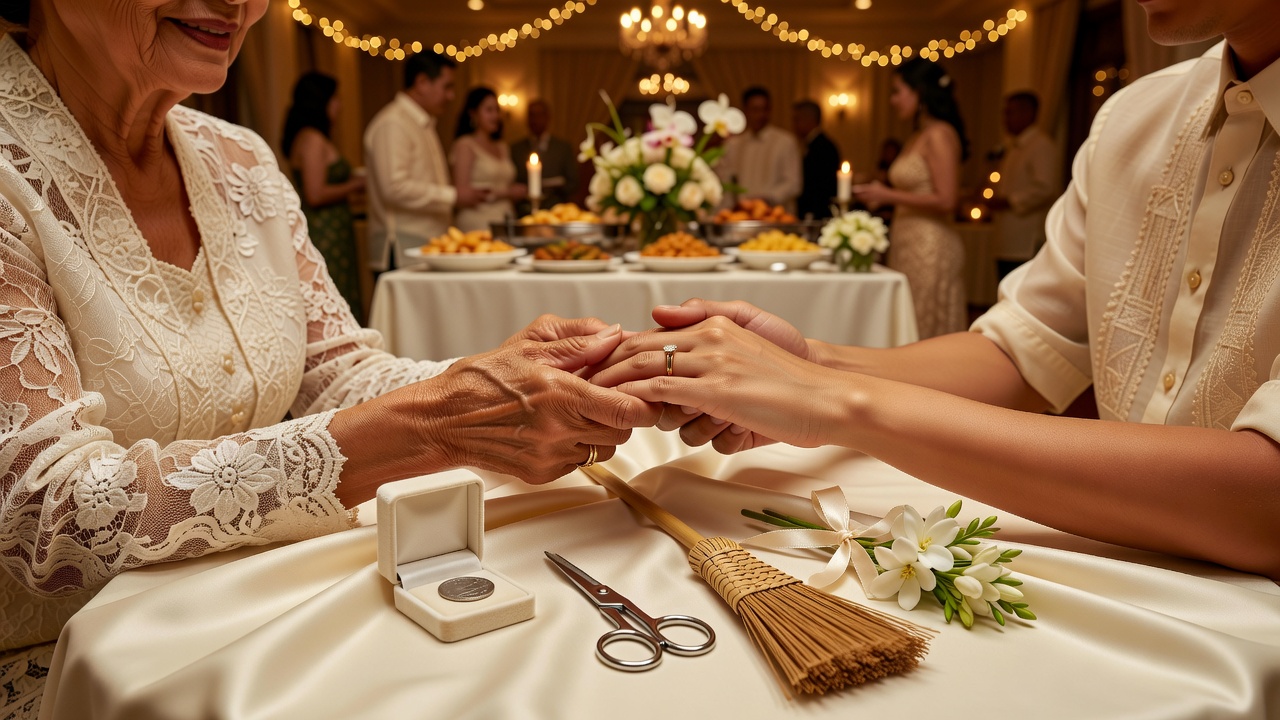
If you're planning a Filipino wedding, you've probably already heard it — that gentle (or not-so-gentle) reminder from your lola about something you absolutely must or must not do before walking down the aisle. Filipino wedding traditions are rich with pamahiin, superstitions passed down through generations that mix Catholic devotion, Spanish colonial influence, and indigenous Filipino folklore.
Some of these beliefs might make you roll your eyes. Others might give you a genuine moment of pause. And a few? They're actually kind of fun. This listicle explores ten Filipino wedding superstitions that still circulate in modern wedding planning — not to mock them, but to understand where they come from and why they persist. Because whether you're a firm believer or a smiling skeptic, these traditions are part of what makes Filipino weddings so uniquely warm, communal, and memorable.
1. Sukob — The Ultimate Wedding Taboo
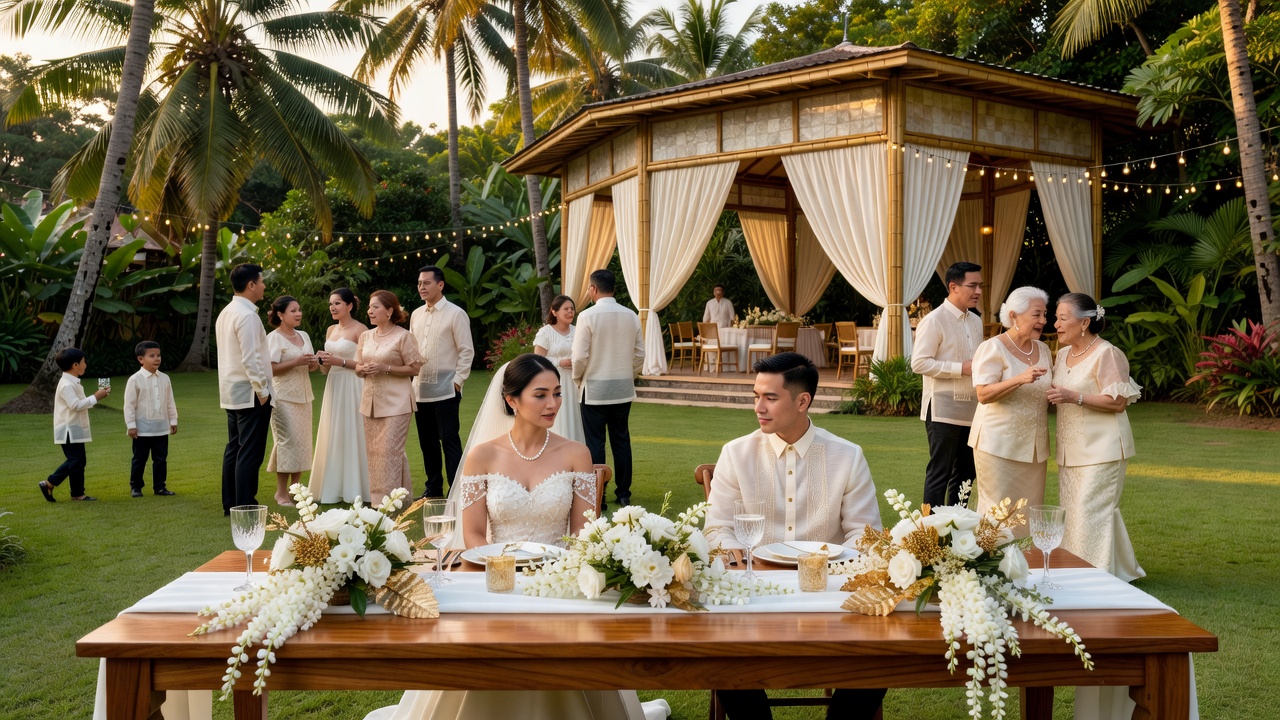
The Belief: Two siblings should not marry in the same year. Doing so invites bad luck, family conflict, or financial strain — the idea being that the family is "layering" too many major life events at once.
Cultural Context: Sukob (meaning "to wear together" or "layered") reflects a deeply communal Filipino value: weddings aren't just about the couple, they're about the entire pamilya. Spreading out major celebrations ensures the family can give each union proper attention and resources. It's rooted in practical wisdom as much as superstition.
Is It Fun? Not particularly — it's more of a planning constraint. But it does mean each sibling gets their moment in the spotlight, which most families see as a feature, not a bug.
2. Dropping the Ring, Arrhae, or Veil
The Belief: During the ceremony, if the groom drops the wedding ring, the arrhae (coins symbolizing prosperity), or the veil, it's considered an omen of an unstable marriage.
Cultural Context: These objects aren't just props — in Filipino Catholic weddings, they're sacramental symbols. The ring represents eternal love, the arrhae represents shared wealth and stewardship, and the veil signifies the couple's unity under God's blessing. Dropping them suggests carelessness with something sacred.
Is It Fun? In practice, this one creates gentle tension during rehearsals and some very careful hands on the wedding day. It's less "fun" and more "don't mess this up." Many couples opt for a pillow or a trusted bearer to avoid the risk entirely.
3. Don't Try On the Wedding Gown Before the Big Day
The Belief: The bride should not fit or wear her complete wedding gown before the wedding. Doing so risks the wedding not pushing through.
Cultural Context: This belief mirrors the Western superstition of the groom not seeing the bride in her dress before the ceremony, but Filipinos took it further — the bride herself shouldn't see herself fully dressed. It's about preserving the magic and significance of the moment, treating the full ensemble as something that only exists in its proper time.
Is It Fun? Actually, yes. It builds anticipation and makes the final reveal — whether in a mirror or walking down the aisle — genuinely emotional. Many brides say that "first look" moment is one of their most treasured memories.
4. Rain on Your Wedding Day Means Blessings
The Belief: Rain during the wedding ceremony is a sign of good luck, abundant blessings, and fertility.
Cultural Context: In a tropical country where rain is both common and essential for agriculture, water has long symbolized life, renewal, and divine favor. Some regions specifically interpret rain as God's tears of joy. This is one of the more positive Filipino wedding traditions — a reframing that turns a potential logistical headache into a spiritual blessing.
Is It Fun? Absolutely. Couples who experience it often end up with stunning photos, a memorable story, and a genuine sense of being "blessed." Just invest in a good bridal umbrella.
5. The Bride Shouldn't Wear Pearls
The Belief: Pearls represent tears, so wearing them on your wedding day invites a marriage full of sadness and crying.
Cultural Context: This belief comes from the symbolic association of pearls with tears across many cultures, adapted into Filipino wedding superstition. Given that weddings are supposed to be joyous, anything associated with crying gets the veto.
Is It Fun? It's mostly a fashion constraint. Modern brides who love pearls often workaround it by wearing them as a gift from the groom after the ceremony — transforming "tears" into "treasures." Creative problem-solving at its finest.
6. Avoid Sharp Objects as Gifts
The Belief: Giving knives, scissors, or other sharp objects as wedding gifts symbolizes a desire to "cut" the relationship.
Cultural Context: In Filipino gift-giving culture, the symbolism of an object matters as much as its utility. Sharp objects carry aggressive, severing energy — the opposite of what you want for a new marriage. Some extend this to include pointed objects like umbrellas (though that's debated).
Is It Fun? It's more of a practical guideline for guests. Couples rarely register for kitchen knives anyway, and most guests intuitively avoid them. If someone does gift you a knife set, tradition says you should give them a coin in return — "buying" it so it doesn't count as a gift.
7. The Groom Must Arrive First
The Belief: The groom should arrive at the church before the bride. If the bride arrives first, she'll dominate the marriage or the relationship will be unbalanced.
Cultural Context: This reflects traditional Filipino gender dynamics where the husband was expected to be the "head" of the household. Whether or not that model fits modern marriages, the symbolism is about establishing mutual respect and proper "order" from day one.
Is It Fun? It adds a layer of playful competition to the morning-of logistics. Grooms who barely make it on time have a great story, and brides who "win" by arriving first often joke about "wearing the pants" in the relationship.
8. Don't Look Back While Walking Down the Aisle
The Belief: The bride should not look back over her shoulder while walking down the aisle. Doing so invites regret or indicates she's not fully committed.
Cultural Context: This is the Filipino wedding equivalent of Lot's wife — a cautionary visual metaphor about moving forward with confidence and leaving the past behind. In a culture that values walang iwanan (no one gets left behind), the symbolism of "not looking back" carries particular emotional weight.
Is It Fun? It creates a lovely photographic moment. Brides who focus forward often have the most serene, joyful processional photos. And let's be honest — with everyone looking at you, you're not tempted to look back anyway.
9. Tie a String Around the Finger of a Deceased Relative
The Belief: Before the wedding, the bride or groom should visit the grave of a deceased relative and tie a string around the finger of the departed, asking for their blessing and presence in spirit.
Cultural Context: This practice reflects the deeply Filipino belief that the dead remain part of the family and should be honored during major life events. It's a way of saying, "You're still with us." In some regions, couples light candles or leave offerings instead.
Is It Fun? It's more poignant than fun, but many couples describe it as one of the most meaningful parts of their wedding preparation. It's a quiet, personal moment that grounds the celebration in family love across generations.
10. Throw Rice for Prosperity (and Maybe Don't)
The Belief: Guests should throw rice at the newlyweds as they exit the church to wish them a prosperous, fertile marriage.
Cultural Context: Rice is the foundation of Filipino life and cuisine, so it symbolizes abundance, nourishment, and sustenance. However, many modern churches have banned rice-throwing (slippery floors, cleanup issues), leading to the rise of alternatives like flower petals, confetti, or bubbles.
Is It Fun? Extremely — it's one of the most photogenic moments of the wedding. Whether you use rice, petals, or bubbles, the cascade of joy as you walk out as a married couple is pure magic. [Internal link: related article on wedding send-off ideas]
Key Takeaways
- Filipino wedding superstitions blend Catholic, Spanish, and indigenous beliefs into unique pamahiin that many couples still encounter while planning.
- Most superstitions are harmless — some add anticipation and meaning, while others are simply traditions to acknowledge and move past.
- Beliefs like rain-as-blessings and not fitting the gown actually enhance the wedding experience by building emotion and creating memorable moments.
- Practical constraints like sukob and sharp-object gifts have logical roots in family dynamics and symbolism.
- Modern couples can respect tradition without being bound by it — the spirit matters more than the letter.
Frequently Asked Questions
What is sukob in Filipino weddings?
Sukob is the belief that two siblings should not marry in the same year, as it invites bad luck or family conflict. It reflects the Filipino value of spreading major celebrations so each union receives proper attention.
Is rain on your wedding day actually good luck in Filipino culture?
Yes — in Filipino wedding traditions, rain symbolizes blessings, fertility, and divine favor. Many couples view it as God shedding tears of joy during their ceremony.
Why shouldn't a bride try on her wedding gown before the wedding?
The belief is that wearing the complete gown before the big day risks the wedding not happening. Culturally, it preserves the magic and significance of the moment when she finally sees herself fully dressed.
What happens if you drop the wedding ring during a Filipino ceremony?
Dropping the ring, arrhae, or veil is considered an omen of marital instability. In practice, couples use pillows and careful bearers to avoid this during the ceremony.
Are Filipino wedding superstitions still followed today?
Many are observed as cultural traditions rather than strict rules. Modern couples often pick and choose which beliefs to follow based on personal and family preferences.
Can you wear pearls at a Filipino wedding?
Traditionally, pearls are avoided because they symbolize tears. However, many modern brides wear them anyway or receive pearl jewelry as a post-ceremony gift from the groom.
What should guests avoid giving as wedding gifts?
Sharp objects like knives and scissors are traditionally avoided because they symbolize cutting or severing the relationship. Most couples register for neutral gifts instead.
Why should the groom arrive before the bride?
The belief is that if the bride arrives first, she will dominate the marriage. It stems from traditional gender roles and the idea of establishing proper "order" from the start.
Conclusion
Filipino wedding traditions are a tapestry of faith, family, and folklore — and the superstitions your lola insists on are part of that beautiful, complicated heritage. You don't have to believe every pamahiin to respect where it comes from. Some add genuine meaning to your celebration. Others are simply opportunities to smile, nod, and quietly do things your own way.
The best Filipino weddings honor the past while making room for the couple's own story. Whether you're dodging sukob, praying for sunshine, or secretly hoping for a little rain, what matters most is the love you're celebrating and the community gathered around you.
Ready to plan your Filipino wedding with less stress and more joy? [Internal link: related article on WedPlanner PH wedding planning checklist] Let WedPlanner PH help you navigate traditions, timelines, and every beautiful detail in between.