How to Write Filipino Wedding Vows That Make Everyone Cry (In a Good Way)
By WedPlanner Team
Write heartfelt Filipino wedding vows that honor family traditions, blend Tagalog and English beautifully, and leave everyone wiping happy tears.
The Weight of Filipino Wedding Vows
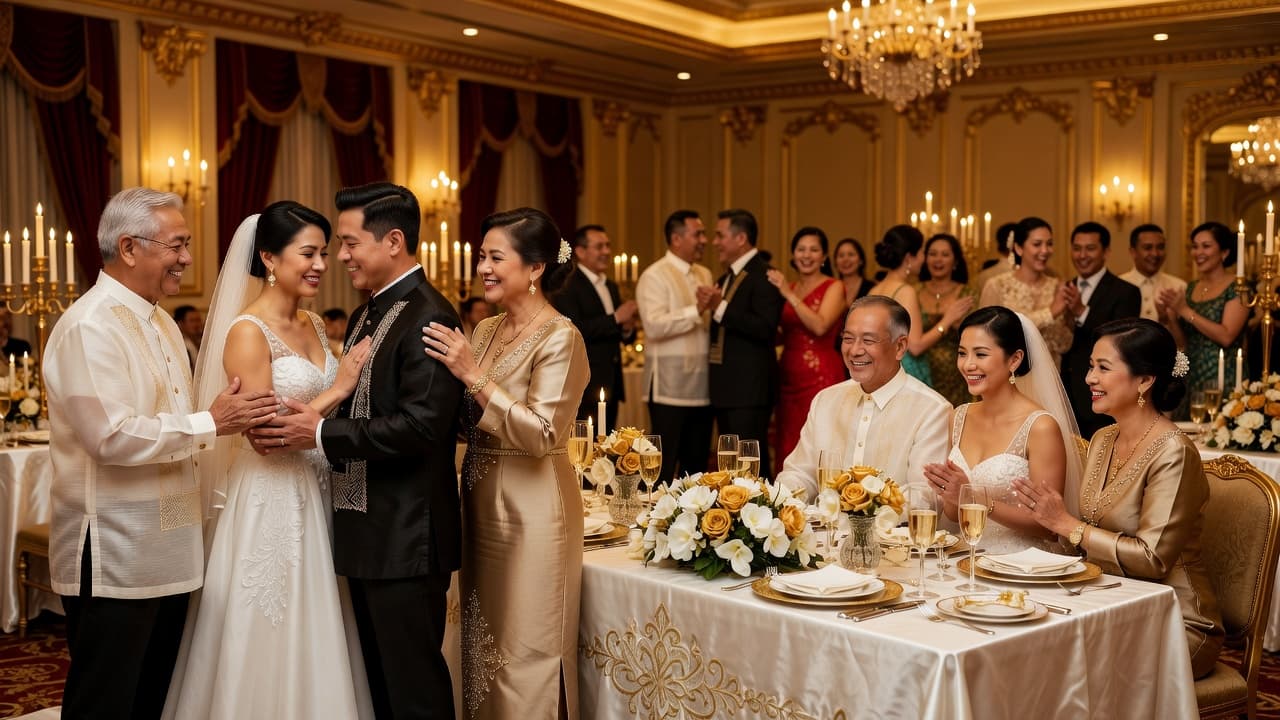
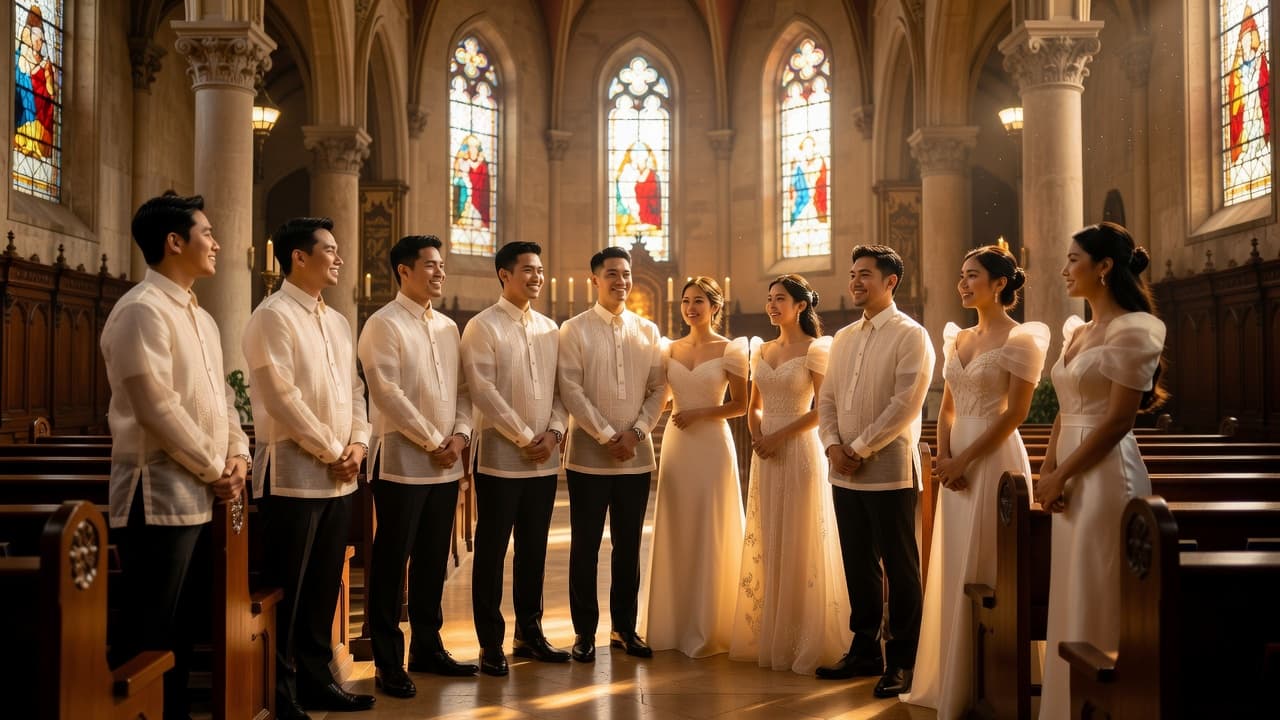
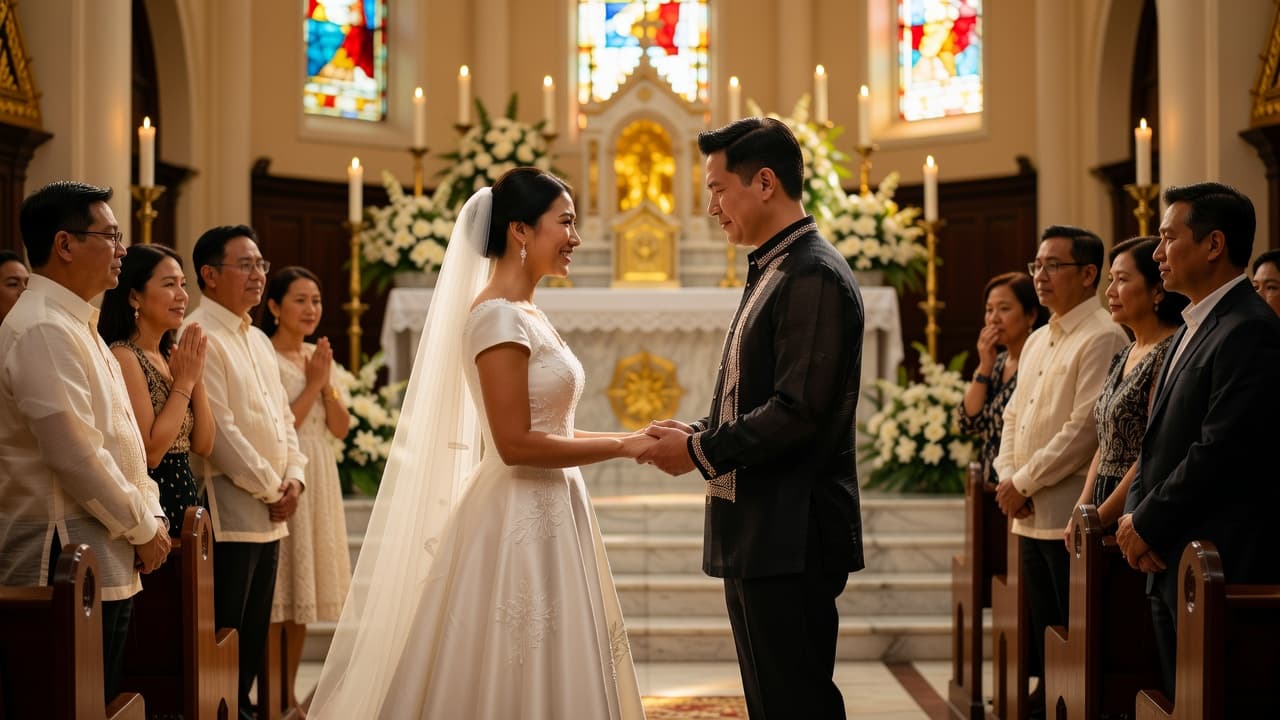
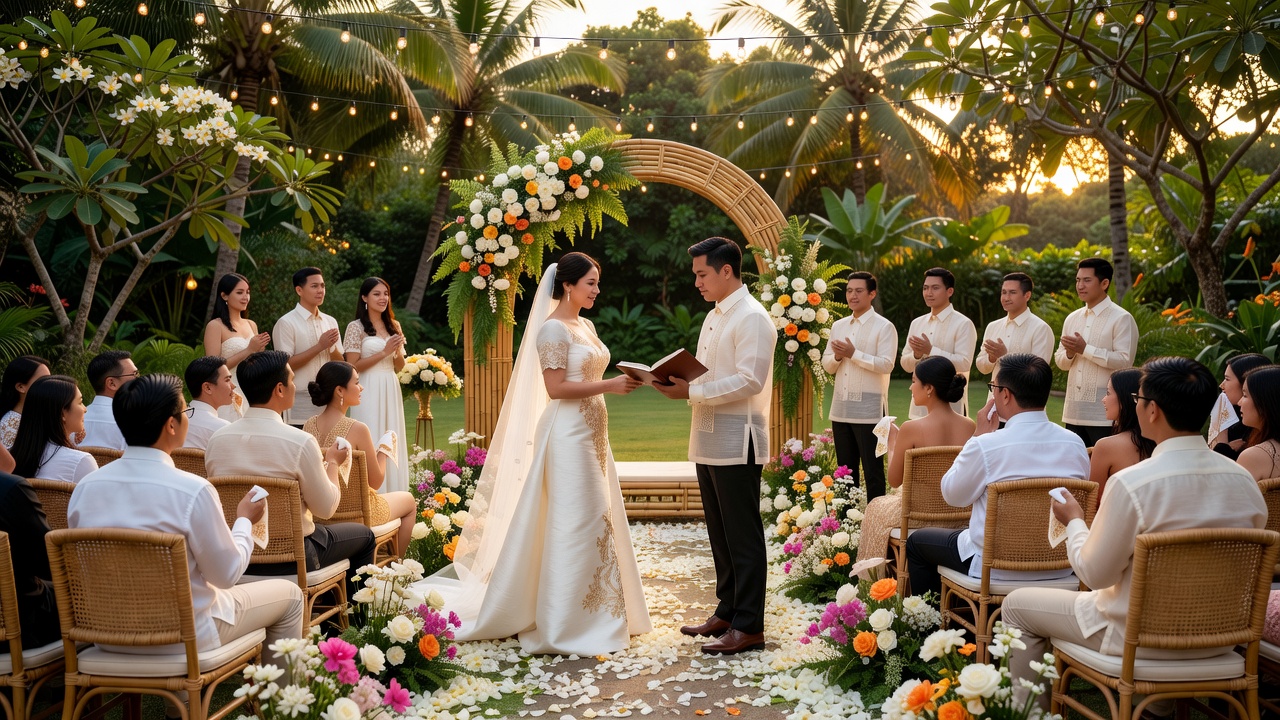
In every Filipino wedding, the vows are more than a promise—they are a bridge between generations. The pamanhikan, where families formally ask for blessings, reminds us that marriage here is never just about two people. It is about two families, two histories, two futures woven together. When you stand before the altar in a Catholic church, surrounded by titos, titas, and godparents who traveled across provinces to witness your moment, your words carry the weight of everyone who helped raise you.
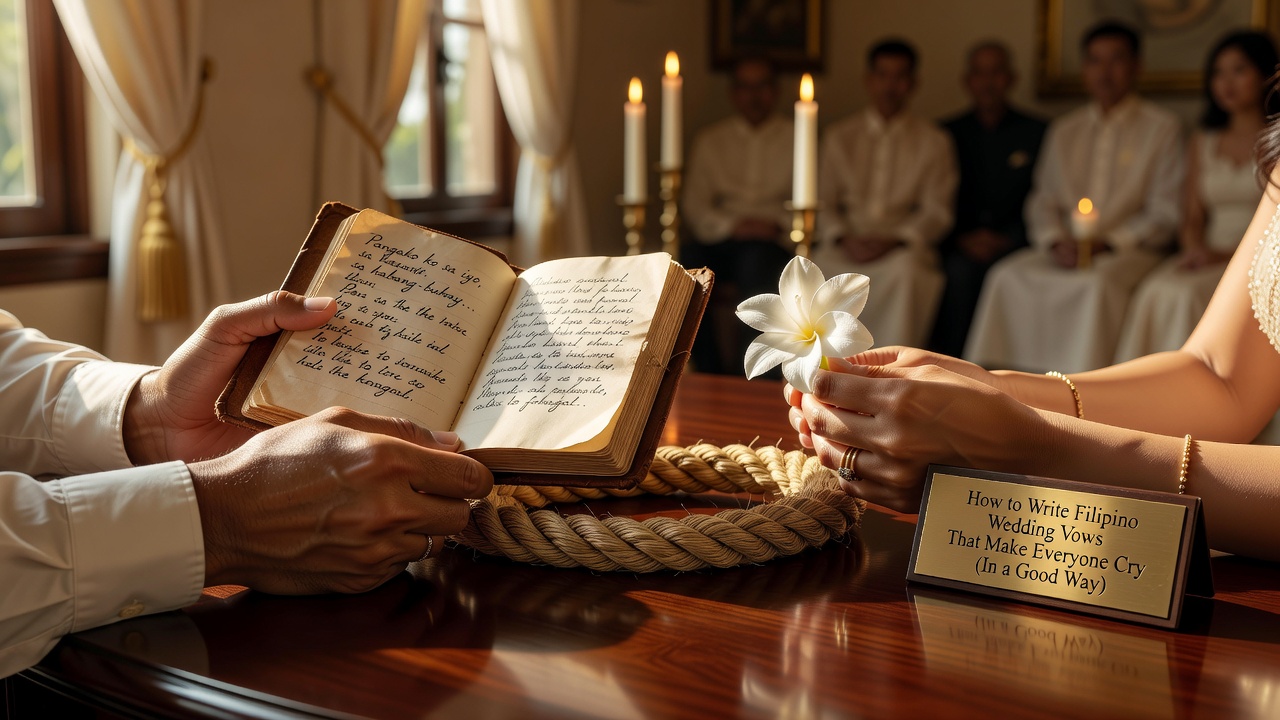
Filipino wedding planning is deeply emotional because our ceremonies honor this truth. Your vows should reflect it.
Why Bilingual Vows Matter
Most Filipino couples naturally move between English and Tagalog in daily life. Your wedding vows should sound like you—not a script from a foreign movie. Blending languages lets you reach every generation: the lola who only speaks Tagalog, the cousins who grew up abroad, the parents who raised you with both.
Here is how to blend them without sounding forced:
- Open with a Tagalog phrase that grounds the moment. Start with "Mahal ko" or "Ikaw ang aking tahanan" before flowing into English. It signals that this vow is rooted in Filipino identity.
- Use Tagalog for the emotional, vulnerable parts. "Hinding-hindi kita iiwan" hits harder than "I will never leave you" for many Filipino hearts.
- Keep transitions natural. Do not switch languages mid-sentence unless that is how you actually speak. A clean paragraph break between languages reads better than forced code-switching.
Recommended Vow Length
Keep your vows between 150–250 words each, which translates to roughly 1.5 to 2.5 minutes when spoken at a calm, emotional pace. Filipino wedding ceremonies, especially in Catholic churches, are already long. Guests have been sitting through a full mass. Your vows should be long enough to feel meaningful but short enough that nobody checks their phone.
If you want to include a Tagalog poem or a family prayer, add it after the core vow, or weave a single line in. Do not let cultural additions stretch your vows past three minutes.
Sample Filipino Wedding Vow Structures
Structure 1: The Heritage Vow (For Traditional Catholic Ceremonies)
"Mahal ko, since the day I met you, I knew God had a plan for us. In the tradition of our families—through every pamanhikan, every blessing from our parents—I stand before you today with a heart full of gratitude. I promise to love you not just as my husband, but as my partner in faith, my karamay in every challenge. I will honor our parents, serve our family, and build a home where Christ is the center. Hinding-hindi kita iiwan. Ikaw lamang, ngayon at magpakailanman."
Structure 2: The Intimate Bilingual Vow (For Modern Filipino Couples)
"I promise to be your tahanan—the home you return to, no matter where life takes us. You are my best friend, my calm in the chaos, the one who makes me laugh when I want to cry. Sa bawat araw ng ating buhay, pipiliin kitang mahalin. I choose you today, tomorrow, and every day after. Salamat sa pagmamahal mo. I love you."
Structure 3: The Family-Centered Vow (For Tight-Knit Clans)
"My love, our families have waited for this moment. Our parents prayed for us. Our siblings supported us. Today, in front of everyone who raised us, I promise to carry their love forward. I will respect your parents as my own. I will nurture the family we are starting while never forgetting the family that made us who we are. Ikaw ang pinaka-magandang regalo ng Diyos sa akin. I promise to treasure you forever."
Delivery Tips: Speaking From the Heart
Even the most beautiful vows fall flat if delivered poorly. In a Filipino wedding ceremony, emotions run high—yours will too. Here is how to deliver vows that move the room:
- Practice out loud, standing up. Read your vows to a mirror or a trusted friend. The words feel different when spoken.
- Write them by hand first. The physical act of writing slows your thoughts and lets emotion surface. Type later for the final version.
- Pause before the Tagalog lines. Give your lola and your parents a moment to absorb the words in the language that shaped them.
- Make eye contact with your partner. Do not stare at the paper. Glance down, then look up. The guests will forgive a stumble. They will not forgive a vow read like a grocery list.
- Accept tears. Filipino weddings are tearjerkers. If you cry, pause. Breathe. Let the moment land. It is better to cry than to rush.
Woven Traditions: Making It Uniquely Filipino
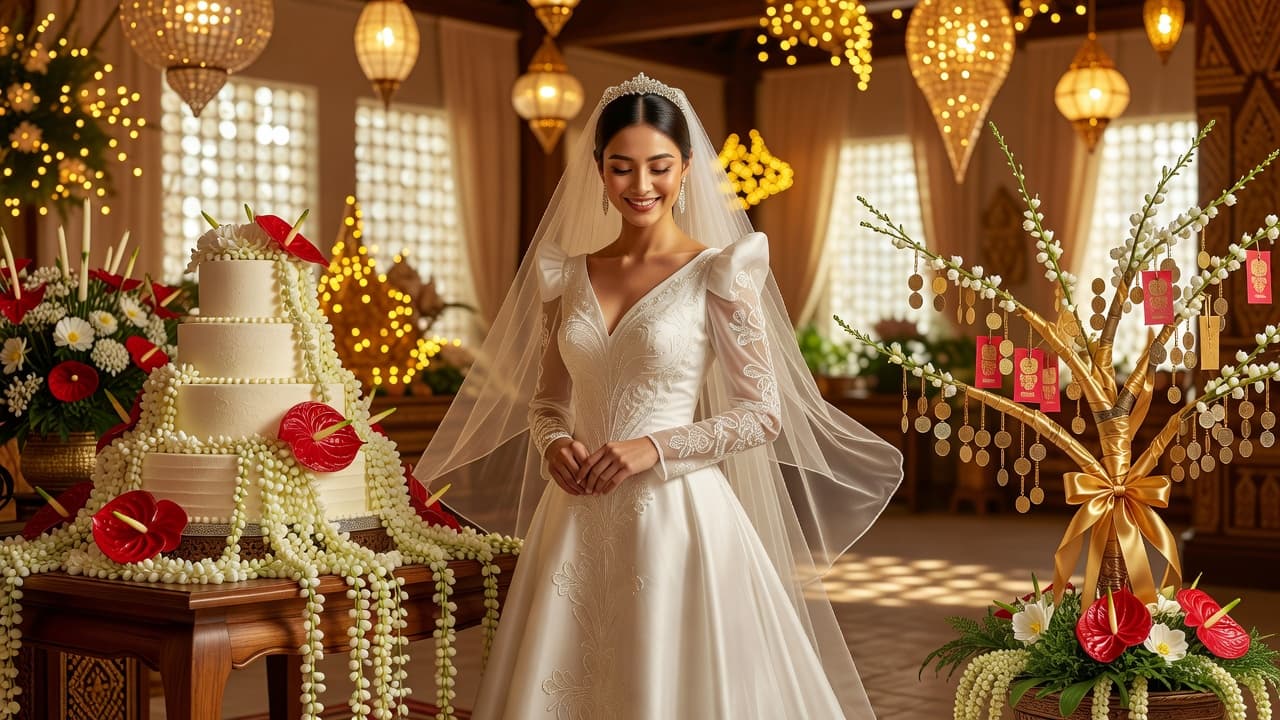
The best Filipino wedding vows do not mention traditions as decoration—they live inside them. Reference the pamanhikan if your families formally gathered. Mention the church and the sacrament if faith matters to you. Name your parents, your godparents, the titos and titas who helped pay for the wedding. These details transform a generic vow into a deeply personal promise.
Filipino wedding planning is about honoring where you came from while stepping into what is next. Your vows are the bridge.
FAQ
How long should Filipino wedding vows be?
Aim for 150–250 words, or about 1.5 to 2.5 minutes when spoken. This keeps the ceremony moving while leaving room for emotion.
Should I write my vows in Tagalog, English, or both?
Both, if that reflects how you naturally speak. Start with a Tagalog grounding phrase, flow into English for structure, and return to Tagalog for emotional peaks.
What if I get too emotional and cannot finish?
Pause. Breathe. Your partner, officiant, and guests will wait. Filipino weddings are built for tears. It is okay to cry.
Can I mention our families in the vows?
Yes, and you should. Filipino weddings are family-centered. Mentioning parents, godparents, and the pamanhikan deepens the meaning and honors tradition.
Ready to plan the rest of your Filipino wedding? Explore more guides on Filipino wedding planning traditions, ceremony timelines, and reception tips to make your day unforgettable.