Wedding Checklist Philippines: Filipino Reception Program Timeline 2026
By WedPlanner Team
Planning your Filipino reception? This wedding checklist Philippines guide covers the traditional program, modern 2026 twists, and a block-by-block timeline. With PHP costs for your kasal.
Building your wedding checklist Philippines starts with one of the most nerve-wracking parts of Filipino wedding planning: the reception program. Whether you're working with a coordinator or DIY-ing your kasal, the reception timeline is what separates a smooth celebration from a chaotic one. From the grand entrance to the last dance, here's a practical guide to the traditional Filipino reception program — with modern twists that 2026 couples are embracing.
The Traditional Filipino Reception Program
Filipino wedding traditions shape every minute of your reception. The program isn't just a schedule — it's a cultural performance that honors family, celebrates community, and yes, helps fund your new life together. Here's the traditional sequence most Filipino weddings follow:
Grand Entrance
The entourage enters in pairs — ninong and ninang first, then secondary sponsors, then the wedding party, and finally the couple. In Filipino receptions, this is a big production — sometimes with choreographed dances, smoke machines, or a live band intro.
Welcome and Invocation
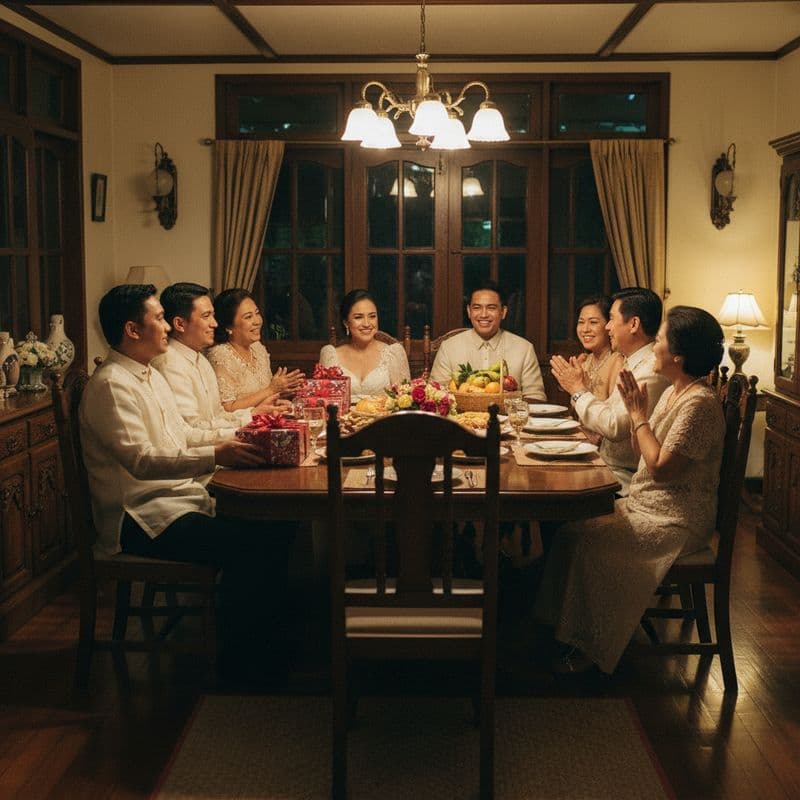
The host (usually the coordinator or a close friend) welcomes guests. A short prayer follows. Some couples ask their ninong to lead the invocation — a nice touch that involves sponsors early in the program.
Dinner Service
In most Filipino weddings, dinner is served immediately after the entrance. Traditional plated service is common in Metro Manila hotels, but buffet and family-style service are increasingly popular. The lechon ceremony — if you're having one — typically happens during dinner, where the couple makes the first cut.
Speeches and Toasts
Speeches come during or right after dinner. Traditional order: welcome remarks from the couple's parents, best man speech, maid of honor speech, and sometimes a message from a principal sponsor. Keep each speech to 3–5 minutes — Filipino receptions run long, and guests get restless.
Cake Cutting and Wine Toast
The couple cuts the cake together, then proceeds to the wine toast. The ninong and ninang often join the toast on stage, raising their glasses alongside the couple's parents.
Dances
Father-daughter dance comes first, followed by mother-son dance. Then the first dance as a married couple. In 2026, many couples are skipping the traditional slow-dance format and going straight into a choreographed routine — sometimes involving the entire entourage.
Money Dance (Sayaw ng Pera)
The money dance is uniquely Filipino — guests pin cash onto the couple's clothes while dancing with them. It's part tradition, part practical fundraising. The band or DJ plays upbeat Filipino favorites, and the energy is always high. Some couples use a designated money dance basket instead of pinning, which is more practical for couples wearing barong or couture gowns.
Bouquet and Garter Toss
The bouquet toss is for single women; the garter toss is for single men. In some Filipino receptions, the garter is placed on the bouquet catcher's leg — a tradition that some modern couples are skipping in favor of alternative games.
Open Dancing and Send-Off
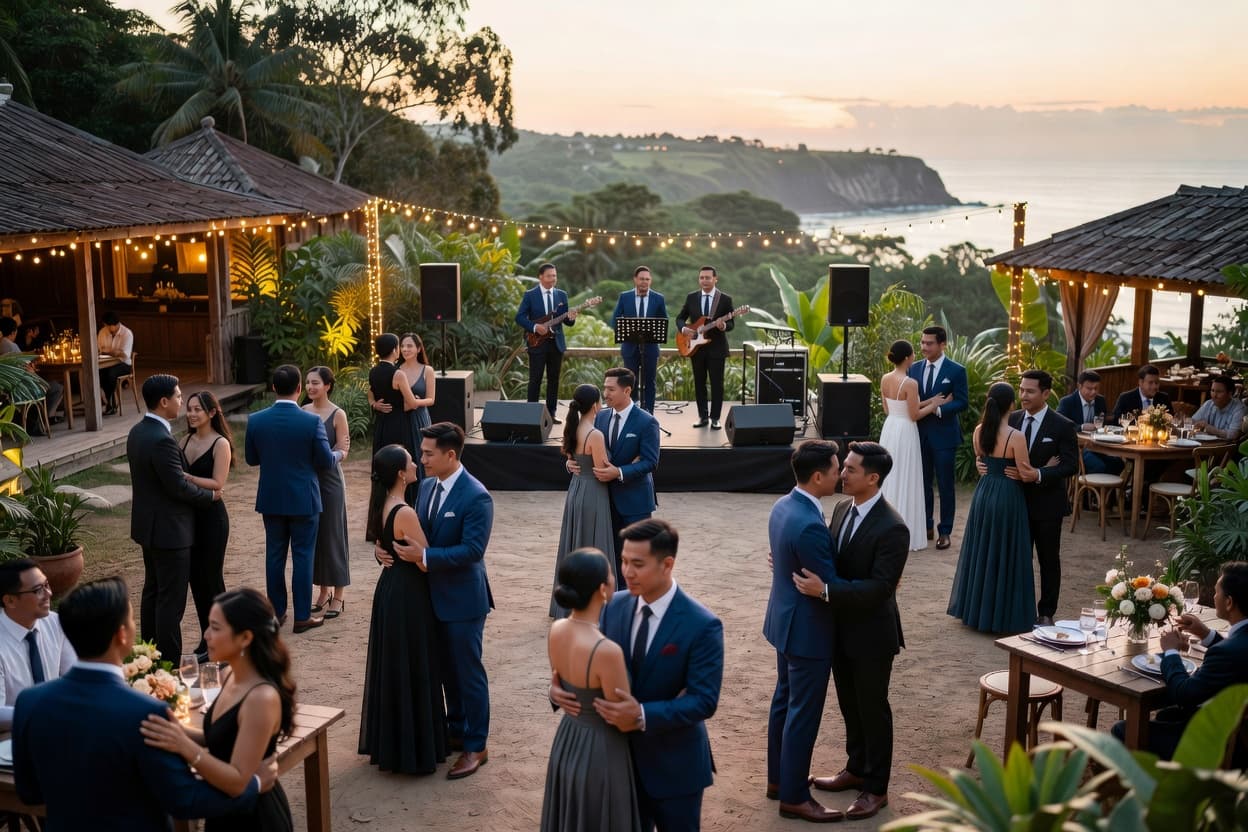
Filipinos love to dance. The open floor is when tita, tito, cousins, and friends all hit the dance floor. This segment often runs longer than planned — Filipino receptions are known for extension culture, where the party runs past the venue's contracted time.
Wedding Checklist Philippines: Block-by-Block Reception Timeline
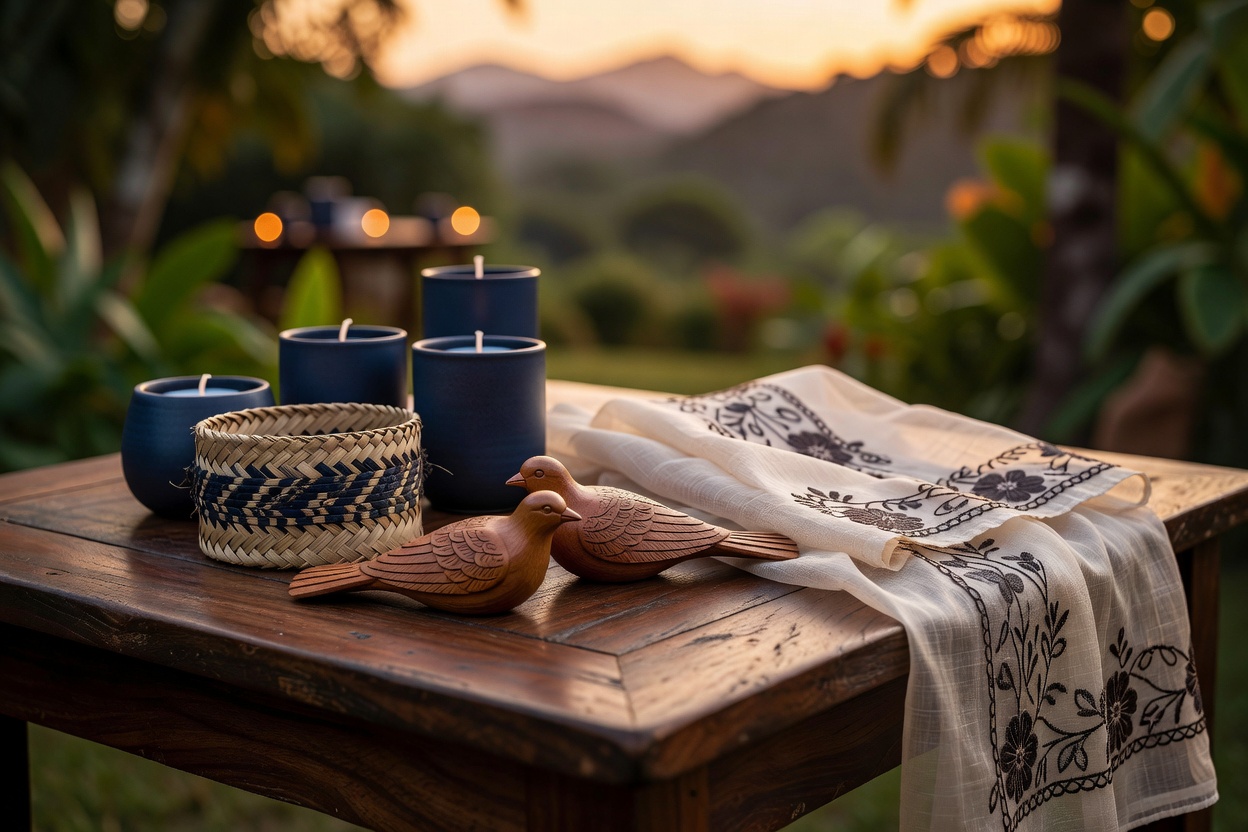
Here's a practical timeline for a standard 5-hour Filipino reception, starting at 6:00 PM. Adjust based on your venue contract and ceremony end time.
- 6:00 PM — Grand Entrance: Entourage enters in pairs, couple enters last. 10 minutes.
- 6:10 PM — Welcome and Invocation: Host welcomes guests, short prayer. 5 minutes.
- 6:15 PM — Cocktails and Appetizers: While guests settle, serve welcome drinks and appetizers. 15 minutes.
- 6:30 PM — Dinner Service: Plated or buffet. Lechon ceremony if applicable. 45–60 minutes.
- 7:30 PM — Speeches: Parents, best man, maid of honor, sponsor. 20 minutes max.
- 7:50 PM — Cake Cutting and Wine Toast: Couple cuts cake, toast with parents and sponsors. 10 minutes.
- 8:00 PM — Father-Daughter and Mother-Son Dances: 10 minutes.
- 8:10 PM — First Dance: Couple's first dance. Choreographed or traditional. 5 minutes.
- 8:15 PM — Money Dance (Sayaw ng Pera): Guests pin cash, dance with couple. 20 minutes.
- 8:35 PM — Bouquet and Garter Toss: 10 minutes.
- 8:45 PM — Dessert and Coffee: Serve dessert while guests relax. 15 minutes.
- 9:00 PM — Open Dancing: DJ or live band plays. 60+ minutes.
- 10:00 PM — Send-Off: Final thank you, send-off ceremony. 10 minutes.
Remember: Filipino receptions routinely run 30–60 minutes over schedule. Build buffer time into your timeline, and ask your venue about extension fees — Metro Manila hotels typically charge ₱5,000–₱15,000 per extra hour. Provincial venues may be more flexible.
Modern Twists for 2026 Receptions
The kasal planning guide isn't stuck in tradition — 2026 couples are blending the old with the new. Here are the modern trends reshaping Filipino receptions:
Shortened Programs
Many couples are cutting the program from 5 hours to 3–4 hours. The money dance stays, but bouquet toss, garter toss, and formal dances are optional. The focus shifts to what matters most: eating, dancing, and celebrating with family.
Interactive Food Stations
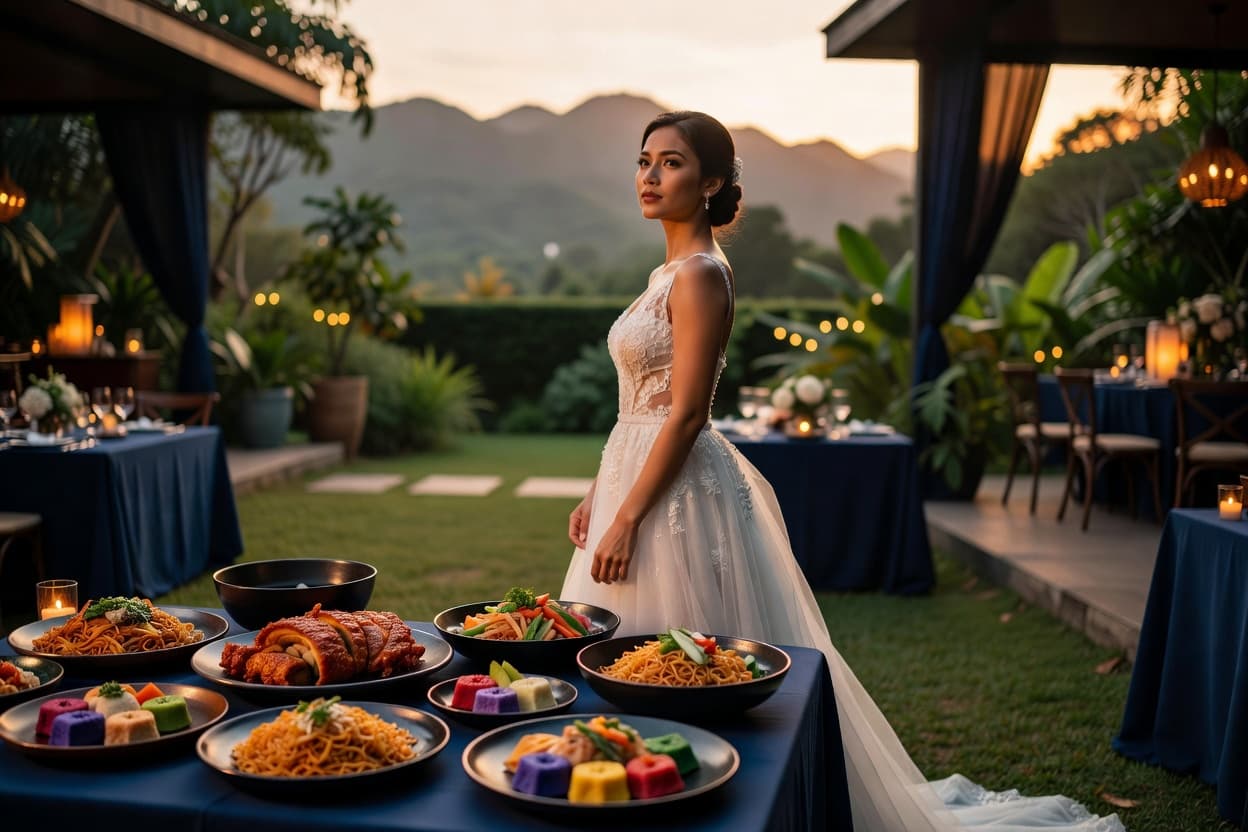
Instead of traditional plated dinner, couples are setting up live stations — a pasta station, a lechon carving station, a DIY halo-halo bar. This costs ₱450–₱650 per head (comparable to plated service) but feels more interactive and Instagram-worthy.
DJ vs Live Band
A live band in Metro Manila costs ₱25,000–₱60,000, while a DJ costs ₱10,000–₱25,000. Many 2026 couples are choosing DJs for flexibility — a DJ can transition from traditional Filipino dance songs to modern hits seamlessly. See our DJ vs live band guide for a deeper comparison.
Social Media and Photo Booths
Custom wedding hashtags, Instagram-worthy photo walls, and photo booth rentals (₱8,000–₱15,000 for 3–4 hours) are now standard. Some couples set up a digital photo sharing station where guests scan a QR code to upload their photos to a shared album.
GCash Wedding Gift Integration
The money dance is getting a digital upgrade. Many 2026 couples display a GCash wedding gift QR code at the reception, allowing guests to send cash gifts digitally — no pinning required. This is especially popular with younger guests and overseas family who can't attend in person.
Livestream for Overseas Family
Filipino weddings often have family abroad who can't attend. A wedding website Philippines platform with livestream capability lets balikbayan relatives watch the ceremony and reception in real time. Some couples set up a dedicated screen at the reception showing live messages from overseas guests. Pair this with an online RSVP wedding system so you know exactly who's attending in person vs watching online.
Pre-Recorded Messages from Absent Sponsors
When a ninong or ninang can't attend, couples are playing pre-recorded video messages during the speech segment. It's a touching way to include absent sponsors without disrupting the program flow.
What It Costs: Reception Program PHP Breakdown
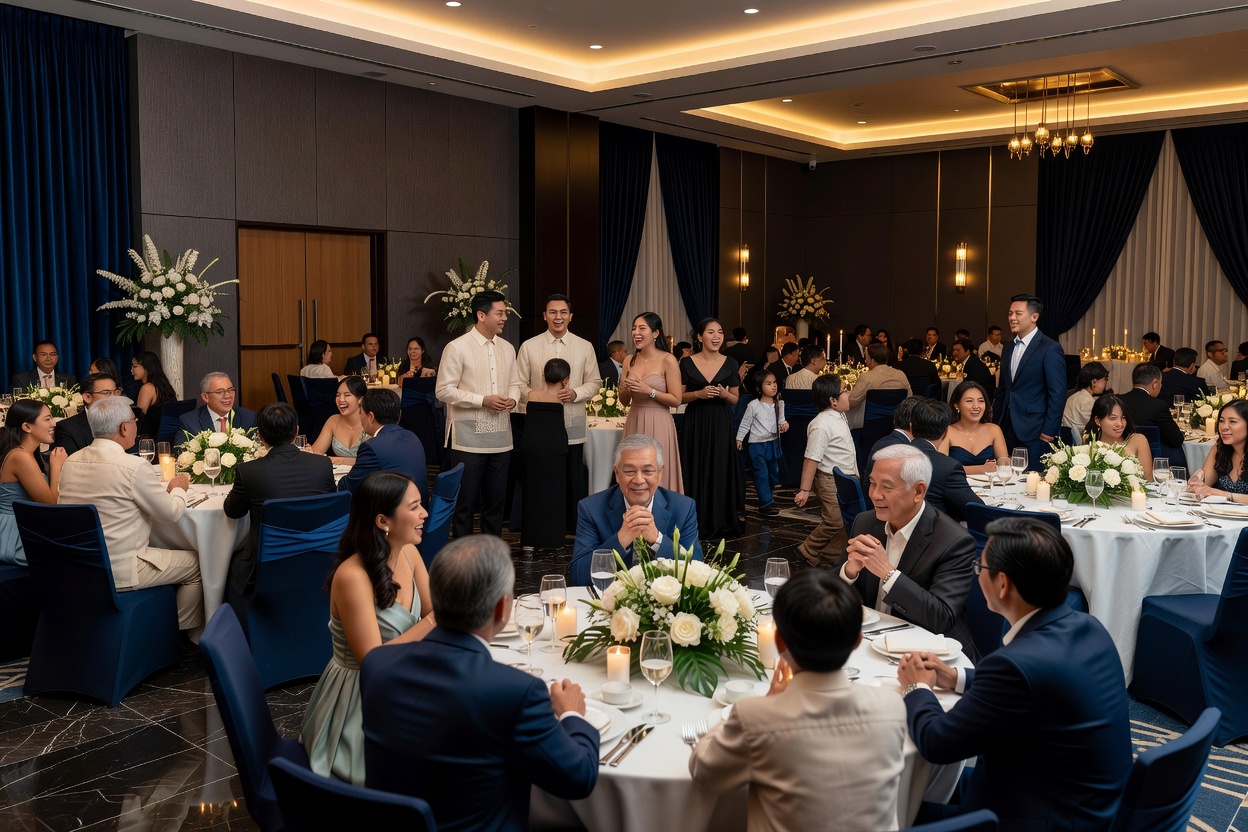
Here's a quick cost reference for reception program essentials in Metro Manila (2025/2026 prices):
- Reception venue (5 hours): ₱80,000–₱250,000 depending on hotel tier
- Extension fee per hour: ₱5,000–₱15,000
- Live band (4 hours): ₱25,000–₱60,000
- DJ (4 hours): ₱10,000–₱25,000
- LED dance floor rental: ₱15,000–₱35,000
- Photo booth (3–4 hours): ₱8,000–₱15,000
- Host/MC: ₱5,000–₱15,000 (sometimes included with coordinator package)
Provincial weddings typically cost 20–30% less for the same services. Tagaytay and Boracay destination receptions may carry premium logistics costs for vendor transport and accommodation.
The Bottom Line
Your Filipino wedding reception program should reflect who you are as a couple — whether that's a full traditional kasal with every ceremony segment, or a shortened modern celebration with a DJ and GCash QR codes. The key is planning the timeline carefully, building in buffer time for extension culture, and choosing the traditions that matter most to your family. For your complete kasal planning guide, use WedPlanner's timeline tool to map out every minute of your reception, and our wedding checklist to track all your program preparations. Create your free WedPlanner account and start building a reception program your guests will actually remember.